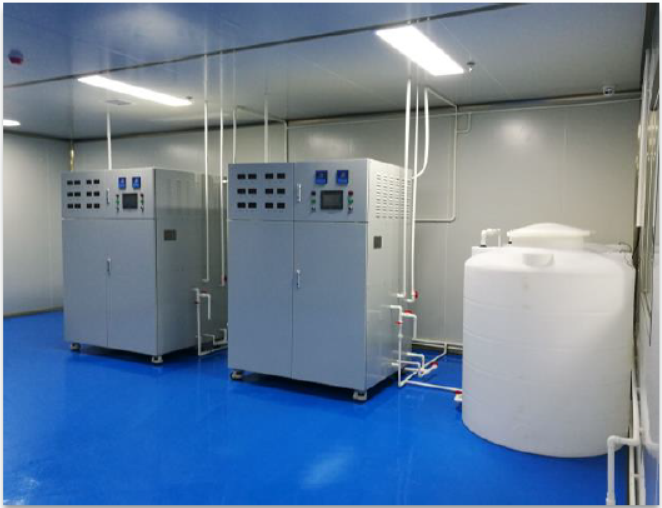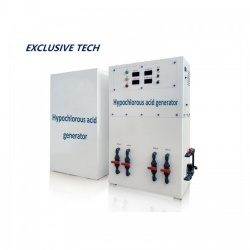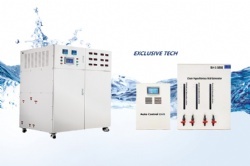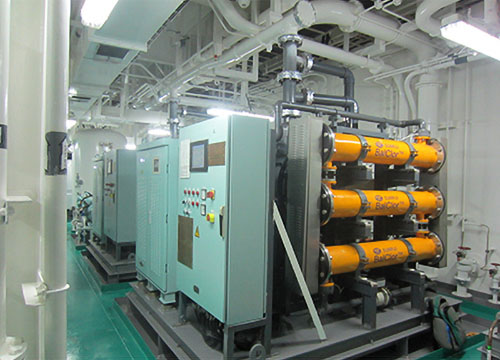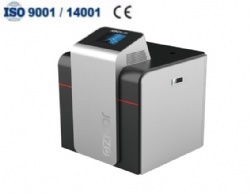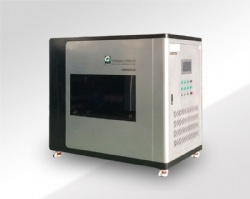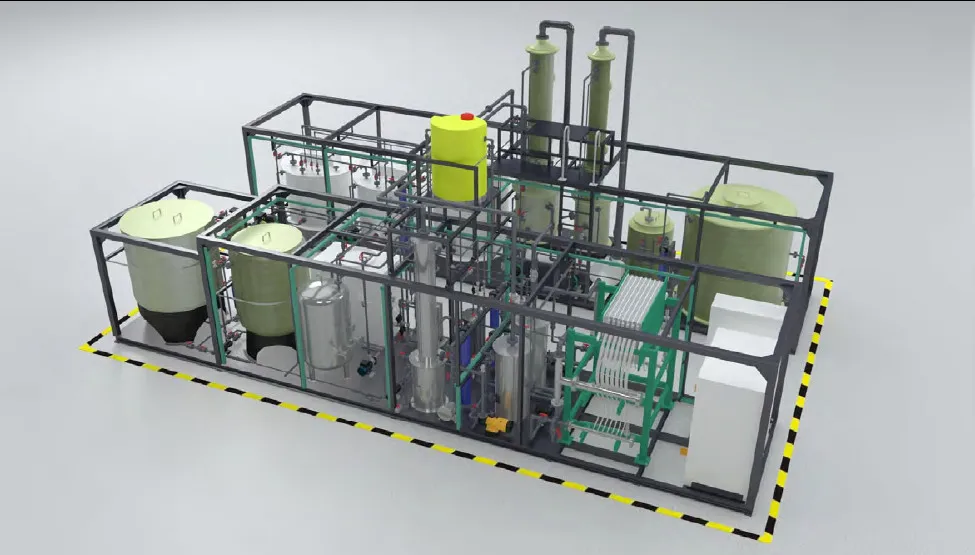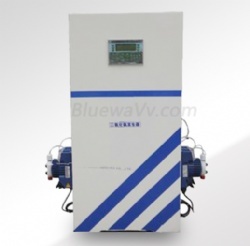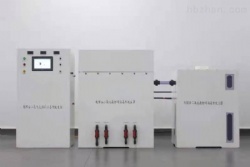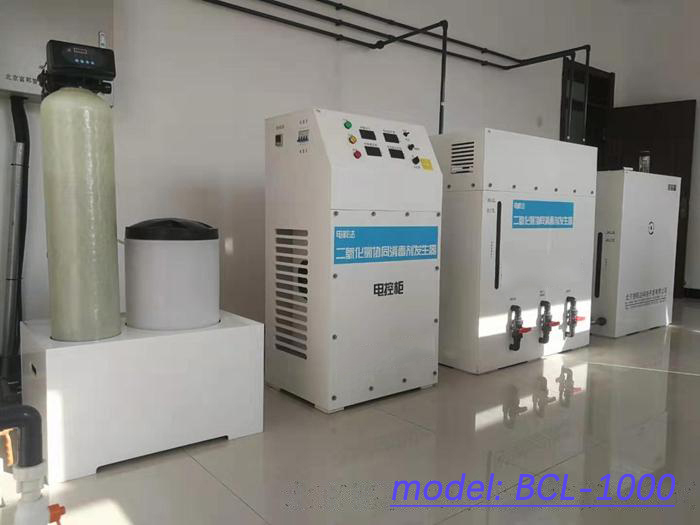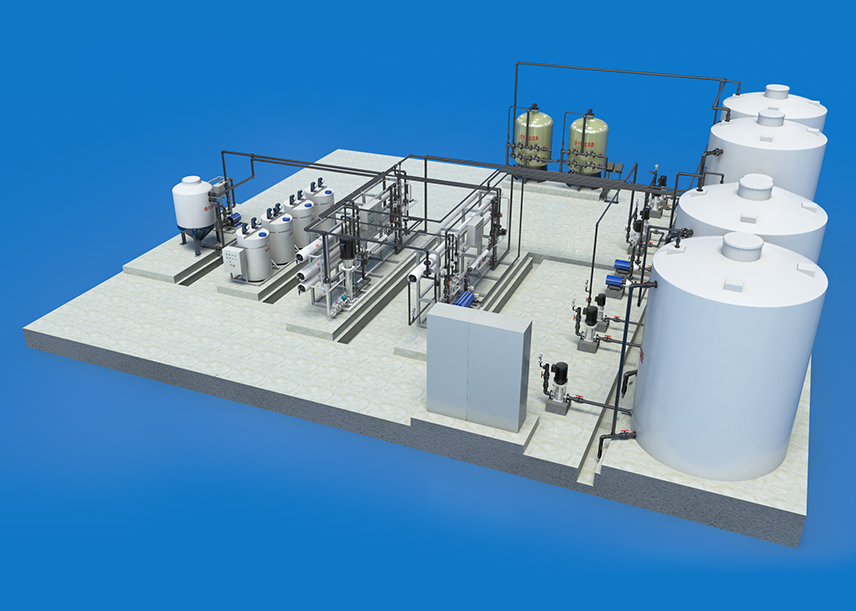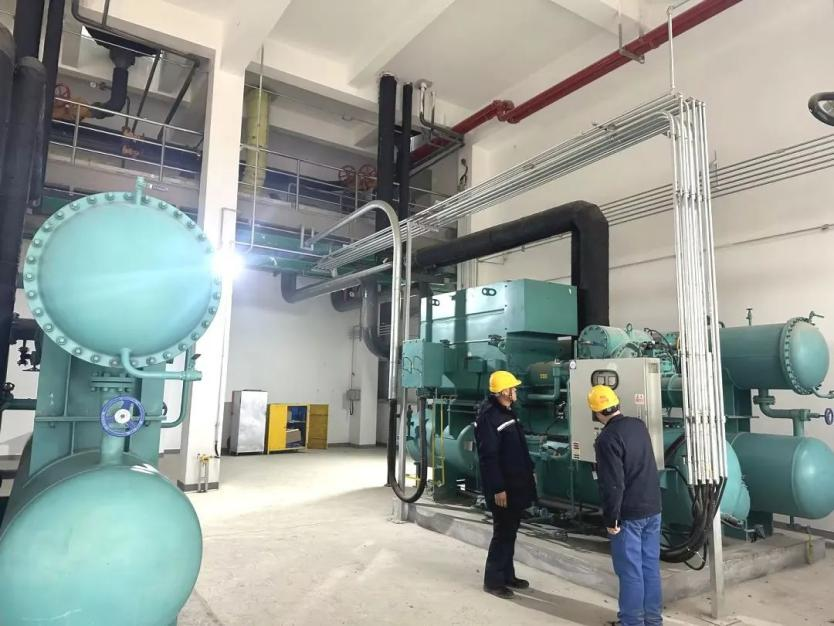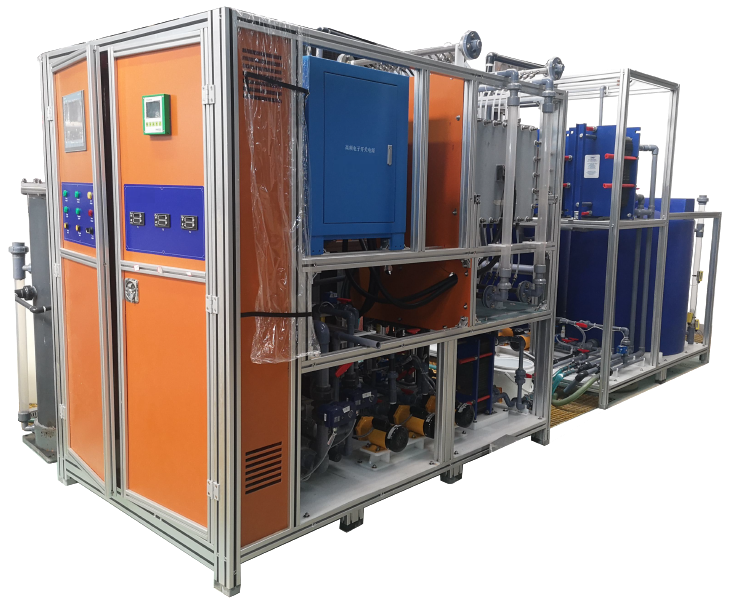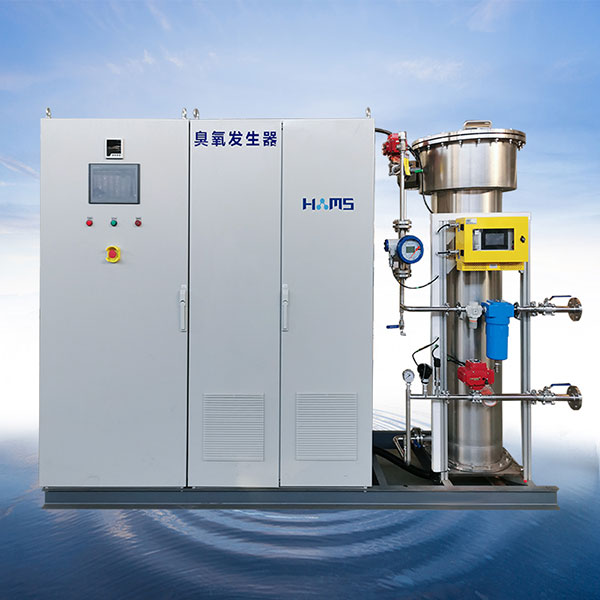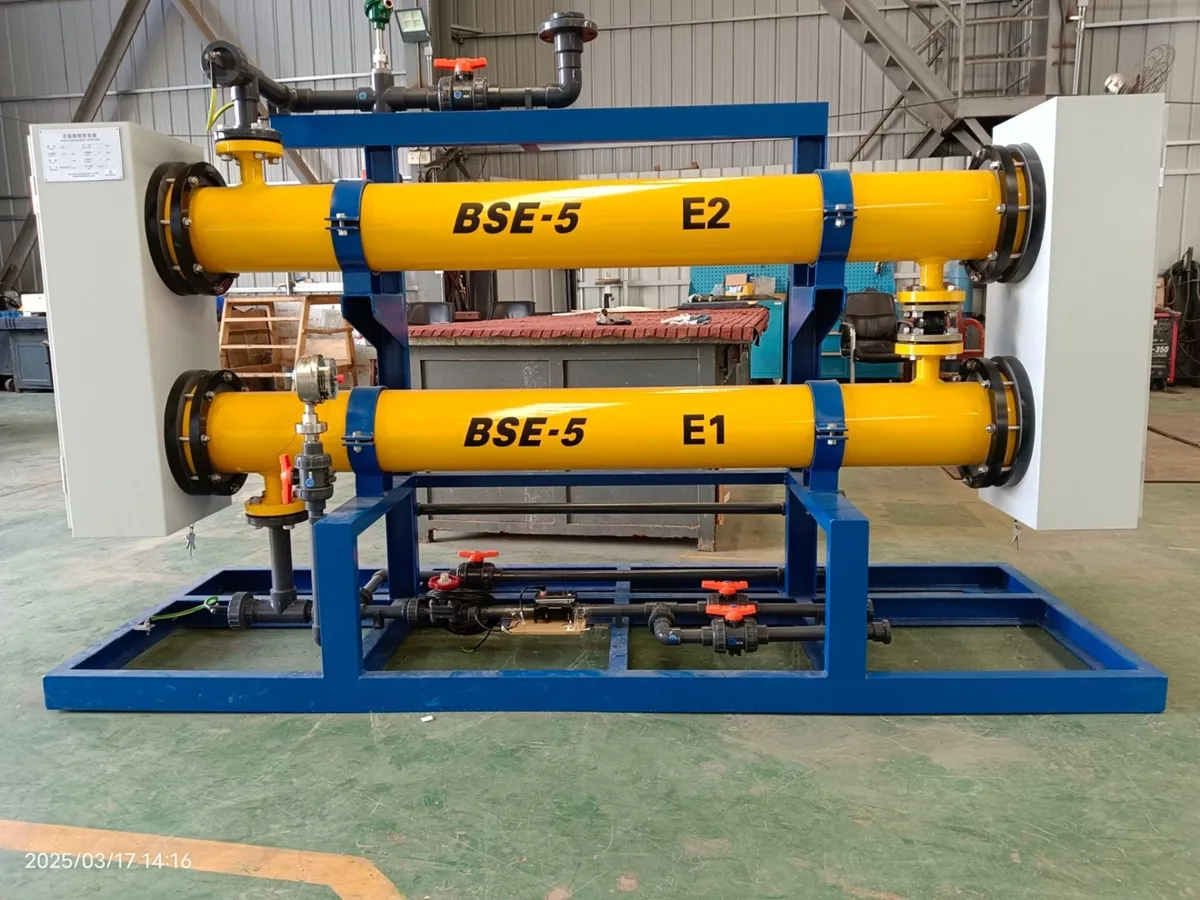
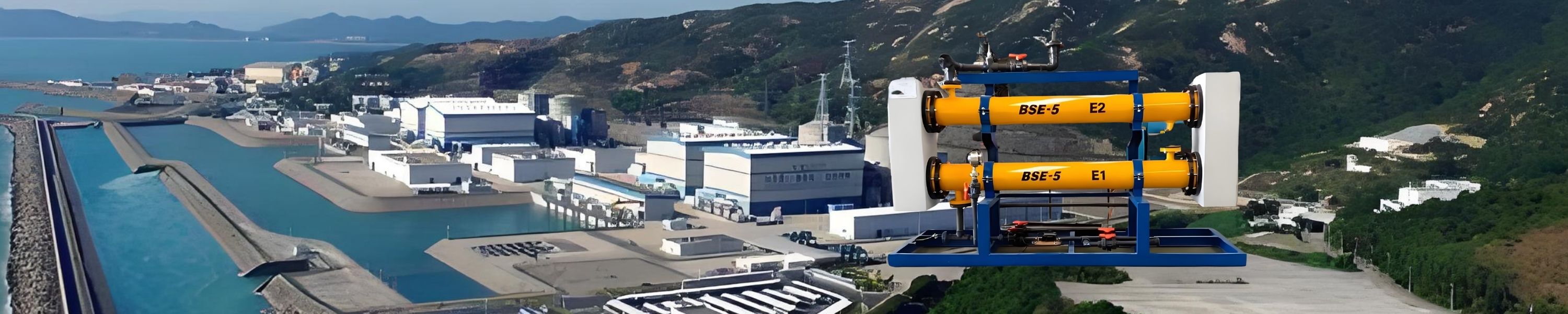
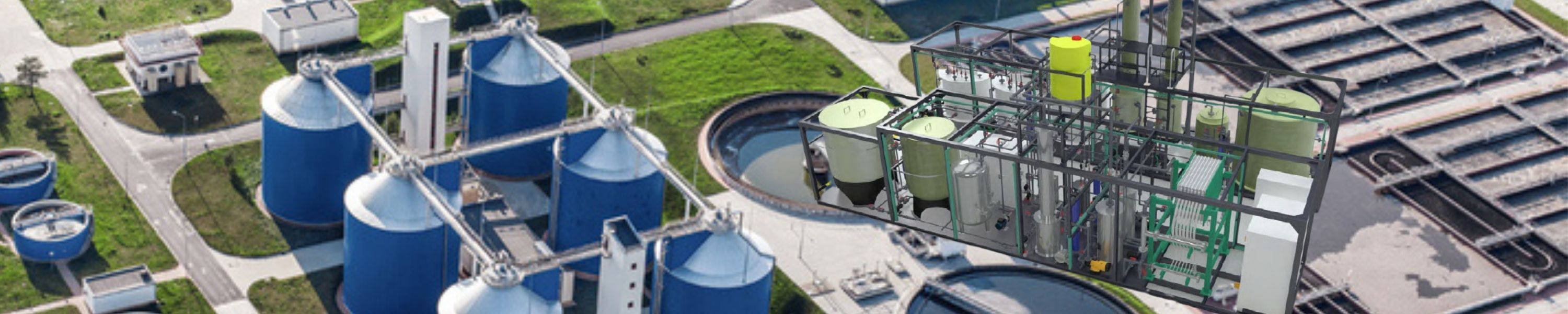

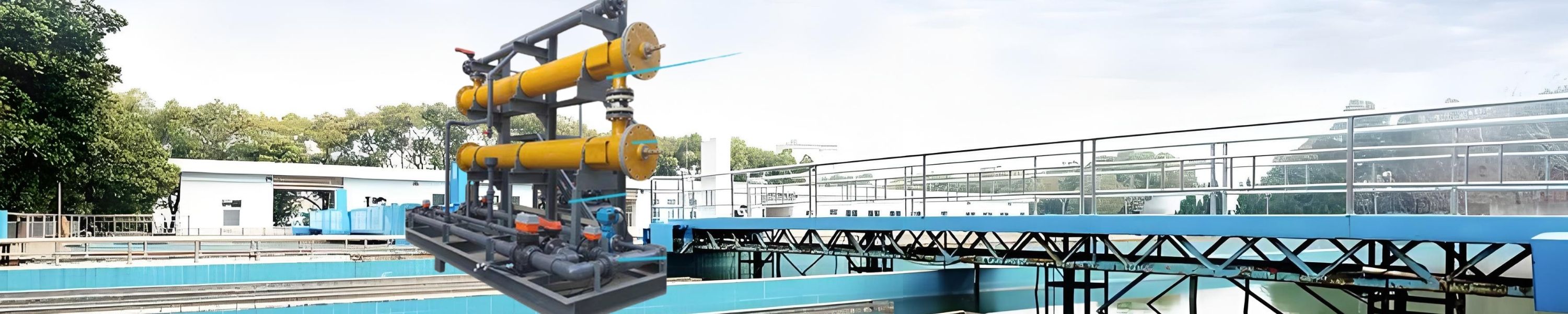
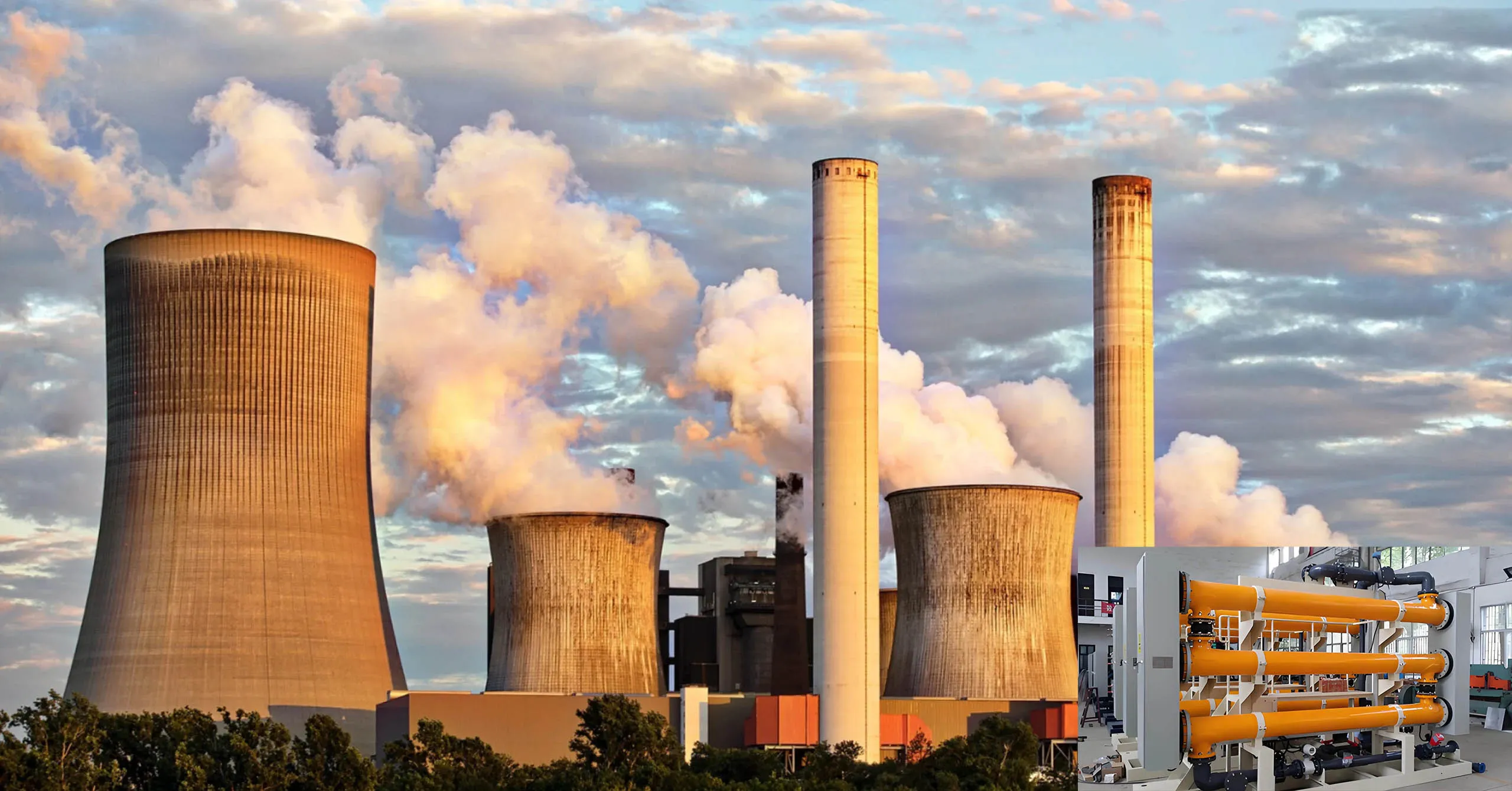
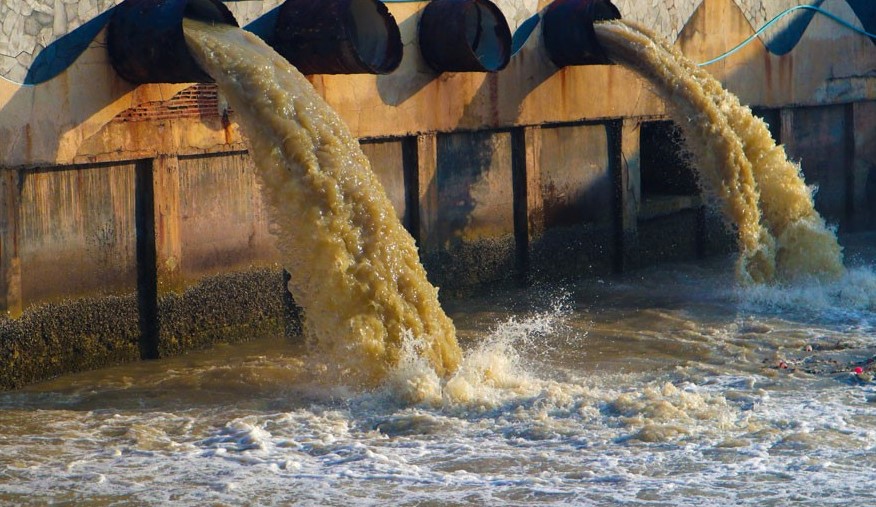

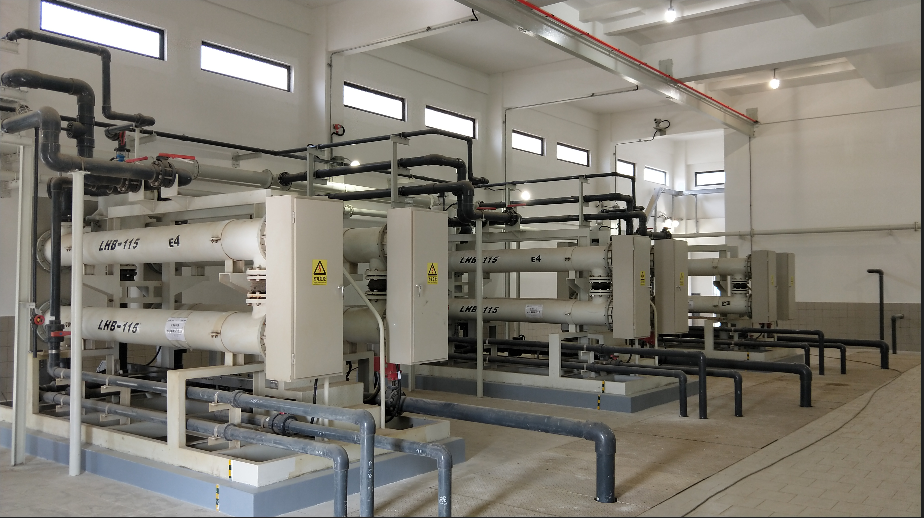
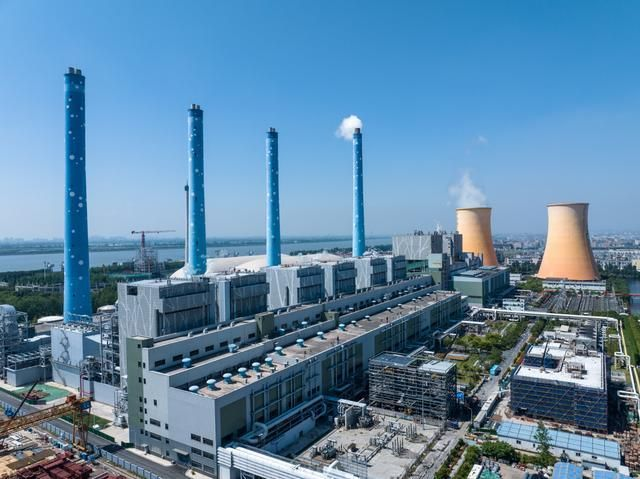

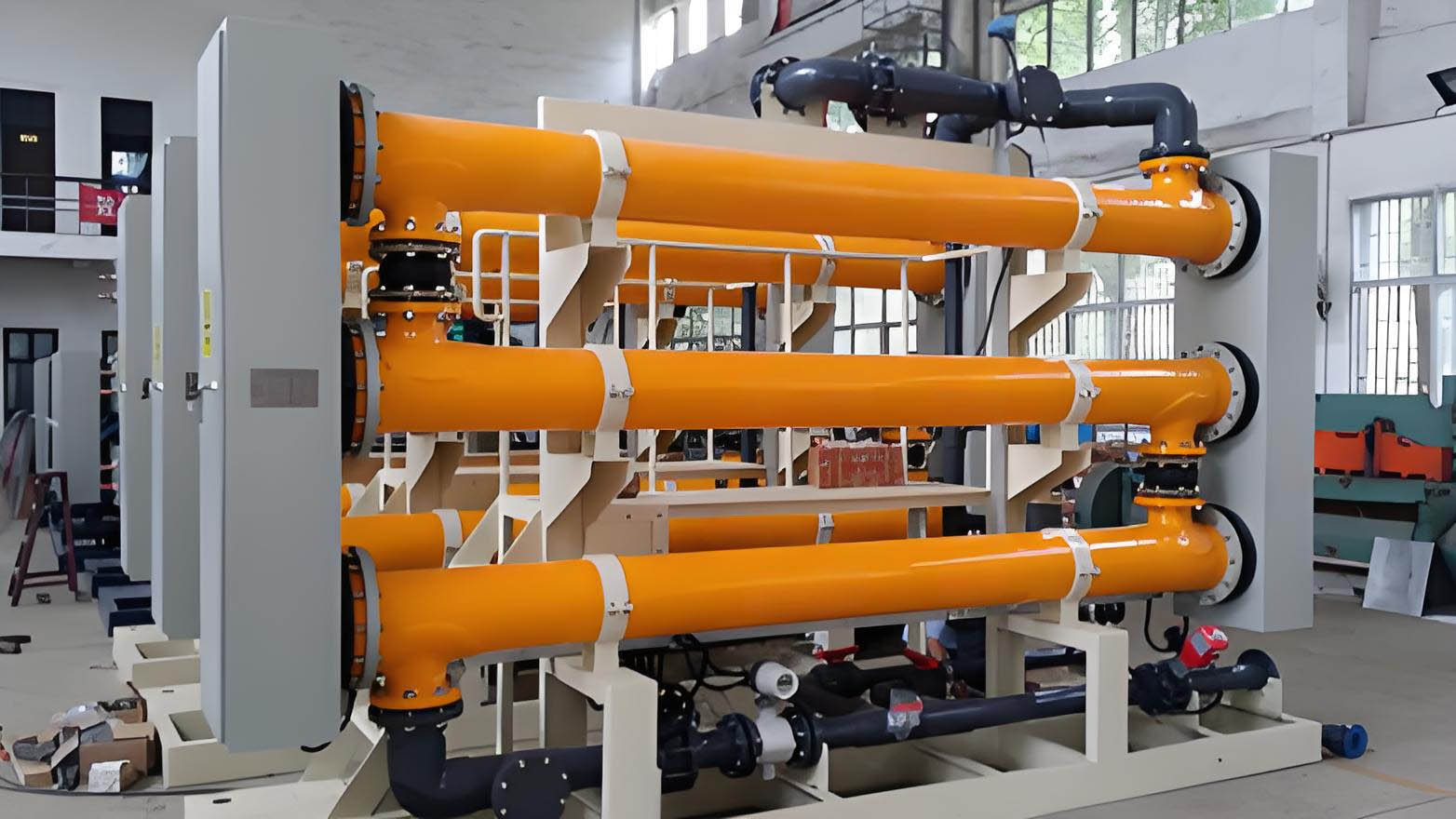
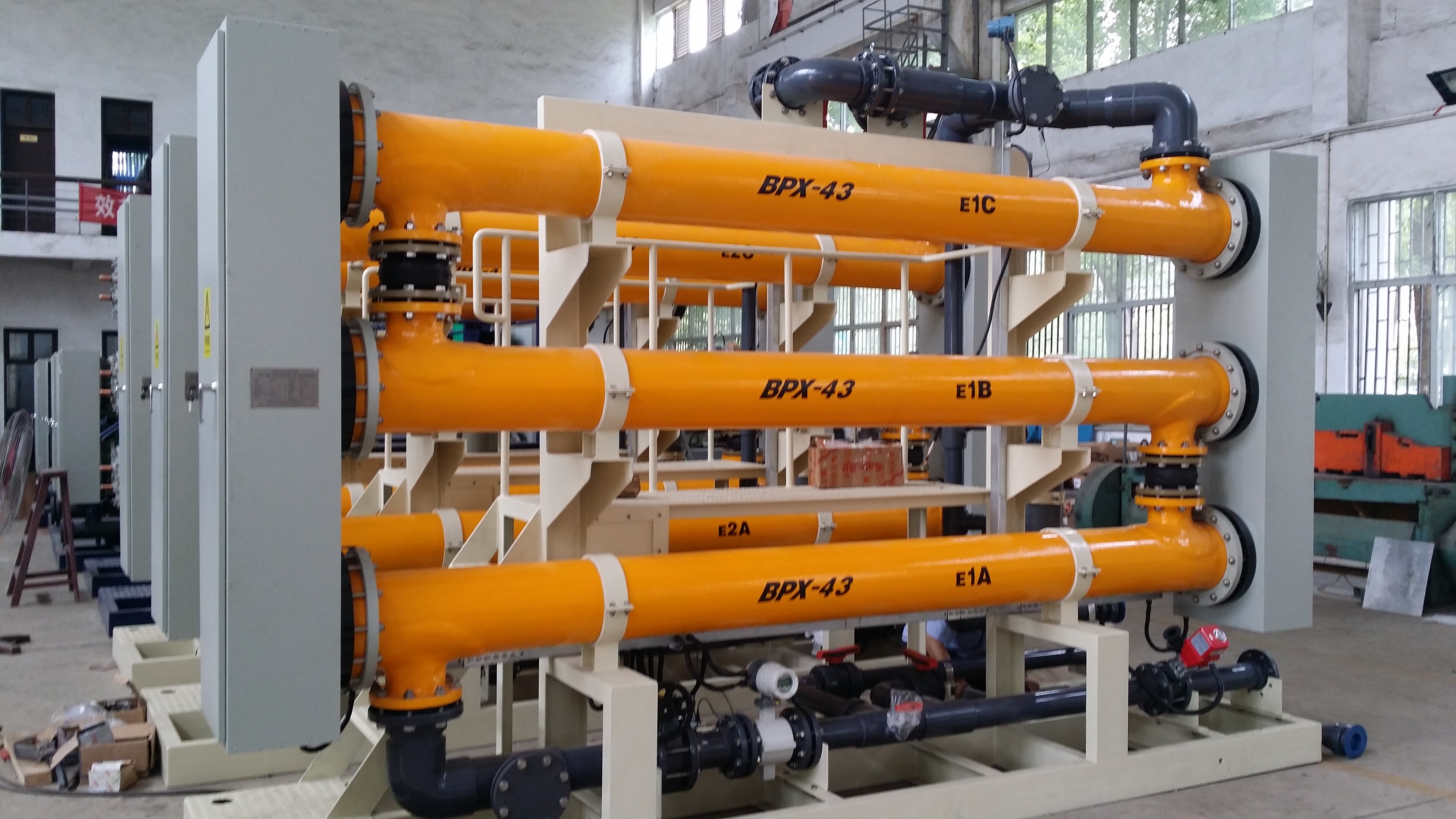
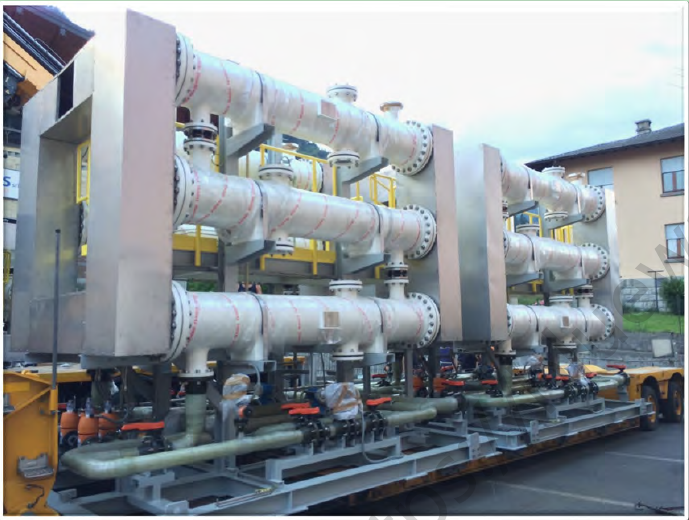
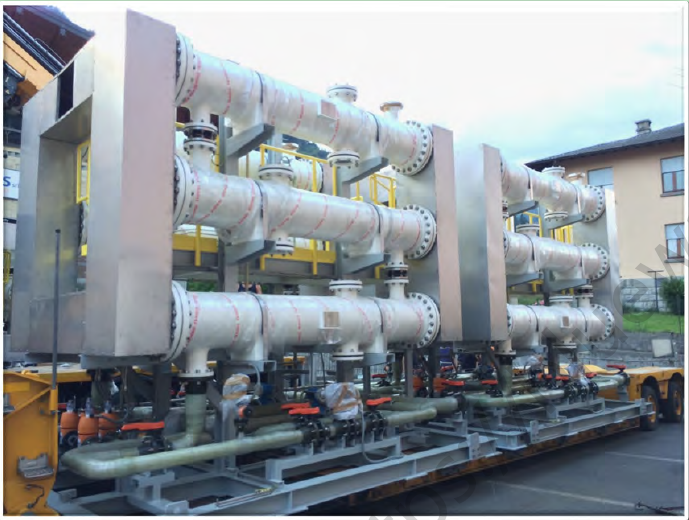
Chlory onshore and offshore Seawater Electrochlorination System produces sodium hypochlorite on-site by electrolyzing natural seawater, used for biofouling control in cooling water, seawater lifting, and industrial circulating water systems.
|
Index |
Unit |
Standard |
|
Power Efficiency |
% |
≥92 |
|
DC power consumption |
kW.H / Kg.Cl2 |
≤3.4 |
|
Chlorine evolution potential |
V (S.C.E) |
≤1.04 |
|
Anode enhanced life test |
Hr. |
5-10 Years |
|
Cathode service life |
Y |
5-10 Years |
|
Pickling cycle |
D |
≥36 |
|
Chlorine capacity |
Kg/h |
Customized design |
|
FAC |
Kg.h |
1-500 |
System Process Flow
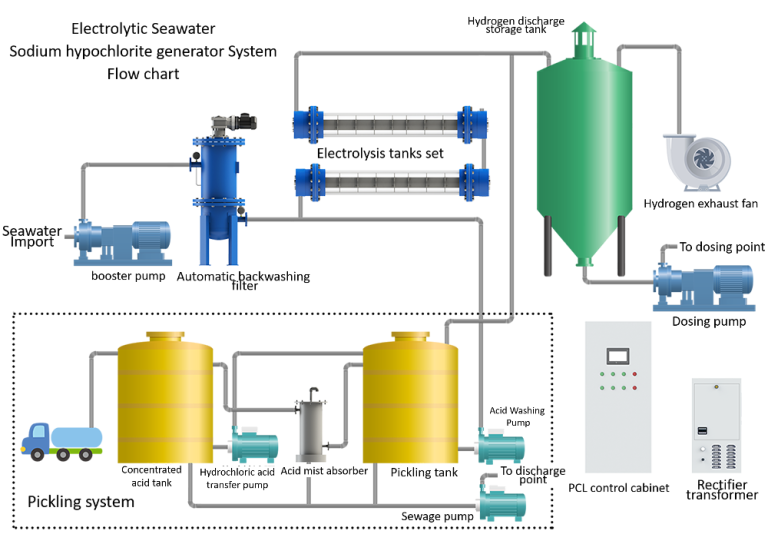
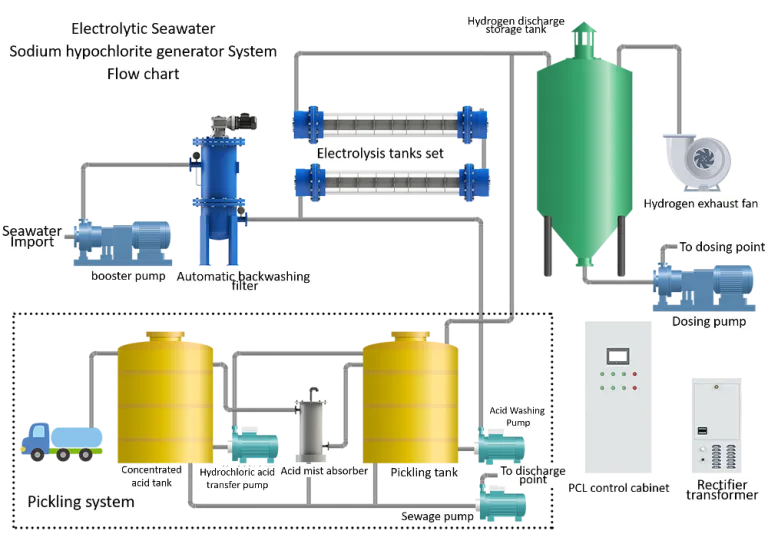
The electrolytic seawater sodium hypochlorite generator uses natural seawater and adopts high-speed electrolysis to prepare high-activity sodium hypochlorite solution on site. The sodium hypochlorite solution is transported to the dosing point as a biocide through dehydrogenation storage, effectively killing microorganisms, sea creatures, algae, and crustaceans in the water body, and preventing the blockage of circulating water pipelines and condenser systems.
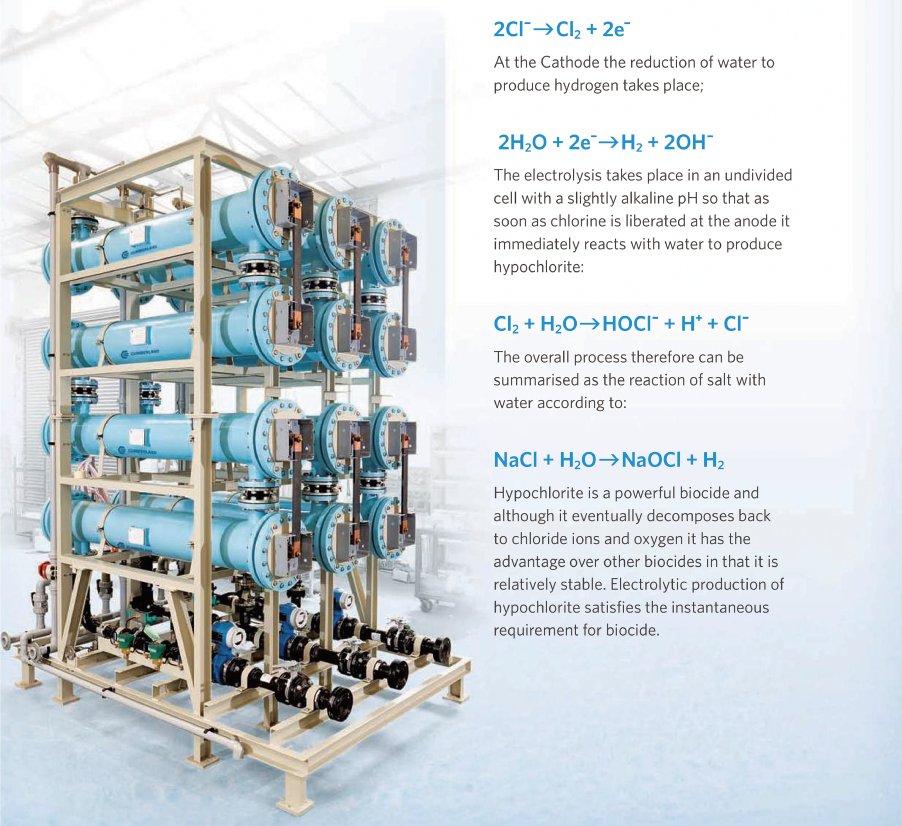
The main reaction process of sodium hypochlorite generator electrolysis can be expressed by the following equation:
NaCl+ H2O = NaClO + H2↑
Electrode reaction: anode: 2Cl--2e- → Cl2 cathode: 2H2O + 2e- → H2 + OH-
Solution reaction: 2NaOH + Cl2 → NaCl + NaClO + H2O
Technical Parameters
| Model | CHB-1 | CHB-20 | CHB-50 | CHB-70 | CHB-90 | CHB-130 | CHB-220 |
| Production of available chlorine | 1KG/H | 20KG/H | 50KG/H | 70KG/H | 90KG/H | 130KG/H | 220KG/H |
| Concentration of available chlorine | 1-1.5G/L | 1-1.5G/L | 1-1.5G/L | 1-1.5G/L | 1-1.5G/L | 1-1.5G/L | 1-1.5G/L |
| Current efficiency | >80% | >80% | >80% | >80% | >80% | >80% | >80% |
| DC consumption (kwh.kg.Clz) | <4 | <4 | <4 | <4 | <4 | <4 | <4 |
| Brine consumption (kg/kg.Cl2) | - | - | - | - | - | - | - |
| Cathode lifetime(year) | 25 | ≥5 | 25 | 25 | 25 | 25 | 25 |
| External size(mm) |
1325*560*1
340
|
3800*950*1
730
|
4300*1200
*2800
|
4800*2250
*2800
|
5100*2400
*2900
|
5200*2600*
3200
|
6500*1835
*4723
|
| Area of chlorine production room | 27m2 | 216㎡2 |
270m2
-
|
297m2 | 330m2 | 388m2 | 518m |
System composition:
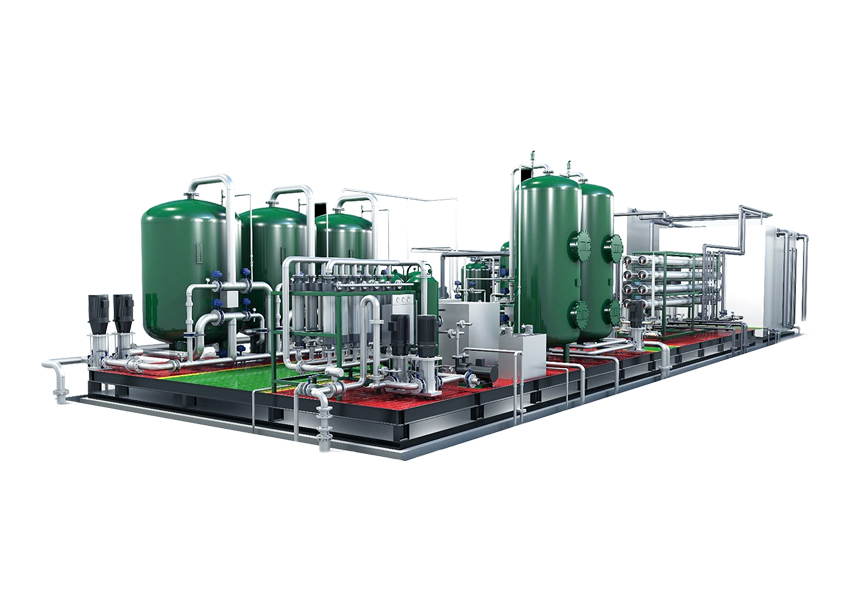
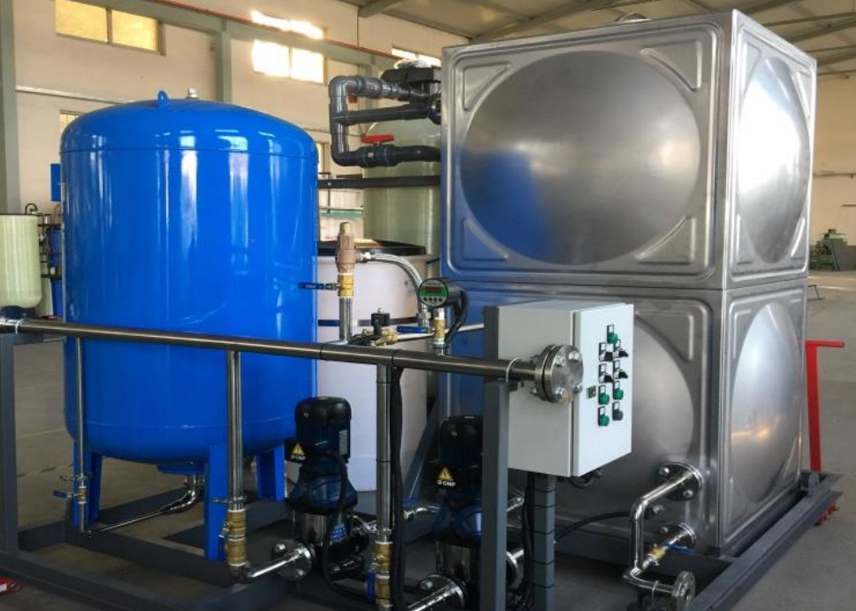
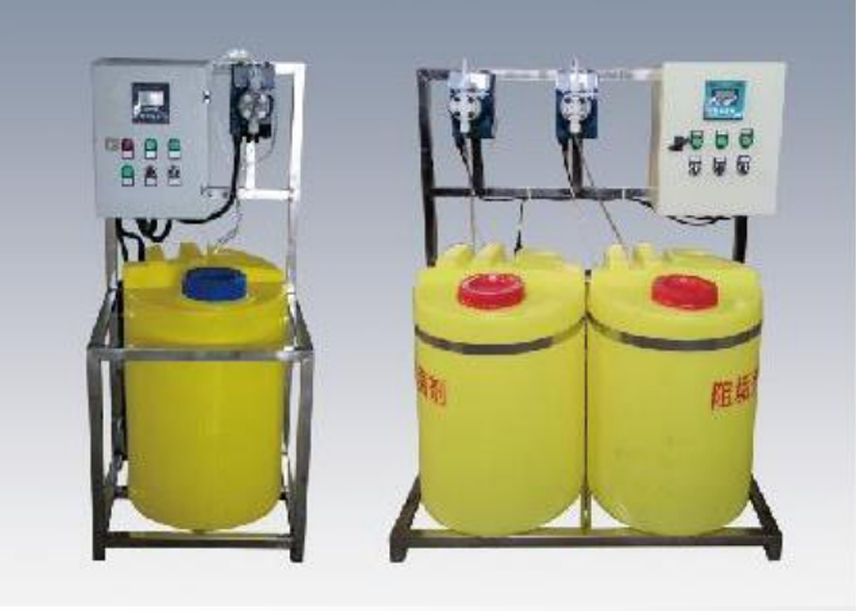
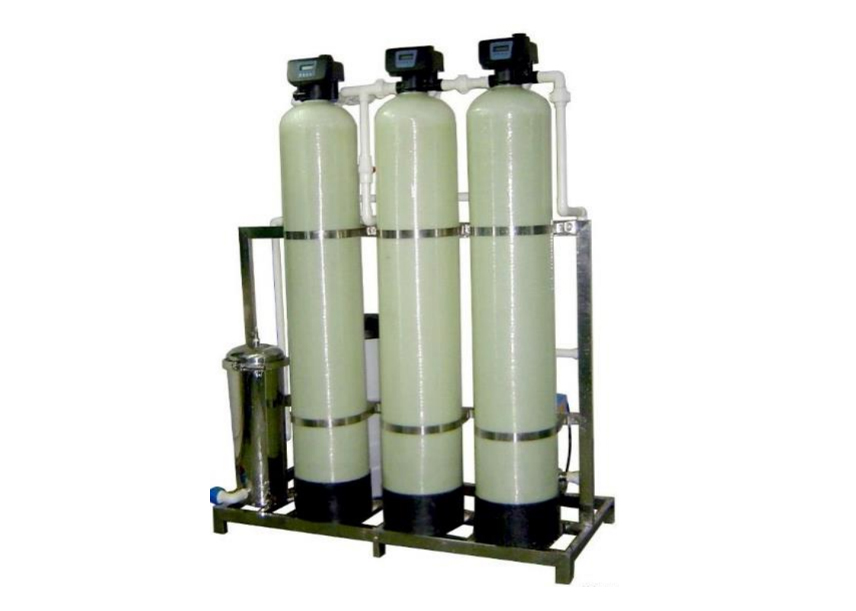
The system includes seawater booster pump, filtration system, electrolyzer group, rectifier transformer, storage & dehydrogenation tank, dosing system, PLC control and more.
| Seawater booster pump set | The seawater booster pump set provides the power source for the seawater filter and the back-end process to overcome the pressure drop. |
| Sea water filtration system |
Filter seawater to micron level to prevent large particles from entering the electrolytic cell group and affecting the electrolysis process. |
|
Electrolyzer group |
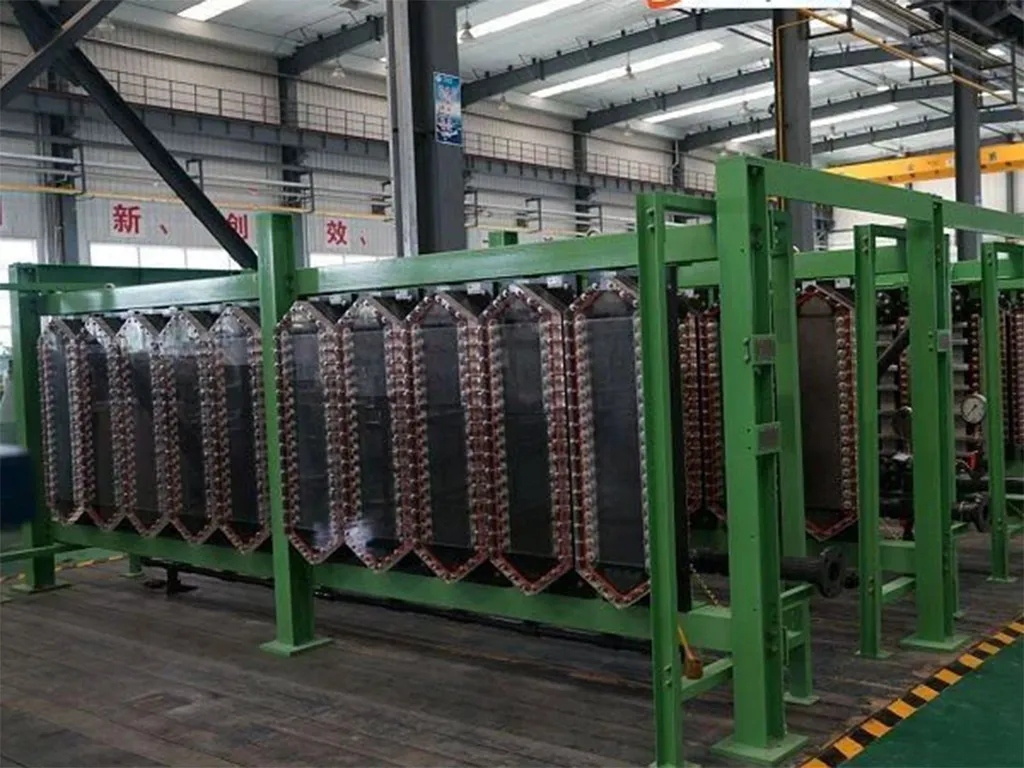
The electrolytic cell group is the core unit of the whole set of equipment. The electrolytic cell group adopts titanium-based ruthenium and iridium rare metal oxide coating. The seawater passes through the electrolytic cell group through direct current catalysis to convert seawater’s sodium chloride into sodium hypochlorite and hydrogen. |
| Rectifier transformer |
Usually a rectifier transformer in the form of a silicon controlled rectifier is used, the voltage is changed to the required voltage through the transformer, and then a thyristor is used for controlled rectification. The input AC power is converted into DC power and the positive and negative poles provide power source and output to the electrolytic cell. |
| Storage and dehydrogenation tank | The generated sodium hypochlorite solution and hydrogen enter the storage and dehydrogenation tank through the pipeline for temporary storage and dehydrogenation process. |
| Dehydrogenation fan unit | The wind unit generally adopts the 1D+1S form, which blows a large amount of air into the storage and dehydrogenation storage tank to dilute the produced hydrogen and provides a power source to discharge the diluted hydrogen to a safe discharge point. |
| Dosing pump set | Use corrosion-resistant centrifugal pump to output to the dosing point. |
| Pickling system | The raw material is diluted with 31% hydrochloric acid and used for acid washing of the temporary storage power supply solution tank group to remove the scale of the electrolytic tank group. |
|
Control System |
The central control system of the complete set of equipment is used to control the automatic start and stop of the complete set of equipment and coordinated control with the outside. |
|
Power distribution system |
Allocate power sources for motors and related electrical drive equipment. |
| Optional accessories |
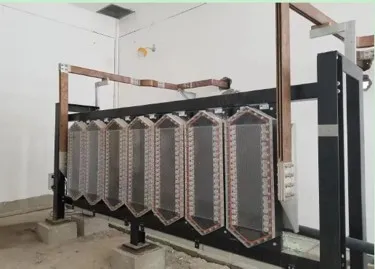
The default standard configuration of PPE electrolyzer 1. Mesh type electrolyzer (MESH) 2. Concentric circular tube electrolyzer (CTE) |
Three Core Electrolytic Cells for Seawater Electrochlorination System: CTE, PPE & MESH
Introduction
Seawater electrochlorination systems produce on-site sodium hypochlorite (NaClO) directly from natural seawater to eliminate marine biofouling in power plants, offshore platforms, desalination plants and marine cooling pipelines. The electrolytic cell acts as the core reaction unit, and three mainstream technical structures—CTE (Concentric Tubular Electrolyzer), PPE (Parallel Plate Electrolyzer), MESH (Mesh Plate Electrolyzer)—are widely adopted for differentiated working conditions. All three types adopt titanium substrates coated with MMO (mixed metal oxide) anode coating for anti-corrosion and stable chlorine output, while differing greatly in internal structure, operating characteristics, maintenance and applicable scenarios.
1. CTE (Concentric Tubular Electrolyzer)
Structural Principle
CTE features a double concentric titanium tube layout: an inner cathode tube and an outer MMO-coated anode tube. Seawater flows at high velocity through the narrow annular gap between two tubes under axial forced circulation. Bipolar electrode design ensures uniform current distribution across the tube surface for full electrolytic reaction.
Core Advantages
Self-cleaning turbulent flow: Seawater flow speed exceeds 2m/s, creating strong turbulence to wash away scale, sediment and hydrogen bubbles automatically,no regular acid washing required.
Outstanding offshore adaptability: Compact tubular structure resists vessel shaking, tilting and high vibration, fully compliant with marine platform, FPSO and shipboard standards.
Low downtime: No shutdown for acid cleaning, maintaining 24/7 continuous chlorine production without standby redundant cells.
Simple modular disassembly: Single tube module can be replaced on-site without lifting equipment, minimizing maintenance duration.
Limitations & Application Scope
Limitation: Single unit chlorine output is medium-low, not suitable for ultra-large cooling water flow above 50,000 m³/h.
Main applications: Offshore oil & gas platforms, coastal small power stations, ships, desalination intake pipelines, remote unmanned facilities.
2. PPE (Parallel Plate Electrolyzer / Flat Plate Cell)
Structural Principle
PPE consists of stacked flat solid titanium anode and cathode plates arranged in parallel with fixed tiny gaps between plates. Seawater flows horizontally through the flat gaps between electrode plates for electrochemical reaction. Standard mono-polar or bipolar stacking modular design supports capacity expansion by adding plate groups.
Core Advantages
Large single-unit chlorine yield: High-density parallel plate layout provides massive active reaction area, ideal for large-capacity land-based electrochlorination projects.
Low unit power consumption: Stable plate-to-plate current transmission reduces voltage drop, lowering overall power cost for long-term continuous operation.
Compact floor space: Vertical stacked plate design occupies smaller footprint for centralized skid-mounted systems in power plant pump houses.
Mature low-cost manufacturing: Standard flat titanium plates cut production and replacement costs compared to tubular cells.
Limitations & Application Scope
Limitation: Flat plate surfaces easily accumulate calcium/magnesium scale under low flow velocity; periodic acid cleaning (every 1–3 months) is mandatory, requiring system partial shutdown and matched acid dosing equipment.
Main applications: Large thermal power plants, nuclear power cooling water systems, coastal industrial parks, large desalination plants on land.
3. MESH (Mesh Plate Electrolyzer)
Structural Principle
MESH is an upgraded iteration of traditional PPE flat plate cells. Solid titanium plates are replaced with woven porous titanium mesh electrodes. The crisscross mesh structure forms multi-directional turbulent flow channels inside the cell, breaking seawater laminar flow and accelerating hydrogen bubble separation from electrode surfaces.
Core Advantages
Highest current efficiency among three types: Porous mesh greatly expands effective reaction contact area between seawater and electrodes, boosting NaClO conversion rate by 8–15% vs solid PPE plates.
Anti-polarization design: Mesh gaps rapidly discharge generated hydrogen gas to avoid electrode passivation and output attenuation.
Extended service life: Uniform fluid scouring reduces local scale adhesion, cutting acid washing frequency by half compared with standard PPE cells.
Flexible output matching: Mesh modules support flexible combination for medium-large flow cooling water systems with medium seawater salinity.
Limitations & Application Scope
Limitation: Mesh titanium raw material cost is higher than solid flat plates; not recommended for extremely turbid seawater with heavy suspended sediment (risk of mesh pore blockage).
Main applications: Medium & large thermal power plants, circulating cooling water systems, coastal chemical plants, aquaculture disinfection water treatment.
Brief Comparison Summary
Offshore, vibration-prone, unmanned sites with minimal maintenance demand → Choose CTE
Large land-based power plants, maximum chlorine output, acceptable regular acid cleaning → Choose PPE
Medium-large land projects pursuing high energy efficiency and reduced maintenance frequency → Choose MESH
Application areas:
Widely used in power plants, petrochemical industry, seawater desalination, offshore platforms, shipboard & marine biofouling prevention.
| Electricity | Sea water lifts structures and kills marine life |
| Circulating water treatment | |
| Industry |
Petroleum and chemical circulating water treatment |
Boasting 25 years of professional industry experience in production and supply, Chlory factory delivers premium,cost-effective chemical products with reliable quality. Worldwide exported to more than 50 countries, including Italy, USA, Saudi, Africa and other countries and some foreign companies are our agents locally. Equipped with fully automatic production systems and scientific modular production line design, we achieve stable output, high efficiency and low energy consumption while strictly complying with industrial standards. Different from ordinary manufacturers, Chlory provides flexible customized services tailored to diverse customer needs on product specifications, packaging and solutions. With direct factory pricing and optimized production processes, we help clients cut procurement costs and obtain high-quality, stable chemical supplies with comprehensive professional support.