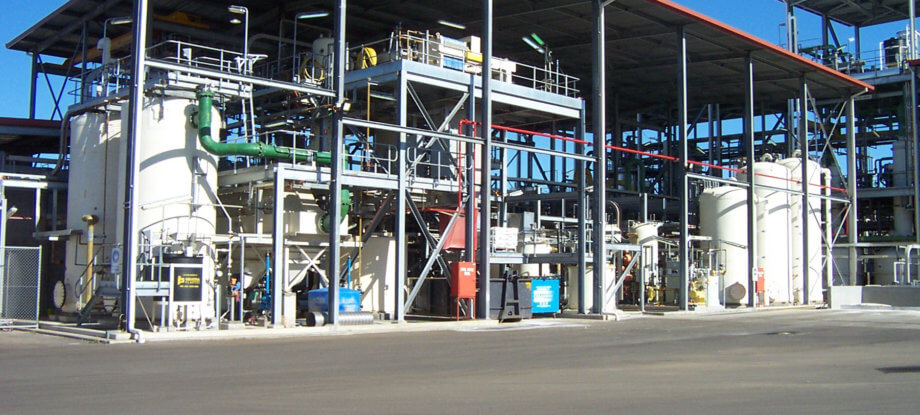
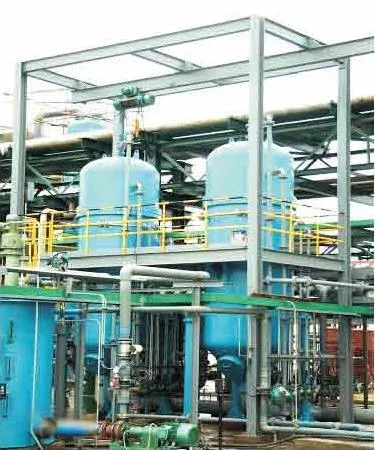
Product Introduction
The ion exchange resin process for secondary brine refining is a critical procedure in the chlor‑alkali industry. It removes impurities from brine to ensure stable electrolyzer operation. The main process steps and key points are as follows:
Process Purpose
Impurity removal: Mainly remove cations such as calcium, magnesium and iron, as well as anions including sulfate and chlorate.
Improve brine purity: Guarantee the brine fed into electrolyzers meets high‑purity standards.
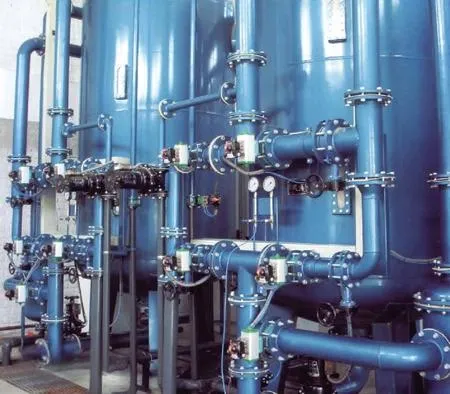
Process Flow
Primary brine purification: Preliminary removal of suspended solids and large particulate impurities.
Secondary brine refining: Further remove residual impurities by ion exchange resins.
Types of Ion Exchange Resins
Cation exchange resin: Removes calcium, magnesium, iron and other cations; normally strongly acidic cation resin.
Anion exchange resin: Removes sulfate, chlorate and other anions; normally strongly basic anion resin.
Operating Steps
Adsorption: Brine flows through the resin bed, and impurity ions are adsorbed onto the resin.
Regeneration: After resin saturation, cation resin is regenerated with acid (e.g. hydrochloric acid), and anion resin with alkali (sodium hydroxide).
Rinsing: Rinse the resin with water after regeneration to wash away residual regenerant.
Return to service: Regenerated resin can be reused for brine refining.
Key Control Parameters
Flow rate: Regulate the velocity of brine passing through the resin bed.
Temperature: Maintain suitable operating temperature.
Regenerant concentration: Control the concentration and dosage of regenerants.
Resin bed height: Keep proper resin bed height to achieve sufficient contact.
Advantages
-
Deep removal of various ionic impurities
-
Flexible operation: Process parameters adjustable as required
-
Long service life: Resin can be regenerated repeatedly
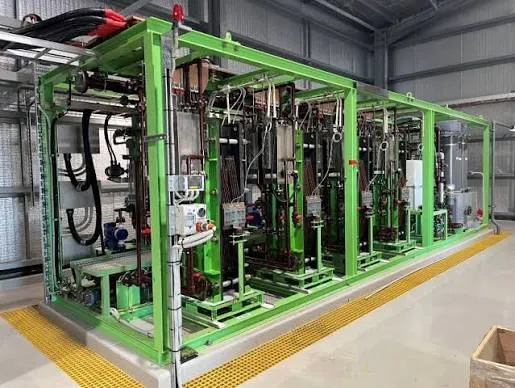
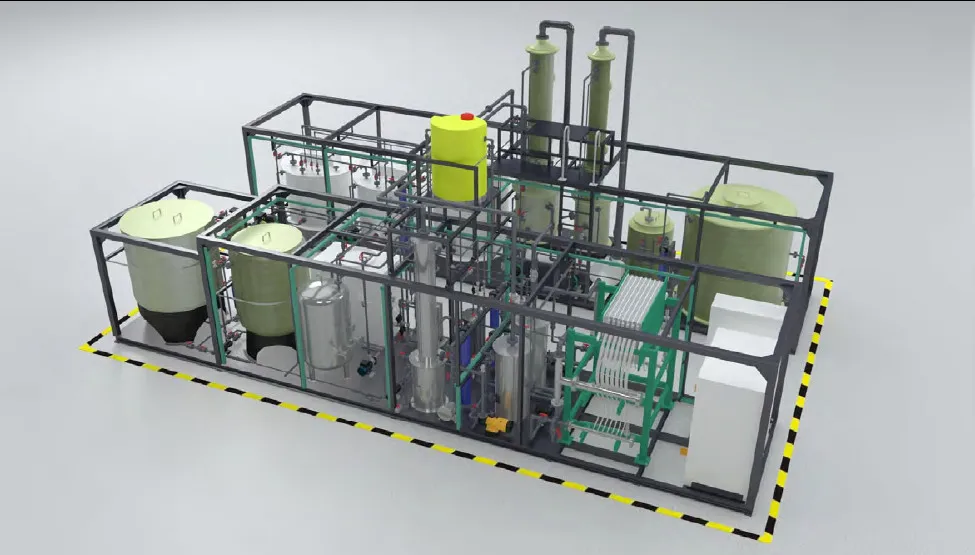
Features: Three‑tower series process supports online switching for continuous operation; PLC or DCS automatic control is optional; separate recovery of regeneration wastewater, waste acid, waste alkali and waste brine can be realized to reduce energy consumption and operating costs and boost economic benefits for enterprises.
Precautions
Resin fouling: Avoid resin contamination by organics and suspended solids.
Regenerant selection: Select proper regenerants to prevent side reactions.
Equipment maintenance: Inspect equipment regularly to avoid leakage and blockage.
Application Fields
Chlor‑alkali industry: For preparation of high‑purity brine.
Other chemical industries: Pharmaceuticals, food processing, etc.
The ion exchange resin process for secondary brine refining effectively removes brine impurities via adsorption, regeneration and other steps to secure electrolyzer operation. Rational control of process parameters and regular equipment maintenance are vital to stable process performance.
Boasting 25 years of professional industry
experience in production and supply, Chlory factory delivers
premium,cost-effective chemical products with reliable quality. Worldwide
exported to more than 50 countries, including Italy, USA, Saudi, Africa and
other countries and some foreign companies are our agents locally. Equipped
with fully automatic production systems and scientific modular production line
design, we achieve stable output, high efficiency and low energy consumption
while strictly complying with industrial standards. Different from ordinary
manufacturers, Chlory provides flexible customized services tailored to
diverse customer needs on product specifications, packaging and solutions. With
direct factory pricing and optimized production processes, we help clients cut
procurement costs and obtain high-quality, stable chemical supplies with
comprehensive professional support.