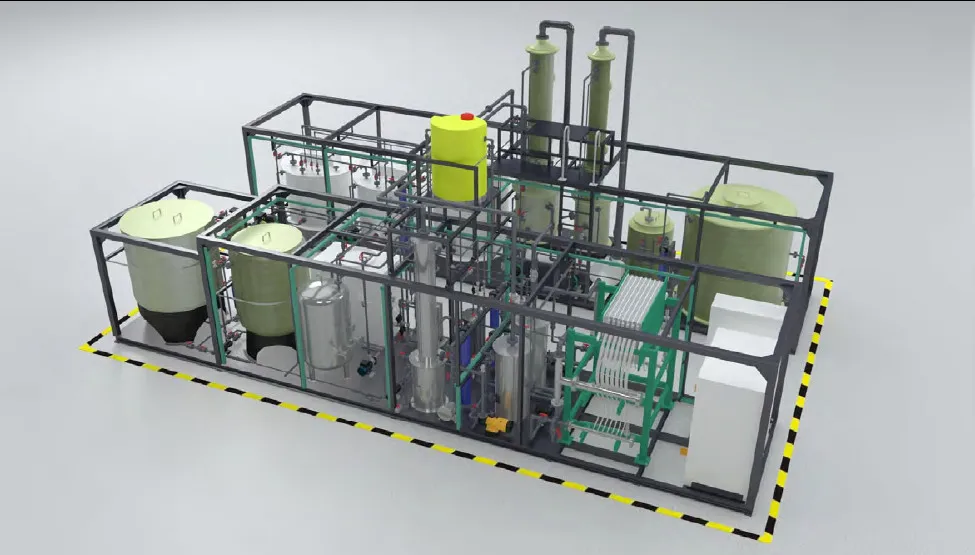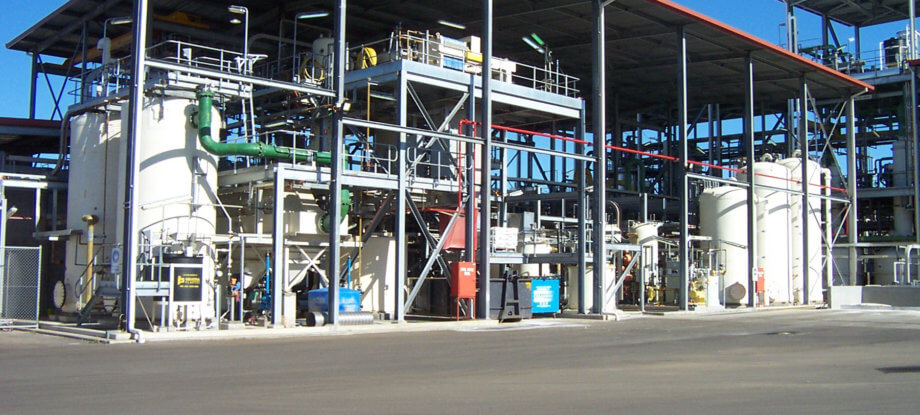
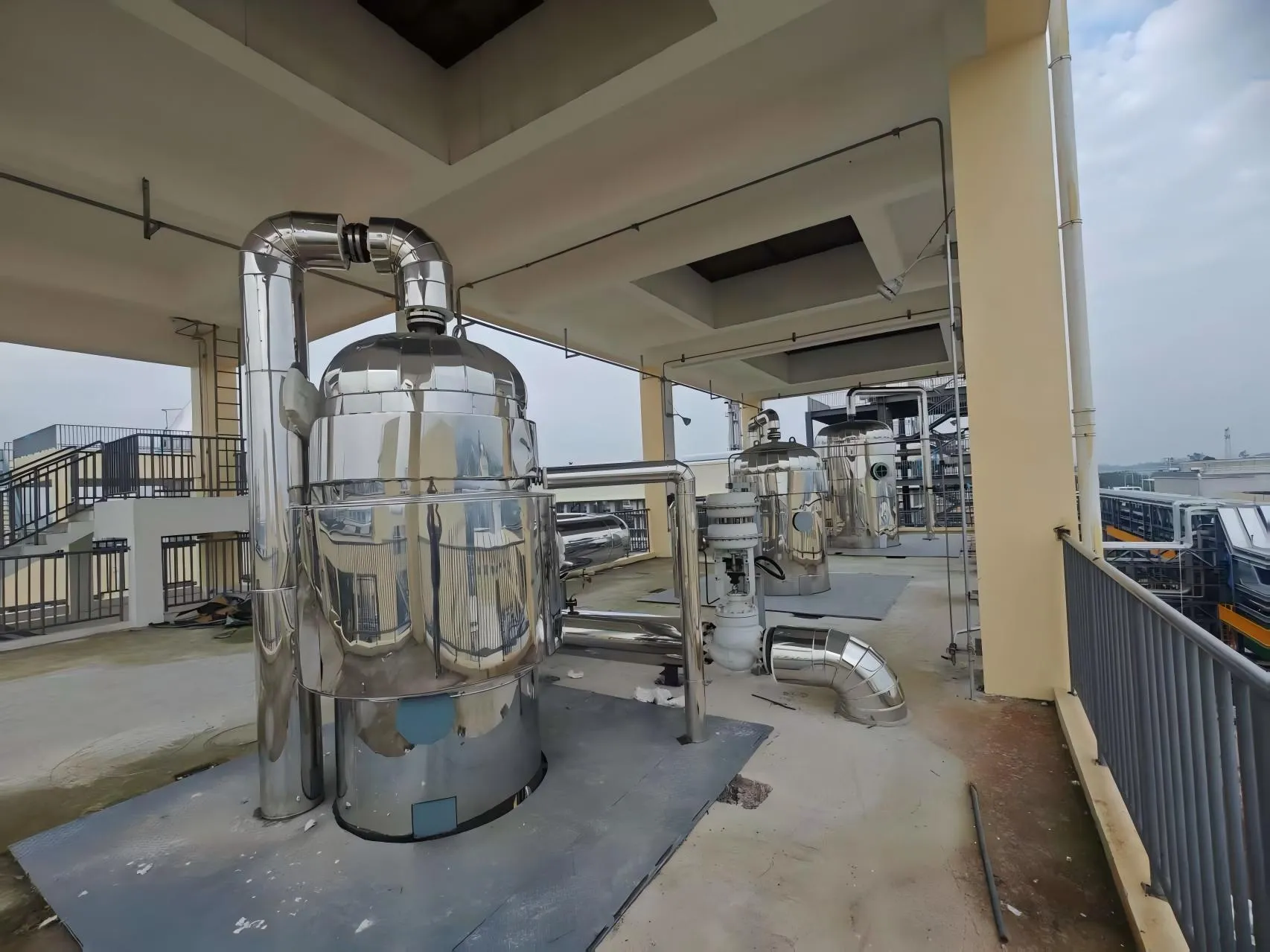
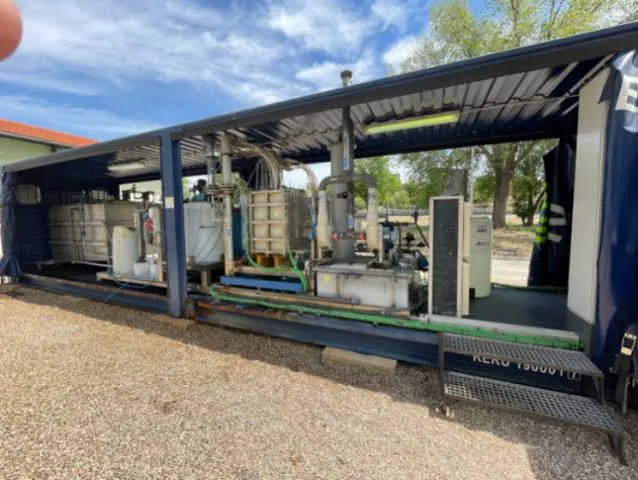
For chemical plant investors, daily chemical factories and chlor-alkali project contractors, stable high-purity solid caustic soda output directly cuts raw material purchasing costs and boosts downstream product quality. Chlory has spent over 20 years building full-set brine electrolysis & caustic flake forming equipment, delivering turnkey production lines that make 32%/50% liquid caustic soda and final 99% solid flake sodium hydroxide in one integrated system.
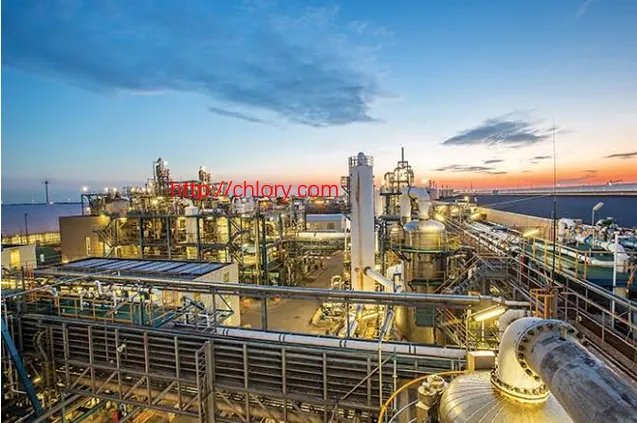
Core Production Flow From Raw Salt To Finished 99% Caustic Flake
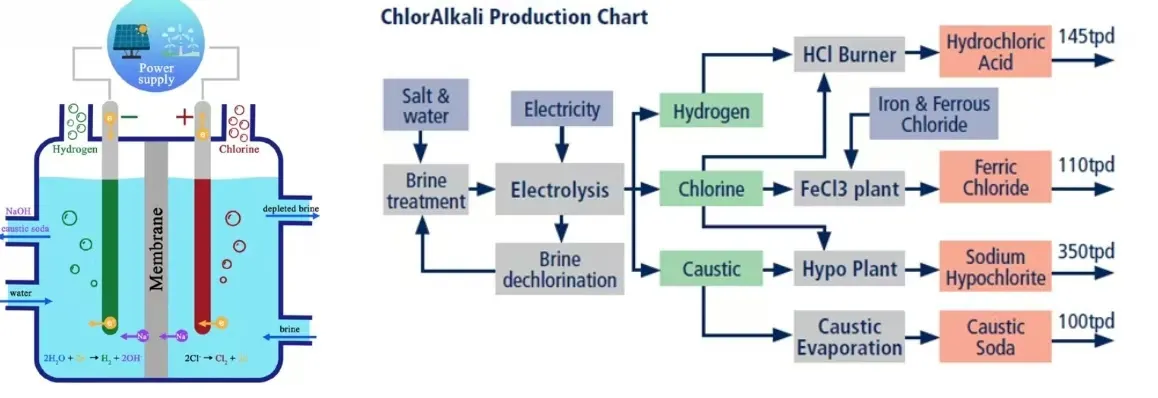
Our full process eliminates fragmented third-party equipment matching, all units are engineered and assembled in-house for seamless continuous operation. Every stage is controlled by Siemens DCS automatic system to stabilize product purity above 99%.
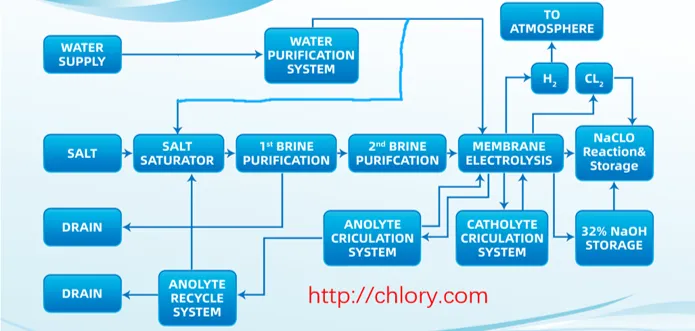
- Raw Salt & Multi-Stage Brine Purification Crude industrial salt dissolves into saturated brine first. We add precipitation agents to strip calcium, magnesium and sulfate impurities, then pass fluid through chelated resin towers to lower trace contaminants below 20ppb. Clean refined brine prevents ion membrane blockage and extends electrolyzer service life by more than 12 years.
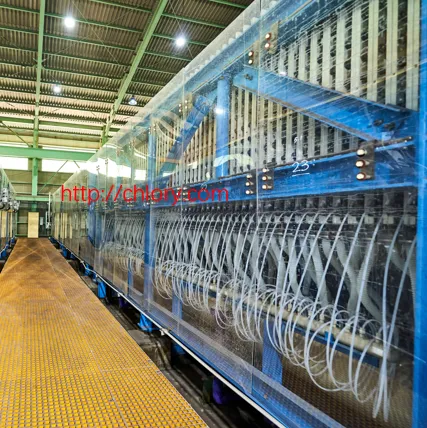
- Ion Membrane Electrolysis Core Unit Purified brine flows into zero-gap titanium electrolyzers loaded with imported Dupont cation exchange membranes. Under DC power input, three core byproducts generate simultaneously: chlorine gas, hydrogen gas and 32% liquid caustic soda solution. The selective membrane stops cross-reaction between chlorine and alkali, keeping salt residue inside liquid alkali under 60ppm. Full electrolysis chemical reaction: 2NaCl + 2H₂O →2NaOH + Cl₂↑+ H₂↑
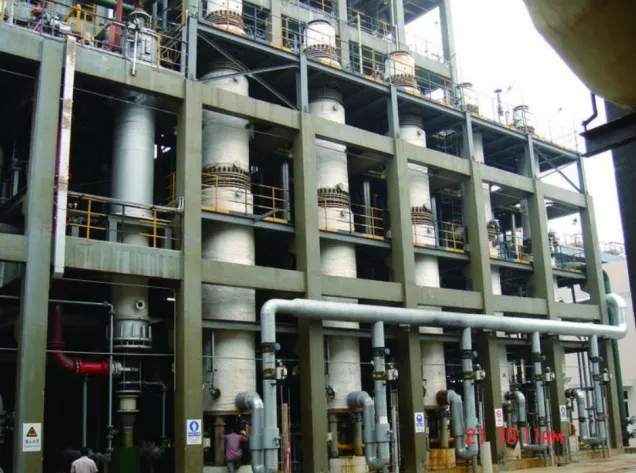
- Multi-Effect Evaporation Concentration Raw 32% liquid caustic soda runs through multi-effect falling film evaporators to cut water content step by step. The system first concentrates fluid to 50% liquid alkali for direct sales, then heats the medium-concentration alkali with molten salt heat source to form 99% molten caustic soda at high temperature.
- Drum Flaking & Finished Packaging Hot molten NaOH evenly coats the cooled stainless flaking drum surface. Within seconds the liquid solidifies, and adjustable scraper blades peel uniform 0.8–2mm thick caustic flakes. Cooled finished products directly feed automatic weighing & moisture-proof packaging machines to avoid deliquescence during storage and transportation.
- Auxiliary Byproduct Recycling System Chlorine separated from electrolysis can be processed into liquid chlorine, 32% hydrochloric acid or 15% sodium hypochlorite on matching supporting units. Hydrogen gas can be recycled as heating fuel for evaporators to slash overall plant power and steam consumption.
Key Product Specifications From Our Turnkey Lines
Clients can customize daily output from 1 ton to 100 tons of 99% caustic flakes according to local market demand, with flexible concentration switching for liquid alkali intermediate products.
|
End Product |
Concentration Standard |
Main Industrial Usage |
|
Solid Caustic Soda Flake |
≥99% Purity, NaCl ≤0.06% |
Soap & detergent production, metallurgy, fine chemical synthesis |
|
Liquid Caustic Soda |
32% / 50% |
Papermaking, textile mercerization, water treatment |
|
Liquid Chlorine |
≥99.5% |
PVC resin, pesticide raw materials, industrial disinfection |
|
High-Purity Hydrochloric Acid |
31–33% |
Metal surface cleaning, chemical intermediate production |
|
15% Sodium Hypochlorite Solution |
Stable available chlorine |
Factory workshop disinfection, industrial wastewater oxidation |
Real-World Advantages Of Chlory’s Flake Caustic Production Equipment
1. Low Operation Cost, High Raw Material Tolerance
Most competing chlor-alkali lines demand high-purity refined salt above 99.8%, which raises long-term raw material expenses. Our optimized DSA coated titanium anode design supports ordinary industrial salt with purity over 89%, cutting monthly salt procurement expenditure significantly. Per ton finished flake caustic only consumes 1.7kg industrial salt and controlled DC power; many of our overseas clients recover full equipment investment within 13 months under normal continuous production.
2. Full Safety Interlock & Unattended Automatic Operation
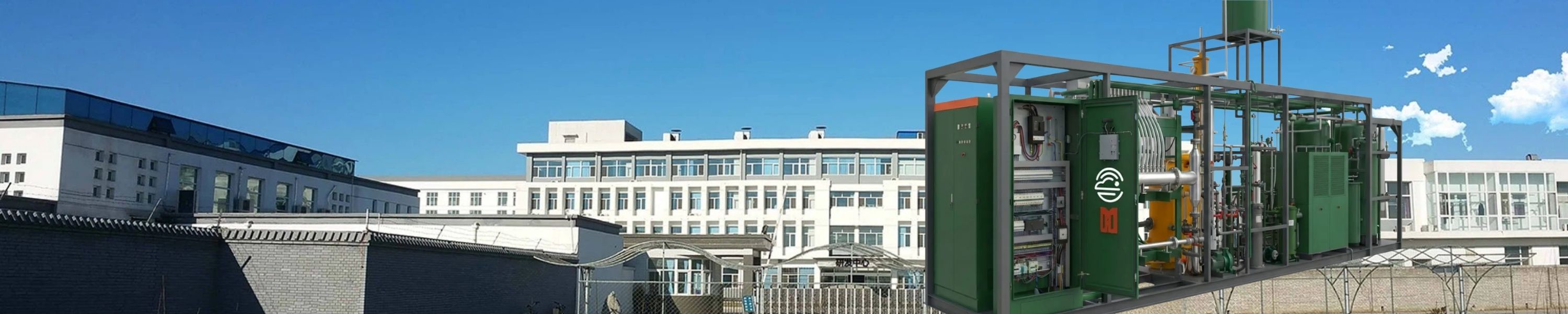
The whole skid-mounted plant is fitted with 24/7 real-time sensors tracking liquid level, working temperature, pipeline pressure, hydrogen and chlorine leakage data. Once abnormal parameters trigger, UPS backup power activates emergency shutdown instantly to avoid explosion or corrosive leakage risks. All control valves, feeding pumps and flaker speed regulators link to central DCS cabinet. One single operator can monitor the entire production workshop remotely, drastically cutting manual labor costs compared with old-fashioned intermittent caustic production equipment.
3. Corrosion-Resistant Core Components For Long Service Life
Parts touching hot concentrated alkali, chlorine and brine all adopt anti-corrosion special materials: titanium alloy electrolyzer plates, nickel evaporator tubes, FRP brine pipelines and graphite hydrochloric acid synthesis furnaces. Key consumables like ion membranes carry over 12 years service life under standard daily operation, reducing frequent replacement downtime.
4. Modular Skid Design, Easy Site Installation
Small and medium capacity sets come fully pre-assembled on integrated aluminum alloy frames, pre-wired with electrical circuits and pre-connected process pipelines. When delivered to client factory sites, workers only need to connect salt raw material pipelines, power supply and finished product conveying lines to start trial production within 3–7 days, shortening plant construction cycle greatly.
Standard Model Parameter Table For Reference
We offer standard BSHH series electrolysis units, and provide personalized engineering design for daily flake caustic output exceeding 30 tons.
|
Model |
Chlorine Output(kg/h) |
10% NaClO Yield(kg/h) |
Salt Consumption(kg/h) |
DC Power(kW.h) |
Floor Area(m²) |
Total Weight(t) |
|
BSHH-100 |
0.5 |
5 |
0.9 |
1.15 |
15 |
0.5 |
|
BSHH-200 |
1 |
10 |
1.8 |
2.3 |
20 |
0.8 |
|
BSHH-1000 |
5 |
50 |
9 |
11.5 |
100 |
5 |
|
BSHH-1600 |
7.5 |
75 |
13.5 |
17.25 |
200 |
6 |
|
BSHH-2200 |
10 |
100 |
18 |
23 |
200 |
8 |
|
BSHH-3200 |
15 |
150 |
27 |
34.5 |
200 |
10 |
|
BSHH-4200 |
20 |
200 |
36 |
46 |
350 |
12 |
|
BSHH-6300 |
30 |
300 |
54 |
69 |
500 |
15 |
Wide Industry Application Scenarios For Our Caustic Flake Lines
Clients running this turnkey project can sell multiple co-produced chemicals to different downstream manufacturers to balance market fluctuation risks:
- Daily Chemical Industry: Supply 99% caustic flakes for soap base, laundry detergent and cosmetic raw material factories
- Papermaking & Textile: Provide 32%/50% liquid alkali for pulp cooking and fabric mercerization procedures
- Metallurgical & Mineral Processing: High-purity solid alkali for alumina extraction and rare metal refining
- Water Treatment & Municipal Works: Matching sodium hypochlorite generation unit for urban sewage disinfection and cooling tower anti-biofouling
- Fine Chemical & Pharmaceutical: Liquid chlorine and hydrochloric acid as core synthesis raw materials for drug intermediates
Why Choose Chlory As Your Caustic Soda Production Line Supplier
We focus solely on chlor-alkali electrolysis and disinfection equipment manufacturing for two decades, not a trading company reselling third-party machines.
- Full EPC Turnkey Support: Cover brine refining design, electrolyzer production, evaporation & flaking unit assembly, DCS control system matching and on-site installation guidance
- Localized After-Sales Team: Arrange professional chemical engineers to client factories for equipment commissioning, worker operation training and long-term troubleshooting, instead of only remote online support
- Customized Layout Service: Adjust equipment layout according to client factory plant size, local power grid voltage and raw salt quality index
- Complete Compliance Documentation: Provide production flow certificates, material test reports and equipment safety inspection files for local industrial authority registration
- Flexible Capacity Upgrade: Reserve expansion interfaces on all standard skid units, clients can add electrolyzer modules later without replacing the whole production line
Conclusion
For chemical plant investors looking to produce self-made high-purity 99% caustic soda flakes and attached chlor-alkali byproducts, ion membrane electrolysis turnkey lines from Chlory deliver stable output, lower long-term operating cost and full-process safety control. Our modular skid equipment fits small startup factories and large-scale chemical parks alike, with customizable daily production capacity to match regional market demand. Send us your planned daily output, local salt raw material parameters and factory plant dimensions, our technical team will draw a free personalized process layout and cost budget within 24 working hours.
Boasting 25 years of professional industry experience in production and supply, Chlory factory delivers premium,cost-effective chemical products with reliable quality. Worldwide exported to more than 50 countries, including Italy, USA, Saudi, Africa and other countries and some foreign companies are our agents locally. Equipped with fully automatic production systems and scientific modular production line design, we achieve stable output, high efficiency and low energy consumption while strictly complying with industrial standards. Different from ordinary manufacturers, Chlory provides flexible customized services tailored to diverse customer needs on product specifications, packaging and solutions. With direct factory pricing and optimized production processes, we help clients cut procurement costs and obtain high-quality, stable chemical supplies with comprehensive professional support.