



Product Overview
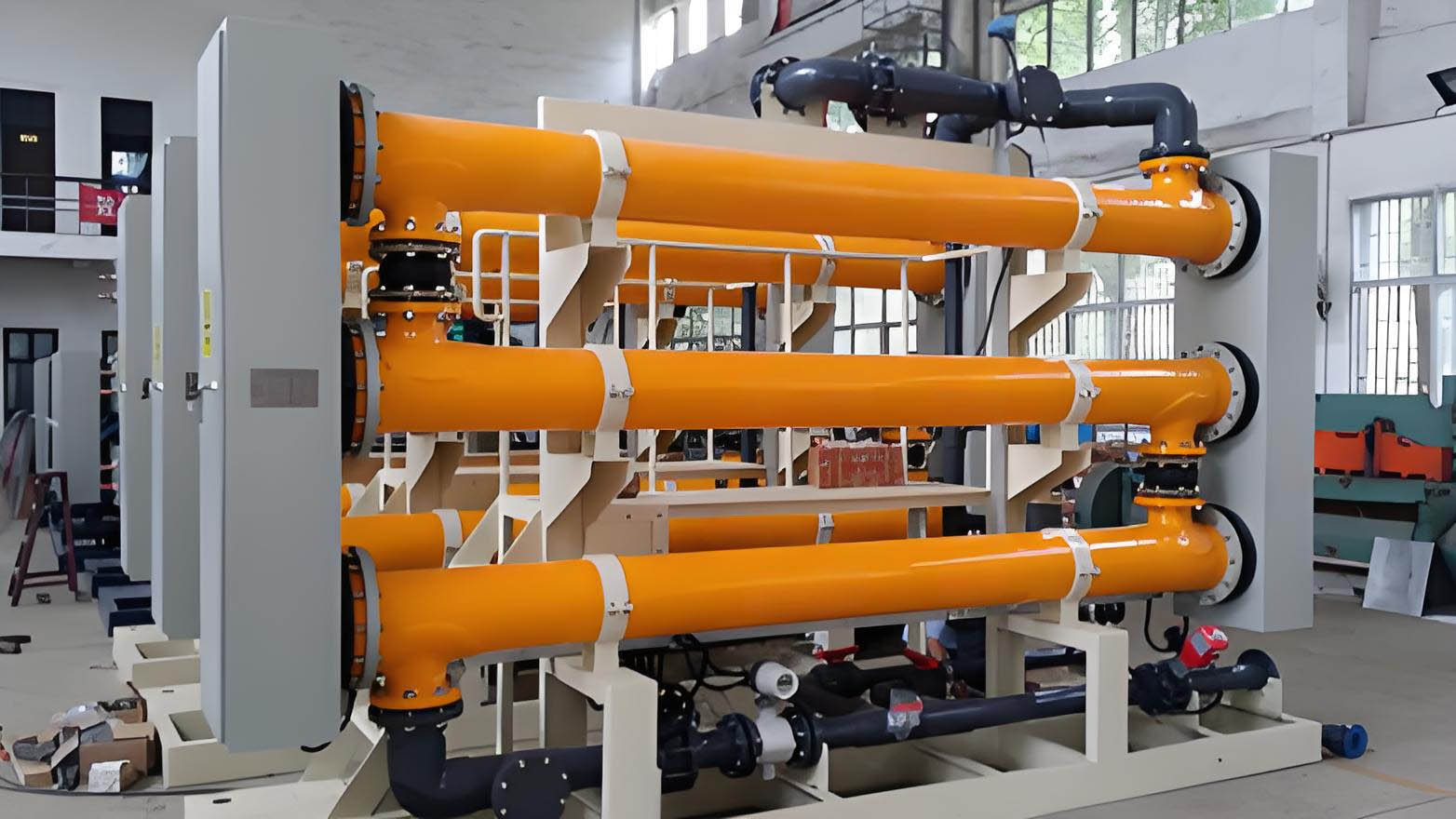
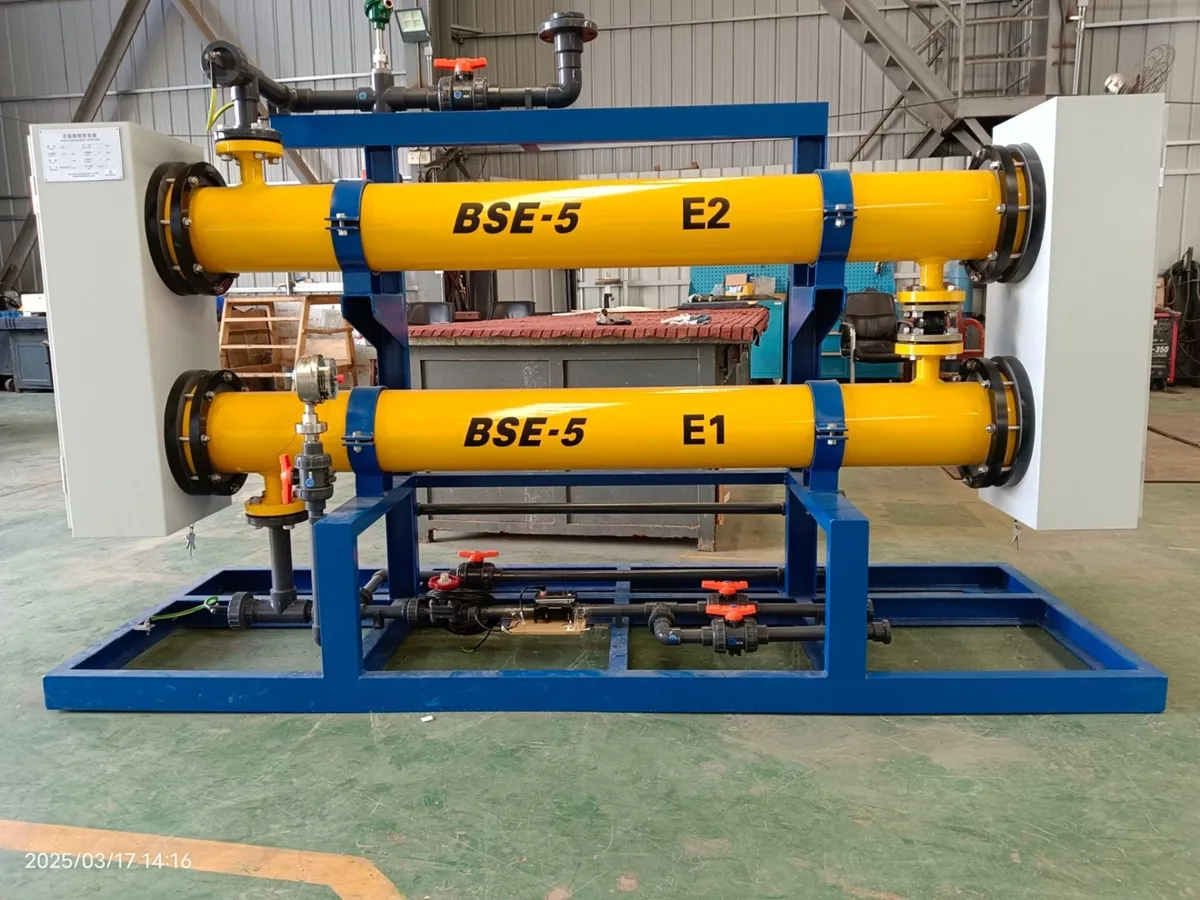
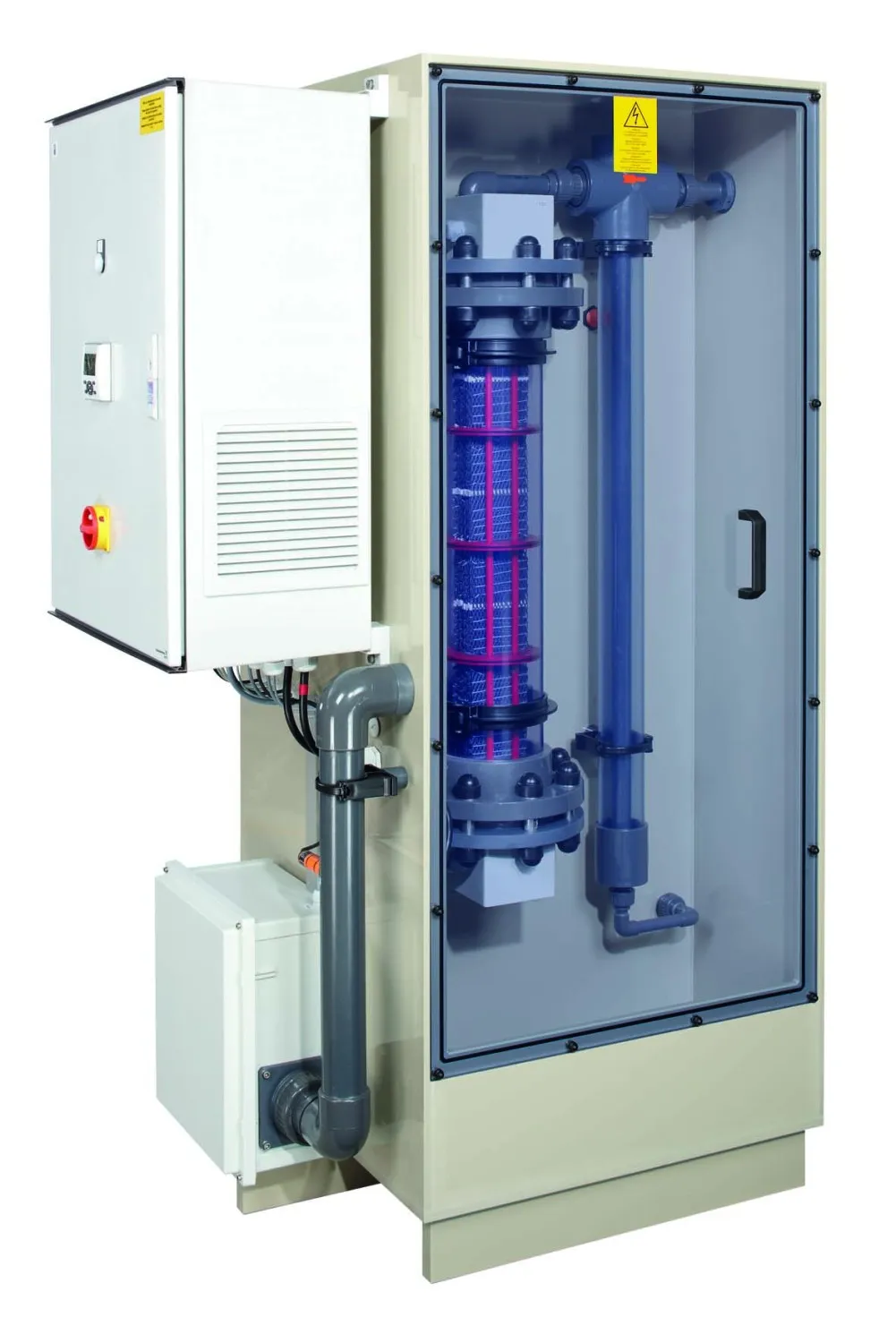
Chlory MESH Electrolysis Cell is a premium seawater electrochlorination solution designed for industrial water treatment, marine anti-fouling, and on-site sodium hypochlorite (NaClO) generation. As a core component of electrochlorination systems, it leverages advanced mesh electrode technology to directly convert natural seawater into high-quality sodium hypochlorite—no additional NaCl raw material required.
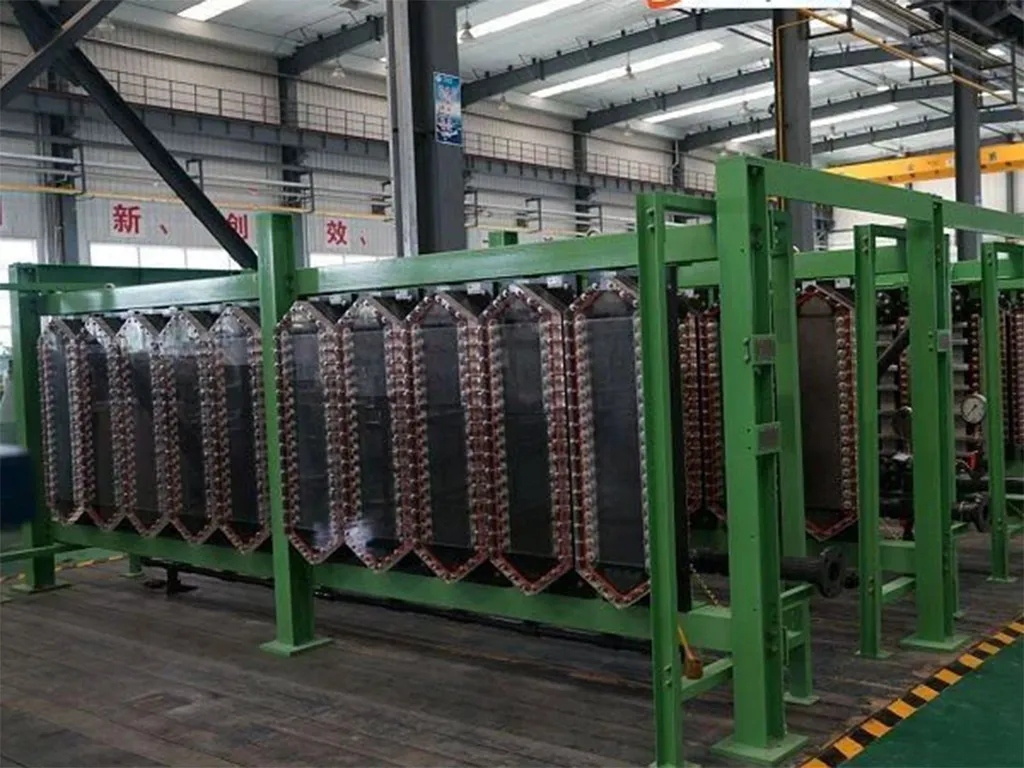
This eliminates the high costs, safety risks, and logistical challenges of purchasing, transporting, and storing liquid sodium hypochlorite. With 1-cell, 3-cell, and 6-cell modular configurations, our mesh electrolyzers deliver reliable performance across coastal power plants, petrochemical facilities, desalination plants, and offshore projects worldwide. Backed by rigorous quality control and global after-sales support, Chlory’s mesh electrolysis cells are trusted by industrial operators for their energy efficiency, long service life, and low maintenance requirements.
Key Product Advantages
1. High-Efficiency Mesh Electrode Design
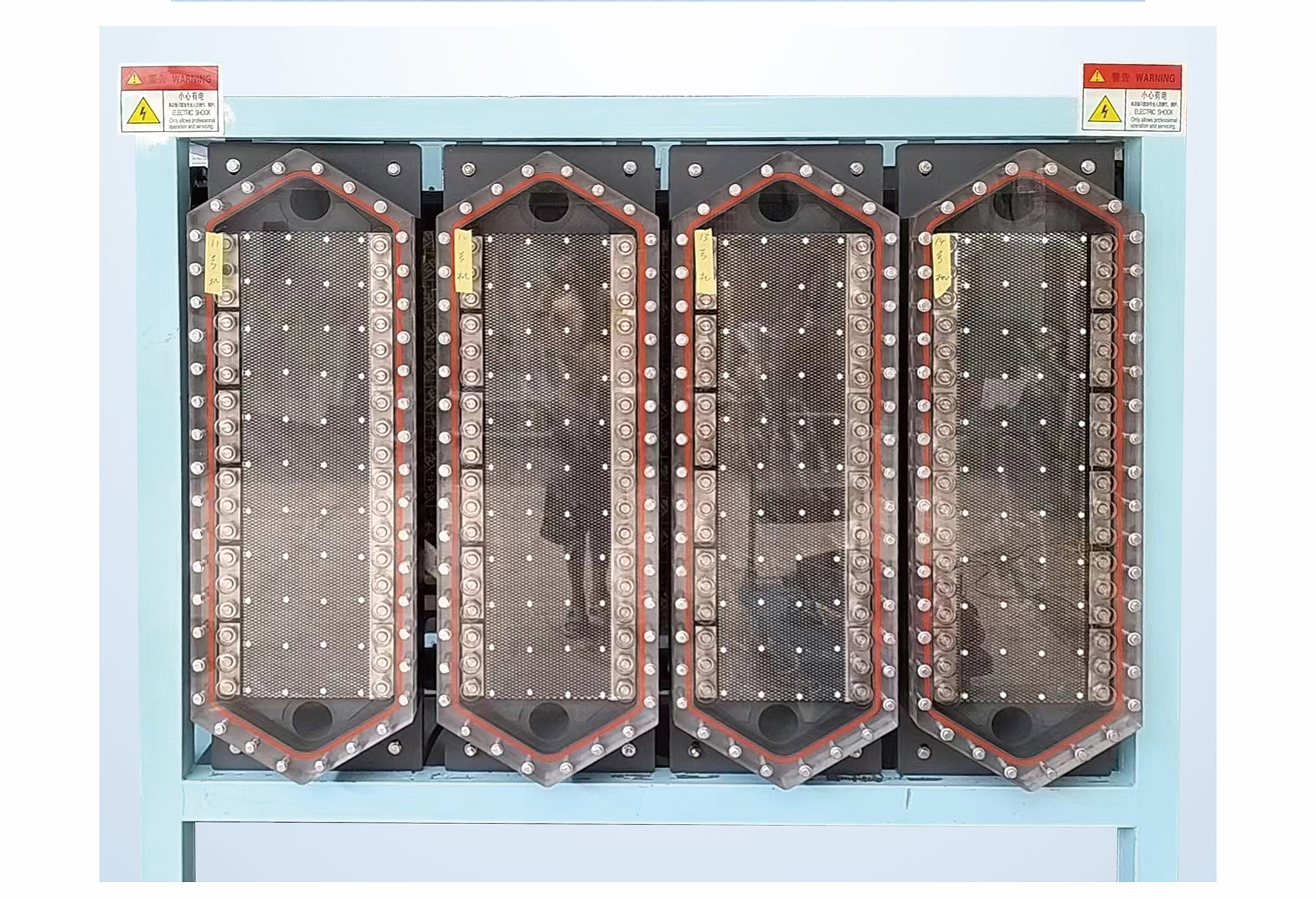
Our proprietary mesh electrode structure optimizes seawater flow field distribution, ensuring uniform electrochemical reaction and 30% higher electrolysis efficiency compared to traditional plate electrolyzers. This delivers consistent, high-purity sodium hypochlorite output for continuous industrial operation.
2. Industry-Leading Energy Efficiency
With optimized circuit design and premium ruthenium-iridium coated titanium electrodes, our mesh electrolysis cells reduce power consumption by 20% vs. industry averages. Direct seawater feeding further cuts operational costs by over 60% compared to purchasing liquid sodium hypochlorite, with a typical ROI of under 2 years for large-scale applications.
3. Exceptional Corrosion Resistance & Long Service Life
Manufactured with high-grade titanium substrates and specialized anti-corrosion coatings, our electrolytic cells withstand harsh high-salt seawater environments, with an electrode service life of 5+ years. This minimizes replacement frequency, reduces maintenance costs, and ensures long-term stable operation.
4. Modular, Easy-to-Maintain Design
All models feature a standardized modular design with a fixed 1270×403mm footprint (only thickness varies by model), simplifying installation, transportation, and system integration. Daily maintenance requires no specialized technical teams, with quick disassembly for routine cleaning and inspection.
5. Environmentally Friendly, Zero Secondary Pollution
The on-site electrochlorination process produces no harmful byproducts, eliminating the environmental risks associated with chemical transportation and storage. Our solution fully complies with global industrial environmental standards for sustainable water treatment.
Technical Principle
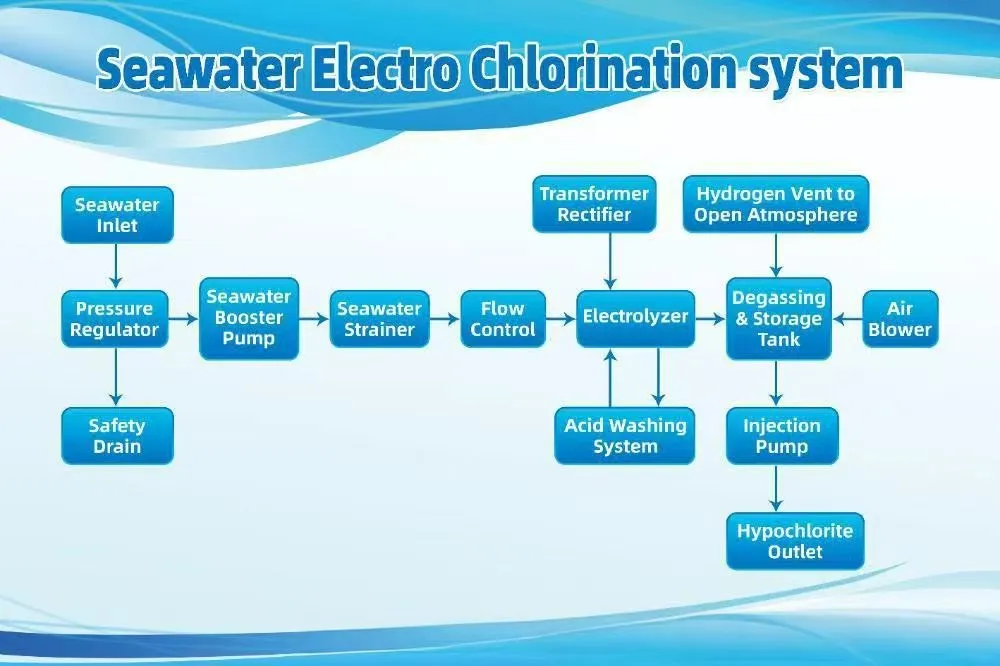
The Chlory MESH Electrolysis Cell operates on the principle of seawater electrolysis to generate sodium hypochlorite on-site. Natural seawater (containing naturally occurring sodium chloride) is fed into the electrolytic cell, where an electric current drives an electrochemical reaction across the mesh electrodes:
2NaCl + 2H₂O → 2NaOH + H₂↑ + Cl₂↑
Cl₂ + 2NaOH → NaClO + NaCl + H₂O
The unique mesh flow channel design accelerates bubble removal, prevents polarization loss, and ensures uniform seawater flow, maximizing reaction efficiency and consistent sodium hypochlorite output. This technology is the gold standard for industrial seawater electrochlorination, trusted for its reliability and cost-effectiveness.
Application Scenarios
1. Power Generation Industry
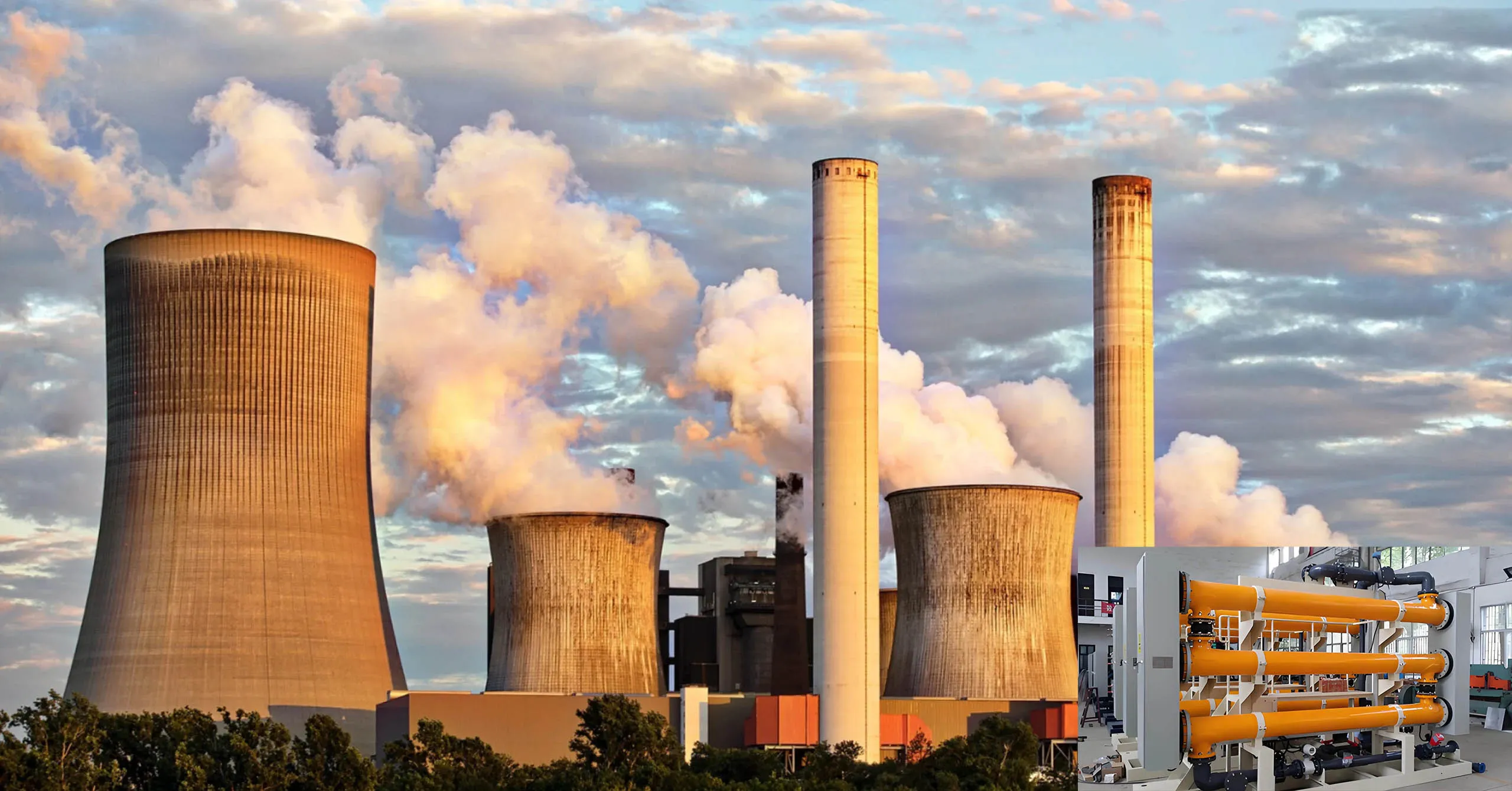
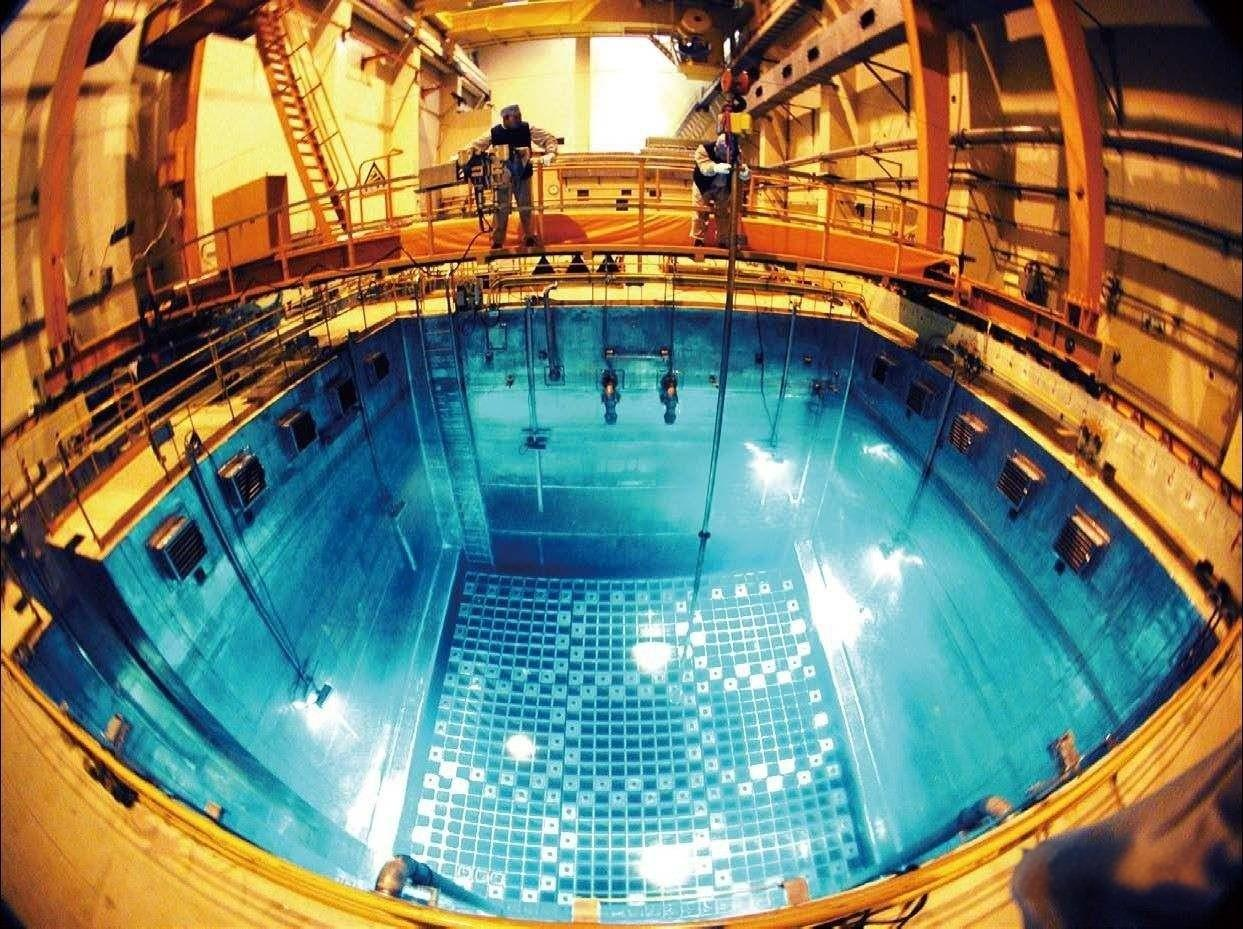
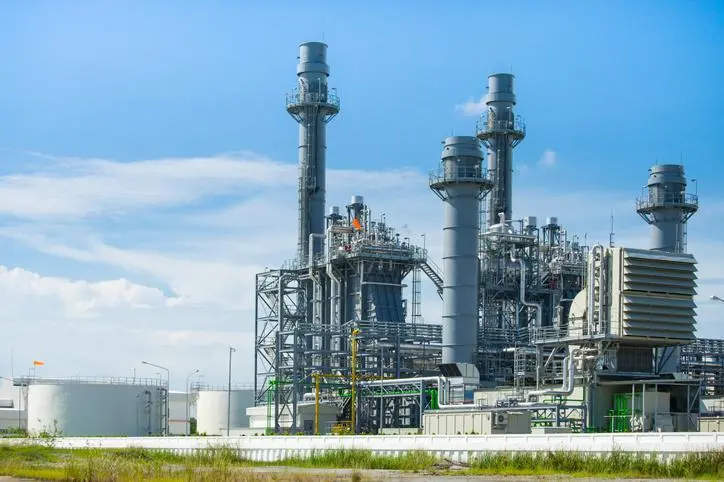
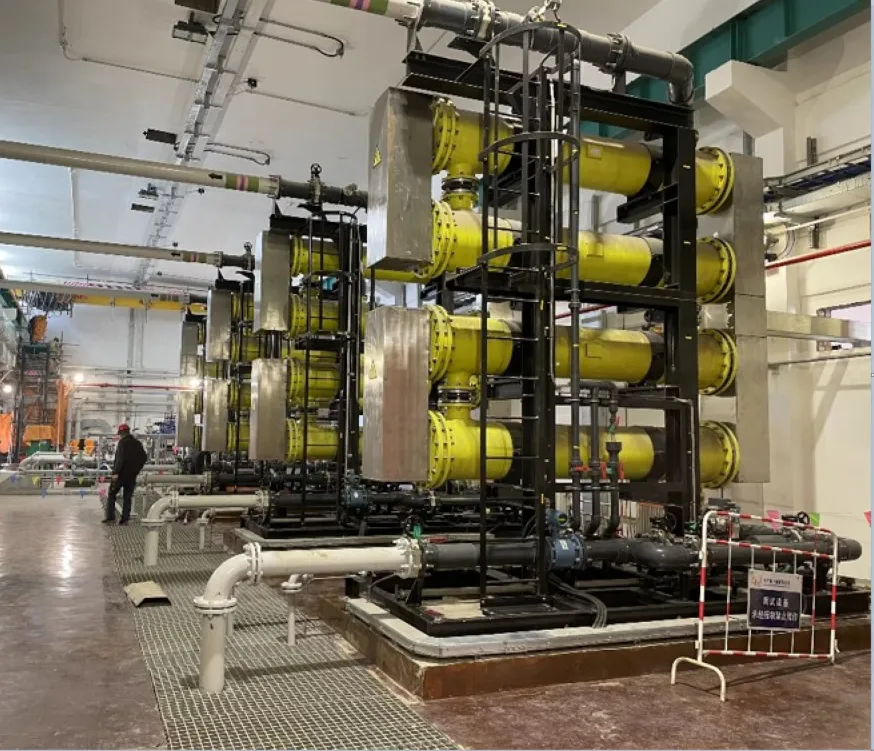
Ideal for coastal thermal power plants and nuclear power facilities, our mesh electrolysis cells prevent marine organism fouling in condenser cooling water pipes. This maintains heat exchange efficiency, reduces power generation energy consumption, and avoids costly shutdowns from pipe blockages.
2. Petrochemical & Offshore Oil & Gas
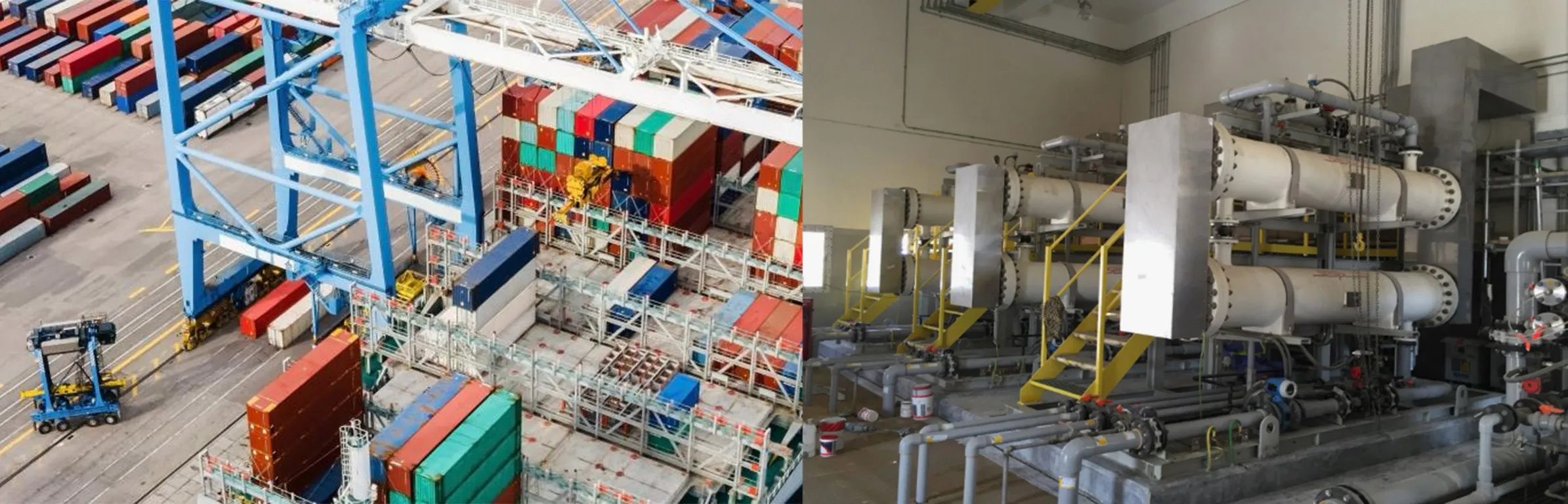
Deployed on offshore oil platforms, pipelines, and storage tanks, our electrochlorination systems provide reliable anti-corrosion and anti-fouling protection. On-site sodium hypochlorite generation eliminates the safety hazards of chemical transportation, meeting the strict safety requirements of the petrochemical industry.
3. Desalination Plants
Our mesh electrolyzers deliver effective pre- and post-treatment sterilization for desalination facilities, adapting to high-salt, high-corrosion environments. The generated sodium hypochlorite ensures desalinated water meets drinking and industrial water standards without secondary pollution.
4. Marine & Offshore Projects
Perfect for ship hulls, offshore wind platforms, and coastal infrastructure, our 1-cell and 3-cell electrolytic cells provide efficient marine anti-fouling. Using seawater as a raw material, they prevent barnacle and algae attachment, reduce vessel drag, and cut fuel consumption.
Complete Technical Specifications (Google-Friendly, Structured)
MESH Electrolysis Cell Model Lineup
Chlory offers three core configurations (1-Cell, 3-Cell, 6-Cell) to match all industrial capacity requirements:
| Parameter | Unit | 6-Cell Series | 3-Cell Series | 1-Cell Series | |||||||||
|---|---|---|---|---|---|---|---|---|---|---|---|---|---|
| SRSM-30/6 | SRSM-60/6 | SRSM-120/6 | SRSM-240/6 | SRSM-320/6 | SRSM-300/3 | SRSM-360/3 | SRSM-75/1 | SRSM-150/1 | SRSM-300/1 | SRSM-330/1 | SRSM-400/1 | ||
| Available Chlorine (Cl₂) | kg/h | 0.57 | 1.13 | 2.27 | 4.54 | 6.05 | 5.67 | 6.80 | 1.42 | 2.84 | 5.67 | 6.24 | 7.56 |
| Hydrogen (H₂) Output | m³/h | 0.2 | 0.4 | 0.7 | 1.4 | 1.9 | 1.8 | 2.1 | 0.4 | 0.9 | 1.8 | 2.0 | 2.4 |
| Outlet Available Chlorine Concentration | ppm | 60 | 120 | 170 | 170 | 180 | 210 | 200 | 160 | 210 | 210 | 230 | 220 |
| DC Current | A | 100 | 185 | 365 | 730 | 960 | 1800 | 2160 | 1375 | 2750 | 5500 | 6050 | 7200 |
| DC Voltage | V | 27 | 27 | 27 | 27 | 27 | 13.5 | 13.5 | 4.5 | 4.5 | 4.5 | 4.5 | 4.5 |
| Dimensions (L×W×T) | mm | 1270×403×203 | 1270×403×204 | 1270×403×217 | 1270×403×248 | 1270×403×219 | 1270×403×248 | 1270×403×219 | 1270×403×204 | 1270×403×218 | 1270×403×255 | 1270×403×255 | 1270×403×270 |
| Net Weight / Operating Weight | kg | 81 / 88 | 81 / 88 | 86 / 100 | 115 / 132 | 128 / 151 | 119 / 138 | 128 / 151 | 81 / 88 | 86 / 100 | 115 / 132 | 119 / 138 | 128 / 151 |
| Volume | L | 3.5 | 3.5 | 6.1 | 10.9 | 14.4 | 12.1 | 14.4 | 3.5 | 6.1 | 10.9 | 12.1 | 14.4 |
| Temperature Rise | ℃ | <0.5 | <0.5 | <0.5 | <0.5 | <0.5 | <0.5 | <0.5 | <0.5 | <0.5 | <0.5 | <0.5 | <0.5 |
| Pressure Drop | MPa | 0.014 | 0.014 | 0.014 | 0.014 | 0.014 | 0.014 | 0.014 | 0.014 | 0.014 | 0.014 | 0.014 | 0.014 |
| Max Working Pressure | MPa | 0.4 | 0.4 | 0.4 | 0.4 | 0.4 | 0.4 | 0.4 | 0.4 | 0.4 | 0.4 | 0.4 | 0.4 |
| Seawater Flow Rate | m³/h | 9 | 9 | 14 | 27 | 34 | 27 | 34 | 9 | 14 | 27 | 27 | 34 |
Customization Available: We offer tailored solutions for unique flow rates, chlorine output requirements, and site conditions. Contact our technical team for a customized specification and quotation.
FAQ (Long-Tail Keyword Targeting, FAQ Schema Ready)
Q1: What raw materials does the MESH Electrolysis Cell require?
A: No additional sodium chloride (NaCl) is needed. Our mesh electrolysis cell directly uses natural seawater as a raw material to generate sodium hypochlorite on-site, eliminating raw material costs and transportation logistics.
Q2: Can the electrolysis cell be customized for my industry’s specific needs?
A: Yes. Chlory provides fully customized solutions for power generation, petrochemical, desalination, and offshore industries. We tailor electrolyzer size, power, and output to match your site conditions and operational requirements.
Q3: How much maintenance does the MESH Electrolysis Cell need?
A: Maintenance is minimal. The modular design allows for quick disassembly, and only routine monthly cleaning and inspection are required—no specialized technical team is needed, reducing labor costs and downtime.
Q4: What is the service life of the mesh electrode?
A: Our premium ruthenium-iridium coated titanium electrodes have a service life of 5+ years under normal operation, far exceeding industry standards and minimizing replacement costs.
Q5: How does the MESH Electrolysis Cell compare to traditional plate electrolyzers?
A: Our mesh design delivers 30% higher electrolysis efficiency, 20% lower power consumption, and a longer service life. The standardized modular design also simplifies installation and maintenance compared to traditional plate electrolytic cells.
Why Choose Chlory as Your Electrochlorination Partner?
1. Expert R&D Team: With decades of experience in electrochlorination and water treatment technology, our engineers deliver industry-leading, reliable solutions.
2. Rigorous Quality Control: Every mesh electrolysis cell undergoes strict testing to meet global industrial standards, ensuring consistent performance in harsh environments.
3. Global After-Sales Support: We provide worldwide technical support, on-site installation guidance, and maintenance services to keep your operations running smoothly.
4. Cost-Effective Solutions: Our energy-efficient design reduces operational costs by over 60% vs. purchasing liquid sodium hypochlorite, delivering fast ROI for your business.
Boasting 25 years of professional industry experience in production and supply, Chlory factory delivers premium,cost-effective chemical products with reliable quality. Worldwide exported to more than 50 countries, including Italy, USA, Saudi, Africa and other countries and some foreign companies are our agents locally. Equipped with fully automatic production systems and scientific modular production line design, we achieve stable output, high efficiency and low energy consumption while strictly complying with industrial standards. Different from ordinary manufacturers, Chlory provides flexible customized services tailored to diverse customer needs on product specifications, packaging and solutions. With direct factory pricing and optimized production processes, we help clients cut procurement costs and obtain high-quality, stable chemical supplies with comprehensive professional support.