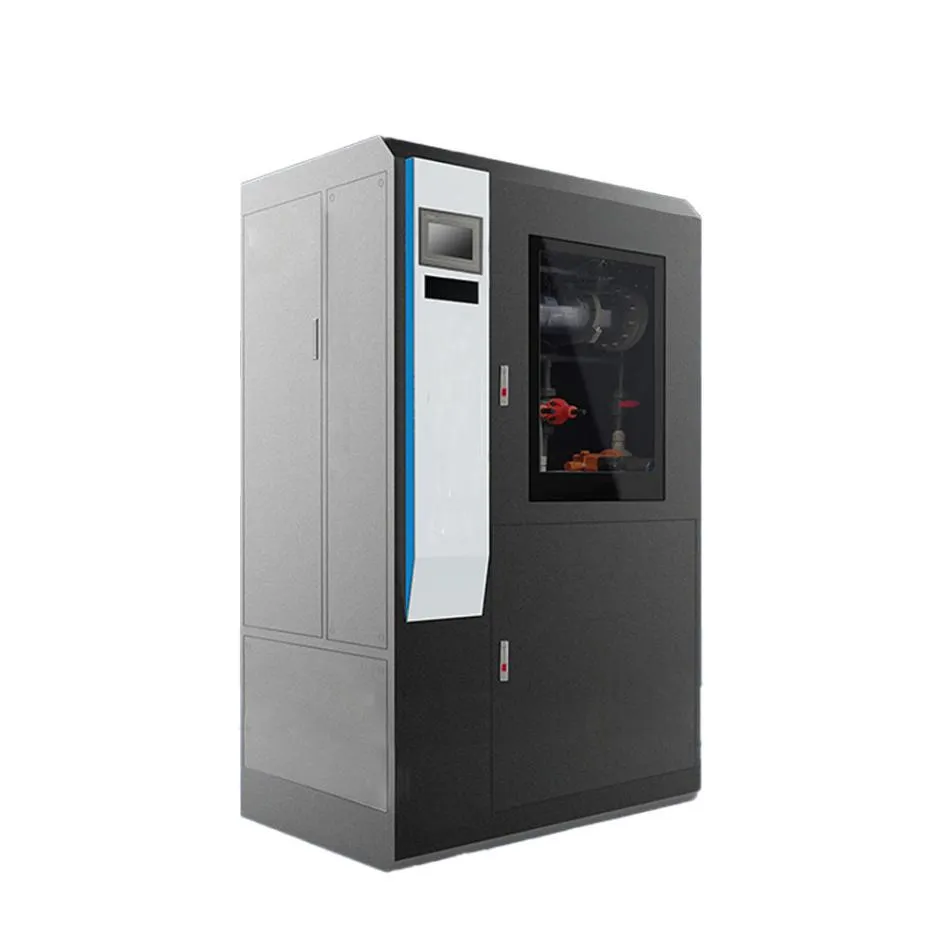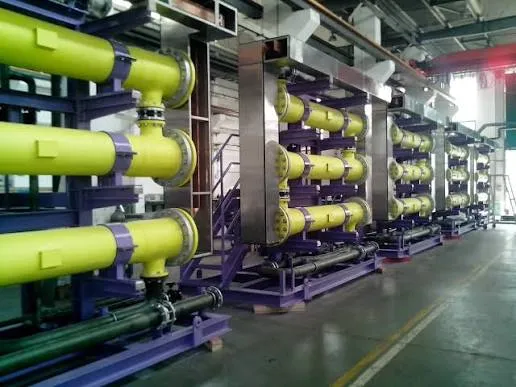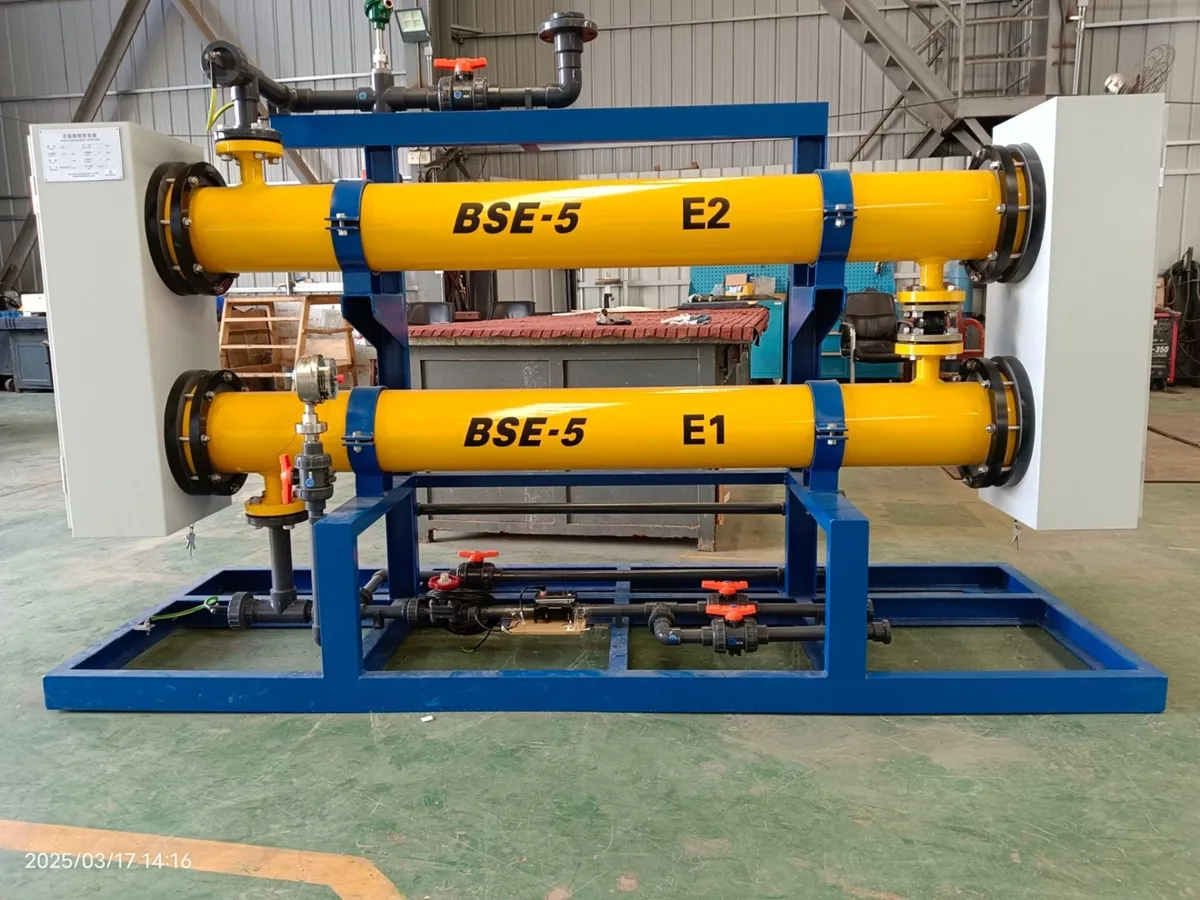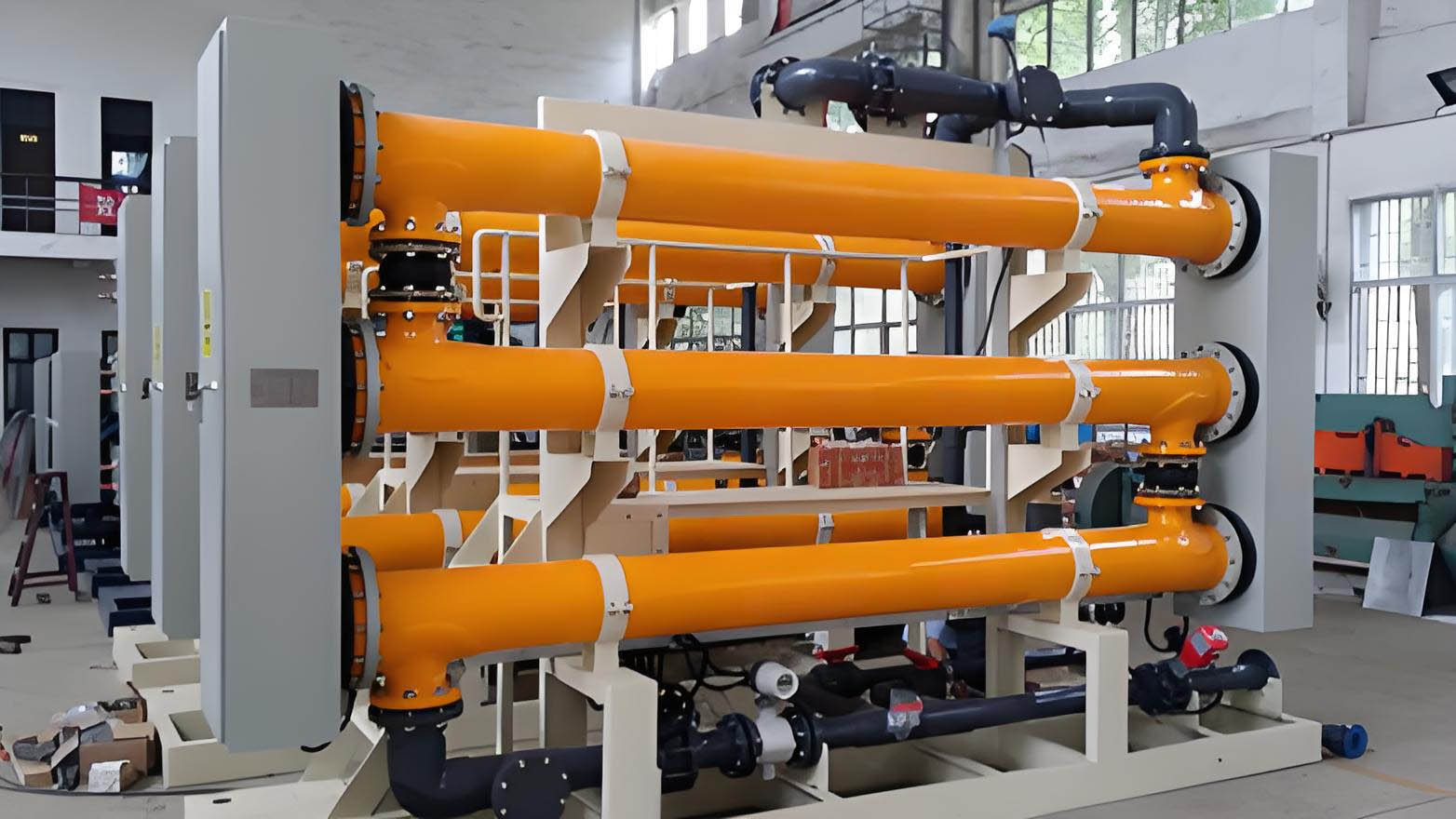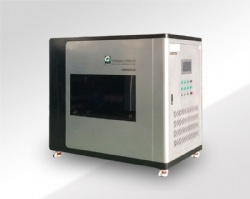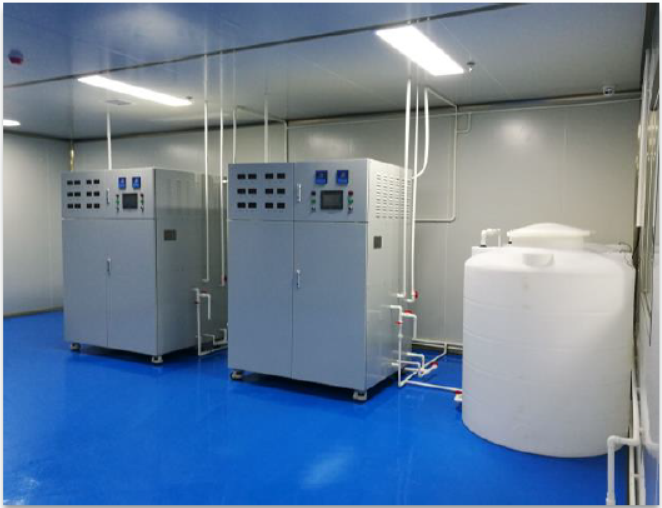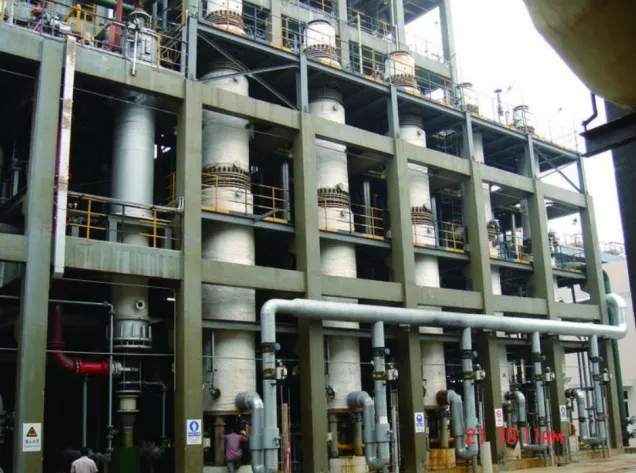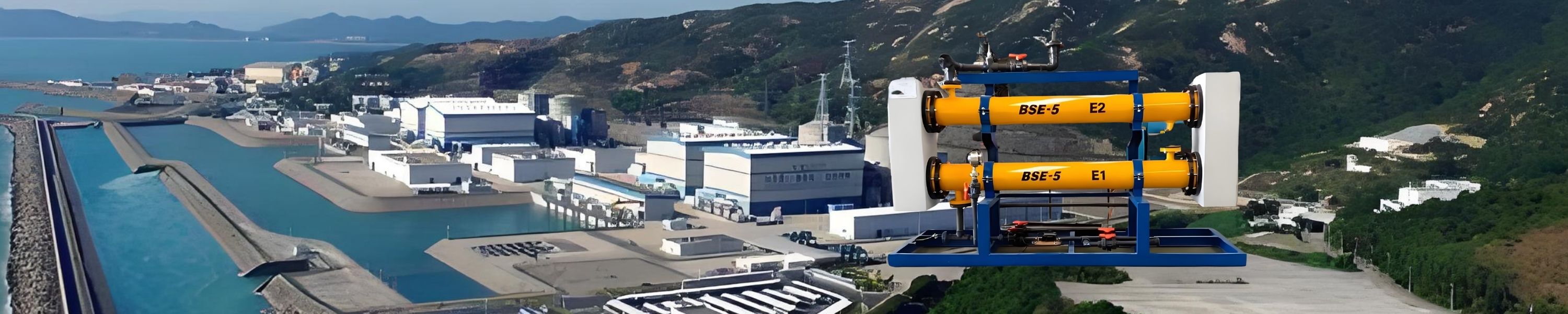

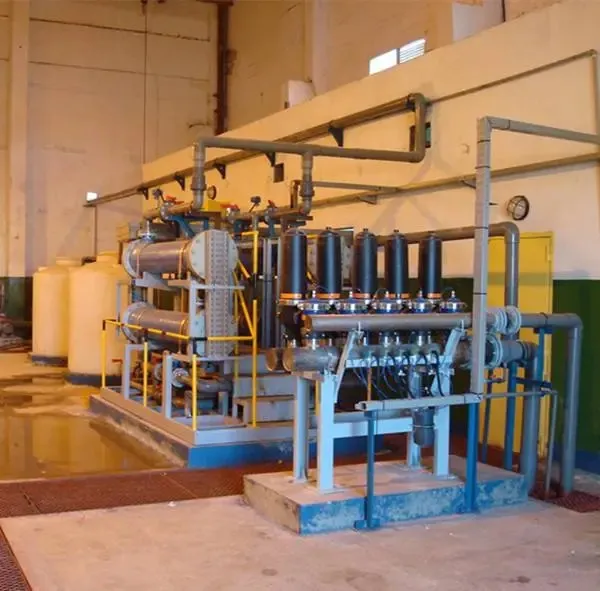
Product Overview The marine ballast water seawater electrolysis chlorination system is a core environmental protection equipment for marine ballast water management and treatment. Adopting advancedon-site seawater electrolysis chlorination technology, the system uses raw seawater from ship ballast pipelines as the medium and generates sodium hypochlorite disinfectant through electrolysis reaction without adding any chemical agents. It can efficiently eliminate marine organisms, pathogens, larva
I. Introduction In the ion-exchange membrane industry, the SUPCON WebField series DCS has been successfully applied in over 50 sets. As of October 2006, the maximum application scale reached 250,000 tons per year. In the production process of ion-exchange membrane caustic soda, the SUPCON DCS is responsible for the fully automatic control of all processes, ranging from primary brine, secondary brine purification, electrolysis, dechlorination, Cl2 treatment, H2 treatment, Cl2 liquefaction, to ca
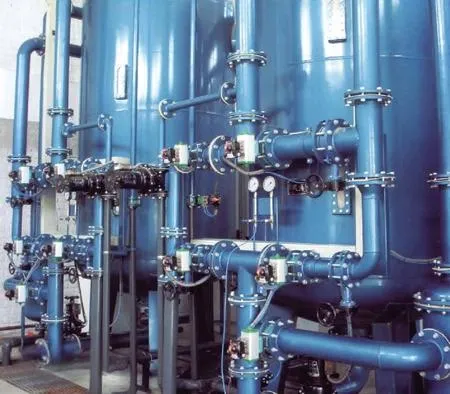
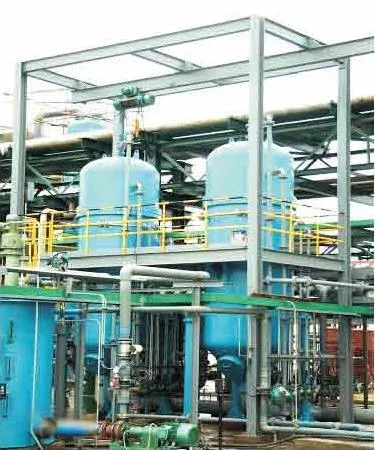
The ion exchange resin process for secondary brine refining is a critical procedure in the chlor‑alkali industry. It removes impurities from brine to ensure stable electrolyzer operation. The main process steps and key points are as follows: Process Purpose Impurity removal: Mainly remove cations such as calcium, magnesium and iron, as well as anions including sulfate and chlorate. Improve brine purity: Guarantee the brine fed into electrolyzers meets high‑purity standards. Process Flow Primary
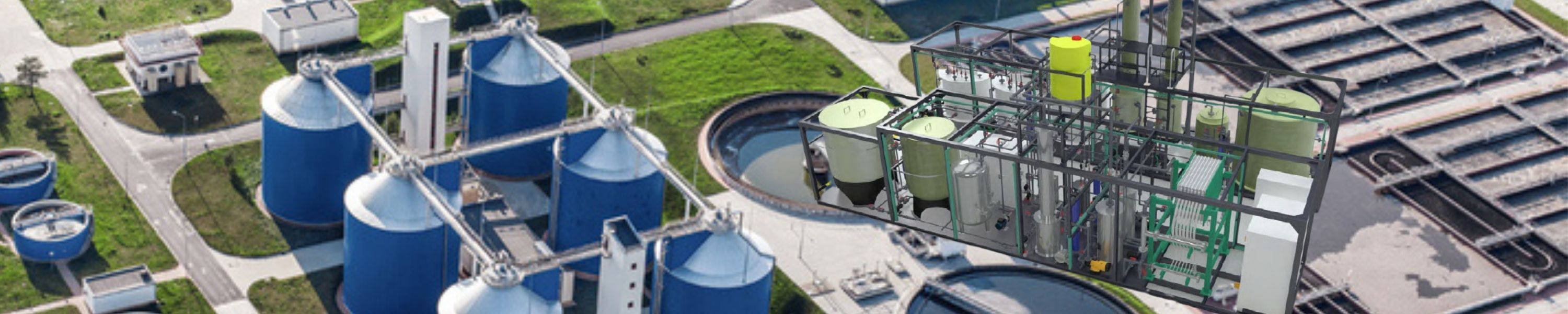
Product Overview Our inorganic membrane brine purification solution (CBS process) is a mature technology that can consistently supply stable and high-quality brine. It has been deployed for over 100 projects and customers. Leveraging the properties of inorganic ceramic membranes and adopting high-efficiency crossflow filtration, the CBS process delivers superior performance and advantages in brine purification that are hard to achieve with other purification and filtration technologies. Applica
FeaturesAdvantages Less salt electricity consumption 1ton.day-250ton.day capacity customized design Salt purity requirement only NACL 89% Less investment on salt Local tech support at client site Skid Mounted design Plug-Play Full automatic running system and safety control system by PLC Product Overview This 10%-15% sodium hypochlorite generator uses ion-exchange membrane brine electrolysis technology, stably producing sodium hypochlorite solution with 10% to 15% effective chlorine concentrati
For chemical plant investors, daily chemical factories and chlor-alkali project contractors, stable high-purity solid caustic soda output directly cuts raw material purchasing costs and boosts downstream product quality. Chlory has spent over 20 years building full-set brine electrolysis caustic flake forming equipment, delivering turnkey production lines that make 32%/50% liquid caustic soda and final 99% solid flake sodium hydroxide in one integrated system. Core Production Flow From Raw Salt
Chlory onshore and offshore Seawater Electrochlorination System produces sodium hypochlorite on-site by electrolyzing natural seawater, used for biofouling control in cooling water, seawater lifting, and industrial circulating water systems. Index Unit Standard Power Efficiency % ≥92 DC power consumption kW.H / Kg.Cl2 ≤3.4 Chlorine evolution potential V (S.C.E) ≤1.04 Anode enhanced life test Hr. 5-10 Years Cathode service life Y 5-10 Years Pickling cycle D ≥36 Chlorine capacity Kg/h Customized
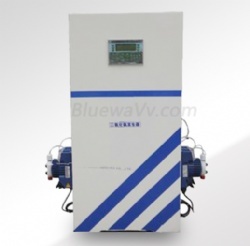
Bluewav sodium hypochlorite generator produces sodium hypochlorite disinfectant by electrolyzing brine(2.5% - 3.0%). Maximum chlorine output up to 64kg/h. System composition: 1.Soft water unit; 2. Cold and heat exchange unit; 3. Saturated brine preparation unit; 4. Dilute brine proportioning unit; 5. Electrode electrolysis assembly unit; 6. Interelectrode hydrogen separator unit; 7. Rectifier power supply unit; 8. Pickling unit; 9. Control system unit; 10. Hydrogen exhaust unit; 11. Storage uni
Chlory hypochlorous acid generator adopts advanced PEM electrolysis technology to produce stable, pure hypochlorous acid anolyte with adjustable concentrations of 100ppm, 200ppm and 500ppm. It is widely used in medical disinfection, food processing, animal husbandry, public space and water treatment. Working Principle The system electrolyzes dilute salt water through a PEM electrolytic cell. Under the separation of cation exchange membrane, the anode generates high-purity hypochlorous acid solu
Introduction Hydrochloric acid synthesis systems are widely used in chemical, pharmaceutical, metallurgical, and electronics industries. They are primarily used to produce hydrochloric acid and other chlorine-containing chemicals, such as chlorides and polyvinyl chloride (PVC). The system can also be used for waste gas treatment and resource recovery. Chlory has 20 years of experience specializing in hydrochloric acid production lines. We use a chlor-alkali process (ion-exchange membrane electr
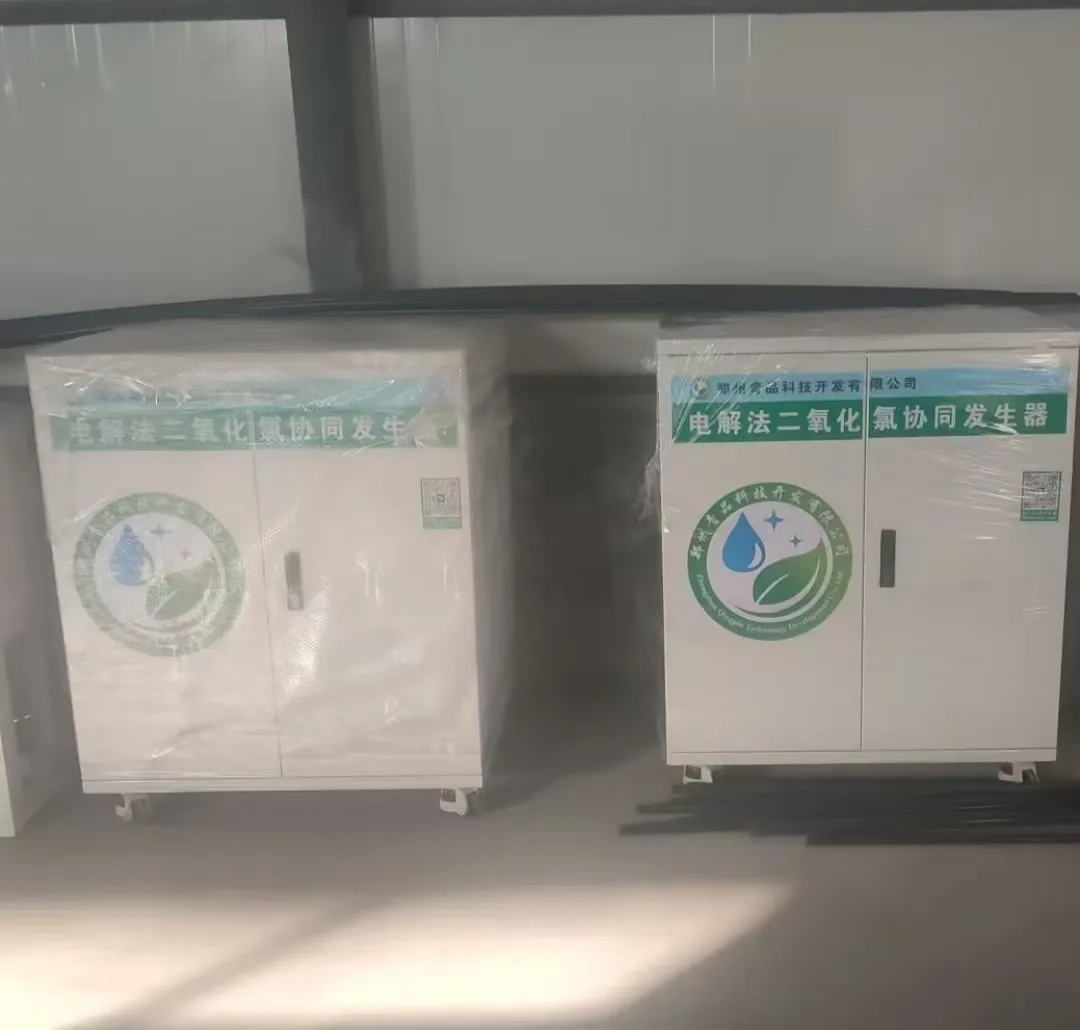
Product Overview The chlorate-process chlorine dioxide generator is a fully automatic on-site disinfection and oxidation device widely used in municipal drinking water, industrial wastewater, circulating water, pulp bleaching, and industrial sterilization. It uses sodium chlorate and hydrochloric acid as raw materials to produce high-purity chlorine dioxide under heating and negative pressure, featuring stable output, high conversion rate, and safe operation. Chemical Reaction Principle Heating
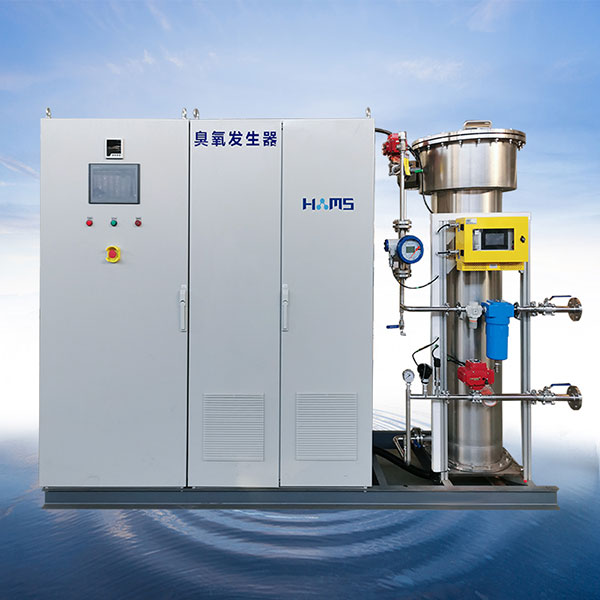
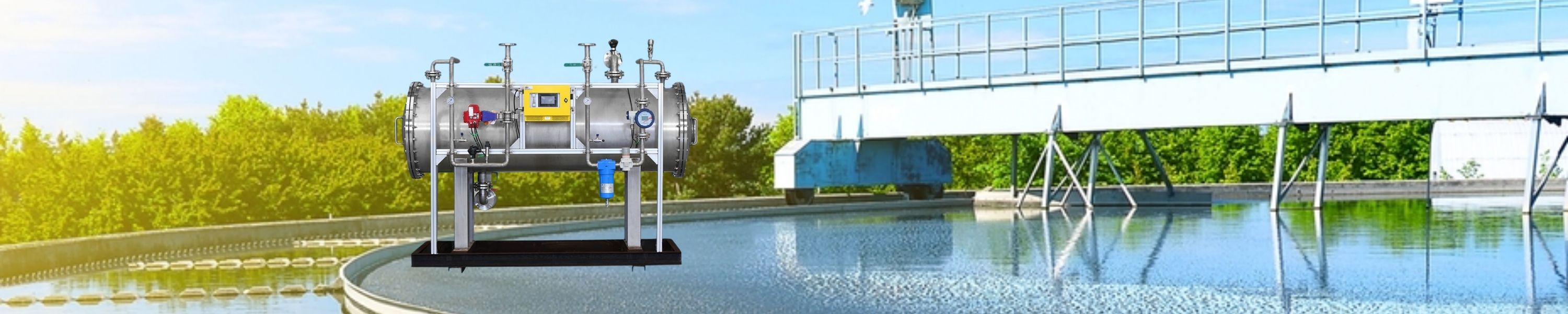
This small ozone generator adopts the mature DBD dielectric barrier discharge technology, a mainstream ozone preparation technology in the industry. It achieves efficient and stable ozone production through pure physical reaction, with a compact structure that is perfectly suitable for small-scale ozone application scenarios. It is an ideal purification and disinfection equipment for small workshops, household use, small aquaculture, office spaces and other small-area and small-flow processing
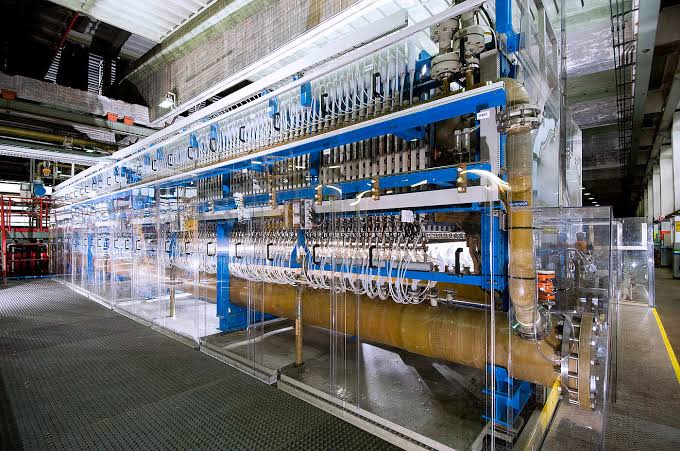
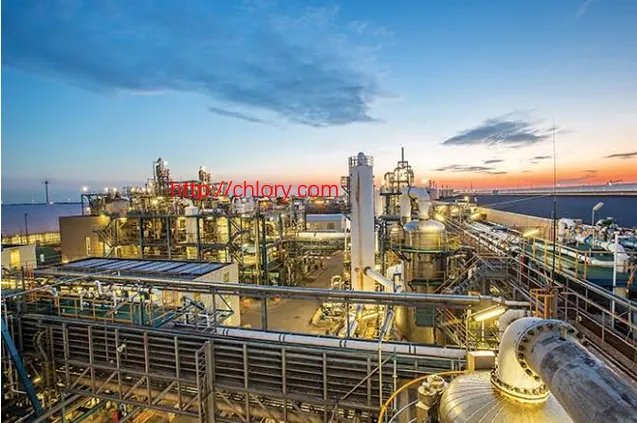
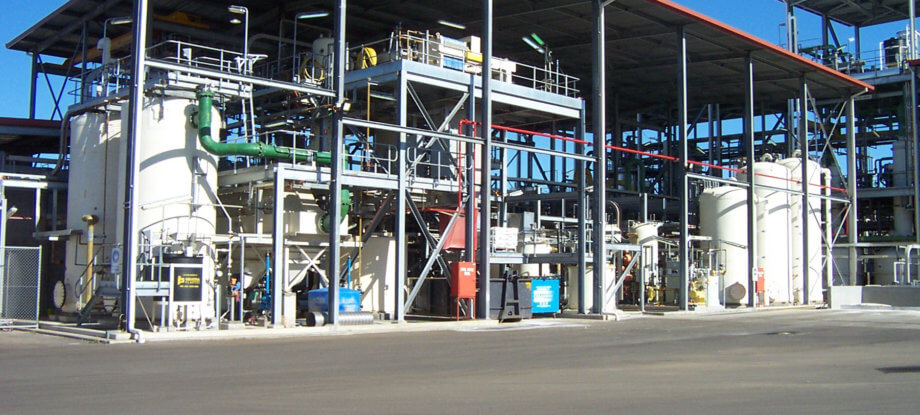
1.Chlor Alkali Plant technology Overview The chlor-alkali industry is a basic chemical industry that electrolyzes saturated brine (NaCl) solutions while simultaneously producing caustic soda (sodium hydroxide), chlorine, and hydrogen. The complete sets of chlor-alkali equipment provided by our company use internationally advanced ion membrane electrolysis technology, featuring significant advantages such as low energy consumption, high product quality, and pollution-free operation, making them
Liquid Chlorine – A "Golden Raw Material" in Basic Chemicals Liquid chlorine, with the chemical formula Cl2, is an important basic chemical raw material. It is produced by pressurizing or cooling chlorine gas at room temperature to obtain a yellowish-green oily liquid. Our company's liquid chlorine production utilizes advanced ion-exchange membrane chlor-alkali technology and high-pressure liquefaction technology, ensuring high product purity, low impurities, and stable properties. It is widely
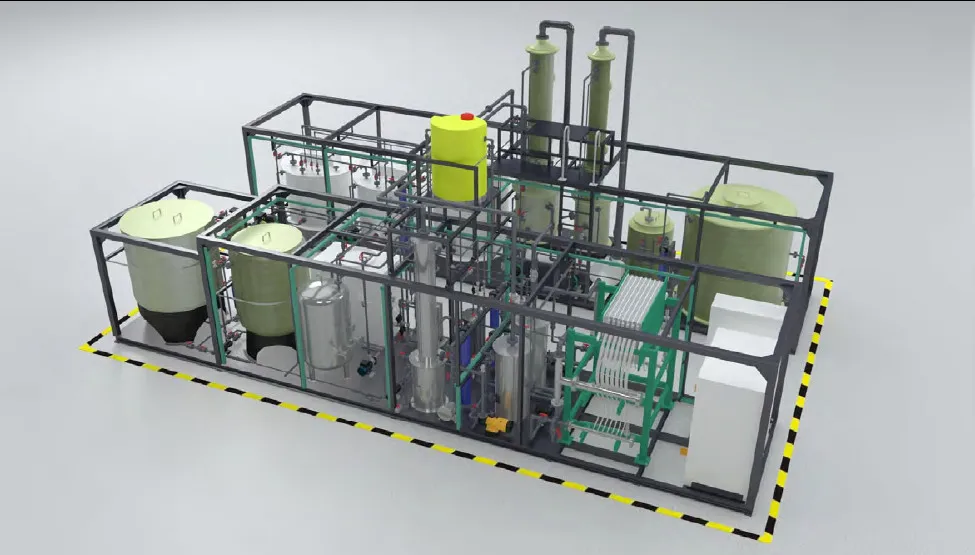
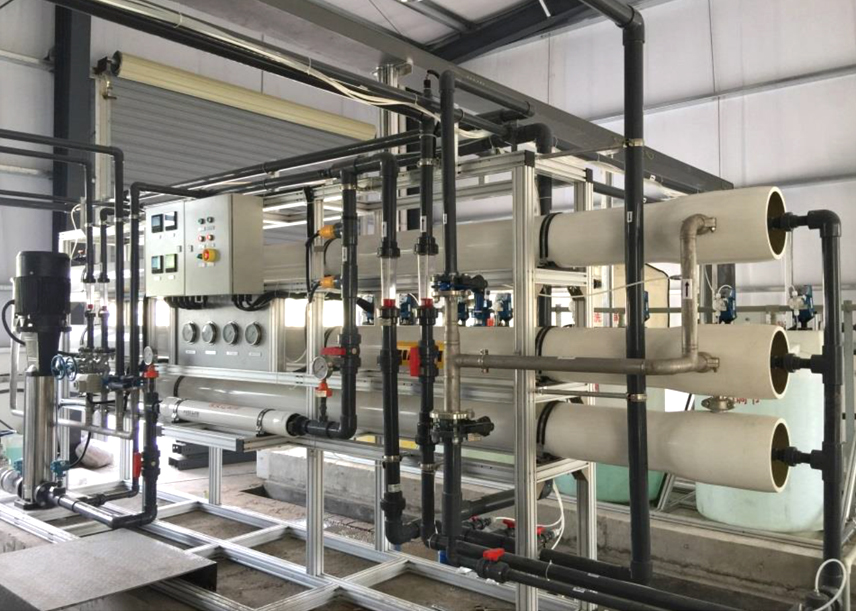
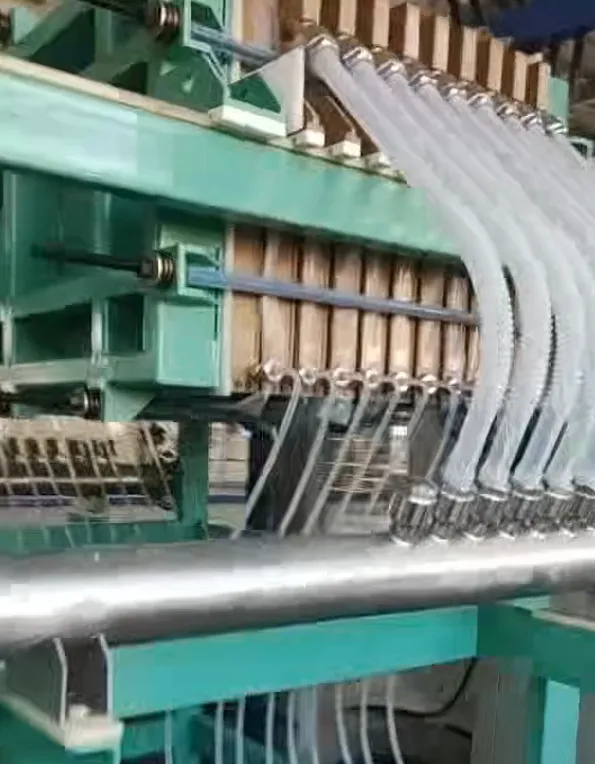
Product Overview This integrated industrial wastewater treatment solution combines chemical pretreatment and membrane concentration technology, tailor-made for complex wastewater generated in the catalyst chemical industry. The complete set of units features stable operation, compact layout and excellent wastewater concentration performance, helping chemical enterprises achieve wastewater standard discharge, volume reduction and resource recycling. Core Process Adopt the mature combined process