
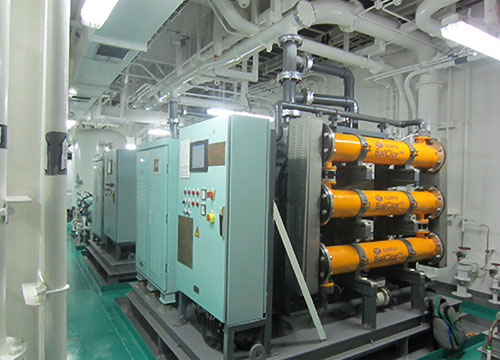
Coastal coal-fired power plants rely heavily on once-through seawater cooling systems. Biofouling, shellfish settlement and slime buildup on condenser tubes and intake pipelines are persistent risks that reduce heat transfer efficiency, trigger unplanned outages and raise maintenance costs. For overseas EPC contractors, seawater electro-chlorination has become the preferred biofouling control solution, eliminating the risks associated with bulk chemical transportation and storage. However, selecting an unsuitable electro-chlorinator can lead to non-compliance with local codes, unstable performance, high energy consumption and costly rework during site commissioning. This blog shares practical, project-oriented selection guidance tailored for cross-border coal power EPC delivery.
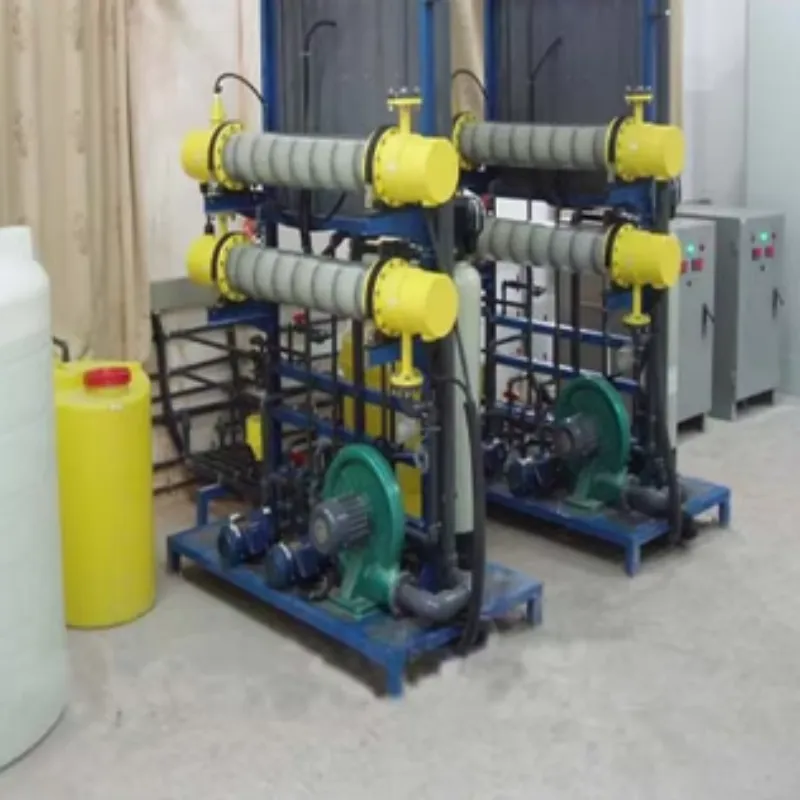
Match Design Capacity with Actual Seawater Conditions and Operation Modes
Many EPC teams simply size chlorine output based on nominal cooling water flow rate, ignoring fluctuations in seawater salinity, temperature, turbidity and seasonal fouling pressure. Overseas coastal sites vary widely: tropical waters accelerate marine organism reproduction, while estuary locations face variable salinity from freshwater runoff. The selected electro-chlorinator must support both continuous low-dose injection and shock dosing cycles, which are standard for power plant intake anti-fouling schemes.
You should reserve sufficient derating margin for raw seawater quality variation. Also confirm the unit’s current efficiency under the site’s minimum and maximum salinity range. Over-sizing wastes CAPEX and power consumption; under-sizing fails to control fouling during peak marine growth seasons. Always align the guaranteed chlorine yield with the EPC performance bond requirements.
Verify Material Grade and Anti-Corrosion Design for Long Service Life
Seawater, hypochlorite solution and coastal salt spray create a harsh corrosive environment. The core electrolytic cell usually adopts MMO-coated titanium substrates, but peripheral components — cell housing, pipe fittings, sensors, rectifier enclosures and fasteners — are frequent failure points on overseas projects.
Check material specifications against local environmental standards. For tropical offshore sites, electrical cabinets need suitable IP ratings and anti-salt-fog coating. Avoid mixing mismatched material grades, which will cause galvanic corrosion. Durability directly affects the warranty scope, OPEX and handover acceptance of the EPC package.
Check Automation, Communication and Integration with Plant DCS
Overseas coal-fired power plants have strict requirements for interlock logic, data logging and remote monitoring. A standalone electro-chlorinator cannot meet EPC integration needs. Prioritize systems with PLC-based automatic control, residual chlorine feedback, hydrogen gas safety interlock, flow-proportional dosing and fault alarm functions.
Confirm supported communication protocols such as Modbus or Profibus for seamless connection to the plant DCS. Local operators and owners expect real-time trend records, event logs and emergency shutdown logic. Poor DCS compatibility often delays FAT, SAT and final plant acceptance, which brings liquidated damages risks for EPC contractors.
Confirm Compliance with Local Environmental, Safety and Electrical Codes
Regulatory differences are one of the biggest hidden pitfalls for cross-border EPC projects. Hydrogen venting rules, chlorine residual discharge limits, electrical area classification and noise standards differ significantly across Southeast Asia, the Middle East, Africa and Latin America.
The electro-chlorinator vendor must provide valid test reports, certificates and calculation documents for hydrogen dispersion, hazardous area classification and effluent compliance. Early document review during the tender stage helps avoid redesign work after contract award. Prefer suppliers who have delivered reference seawater electro-chlorination packages for coal power plants in the target country.
Evaluate Vendor’s Overseas Service and Spare Parts Support Capacity
EPC projects are judged not only on equipment supply, but also on commissioning supervision, training and after-sales support. Remote technical support alone is insufficient for critical power auxiliary systems. Clarify the vendor’s ability to deploy field service engineers, supply lead time of critical spare parts (titanium anodes, rectifier modules, sensors), and local stocking arrangements.
A clear spare parts list, operation & maintenance manual in the official project language, and hands-on training for the owner’s team will smooth the handover process. Reliable lifecycle support reduces operational risks for the power plant and protects the EPC contractor’s reputation for future bidding opportunities.
Closing
Seawater electro-chlorinator selection for overseas coal-fired power EPC projects is far more than a commercial comparison of unit price. It balances hydraulic design, material reliability, automation integration, local regulatory compliance and global after-sales service. Working with a professional water treatment partner with proven power sector references helps EPC teams deliver stable, compliant and cost-effective biofouling control packages, and keeps the cooling system running at design efficiency throughout the plant lifecycle.