The Unique Sanitary Water Treatment Challenges of Ports & Shipyards
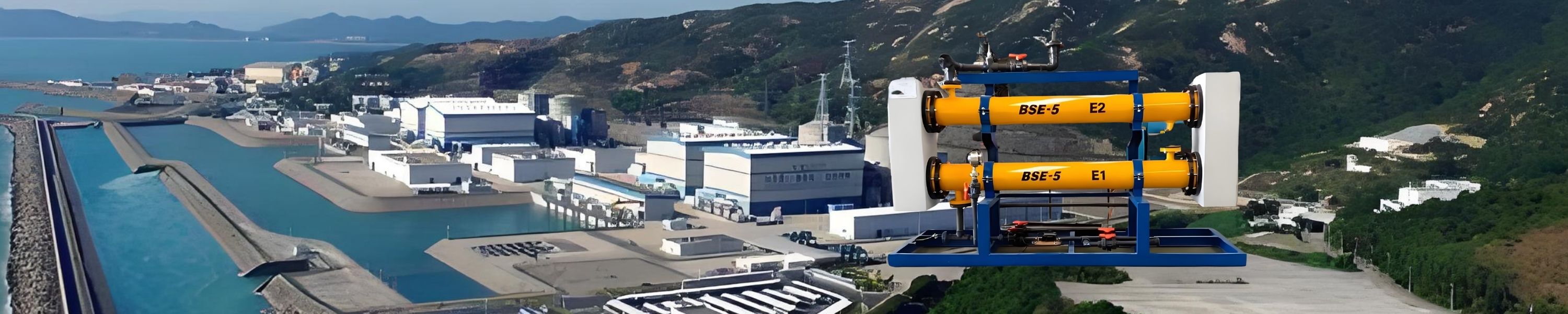
Ports and shipyards are the lifeblood of global trade, facilitating the movement of goods and vessels across oceans. However, the daily operations of these facilities—from crew accommodations and maintenance activities to passenger services—generate significant volumes of sanitary water that pose unique treatment challenges. Unlike municipal wastewater, port and shipyard sanitary water often contains high concentrations of organic matter, pathogens, oils, and contaminants, all while operating in coastal environments where freshwater scarcity is a common constraint. For water treatment providers, delivering efficient, cost-effective, and sustainable solutions to address these challenges is paramount—and seawater electrolysis has emerged as a game-changing technology tailored to the unique needs of marine and coastal infrastructure.
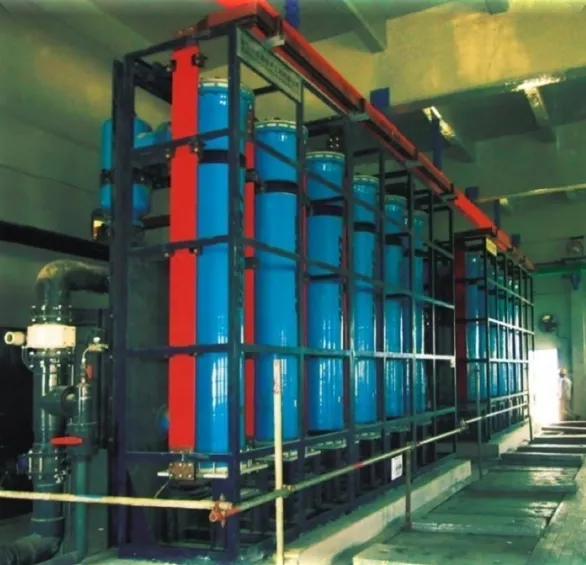
How Seawater Electrolysis Works: A Simple, On-Site Solution
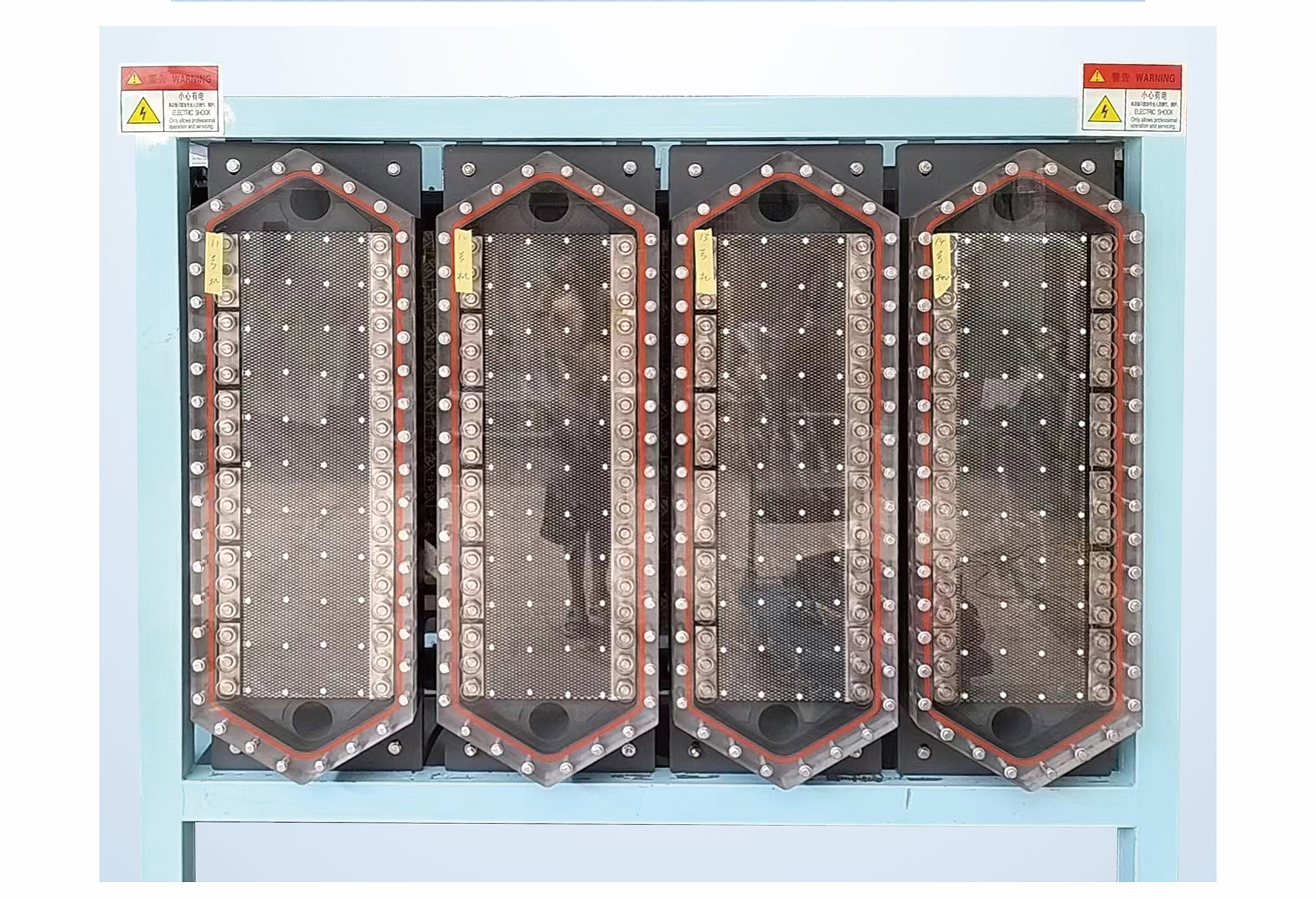
Seawater electrolysis, a subset of electrochlorination technology, leverages the natural salinity of seawater to produce a safe, on-site disinfectant that effectively treats sanitary water without relying on external chemical supplies or freshwater resources. The process is elegantly simple: an electric current is passed through seawater in an electrolytic cell, triggering a chemical reaction that converts sodium chloride (naturally present in seawater) into sodium hypochlorite—a powerful, broad-spectrum disinfectant—and hydrogen gas. The sodium hypochlorite, typically produced at a concentration of 0.1% to 0.8%, is non-hazardous (per EU regulations) and biodegradable, making it safe for both human use and marine environments when properly dosed.
Key Advantages of Seawater Electrolysis for Ports & Shipyards
For ports and shipyards, the advantages of seawater electrolysis solutions extend far beyond basic disinfection. Traditional sanitary water treatment methods often require transporting and storing hazardous chemicals (such as chlorine gas or concentrated bleach), which poses safety risks for workers and environmental hazards if spilled—especially in sensitive coastal ecosystems. Seawater electrolysis eliminates this risk by generating disinfectant on-site, using only seawater and electricity as inputs, and the hydrogen gas produced during the process is safely vented or repurposed, minimizing waste. This on-demand production also reduces logistical costs and supply chain dependencies, a critical benefit for remote ports or offshore shipyard facilities.
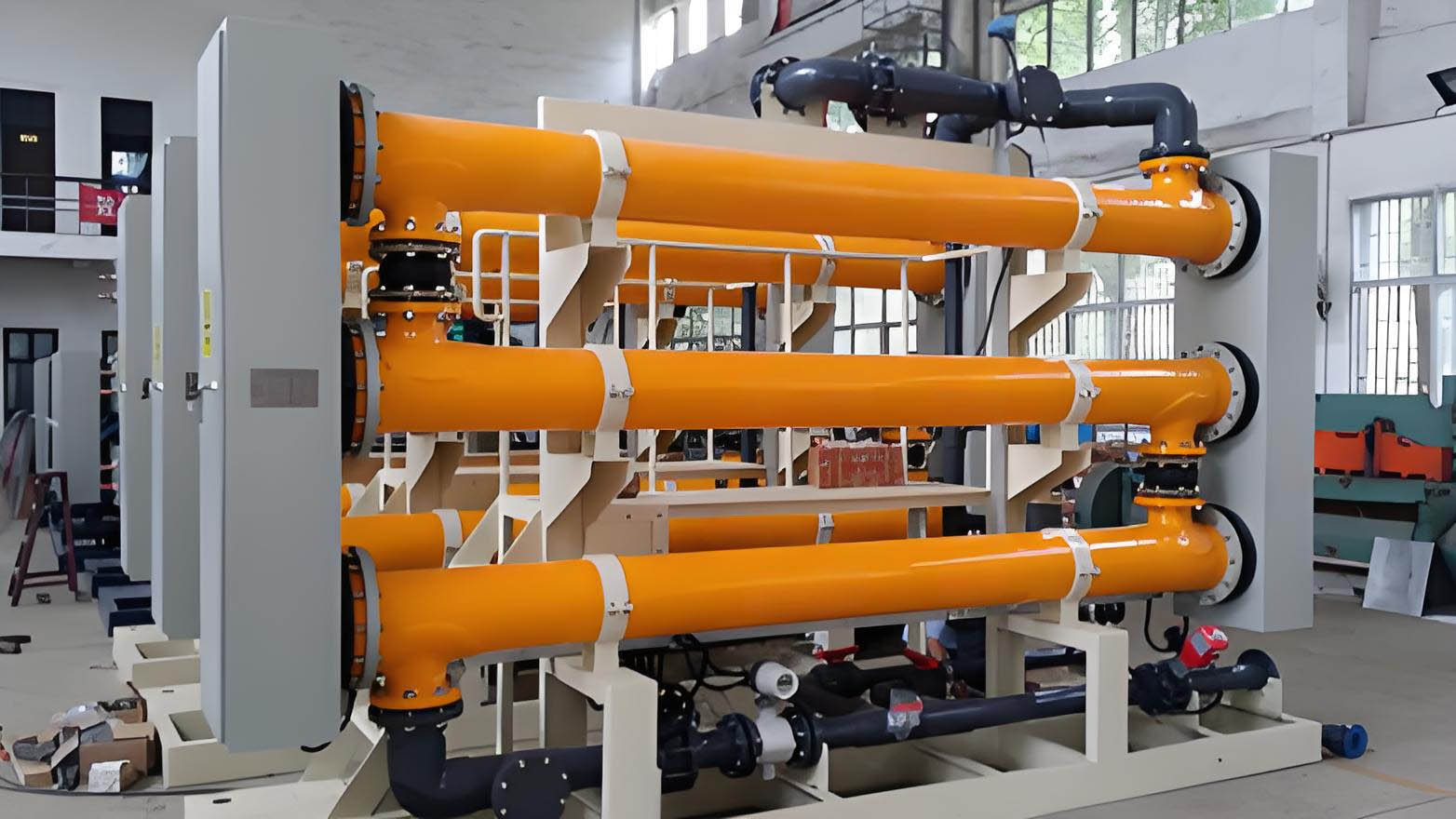
Another key advantage of seawater electrolysis is its adaptability to the variable conditions of port and shipyard operations. Sanitary water volumes and contamination levels fluctuate dramatically—peaking during peak shipping seasons, crew changes, or maintenance projects—and the technology can be scaled to meet these dynamic demands. Compact systems are ideal for small shipyards or on-board treatment, while larger, modular units can handle the high-volume sanitary water generated by busy ports with multiple berths, crew quarters, and service facilities. Additionally, seawater’s natural conductivity (far higher than freshwater) enhances the efficiency of the electrolysis process, reducing energy consumption and operational costs compared to freshwater-based treatment systems.
Environmental Sustainability: Aligning with Greener Marine Operations
The environmental sustainability of seawater electrolysis aligns perfectly with the global push for greener marine operations. Ports and shipyards are increasingly held to strict environmental regulations, such as the Clean Water Act in the U.S. and IMO guidelines, which mandate the treatment of sanitary water before discharge to protect coastal ecosystems from pollution and biofouling. Seawater electrolysis produces no harmful byproducts, and the treated water meets or exceeds these regulatory standards, preventing the release of pathogens, organic matter, and nutrients that can cause algal blooms, oxygen depletion, and harm to marine life. Unlike desalination, which is energy-intensive and generates waste brine, seawater electrolysis uses seawater directly, minimizing ecological footprint and supporting circular economy goals.
Practical Applications: Solving Port & Shipyard Pain Points
In practical application, seawater electrolysis solutions address the specific pain points of port and shipyard sanitary water treatment. For example, shipyard crew quarters generate wastewater containing human waste, food residues, and cleaning chemicals—all of which require thorough disinfection to prevent the spread of disease and meet discharge regulations. Seawater electrolysis systems effectively neutralize pathogens such as bacteria and viruses, while breaking down organic contaminants to ensure treated water is safe for discharge or reuse (e.g., for irrigation or cleaning purposes). For ports, the technology can be integrated into existing wastewater collection systems, providing a seamless upgrade to traditional treatment methods without requiring extensive infrastructure overhauls.
Our Custom Seawater Electrolysis Solutions
At [Your Water Treatment Company Name], we specialize in customizing seawater electrolysis solutions for ports and shipyards of all sizes. Our systems are engineered to withstand the harsh marine environment—resistant to corrosion, salt buildup, and extreme weather—and are designed with user-friendly controls to minimize maintenance and operational complexity. We address the unique challenges of seawater electrolysis, such as calcium and magnesium precipitate formation (which can reduce electrode efficiency), through advanced electrode technology and proprietary maintenance protocols, ensuring long-term reliability and performance. Whether you need a compact on-board system for a shipyard or a large-scale modular solution for a major port, our team works closely with you to design a system that aligns with your operational needs, regulatory requirements, and sustainability goals.
The Future of Port & Shipyard Sanitary Water Treatment
As the marine industry continues to evolve, the demand for efficient, sustainable, and cost-effective sanitary water treatment solutions will only grow. Seawater electrolysis stands out as a technology that not only meets these demands but also drives innovation in coastal water management—turning an abundant, underutilized resource (seawater) into a powerful tool for protecting human health and the environment. By choosing seawater electrolysis, ports and shipyards can enhance operational efficiency, reduce environmental impact, and ensure compliance with increasingly strict regulations—all while lowering long-term operational costs.