



In the modern livestock farming industry, biosecurity, animal welfare, and environmental sustainability have become the core pillars of sustainable development. As a water treatment technology provider dedicated to driving innovation in agricultural hygiene, we recognize that traditional disinfection methods—with their harsh fumes, toxic residues, and high operational costs—are no longer able to meet the evolving needs of large-scale, standardized livestock operations. Hypochlorous acid (HOCl), a naturally occurring antimicrobial agent with remarkable safety and efficacy, is emerging as a game-changer, leveraging scientific principles to redefine hygiene standards in livestock farming.
The Science Behind Hypochlorous Acid: How It Works for Livestock Hygiene
To understand why hypochlorous acid is revolutionizing livestock care, we first delve into its science. HOCl is a weak acid naturally produced by the human body’s white blood cells to fight off pathogens, making it inherently compatible with living organisms. Unlike traditional chlorine-based disinfectants (such as bleach) that rely on harsh chemical reactions, HOCl exerts its antimicrobial effect by penetrating the cell membranes of bacteria, viruses, fungi, and protozoa, disrupting their protein structures and rendering them inactive—all in as little as 30 seconds. Its broad-spectrum efficacy is well-documented, with a 99.99% kill rate against common livestock pathogens, including those responsible for mastitis, intestinal diseases, and respiratory infections.
What truly sets hypochlorous acid apart from conventional disinfectants is its unique safety profile. It decomposes naturally into water and trace amounts of salt, leaving no toxic residues that could contaminate meat, milk, or the environment. This means it can be safely used in direct contact with livestock—even during "in-barn disinfection" without removing animals—eliminating the stress and productivity loss associated with emptying barns for traditional fumigation or chemical cleaning. Its near-neutral pH (5.0-6.5) ensures it is non-irritating to animal skin and mucous membranes, reducing the risk of respiratory issues or discomfort that often accompany harsh chemical disinfectants.
Practical Applications of Hypochlorous Acid in Livestock Farming
In practical livestock farming scenarios, hypochlorous acid’s versatility addresses key pain points across all operational stages—from drinking water purification to environmental disinfection and waste management. One of its most impactful applications is in drinking water treatment: adding low concentrations (0.5-2 ppm) of HOCl to livestock water systems effectively inhibits biofilm formation in water lines, a major breeding ground for pathogens, while preserving water quality without altering taste or harming animal health. A study on broilers showed that long-term consumption of low-concentration HOCl drinking water reduced gut microbial load without negatively affecting growth performance, highlighting its role in supporting animal health from the inside out.
For environmental hygiene, hypochlorous acid’s fogging disinfection capability is a game-changer for barns, milking parlors, and feeding areas. Unlike traditional disinfectants that require prolonged ventilation, HOCl fogging can be used while animals are present, reducing respiratory disease incidence by up to 37% in pig farms and lowering mastitis rates by 41% in dairy operations. It also effectively eliminates odors by oxidizing harmful gases like ammonia and hydrogen sulfide at the source, rather than merely masking them—addressing a common challenge for farms located near residential areas.
Operational and Environmental Benefits of HOCl for Livestock Farms
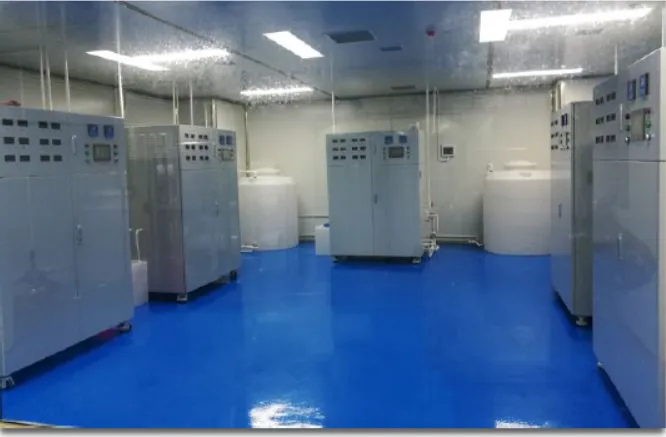
From an operational and environmental perspective, hypochlorous acid offers significant advantages for livestock farms. On-site generation systems—powered by just salt, water, and electricity—eliminate the need to store, transport, or handle hazardous chemicals, reducing safety risks and operational costs. Compared to traditional disinfection methods, HOCl can lower overall sanitization costs by up to 35%, while reducing equipment corrosion by 70% due to its non-corrosive nature. This aligns with global trends toward "reduce antibiotic use" policies, as HOCl’s ability to control pathogens minimizes the need for antibiotics, contributing to the fight against antibiotic resistance in livestock and humans alike.
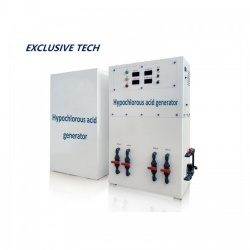
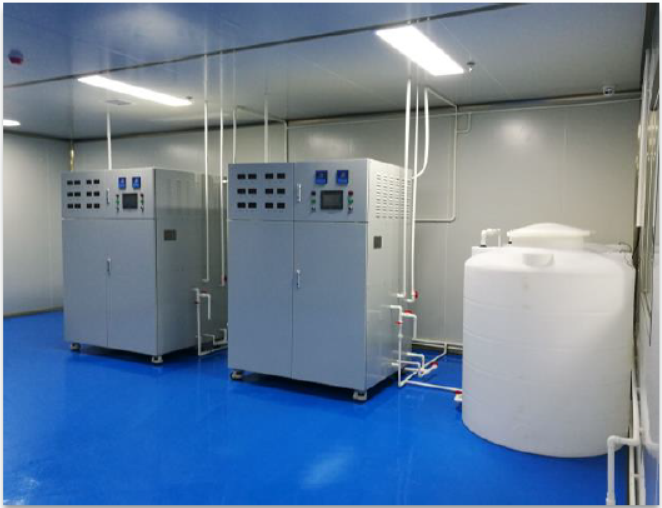
As a water treatment company with deep expertise in sustainable hygiene solutions, we are proud to bring hypochlorous acid science to livestock farming operations worldwide. Our tailored HOCl generation systems are designed to meet the unique needs of different livestock types—from poultry and swine to dairy cattle—delivering consistent, high-purity hypochlorous acid that adheres to EPA, FDA, and USDA standards. We don’t just provide equipment; we offer end-to-end solutions that integrate seamlessly into existing farm operations, from water line integration to automated fogging systems, ensuring maximum efficacy with minimal effort.
The Future of Livestock Hygiene: HOCl as a Catalyst for Sustainability
The future of livestock farming lies in balancing productivity with sustainability and animal welfare—and hypochlorous acid is at the forefront of this transformation. By harnessing the science of a naturally occurring antimicrobial, we are helping farmers protect their herds, reduce environmental impact, and build more resilient operations. Whether you’re managing a small family farm or a large-scale commercial operation, hypochlorous acid offers a safer, more efficient, and more sustainable path to optimal livestock health.