As the global demand for organic produce continues to soar, farmers and growers face a critical challenge: maintaining crop health and productivity without relying on synthetic pesticides, herbicides, or harmful disinfectants. Organic farming, rooted in sustainability and environmental stewardship, requires solutions that protect crops, soil, and water while adhering to strict organic certification standards. Enter hypochlorous acid (HOCl) generators—an innovative, eco-friendly technology that has emerged as a game-changer for organic agriculture. Developed by leading water treatment experts, these generators provide a safe, cost-effective, and compliant way to support organic crop growth, from seed to harvest.
Why Hypochlorous Acid (HOCl) Is Ideal for Organic Farming
Hypochlorous acid is a naturally occurring antimicrobial agent produced by the human immune system to fight pathogens—and when generated on-site using advanced water treatment technology, it becomes a powerful tool for organic farmers. Unlike traditional chemical disinfectants, HOCl is non-toxic, biodegradable, and leaves no harmful residues on crops or in soil. It is also 80 to 100 times more effective at killing bacteria, fungi, and viruses than sodium hypochlorite (bleach) while operating at much lower concentrations, making it safe for plants, beneficial insects, and farm workers alike.
Crucially, HOCl generators align perfectly with organic farming principles. They use only three basic, non-toxic ingredients—water, salt (or a small amount of hydrochloric acid), and electricity—to produce a pure, food-safe disinfectant on demand. This eliminates the need for storing, transporting, or disposing of hazardous chemicals, reducing both environmental risk and operational costs for organic growers.
Key Applications of Hypochlorous Acid Generators in Organic Farming
HOCl generators are versatile and can be integrated into every stage of organic crop production, addressing common challenges without compromising organic integrity. Below are the most impactful applications:
1. Irrigation Water Treatment
Contaminated irrigation water is a major source of crop disease, as it can carry bacteria (such as E. coli and Salmonella), fungi, and algae that clog drip systems and cause root rot. HOCl generators treat irrigation water by maintaining an effective chlorine concentration (ACC) of 0.5–2.0 ppm, which kills harmful pathogens without damaging plant roots or altering soil pH. Unlike bleach, HOCl does not cause soil salinization, ensuring long-term soil health—a critical factor for organic farming sustainability.
2. Foliar Spraying for Pest and Disease Control
Organic farmers often struggle with fungal diseases like powdery mildew and gray mold, as well as small pests such as aphids and red spider mites. HOCl, when atomized into a fine spray, provides a safe alternative to synthetic fungicides. For prevention, a concentration of 30–50 ppm is applied regularly; during active infestations, concentrations can be increased to 100–200 ppm. HOCl penetrates the cell walls of pathogens, disrupting their enzyme systems and inhibiting pest egg hatching—all without harming beneficial insects like bees or leaving residue on edible crops.
3. Soil and Seed Treatment
Healthy soil is the foundation of organic farming, and HOCl generators help maintain soil vitality by eliminating soil-borne pathogens (such as fusarium and nematodes) that cause crop failure. A 200 ppm HOCl solution can be applied to soil via perfusion or fumigation, reducing pathogen levels by over 90% while activating soil structure and improving oxygen levels for root growth. For seeds, a 50–100 ppm HOCl soak kills surface pathogens, boosting germination rates by 15–20% and enhancing seedling resistance to disease.
4. Post-Harvest Sanitization
Organic produce is vulnerable to spoilage and contamination after harvest, which reduces shelf life and market value. HOCl generators provide a rinse-free sanitization solution: a 50–80 ppm HOCl dip or spray kills surface pathogens (including Listeria and Salmonella) without altering the flavor, color, or texture of fruits and vegetables. This extends shelf life by 7–10 days, reduces post-harvest loss by up to 45%, and helps organic growers meet strict food safety standards for domestic and export markets.
Compliance with Global Organic Standards
For organic farmers, compliance with certification standards is non-negotiable—and HOCl generators are fully approved for use in organic agriculture worldwide. In the United States, the USDA Organic Program (NOP) and National Organic Standards Board (NOSB) classify HOCl (generated from electrolyzed water) as an allowed synthetic sanitizer, with residual chlorine limits of no more than 4 mg/L. In Japan, the Ministry of Agriculture, Forestry and Fisheries (MAFF) recognizes HOCl as a "specific pesticide" equivalent to food additive safety. In China, HOCl generators comply with GB/T 28234-2020, the national standard for safety and hygiene of hypochlorous acid disinfectant generators.
Cost-Efficiency and Sustainability for Organic Growers
Beyond safety and compliance, HOCl generators offer significant economic and environmental benefits for organic farms. On-site generation eliminates the cost of purchasing, shipping, and storing bottled sanitizers or chemical pesticides—reducing operational costs by 50–70% compared to traditional methods. The raw materials (water and salt) are affordable and readily available, with a cost of just pennies per liter of HOCl solution. Additionally, HOCl decomposes quickly into water and trace salt, leaving no toxic byproducts or environmental pollution—aligning with the zero-waste goals of organic agriculture.
Our Water Treatment Expertise: Tailored HOCl Solutions for Organic Farming
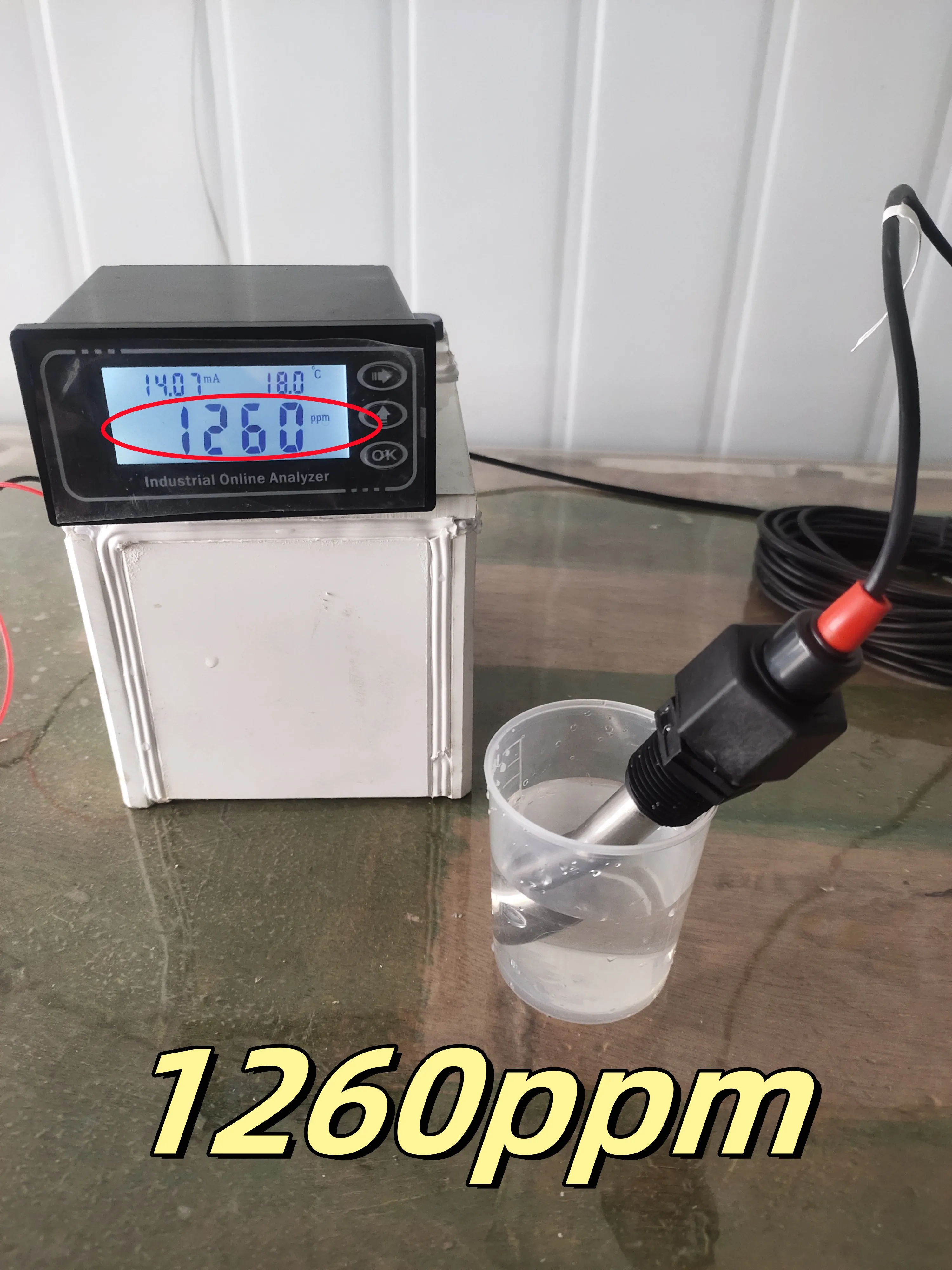
As a leading water treatment company, we specialize in designing and manufacturing high-performance hypochlorous acid generators tailored to the unique needs of organic farmers. Our systems feature intelligent concentration control (adjustable from 20–800 ppm), durable electrolytic cells, and user-friendly operation—ensuring consistent, reliable performance for small family farms and large-scale organic operations alike. We understand the challenges of organic farming, and our team works closely with growers to integrate HOCl technology seamlessly into their existing workflows, from irrigation systems to post-harvest processing.
With our HOCl generators, organic farmers can protect their crops, maintain soil health, and meet global organic standards—all while reducing costs and minimizing environmental impact. It’s not just a water treatment solution; it’s a partnership in sustainable organic agriculture.