Freshwater aquaculture is a vital sector that provides high-quality protein for global consumption, but it faces persistent challenges in maintaining optimal water quality—one of the core factors determining the success of fish and shrimp farming. Pathogens, excess ammonia nitrogen, nitrite, and organic pollutants can easily accumulate in aquaculture water, leading to disease outbreaks, reduced survival rates, and lower yields. Traditional disinfection methods, such as bleaching powder and sodium hypochlorite, often fall short due to low efficiency, strong irritation, and harmful residues. Today, hypochlorous acid (HOCl) generators have emerged as a sustainable, efficient, and eco-friendly solution, revolutionizing water management in freshwater aquaculture.
Why Water Quality Is Non-Negotiable in Freshwater Aquaculture
Water is the lifeblood of freshwater aquaculture, and its quality directly impacts the health of aquatic organisms, feed conversion efficiency, and final product safety. Unlike seawater, freshwater has lower salinity and buffering capacity, making it more prone to fluctuations in pH, dissolved oxygen, and pollutant levels. Harmful bacteria such as Vibrio, Aeromonas hydrophila, and fungi can thrive in poor water conditions, causing fatal diseases like explosive hemorrhage and vibriosis. Additionally, uneaten feed, fish feces, and organic debris decompose to produce ammonia nitrogen and nitrite, which are toxic to fish and shrimp even at low concentrations. For farmers, maintaining stable water quality is not just a matter of increasing yields—it is essential for meeting increasingly strict environmental and food safety standards.
How Hypochlorous Acid Generators Work for Freshwater Aquaculture
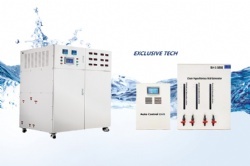
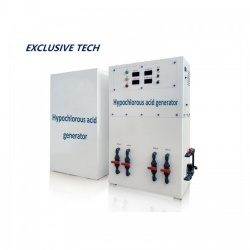
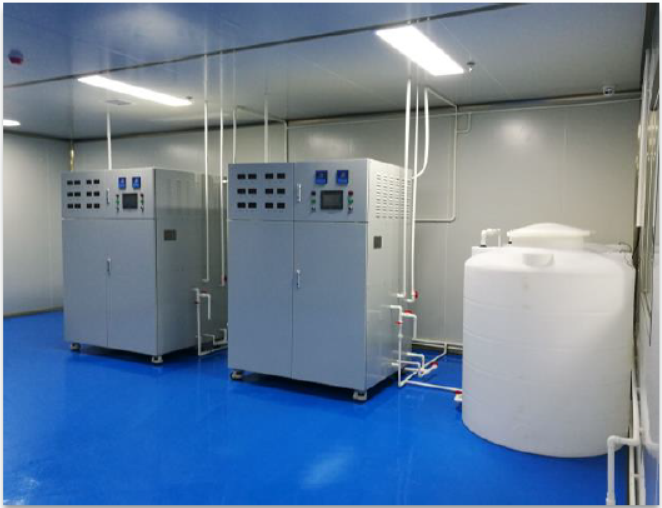
Hypochlorous acid generators leverage advanced electrochemical technology to produce high-purity hypochlorous acid on-site, using only common salt (sodium chloride) and water as raw materials. The core principle involves electrolyzing saltwater in a diaphragm-free electrolytic cell with a titanium anode, generating micro-acidic hypochlorous acid (pH 5.0-6.5)—a powerful yet gentle disinfectant that mimics the bactericidal mechanism of the human immune system. Unlike traditional chlorine-based disinfectants that produce hypochlorite (OCl⁻), hypochlorous acid (HOCl) is an electrically neutral molecule that can quickly penetrate the cell walls of bacteria, viruses, and fungi, inactivating 99.9% of harmful pathogens within 15 seconds—80 to 100 times more efficient than traditional chlorinating agents. After disinfection, HOCl decomposes rapidly into water and trace salt, leaving no harmful residues or by-products like trihalomethanes (carcinogens) that plague traditional methods.
Key Benefits of Hypochlorous Acid Generators for Freshwater Farmers
For freshwater aquaculture operations—whether small-scale ponds or large-scale industrial recirculating aquaculture systems (RAS)—hypochlorous acid generators offer a range of unmatched advantages that address the industry’s most pressing pain points:
Gentle and Safe for Aquatic Organisms: Micro-acidic HOCl is non-irritating, so it does not damage the gills of fish and shrimp or stress juvenile seedlings. Unlike traditional chemical disinfectants, it does not harm beneficial microbial flora in the water, maintaining the balance of the aquatic ecosystem. Tests in freshwater aquaculture bases show that using HOCl generators can increase seedling survival rates by 30% or more.
Multifunctional Water Improvement: Beyond disinfection, hypochlorous acid effectively decomposes organic pollutants, reduces ammonia nitrogen and nitrite levels by 60%-80%, improves water transparency by 50%, and stabilizes dissolved oxygen levels. This “disinfection + water regulation” integration eliminates the need for multiple water treatment products, simplifying management.
Cost-Effective and Time-Saving: With on-site production, farmers no longer need to purchase, store, and transport large quantities of chemical disinfectants, reducing logistics and storage costs. The equipment operates 24 hours a day with intelligent monitoring, automatically adjusting HOCl concentration without manual on-site supervision—lowering labor costs by 50% and chemical costs by 70% compared to traditional methods.
Full-Scenario Adaptability: Hypochlorous acid generators are suitable for all stages of freshwater aquaculture, including pond cleaning, seedling breeding, daily disinfection, and tailwater treatment. They work seamlessly with earthen ponds, industrial RAS, and other farming modes, adapting to different freshwater environments and fish species (e.g., tilapia, bass, shrimp).
Compliant with Green and Organic Standards: As a residue-free disinfectant, HOCl helps farmers reduce antibiotic use by 80% or more, ensuring aquatic products meet international food safety standards and are eligible for export. It also supports compliance with environmental regulations, as treated tailwater can be discharged up to standard or recycled, promoting sustainable aquaculture.
Real-World Results: Hypochlorous Acid Generators in Action
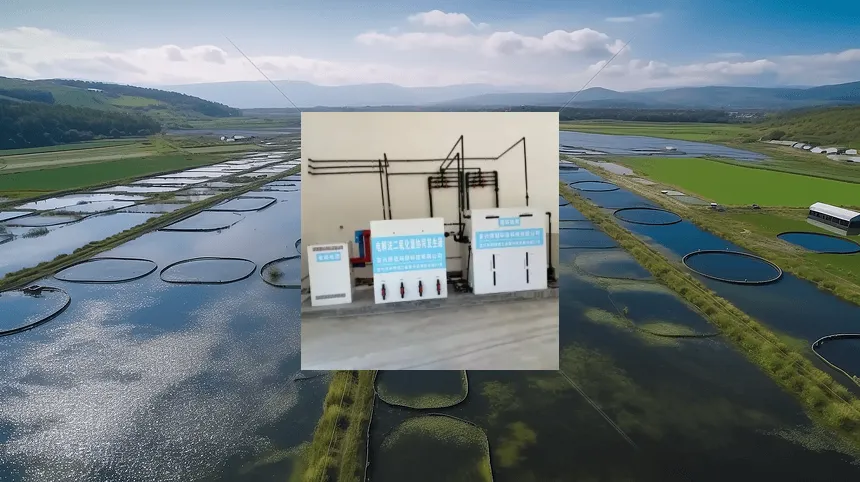
Across freshwater aquaculture bases in Fujian, Guangdong, and Shandong provinces in China, hypochlorous acid generators have delivered tangible results. A bass farming base in Guangdong integrated HOCl generators into its recirculating water system, reducing the incidence of explosive hemorrhage by 70% and significantly improving water clarity. In a tilapia farm in Fujian, the use of HOCl generators increased fish survival rates by 25%-40%, shortened the growth cycle, and improved feed conversion efficiency—boosting overall profits by 30%. Internationally, Norwegian land-based salmon farms have widely adopted HOCl generators to replace traditional ozone and high-concentration chlorine agents, solving the problem of biological filter damage and improving farming sustainability.
Choosing the Right Hypochlorous Acid Generator for Your Freshwater Farm
When selecting a hypochlorous acid generator, freshwater farmers should consider factors such as farming scale, water volume, and specific aquatic species. Look for equipment with intelligent IoT monitoring capabilities to ensure real-time adjustment of HOCl concentration and stable operation. Prioritize generators with military-grade titanium anodes for long service life and low maintenance costs. Additionally, choose a manufacturer with professional technical support and after-sales service—especially one with experience in the aquaculture industry—to ensure the equipment is properly installed and optimized for your specific farming needs.
The Future of Freshwater Aquaculture: Sustainable, Efficient, and Profitable
As the global demand for aquatic products grows and environmental regulations become stricter, freshwater aquaculture is shifting toward green, efficient, and sustainable models. Hypochlorous acid generators are at the forefront of this transformation, offering a science-driven solution that balances productivity, animal welfare, and environmental protection. By replacing traditional chemical disinfectants with on-site, residue-free HOCl production, farmers can reduce risks, cut costs, and produce safer, higher-quality aquatic products.
At [Your Water Treatment Company Name], we specialize in developing customized hypochlorous acid generator solutions for freshwater aquaculture. With decades of experience in electrochemical water treatment technology, our equipment is designed to meet the unique needs of farmers, from small ponds to large-scale industrial operations. Let us help you unlock the full potential of your freshwater aquaculture business—one drop of clean water at a time.