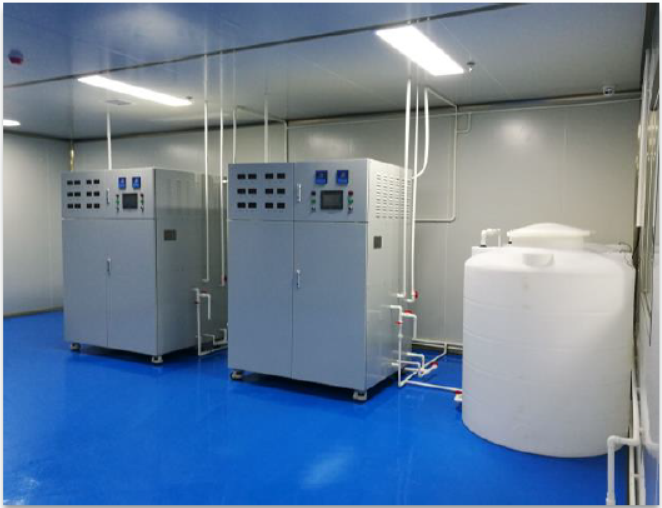
Sustainable and efficient water treatment is the core foundation of modern intensive aquaculture. Pond water is prone to excessive breeding of vibrio, harmful bacteria, fungi and residual organic pollutants during the breeding cycle, which easily causes water turbidity, increased ammonia nitrogen, frequent fish and shrimp diseases, and reduced breeding yield and quality. Traditional aquaculture disinfection methods relying on chemical disinfectants, antibiotics and manual dosing have prominent drawbacks such as residual pollution, unstable disinfection effect, high operating costs and easy microbial resistance. As a green and on-site water treatment technology, hypochlorous acid (HOCl) generators have become a mainstream reliable solution for aquaculture pond water disinfection, helping breeding enterprises achieve antibiotic-free breeding, stable water quality and high-efficiency production. This article elaborates on the working principle, core advantages, practical application scenarios and standardized operation solutions of hypochlorous acid generators in aquaculture pond disinfection.
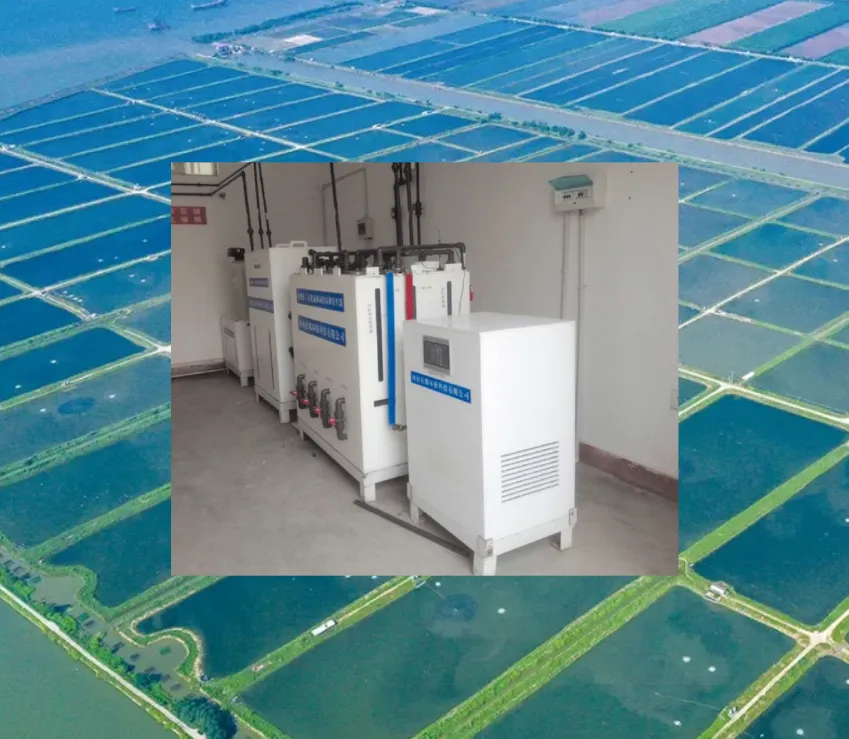
The Pain Points of Traditional Aquaculture Pond Disinfection
Most aquaculture ponds adopt open water environments with slow water circulation and complex water quality components. Long-term feeding residue, aquatic excrement and sediment accumulation will continuously destroy the water ecological balance. The traditional disinfection methods adopted by most farmers can no longer adapt to the requirements of standardized and green aquaculture, and the main pain points are concentrated in four aspects.
First, the disinfection effect is unstable and inefficient. Traditional chlorine-containing disinfectants have slow sterilization speed and limited bactericidal spectrum. They cannot completely remove vibrio and conditional pathogens in the water, resulting in a high incidence of fish and shrimp gill rot, black body and enteritis diseases, especially in high-temperature and rainy seasons.
Second, there are chemical residues and ecological hazards. Commercial disinfectants and antibiotics are prone to residual accumulation in water and pond sediment, which will irritate the gills and body surfaces of aquatic organisms, affect their growth and survival rate, and even lead to substandard aquatic product quality, failing to meet export and high-market sales standards.
Third, the operating cost is high and the operation is complicated. Manual purchasing, storage and artificial dosing of chemical agents not only consume a lot of labor costs, but also face hidden dangers of agent deterioration and inaccurate dosing concentration. Excessive dosing will damage the water ecological environment, while insufficient dosing will fail to achieve disinfection purposes.
Fourth, secondary pollution is serious. Traditional disinfection products will produce harmful by-products after reaction, which will damage the beneficial bacteria system in the pond, break the water balance, cause repeated deterioration of water quality, and increase the difficulty of subsequent water treatment and pond maintenance.
Working Principle and Core Advantages of Hypochlorous Acid Generators
The hypochlorous acid generator is an on-site electrolytic water treatment equipment. It adopts safe raw materials of tap water and edible salt, and generates high-purity slightly acidic hypochlorous acid electrolytic water through intelligent electrolysis technology without adding any chemical agents. HOCl, as a neutral small-molecule disinfectant, can quickly penetrate the cell walls of bacteria, viruses and fungi, destroy their internal protein and nucleic acid structures, and achieve rapid inactivation of harmful microorganisms. Compared with traditional disinfection methods, it has irreplaceable core advantages in aquaculture scenarios.
Efficient and broad-spectrum sterilization with no microbial resistance. The hypochlorous acid electrolyzed water produced by the equipment can inactivate 99.9% of common aquatic harmful pathogens such as vibrio, escherichia coli and mold within 15 seconds, with a sterilization efficiency 80-100 times higher than traditional chlorine-based disinfectants. Long-term use will not cause microbial drug resistance, which can effectively reduce the incidence of aquatic diseases by more than 30%.
Green and safe with zero residue and no secondary pollution. HOCl is a natural environmentally friendly disinfectant. After completing the disinfection and purification work in the pond water, it will automatically decompose into water and trace harmless salt in a short time, without any chemical residue. It will not irritate aquatic organisms, damage beneficial bacteria groups or pollute the pond bottom sediment, fully meeting the standard of green and antibiotic-free aquaculture.
On-site intelligent preparation with low operating cost. The equipment supports 24-hour automatic continuous operation, realizing real-time on-demand preparation and on-site use, eliminating the links of chemical agent purchase, transportation and storage. The raw materials are simple and easy to obtain, with extremely low daily operating cost, and the intelligent dosing system avoids manual errors, saving a lot of labor and material costs for breeding enterprises.
Multi-functional water quality optimization. In addition to efficient disinfection and sterilization, hypochlorous acid electrolyzed water can also decompose organic residues in water, reduce ammonia nitrogen and nitrite content, remove water odor and algae, improve water transparency, effectively improve the pond water micro-ecological environment, and promote the healthy growth of fish, shrimp and crabs.
Complete Application Solution of Hypochlorous Acid Generator for Aquaculture Ponds
Combined with the whole-cycle breeding characteristics of aquaculture ponds, we have formulated a standardized phased application solution for hypochlorous acid generators, covering pond pre-treatment, seedling breeding period, adult breeding period and tail water purification, to realize full-cycle water quality protection.
1. Pond Cleaning and Pre-Breeding Disinfection Stage
After pond cleaning and before seedling placement, use high-concentration hypochlorous acid electrolyzed water prepared by the equipment for full-pond spraying and bottom soaking. It can thoroughly kill residual pathogens, insect eggs and algae spores in the pond sediment and water body, eliminate hidden dangers of early breeding diseases, and improve the safety of the breeding environment. After disinfection, stand for 2-3 days, and the water body will automatically restore balance without cleaning the pond repeatedly, saving pre-breeding preparation time.
2. Seedling Breeding and Cultivation Stage
The seedling stage is the most vulnerable period for aquatic seedlings with low survival resistance. Adopt low-concentration (0.5-1.0mg/L) hypochlorous acid water for regular circulating disinfection and water quality regulation. The mild and non-irritating disinfection mode will not damage the growth of seedlings, can effectively inhibit the proliferation of conditional pathogens in the water, maintain the stability of dissolved oxygen and water quality, and increase the seedling survival rate by more than 30%.
3. Adult Aquaculture Growth Stage
In the high-temperature season and high-incidence period of aquatic diseases, start the equipment for regular quantitative water body disinfection. According to the pond water volume and water quality changes, adjust the electrolysis concentration and dosing frequency dynamically. It can continuously inhibit vibrio reproduction, reduce the occurrence of gill diseases and intestinal diseases of adult fish and shrimp, reduce breeding mortality, and at the same time decompose residual feed and aquatic excrement, reduce ammonia nitrogen accumulation, and keep the pond water fresh and stable for a long time.
4. Tail Water Purification and Reuse Stage
For aquaculture tail water that needs to be discharged or recycled, use hypochlorous acid generators for terminal disinfection and purification treatment. It can remove harmful bacteria and organic pollutants in tail water, make the tail water discharge meet environmental protection standards, and realize water resource recycling, reducing aquaculture water consumption and environmental protection pressure.
Actual Application Benefits and Industry Value
After large-scale promotion and practical verification in shrimp, fish and crab breeding ponds at home and abroad, the hypochlorous acid generator aquaculture disinfection solution has achieved remarkable economic and environmental benefits. For breeding enterprises, it can shorten the breeding cycle, increase the total pond output, and reduce the cost of drugs and water quality maintenance. At the same time, it avoids antibiotic residues, effectively improves the quality and commercial value of aquatic products, and helps enterprises pass green aquaculture certification and expand high-end market channels.
From the perspective of industry development, this green disinfection technology completely abandons the backward mode of chemical disinfection, reduces the use of aquatic antibiotics, reduces aquaculture pollution emissions, and promotes the transformation and upgrading of the aquaculture industry to green, standardized and sustainable development. It is an essential water treatment equipment for modern intelligent aquaculture farms.
Conclusion
Stable water quality and safe disinfection are the key to efficient aquaculture production. Traditional disinfection methods are gradually unable to meet the dual requirements of aquaculture efficiency and environmental safety. Hypochlorous acid generators rely on the advantages of green safety, high efficiency and low cost, intelligent operation and zero residue, providing a full-cycle, professional and reliable water disinfection solution for aquaculture ponds. It can effectively solve various water quality and disease problems in the breeding process, help breeding enterprises reduce costs and increase efficiency, and boost the high-quality development of the modern aquaculture industry.