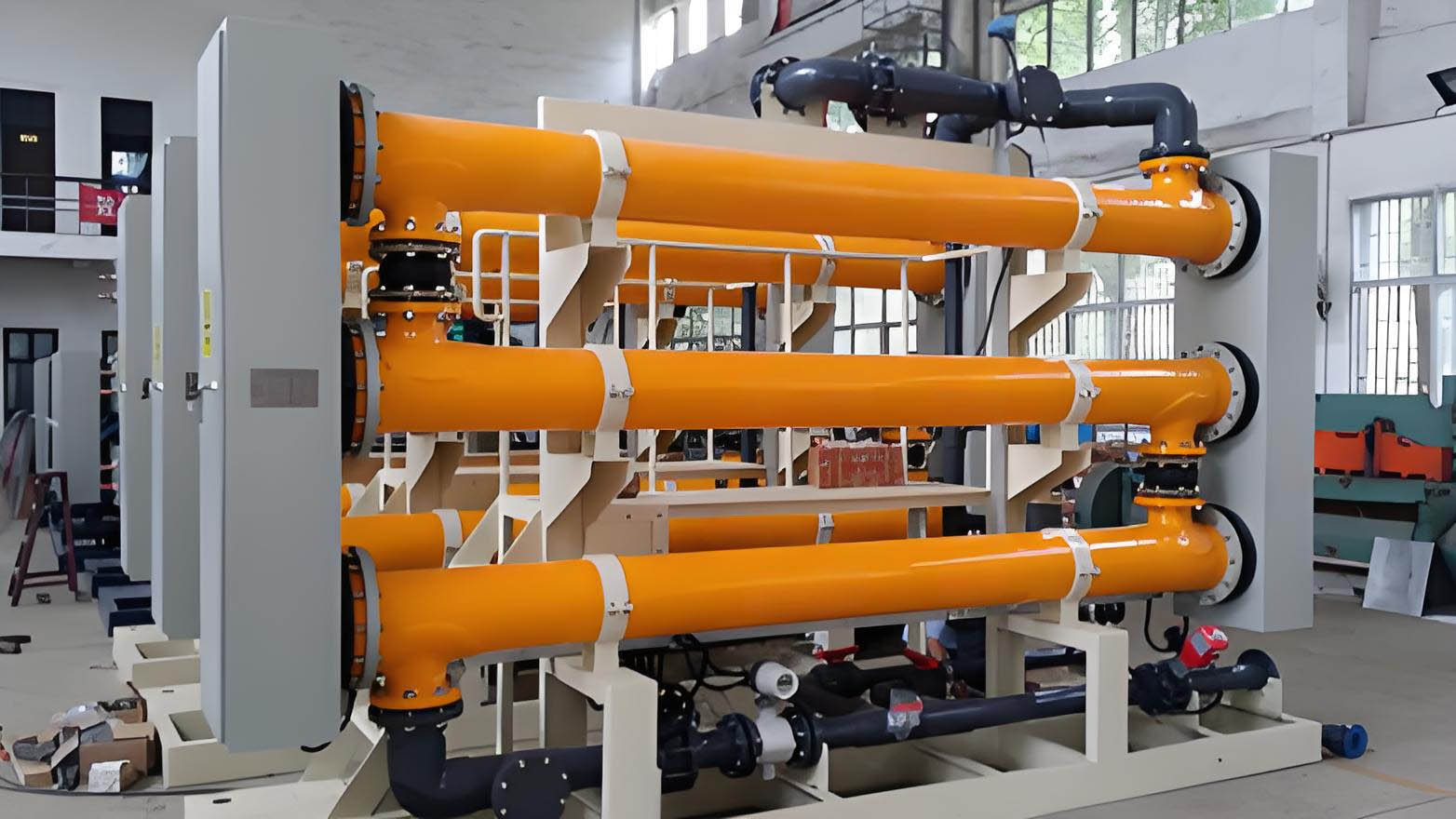
Coastal thermal power plants rely heavily on seawater for cooling, condenser operation, and auxiliary system circulation. While abundant and cost-effective, raw seawater carries diverse marine organisms, including algae, barnacles, mussels, and microbial biofilms. These organisms attach to pipeline inner walls, heat exchangers, condensers, and cooling equipment, causing severe marine bio-fouling. Uncontrolled bio-fouling reduces heat transfer efficiency, clogs flow channels, increases operational resistance and energy consumption, and even triggers equipment corrosion and unplanned downtime. As a reliable, eco-friendly, and cost-efficient water treatment technology, seawater electro-chlorination has become the mainstream solution to eliminate bio-fouling risks for coastal thermal power plants worldwide.
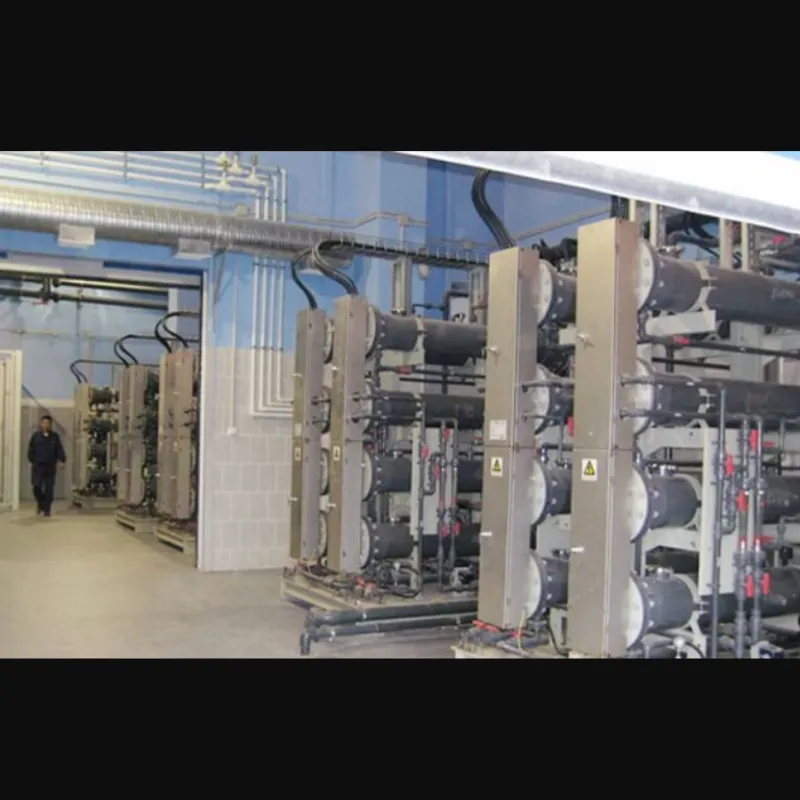
The Hidden Risks of Marine Bio-Fouling for Coastal Power Plant Operations
Marine bio-fouling is a persistent operational challenge for all seawater-cooled thermal power plants. Unlike conventional scale or sediment pollution, bio-fouling is a dynamic, self-reproducing problem. Microbial spores and larval organisms in seawater continuously adhere to equipment surfaces, grow rapidly under suitable seawater temperature and flow conditions, and form thick biofilms and biological deposits over time.
The impacts of bio-fouling are comprehensive and costly. First, biological attachments form an insulating layer on condenser and heat exchanger surfaces, drastically lowering heat exchange efficiency. To maintain rated power generation capacity, power plants have to increase cooling water flow and unit operating load, leading to a sharp rise in power consumption and operational costs. Second, accumulated bio-fouling narrows pipeline and equipment flow passages, increases water flow resistance, and causes system pressure fluctuations, which affects the stability of the entire cooling circulation system.
In addition, the metabolites and decaying residues of marine organisms accelerate electrochemical corrosion of metal equipment, shortening the service life of pipelines, pumps, and heat exchange devices. Severe bio-fouling can even cause equipment blockages and system failures, forcing temporary shutdowns for cleaning and maintenance, resulting in huge economic losses and reduced power supply reliability. Traditional manual cleaning and physical descaling methods are inefficient, labor-intensive, and unable to achieve long-term continuous anti-fouling effects.
What Is Seawater Electro-Chlorination and Its Core Working Principle
Seawater electro-chlorination is an on-site electrochemical water treatment technology tailored for marine cooling water systems. Different from traditional chemical chlorination that relies on purchased liquid chlorine or solid chlorine agents, this technology uses natural seawater as the raw material and generates low-concentration sodium hypochlorite (NaOCl) disinfectant on-site through electrolysis, realizing continuous and automatic bio-fouling prevention and control.
The core working principle is simple, safe, and efficient. During operation, a small part of the intake seawater is guided into the electrolytic cell. Under the action of direct current, the chloride ions in seawater undergo electrolytic reaction to produce hypochlorous acid and hypochlorite ions. These active chlorine substances have strong oxidizing properties, which can effectively inactivate marine microbial spores, algae, and shellfish larvae in cooling water, inhibit their adhesion and reproduction on equipment surfaces, and fundamentally prevent the formation of biofilms and biological fouling.
The system supports low-concentration continuous dosing, maintaining a stable residual chlorine level of 0.1–0.5 mg/L in the cooling water circulation system. This concentration is sufficient to suppress biological growth without causing adverse impacts on equipment materials and the marine ecological environment. Moreover, the electro-chlorination system operates automatically with intelligent monitoring, adjusting electrolysis output and dosing volume in real time according to seawater temperature, water flow, and biological activity changes, ensuring stable anti-fouling effects throughout the year.
Key Advantages of Electro-Chlorination Over Traditional Anti-Fouling Solutions
Compared with traditional chemical dosing, manual cleaning, and ultraviolet sterilization anti-fouling methods, seawater electro-chlorination has prominent comprehensive advantages, perfectly matching the long-term and stable operation needs of coastal thermal power plants.
First, it eliminates chemical safety risks. Traditional liquid chlorine and chemical bactericides face hidden dangers in transportation, storage, and manual dosing, including leakage, corrosion, and toxic hazards. Electro-chlorination realizes on-site on-demand production, with no chemical inventory, zero transportation risks, and higher operational safety, complying with industrial safety production specifications.
Second, it delivers superior anti-fouling stability and continuity. Physical cleaning and ultraviolet sterilization can only achieve intermittent treatment, unable to inhibit continuous biological reproduction in seawater. Electro-chlorination supports 24/7 uninterrupted operation, forming a long-term stable anti-biological protection barrier for the cooling water system, reducing the bio-fouling thickness on pipeline inner walls to below 0.3 mm per month, and maintaining efficient and stable equipment operation.
Third, it reduces overall operational costs. The system only consumes seawater and electric energy during operation, with low daily operating costs and no repeated procurement of chemical agents. It greatly reduces the frequency of equipment shutdown cleaning and maintenance, extends the service life of cooling system equipment, and effectively cuts down power plant operation and maintenance costs.
Fourth, it features eco-friendly and compliant discharge. The active chlorine generated by electrolysis will self-decompose rapidly in natural seawater without residual accumulation. It avoids the environmental pollution problems caused by excessive chemical agent discharge, fully meeting marine environmental protection and wastewater discharge standards for coastal power plants.
Practical Application Value for Coastal Thermal Power Plants
For coastal thermal power plants, seawater cooling system stability is the core guarantee of continuous power generation. Seawater electro-chlorination solves the pain point of persistent marine bio-fouling from the source, bringing multiple practical operational values. It maintains efficient heat exchange performance of condensers and heat exchangers, ensures stable power generation efficiency, and reduces unit energy consumption. It avoids equipment corrosion and blockage caused by biological fouling, lowers equipment failure rates, and improves the overall operational reliability of the power plant.
Meanwhile, the intelligent and automated operation mode of the electro-chlorination system reduces manual intervention and labor costs, realizing unmanned and refined management of cooling water anti-fouling treatment. For power plants pursuing safe, efficient, low-consumption, and environmentally friendly operation, this technology has become an indispensable standard configuration for seawater cooling system treatment.
Conclusion
Marine bio-fouling is a long-standing bottleneck restricting the efficient and stable operation of coastal thermal power plants. Traditional anti-fouling methods have obvious shortcomings in safety, continuity, economy, and environmental protection. As a mature and advanced water treatment technology, seawater electro-chlorination solves bio-fouling problems fundamentally through on-site electrolytic disinfection, with outstanding advantages in safety, stability, efficiency, and low energy consumption.
With the continuous upgrading of power plant environmental protection standards and refined operation requirements, seawater electro-chlorination will become the mainstream anti-fouling solution for more coastal thermal power plants, helping the power industry achieve safer, greener, and more economical operational development.