

Introduction
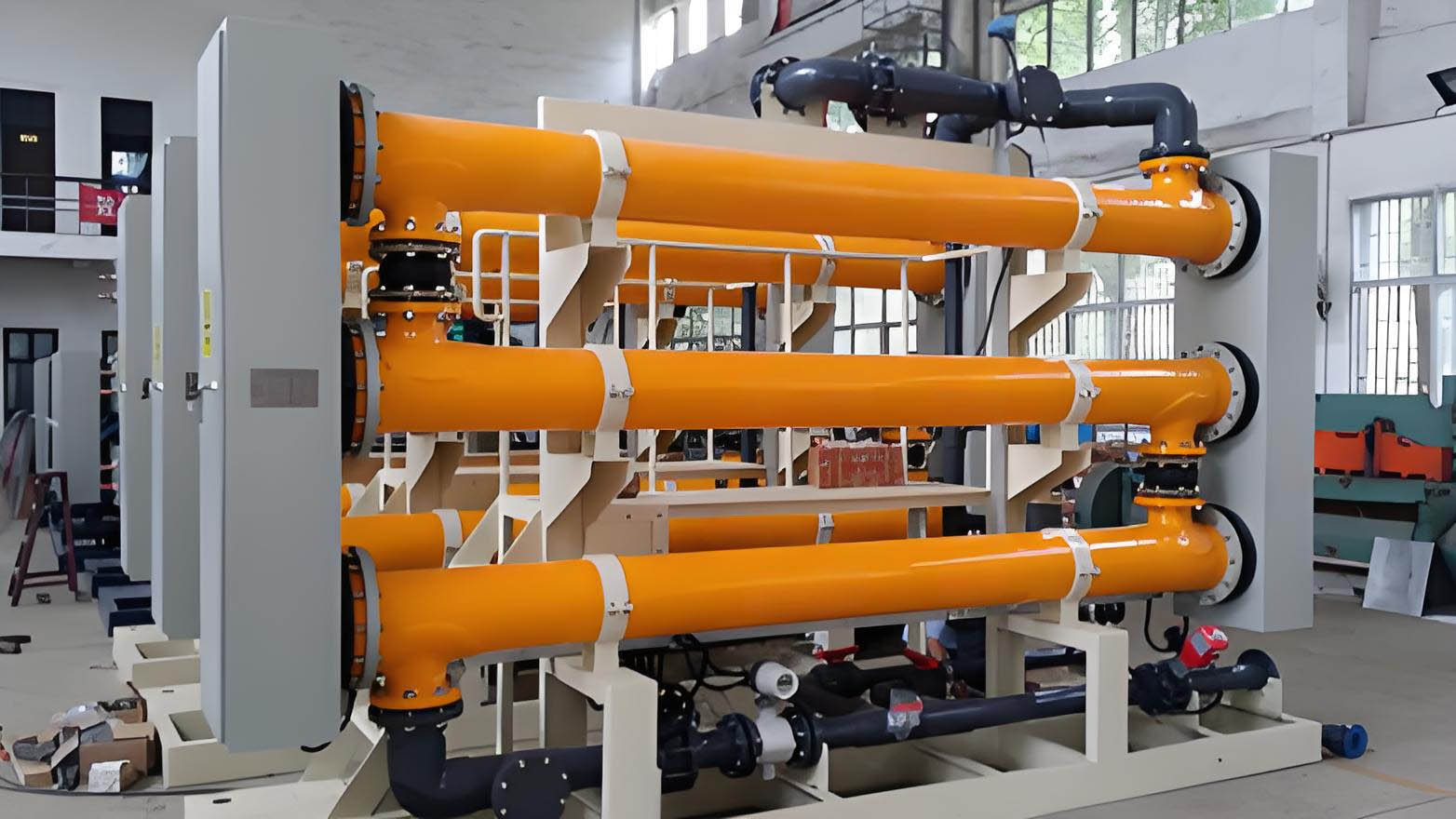
Seawater salinity is one of the most critical factors affecting electrochlorination system performance. Unlike fixed water quality in industrial pipelines, natural seawater salinity varies significantly across different sea areas, tides, seasons, and coastal environments. Estuary waters affected by freshwater dilution often present low salinity, open offshore areas maintain stable standard salinity, and enclosed harbor waters usually form relatively high salinity levels. If electrochlorination equipment adopts fixed current, flow and working parameters for all salinity environments, it will inevitably lead to insufficient chlorine production, excessive power consumption, electrode scaling, and unstable system operation.
Professional electrochlorination operation requires targeted dynamic parameter adjustment according to real-time seawater salinity changes. Reasonable parameter matching can stabilize electrolysis reaction efficiency, ensure consistent residual chlorine output, reduce unnecessary energy loss, and extend the service life of electrolytic cells and core components. This article systematically analyzes the operational characteristics of electrochlorination devices under different salinity conditions and provides standardized parameter adjustment schemes for industrial marine electrolysis projects.
1. How Seawater Salinity Affects Electrochlorination Operational Performance
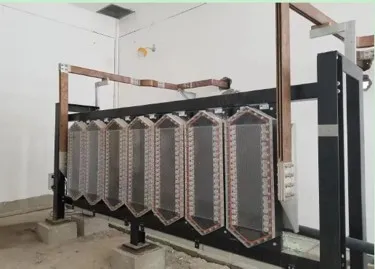
Salinity directly determines the chloride ion content and conductivity of seawater, which are the basic conditions for electrochemical electrolysis reactions. Higher seawater salinity means higher chloride ion concentration and stronger water conductivity, which can support more efficient electrolysis reactions under the same current conditions. On the contrary, low-salinity seawater has low conductivity and insufficient chloride ions, resulting in weak electrolysis reaction and reduced effective chlorine generation efficiency.
2. Standard Parameter Adjustment Scheme for Normal Salinity Open Seawater
Open offshore seawater with stable salinity between 30‰ to 35‰ belongs to the most suitable working condition for electrochlorination systems. Under standard salinity environment, the seawater conductivity and chloride ion concentration are kept within the optimal electrolysis range, and the system can maintain stable and efficient electrolysis reaction with conventional parameter settings.
For normal salinity seawater, the equipment maintains rated constant current operation and matched fixed inlet water flow. The electrolysis voltage remains stable within the standard working range, and the residual chlorine output reaches the design standard without excessive fluctuation. In daily operation, operators only need to keep the system running with default factory parameters, regularly monitor data stability, and conduct routine cleaning and maintenance. No frequent parameter modification is required, which is the most stable and energy-saving operating mode of electrochlorination equipment.
3. Parameter Adjustment Strategy for Low Salinity Diluted Seawater
Coastal estuaries, river confluence areas and rainy season sea areas usually form low salinity seawater below 28‰. Due to insufficient chloride ions and reduced water conductivity, the electrolysis reaction rate decreases significantly with standard parameters, resulting in low residual chlorine concentration and poor antifouling effect.
To solve low-salinity operation problems, the core adjustment scheme is to properly increase electrolysis current density and appropriately reduce single-path seawater inlet flow. Reducing water flow allows unit seawater to stay longer in the electrolytic cell and fully participate in the electrolysis reaction. Increasing the working current compensates for the insufficient reaction intensity caused by low conductivity, ensuring that the effective chlorine production returns to the standard design value.
4. Optimization Adjustment Scheme for High Salinity Enclosed Seawater
Enclosed harbors, slow-flow sea areas and high-temperature evaporation seasons easily form high salinity seawater above 35‰. High-salinity seawater has ultra-high conductivity and sufficient chloride ions, which greatly improves electrolysis efficiency. If the original standard parameters are still adopted, the electrolysis reaction will be over-intensified, causing increased power consumption, accelerated electrode oxidation and aggravated hydrogen by-product generation.
Reasonable parameter reduction can effectively reduce the operating temperature of the electrolytic cell, slow down the aging speed of the electrode coating, and prolong the service life of core components. At the same time, under high-salinity and high-concentration electrolysis environment, the system’s hydrogen generation efficiency increases synchronously, so it is necessary to strengthen ventilation monitoring and ensure the normal operation of the hydrogen exhaust system to maintain operational safety.
5. Dynamic Adaptation Scheme for Seasonal and Tidal Salinity Fluctuations
Most coastal projects face periodic salinity fluctuations caused by tides, seasons and rainfall. The salinity rises during dry seasons and high tides, and drops sharply during rainy seasons and ebb tides. Fixed manual parameters cannot adapt to frequent water quality changes, leading to periodic operational instability.
Modern intelligent electrochlorination systems support automatic dynamic adaptation. By installing real-time salinity sensors, the system can automatically identify seawater salinity changes and match current and flow parameters in real time. When salinity decreases, the system actively boosts current and reduces flow; when salinity increases, it automatically reduces load and optimizes energy consumption. This closed-loop adjustment mode completely solves the operational instability caused by salinity fluctuation and realizes unattended intelligent operation throughout the year.
6. Operational Precautions for Salinity Parameter Adjustment
In the process of parameter tuning for different salinity environments, several key operational specifications must be followed. First, parameter adjustment should adopt gradual fine-tuning instead of one-time large-scale modification to prevent electrolysis reaction disorder and equipment parameter shock. Second, after each adjustment, data observation of no less than 30 minutes is required to confirm the stability of residual chlorine, voltage and current data before formal continuous operation.
Third, it is forbidden to operate under ultra-high current and ultra-low flow for a long time under low salinity conditions, so as to avoid local overheating of the electrolytic cell and accelerated scaling. Fourth, under high salinity low-load operation, regular inspection of electrode operating status is required to prevent long-term low-load operation from causing uneven electrolysis reaction.
Conclusion
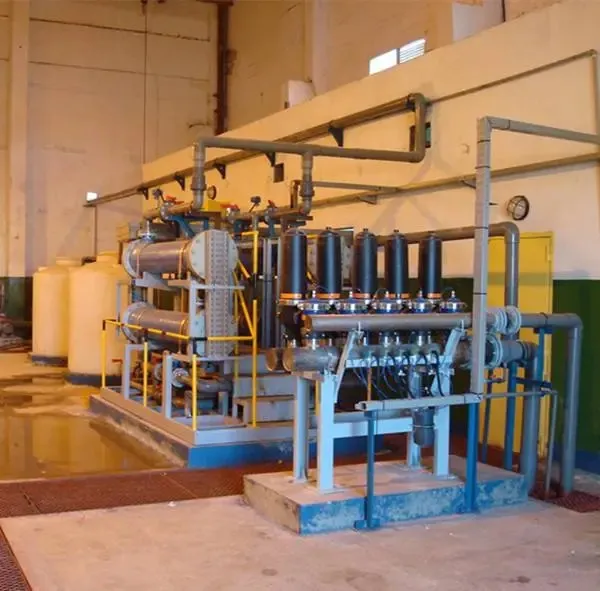
Seawater salinity change is an inevitable environmental factor in marine electrochlorination projects. Fixed operational parameters cannot adapt to complex and variable sea area conditions. Scientific classification adjustment for low salinity, standard salinity and high salinity seawater can effectively stabilize electrolysis efficiency, ensure qualified antifouling and disinfection effects, reduce system energy consumption, and delay core component aging.