
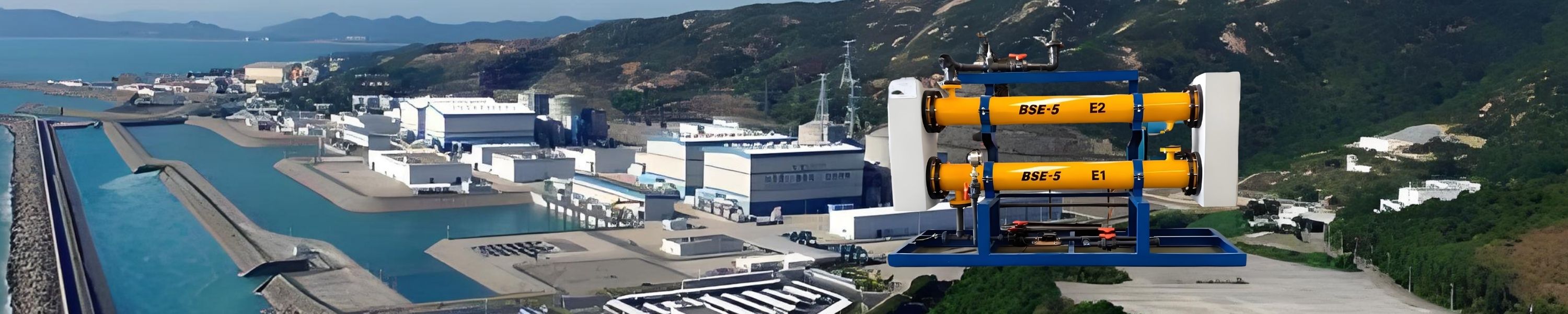
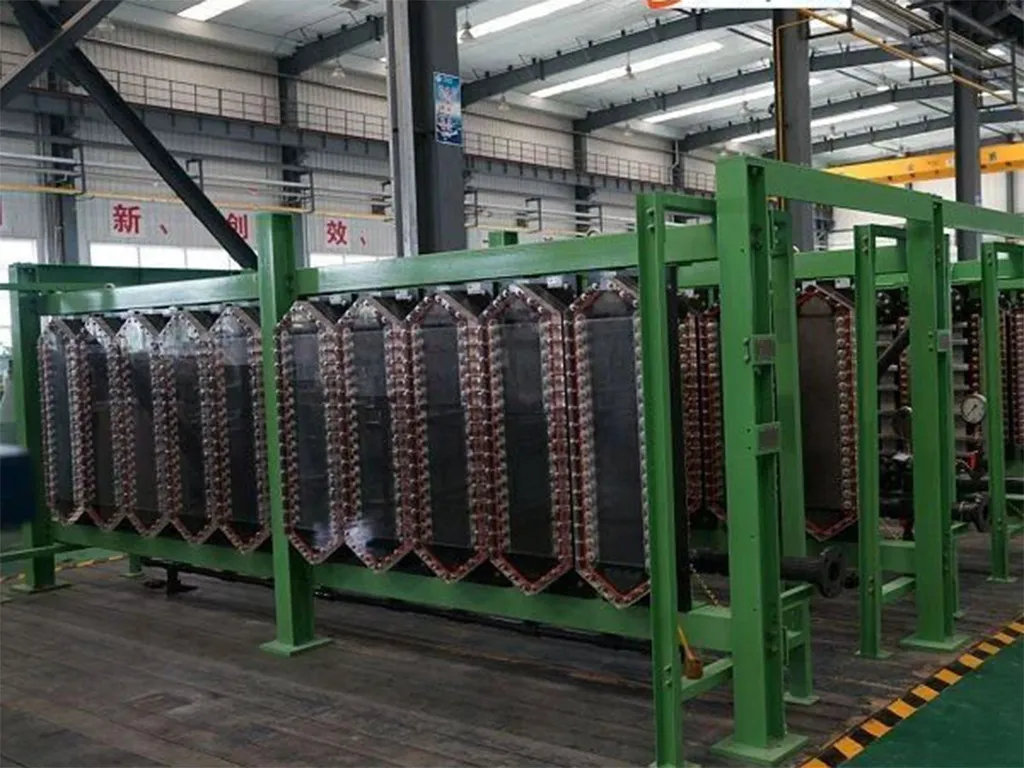
Electrolytic chlorination systems are widely used for seawater disinfection, cooling water biocide treatment, ballast water management and industrial water sterilization. The on-site generated sodium hypochlorite and trace chlorine gas carry corrosive and toxic hazards. Stable operation relies not only on routine maintenance, but also on standardized leakage prevention and mature emergency disposal workflows. Improper handling of leaks will cause equipment corrosion, personnel injury and environmental pollution. This article sorts out practical leakage protection schemes and emergency response guidelines for electrolytic chlorination systems.
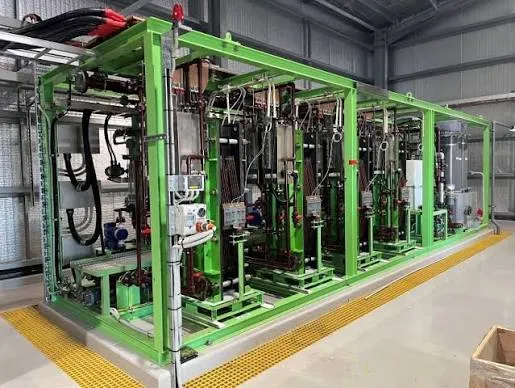
1. Common Leakage Risks of Electrolytic Chlorination Systems
Most leakage failures occur in pipeline connections, electrolytic cell flanges, metering pumps, sampling ports and exhaust pipelines. Two main hazardous mediums need attention: sodium hypochlorite solution and free chlorine gas. Sodium hypochlorite is strongly corrosive. Long-term permeation will damage gaskets, PVC and FRP pipelines. Chlorine gas is highly irritating. Even small accumulations in confined spaces can trigger poisoning risks. Common inducements include aging sealing parts, excessive system backpressure, improper pipeline support, over-temperature operation and wrong valve operation during commissioning and maintenance. Marine on-board and offshore platform systems face higher risks due to vibration and salt spray erosion.
2. Front-End Leakage Protection Measures
Prevention is the core of safety management for electrolytic chlorination units. A complete protection system covers material selection, layout design and online monitoring. First, select compatible corrosion-resistant materials for wetted parts. Piping, valve bodies and gaskets must resist oxidation from hypochlorite. Avoid incompatible rubber and metal materials. Second, configure gas detection sensors for chlorine in the equipment room, with interlock function linked to exhaust fans and system shutdown. Secondary containment is essential. Set up leak collection trenches and sump tanks around electrolytic cells and dosing skids. Any spilled liquid can be collected and neutralized instead of flowing randomly. Regular scheduled inspection of gaskets, joints and pump seals is required. Pressure trend records help identify hidden leakage before visible overflow occurs.
3. Standard Emergency Response for Liquid Leakage (Sodium Hypochlorite)
When sodium hypochlorite solution leakage is found, operators shall follow the fixed sequence: isolate, contain, neutralize and clean. Step one: Cut off the feed water and power supply of the related unit, close the inlet and outlet isolation valves to stop continuous medium outflow. Do not start disassembly before pressure relief. Step two, wear proper PPE including chemical goggles, anti-corrosion gloves and protective apron. Block the spread of leaked liquid with sand or absorbent materials. Step three, carry out neutralization treatment. Sodium hypochlorite leakage can be treated with reducing agent as site SOP specifies. Avoid mixing leakage with acid, which will produce a large amount of toxic chlorine gas. After disposal, test residual concentration before drainage. Record the whole incident for root cause analysis.
4. Chlorine Gas Leak Emergency Disposal
Chlorine gas leakage is a high-level emergency scenario. The first priority is personnel evacuation and ventilation. Once the chlorine alarm triggers or pungent odor is detected, all staff shall evacuate to the upwind safe zone immediately. Do not enter the confined space without air supply respirator. Turn on forced ventilation. Lock out the electrolytic system to stop gas generation. Do not spray water directly toward the gas cloud blindly. Follow site safety manual to deploy gas absorption equipment. Only qualified trained personnel can perform isolation and repair work. After the leak point is sealed, continue ventilation and monitor chlorine concentration until the reading returns to safe threshold.
5. Post-Emergency Inspection & System Recovery
Emergency disposal is not finished after leakage stops. Blind restart is a frequent secondary accident cause. Check electrolytic cell, sensors, pipelines, seals and electrical components for corrosion damage. Verify chlorine detector, interlock shutdown and exhaust system work normally. Test the medium concentration and pipeline tightness. Complete accident report, update maintenance checklist and replace aged vulnerable parts. Organize team retraining if the accident is caused by misoperation. Form a closed-loop management from risk identification to recovery verification.
6. Safety Management Suggestions for Operation Teams
All operators must receive special training on leakage identification, PPE use and emergency drills. Emergency contact list, neutralization materials, respirators and first-aid kits should be placed at obvious, accessible positions near the chlorination skid. Make emergency response cards posted on site with simplified steps. Differentiate response procedures for small seepage, medium leakage and major gas escape. Regular quarterly drills help staff respond calmly without confusion during real accidents.
Conclusion
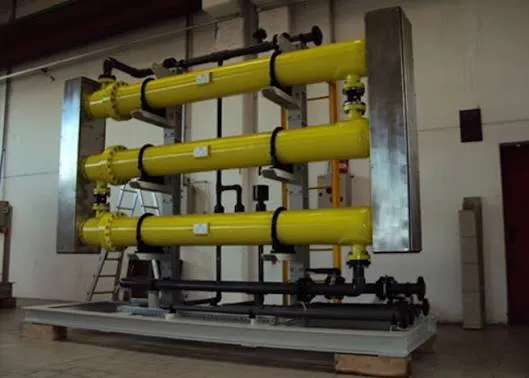
Leakage protection and emergency response are indispensable parts of electrolytic chlorination system operation. Good front-end protection reduces the probability of accidents, while standardized emergency procedures minimize casualties and environmental loss. Water treatment plants, offshore platforms and ship owners can combine site layout, medium parameters and local safety regulations to tailor their SOP, to keep the electrolytic chlorination system safe and compliant in long-term running.