
Introduction
Modern marine aquaculture faces persistent challenges including frequent pathogen outbreaks, deteriorating seawater quality, excessive organic pollutants, and unstable microbial balance in breeding ponds. Traditional aquaculture disinfection methods rely heavily on purchased chemical disinfectants, manual dosing, and irregular water replacement, which easily cause residual pollution, microbial drug resistance, unstable water quality, and low breeding survival rates. In intensive coastal fish, shrimp, and shellfish farming systems, stable, efficient, and eco-friendly water treatment technology has become the core of sustainable aquaculture development.
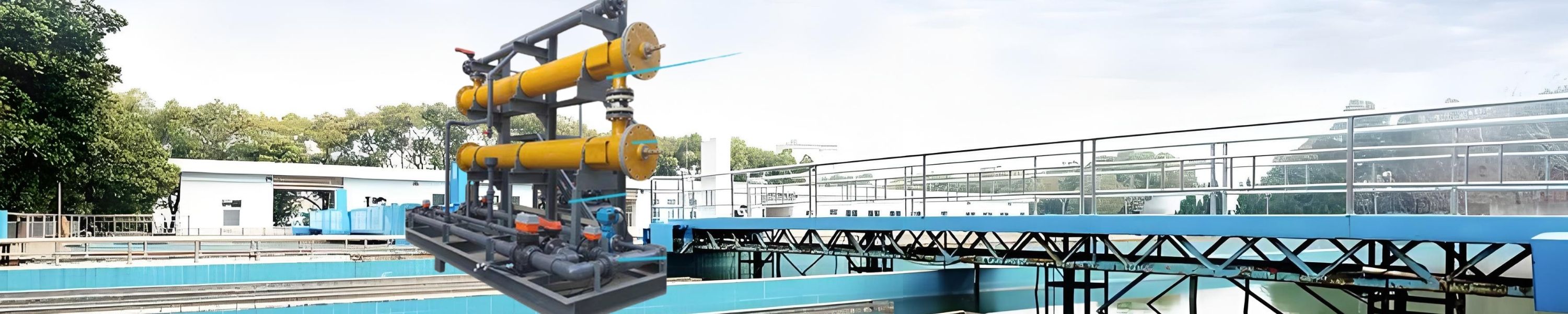
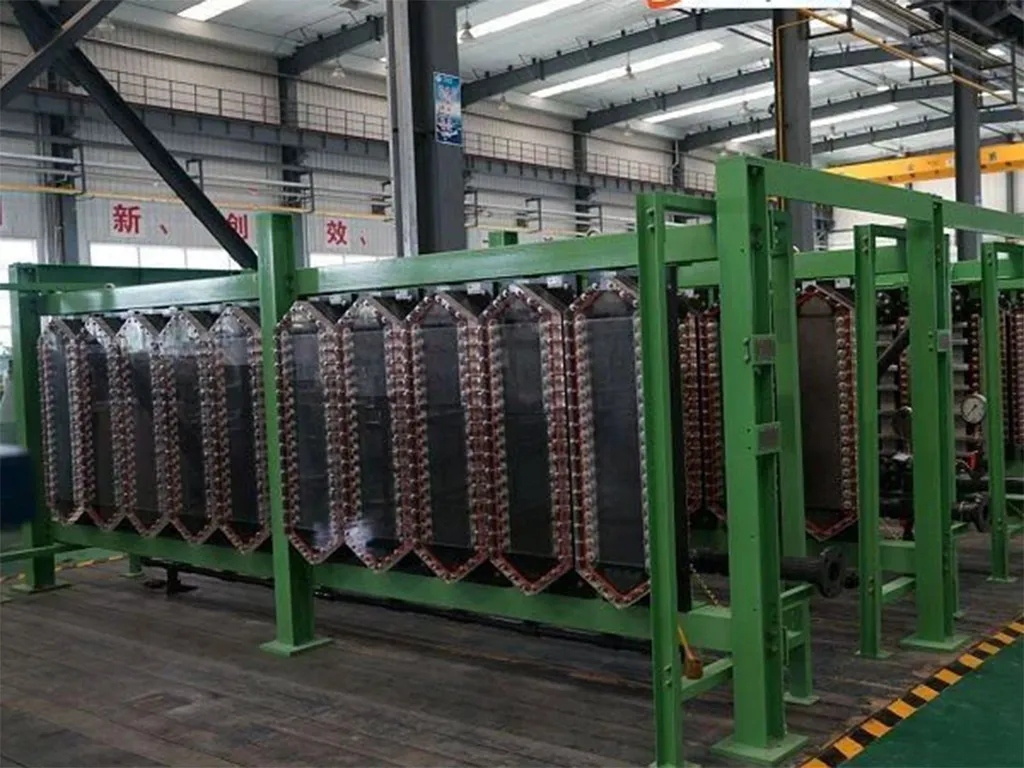
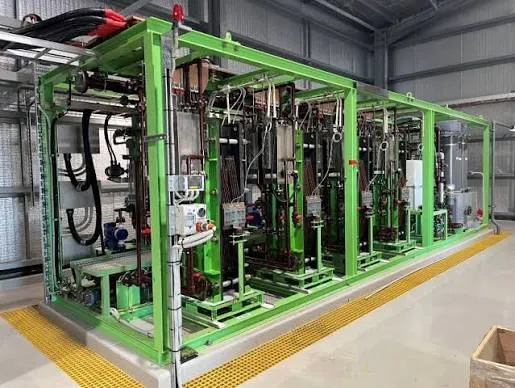
Seawater electrochlorination technology has emerged as a mainstream intelligent water treatment solution for modern aquaculture. It uses natural raw seawater for on-site electrolysis to generate low-concentration sodium hypochlorite disinfectant, realizing real-time disinfection, pathogen inhibition, and water quality purification. Compared with traditional chemical dosing methods, electrochlorination features zero chemical storage, precise automatic dosing, no residual pollution, and continuous water quality optimization. This article comprehensively analyzes the application value, core functions, operational advantages, and standard usage scenarios of seawater electrochlorination in aquaculture farming.
1. Core Aquaculture Pain Points Solved by Electrochlorination Technology
Traditional marine aquaculture water management has obvious technical limitations that restrict farming efficiency and output. First, harmful pathogens such as vibrio, marine viruses, and parasitic microorganisms multiply rapidly in high-temperature and high-salinity breeding water, easily causing large-scale disease outbreaks and massive breeding losses. Manual chemical dosing cannot achieve uniform and continuous disinfection, resulting in repeated pathogen recurrence.
Second, long-term feeding residues and aquatic metabolites accumulate in pond water, leading to rising ammonia nitrogen, nitrite, and organic matter content, reduced water transparency, and decreased dissolved oxygen, which seriously affects the growth and survival of aquatic products. Third, frequent use of commercial chemical disinfectants easily causes drug resistance in microorganisms, destroys the ecological balance of aquaculture water, and leaves chemical residues that affect product quality and food safety.
Seawater electrochlorination completely solves the above pain points through on-site green electrolysis disinfection and intelligent cyclic water treatment, realizing integrated management of pathogen prevention and water quality improvement for aquaculture farms.
2. Key Application Functions of Electrochlorination in Marine Aquaculture
2.1 Broad-Spectrum Pathogen and Disease Control
Electrolytic sodium hypochlorite produced by seawater electrochlorination is a high-efficiency broad-spectrum oxidizing disinfectant, which can effectively kill and inhibit various harmful microorganisms in aquaculture water, including vibrio bacteria, aquatic viruses, pathogenic fungi, and protozoan parasites. It solves the most common aquaculture problems such as shrimp vibriosis, fish bacterial infection, and pond microbial turbidity.
Different from traditional chemical agents, low-concentration electrolytic hypochlorite acts quickly without stimulating aquatic organisms or inducing microbial resistance. Reasonable continuous disinfection can stably control the total number of pathogens in the water body, reduce the incidence of infectious diseases, and significantly improve the survival rate of fish, shrimp and shellfish breeding.
2.2 Efficient Water Quality Purification and Optimization
In addition to disinfection and sterilization, electrochlorination systems have excellent water quality regulation capabilities. The strong oxidizing properties of electrolytic active chlorine can decompose residual bait, aquatic excreta, and organic pollutants in the water body, effectively reduce ammonia nitrogen and nitrite content, improve water transparency, and stabilize the dissolved oxygen balance of breeding water.
Long-term standardized operation can avoid water aging and eutrophication of aquaculture ponds, maintain a clean and stable water ecological environment, and create optimal growth conditions for marine aquatic products, which helps improve growth rate and breeding yield.
2.3 Pipeline Antifouling and Circulating Water System Maintenance
Large-scale intensive aquaculture mostly adopts circulating water supply and pipeline water delivery systems. Marine algae, biofouling, and microbial sludge are easy to adhere to the inner wall of pipelines, resulting in pipeline blockage, reduced water flow, and secondary bacterial breeding. Continuous micro-disinfection by electrochlorination can effectively inhibit biofouling adhesion, keep aquaculture water supply pipelines unobstructed, and ensure the stability of circulating water treatment systems.
3. Unique Advantages of Electrochlorination for Aquaculture Farming
3.1 Green and Environmentally Friendly, No Residual Pollution
Seawater electrochlorination uses natural seawater as raw material without purchasing, transporting or storing hazardous chemical disinfectants. The generated low-concentration sodium hypochlorite will automatically decompose into harmless seawater components after completing disinfection and oxidation reactions, without chemical residue, no damage to aquatic ecology, and no impact on the safety of aquatic products. It fully meets the green and sustainable development standards of modern ecological aquaculture.
3.2 Intelligent Automatic Operation and Low Labor Cost
The aquaculture-specific electrochlorination system supports 24-hour unattended automatic operation, with real-time adjustment of disinfection dosage according to water flow and water quality changes. It replaces traditional manual dosing and regular water changing operations, greatly reducing labor investment and operational errors. The system is equipped with fault self-diagnosis and automatic protection functions, which is safe and reliable for long-term continuous operation.
3.3 Strong Water Quality Adaptability and Low Operating Cost
Different from UV sterilization and pure chemical disinfection which are greatly affected by water turbidity and salinity, seawater electrochlorination can operate stably in high-salinity, slightly turbid and complex coastal aquaculture water environments. On-site generation and immediate use avoid the failure and waste of disinfectant during storage and transportation. Long-term application can greatly reduce the comprehensive water treatment cost of aquaculture farms and improve economic benefits.
4. Standard Application Scenarios in Modern Aquaculture
Seawater electrochlorination technology is widely applicable to all types of marine aquaculture scenarios. It is suitable for intensive shrimp farming, marine fish breeding, shellfish cultivation, and seawater seedling hatching workshops. In seedling stage breeding with extremely high environmental requirements, precise low-dose electrolytic disinfection can ensure the safety and survival rate of fragile seedlings.
For large-scale circulating water aquaculture bases and coastal industrialized farming parks, electrochlorination systems can be matched with overall water treatment projects to realize standardized and intelligent water quality management. It is also applicable to daily water maintenance and emergency disinfection of marine ornamental fish ponds and ecological aquaculture pools.
5. Safe Operation and Usage Specifications for Aquaculture Electrochlorination
To ensure the safety of aquatic products and water ecological balance, aquaculture electrochlorination equipment must adopt low-concentration precise dosing mode. Strictly control the residual chlorine concentration in the breeding water within the safe range for marine organisms to avoid excessive chlorine concentration causing stress reaction of aquatic products. Regularly monitor water quality indicators such as residual chlorine, ammonia nitrogen and turbidity, and dynamically adjust system operating parameters according to seasonal temperature changes and breeding density.
Carry out regular maintenance of electrolytic cells and pretreatment filtration systems to prevent electrode scaling and pipeline blockage, ensure long-term stable electrolysis efficiency, and avoid water quality fluctuation caused by equipment operation abnormalities.
Conclusion
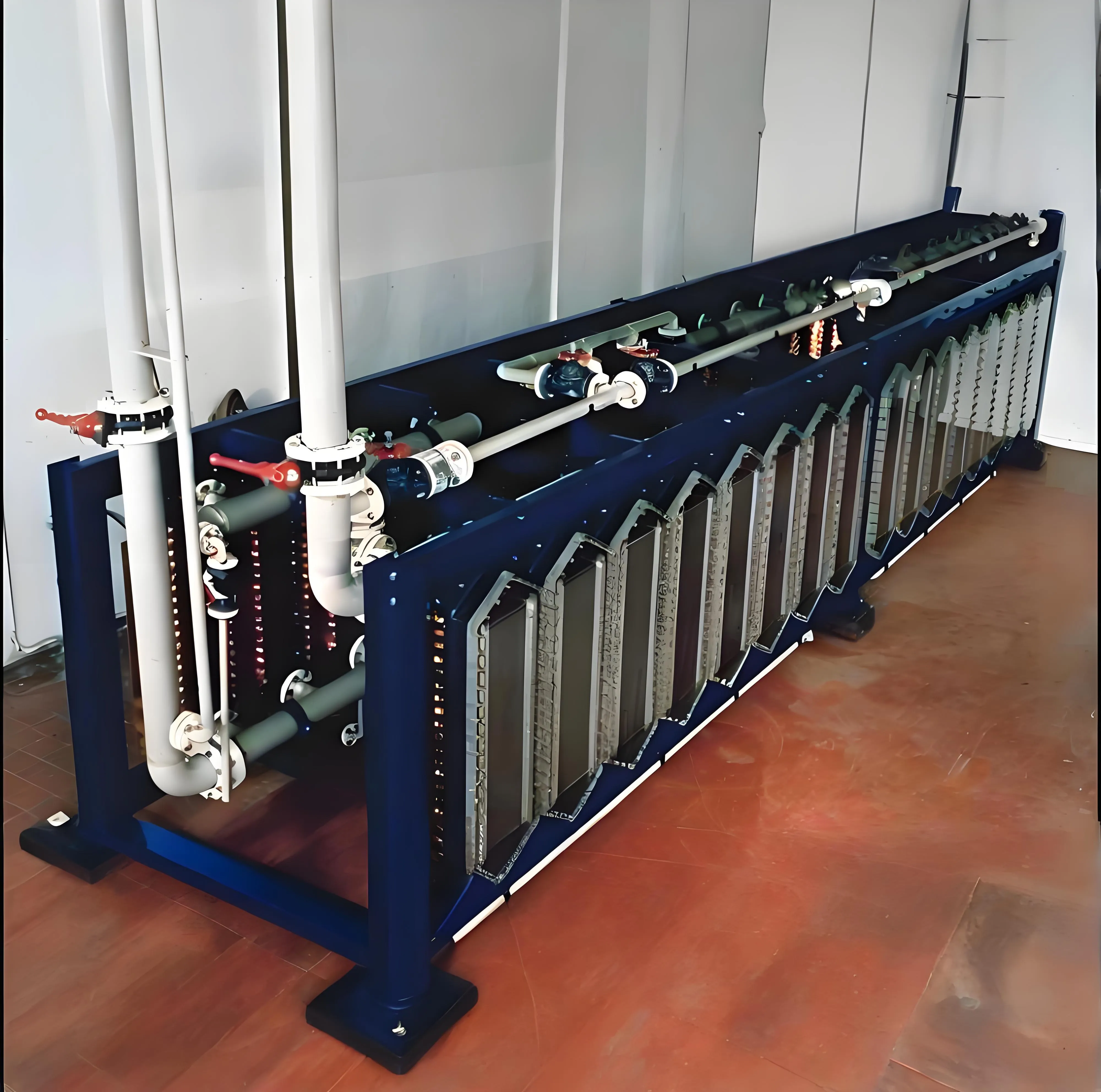
Seawater electrochlorination has become an indispensable core water treatment technology for modern marine aquaculture. It realizes integrated functions of pathogen prevention and control, water quality purification, and pipeline antifouling through green on-site electrolysis disinfection. It solves the problems of high disease rate, unstable water quality, high cost and residual pollution in traditional aquaculture, effectively improves breeding survival rate and output quality, and reduces comprehensive operating costs.
With the continuous upgrading of global ecological aquaculture and food safety standards, intelligent seawater electrochlorination water treatment systems will be more widely promoted in the aquaculture industry, helping marine farming achieve safer, greener, more efficient and sustainable industrial development.