
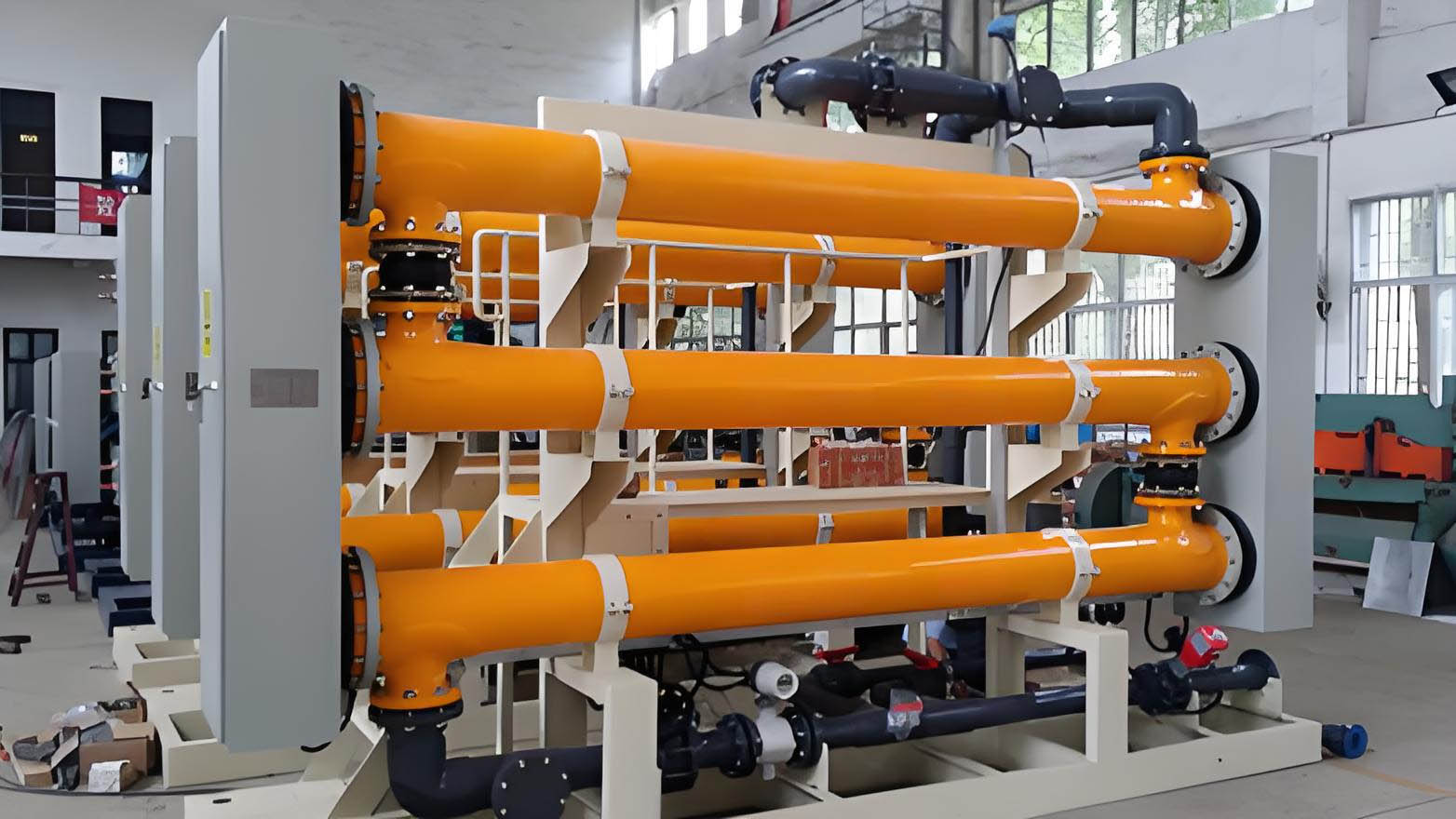
Electrolytic chlorination equipment is widely used in aquaculture, cooling water disinfection, ballast water treatment and offshore platform sterilization. Unexpected shutdowns will interrupt disinfection supply, affect production safety and bring extra repair costs. A standardized preventive maintenance plan is the most reliable way to control risks before faults occur.
Unlike breakdown maintenance that only fixes problems after failure, preventive maintenance arranges regular inspection, cleaning, calibration and component replacement according to operating hours and working conditions. It targets high-risk vulnerable parts of the electrolytic system, stabilizes running efficiency and greatly lowers the probability of unplanned downtime.
Core Inspection Items and Maintenance Cycle
Daily routine checks focus on real-time operating data. Operators need to record current, voltage, salt water inlet flow, temperature and liquid level of the electrolyte tank. Check for pipeline leakage, abnormal noise of pumps and loose wiring terminals. Any deviation from the normal operating range should be marked and tracked immediately.
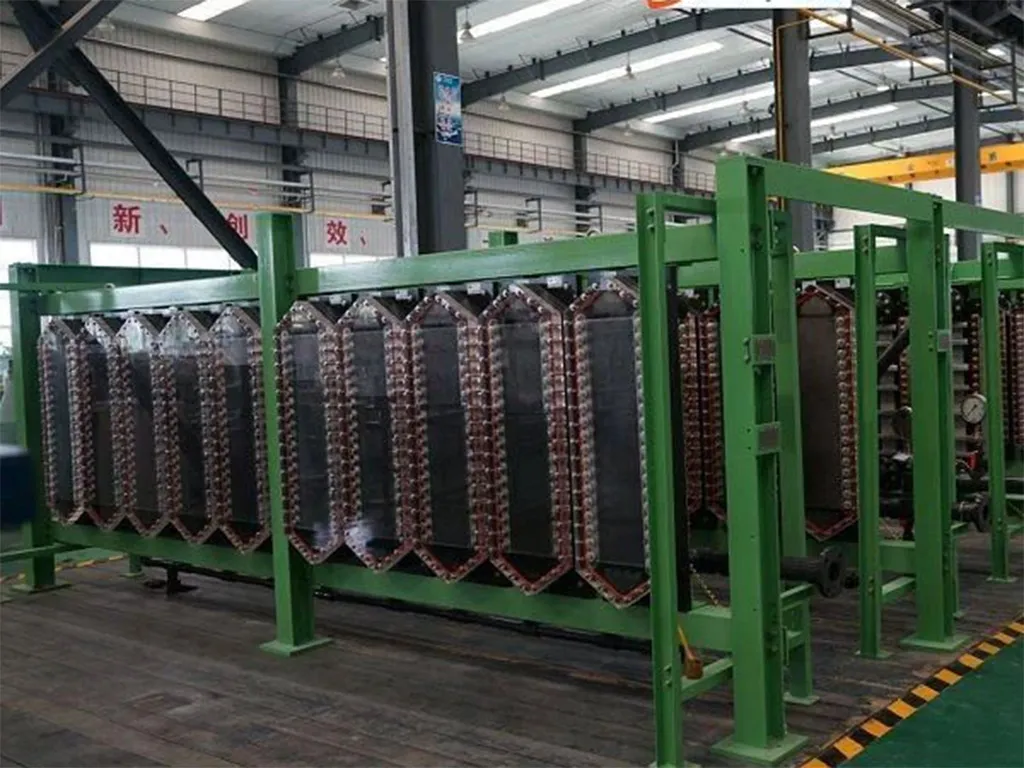
Weekly maintenance mainly includes filter cleaning and electrode surface observation. The pre-filter for seawater or brine is easy to block by sediment and marine biofouling. Blocked filters will cause insufficient water supply and trigger system alarm. At the same time, check whether scaling or biological attachment appears on the electrolytic cell surface, which will reduce electrolysis efficiency and increase power consumption.
Monthly maintenance covers instrument calibration and auxiliary equipment testing. Online sensors including residual chlorine sensor, flow transmitter and conductivity meter need calibration to ensure accurate feedback. Circulation pumps, dosing valves and exhaust devices are tested for flexible action. Fasteners on the electrolyzer frame should be retightened, especially in high-corrosion marine environments.
Quarterly and semi-annual deep maintenance focuses on core consumables. Check the electrode coating condition, inspect gaskets for aging and cracking, test the performance of rectifier and control cabinet. If the equipment runs continuously under high salinity, scaling speed accelerates, and chemical cleaning of the electrolytic cell should be arranged based on actual operation records.
Annual shutdown overhaul is the key node. Carry out full disassembly inspection of the electrolytic module, replace aging sealing parts, check cable insulation, back up control program and test interlock protection functions. The overhaul work should be arranged during planned production gaps to avoid conflict with production schedules.
Key Practices to Avoid Unplanned Shutdown
First, build an operation and maintenance log. Record all operating parameters, maintenance records, alarm history and cleaning time. The historical data helps maintenance engineers judge the degradation trend of components and arrange replacement in advance instead of waiting for sudden failure.
Second, match maintenance standards with working conditions. Units serving offshore platforms or high-salinity seawater face heavier corrosion and fouling pressure, so the maintenance cycle should be shortened properly. Freshwater diluted brine systems can follow the standard cycle. One-size-fits-all maintenance arrangements often lead to insufficient protection or unnecessary over-maintenance.
Third, reserve critical spare parts. Rectifier modules, sensors, sealing gaskets and filter elements are common quick-wear parts. Suitable spare parts inventory can shorten repair time once abnormal conditions happen. Without available spares, minor faults may evolve into long unplanned downtime.
Fourth, train on-site operators. Many sudden shutdowns are caused by improper operation, such as wrong brine concentration, over-temperature running or ignoring early warning alarms. Regular training helps staff identify early fault signals and execute emergency handling procedures correctly.
Common Hidden Dangers Ignored in Maintenance
Many teams only focus on the electrolytic cell but neglect the rectifier and automatic control system. Unstable power supply and aging electronic components are frequent causes of sudden shutdown. Exhaust pipelines are also easy to be ignored; blocked exhaust will build pressure inside the cell and trigger safety interlock stop.
Improper cleaning operation is another hidden risk. Incorrect cleaning agent concentration or overlong pickling time will damage the electrode coating, shorten electrode life and bring more frequent failures later. All chemical cleaning must follow the official operation procedure.
Final Remarks
A mature preventive maintenance plan for electrolytic chlorination equipment balances inspection frequency, consumable cost and production stability. It shifts the maintenance mode from passive emergency repair to active risk control. With standardized periodic inspection, data recording, spare part management and personnel training, plant owners can obviously reduce unplanned downtime, keep stable disinfection output and lower the total life-cycle cost of the electrolytic chlorination system.