
Introduction
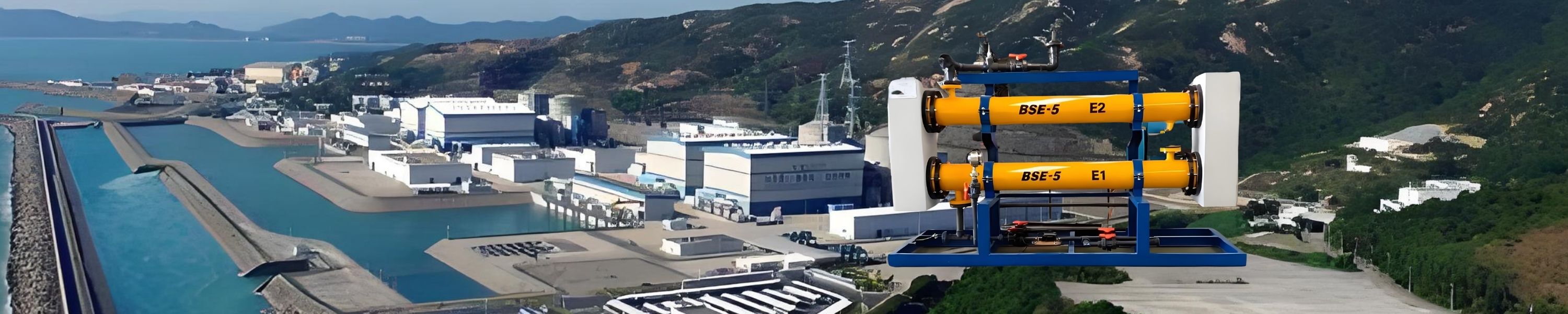
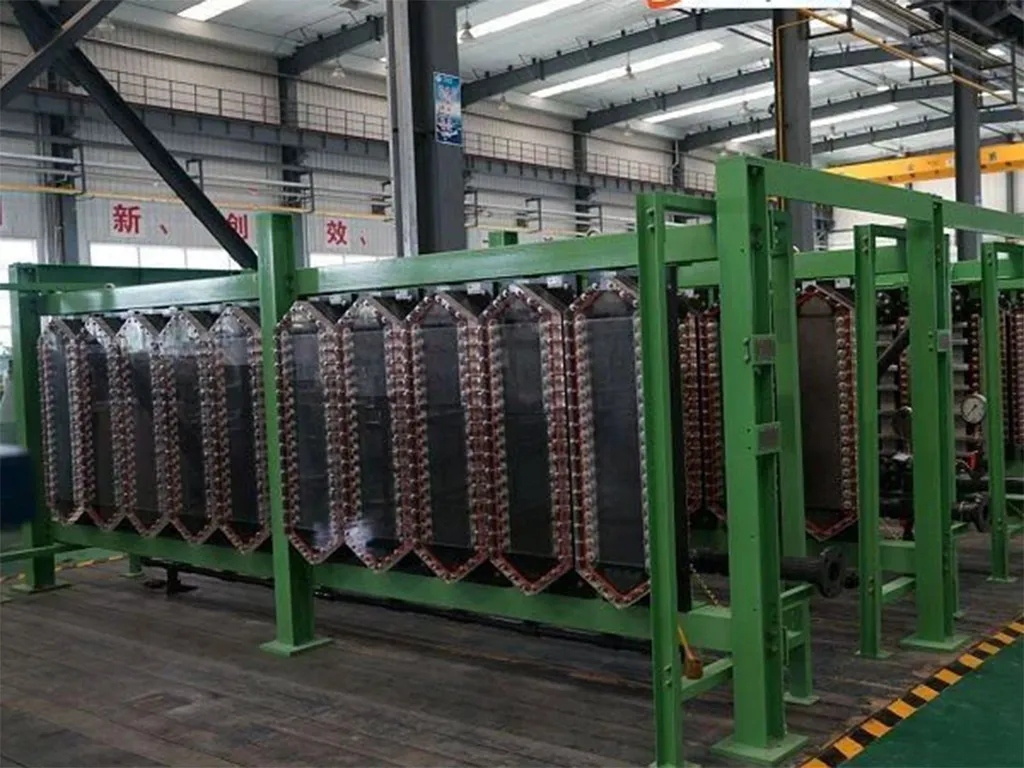
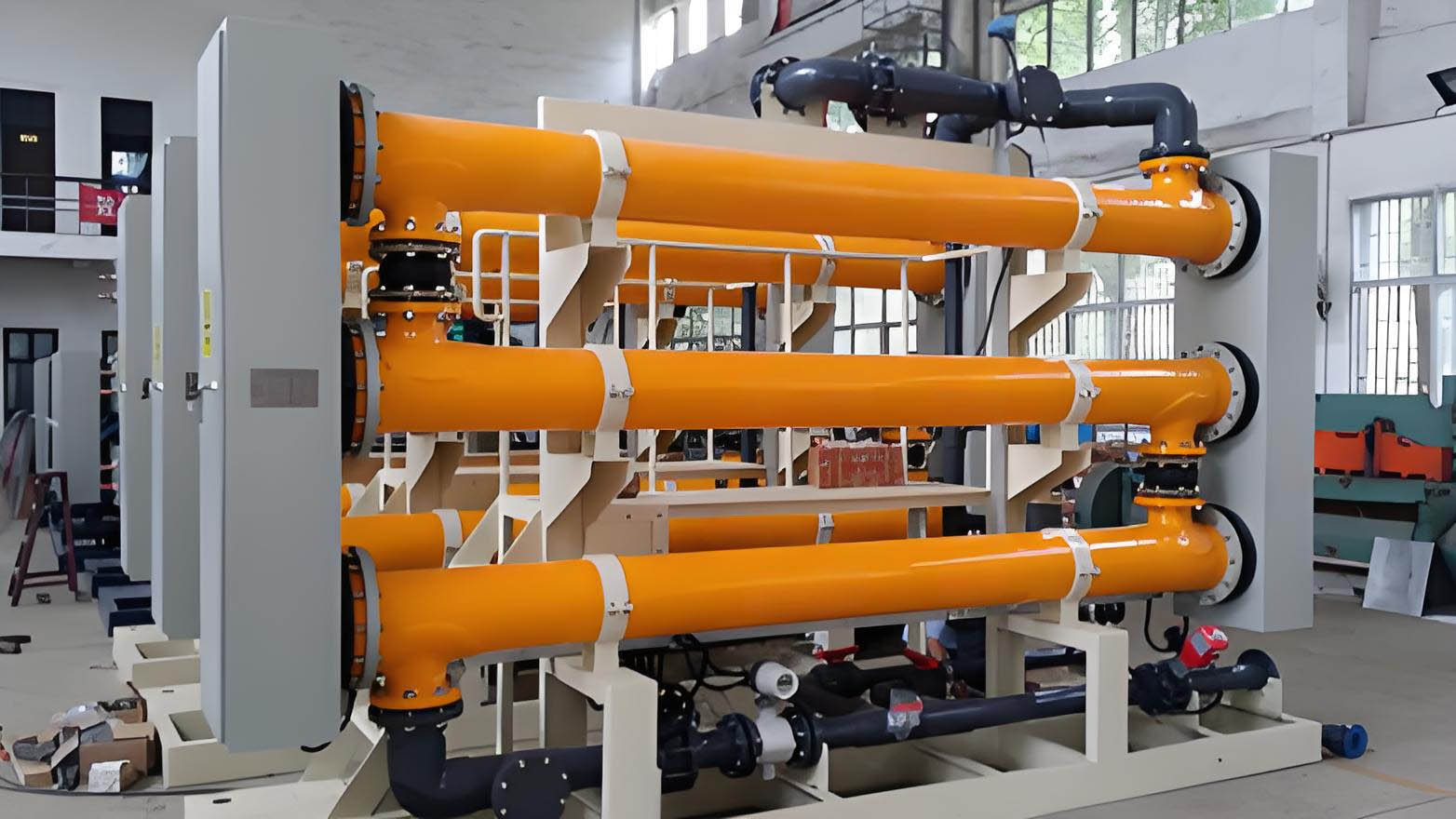
Seawater electrochlorination systems are widely adopted in coastal power plants, offshore platforms, port facilities, and seawater desalination projects. The on-site electrolysis process converts natural seawater into low-concentration sodium hypochlorite, effectively eliminating marine biological fouling, inhibiting algae reproduction, and preventing pipeline blockage and corrosion caused by barnacles and microorganisms. Unlike traditional chemical dosing methods, seawater electrolysis requires no purchased chlorine chemicals, reducing transportation and storage risks. However, the continuous electrolysis reaction produces hydrogen gas as a by-product, which brings flammable and explosive hazards. Unregulated operation, poor ventilation, and unstable operating parameters can easily lead to hydrogen accumulation, equipment overload, and hidden safety risks. For long-term stable and compliant operation, standardized operational management and professional hydrogen prevention measures are essential. With rich experience in coastal and offshore water treatment equipment manufacturing, Chlory summarizes practical safety operation specifications to help users eliminate potential hazards during daily system operation.
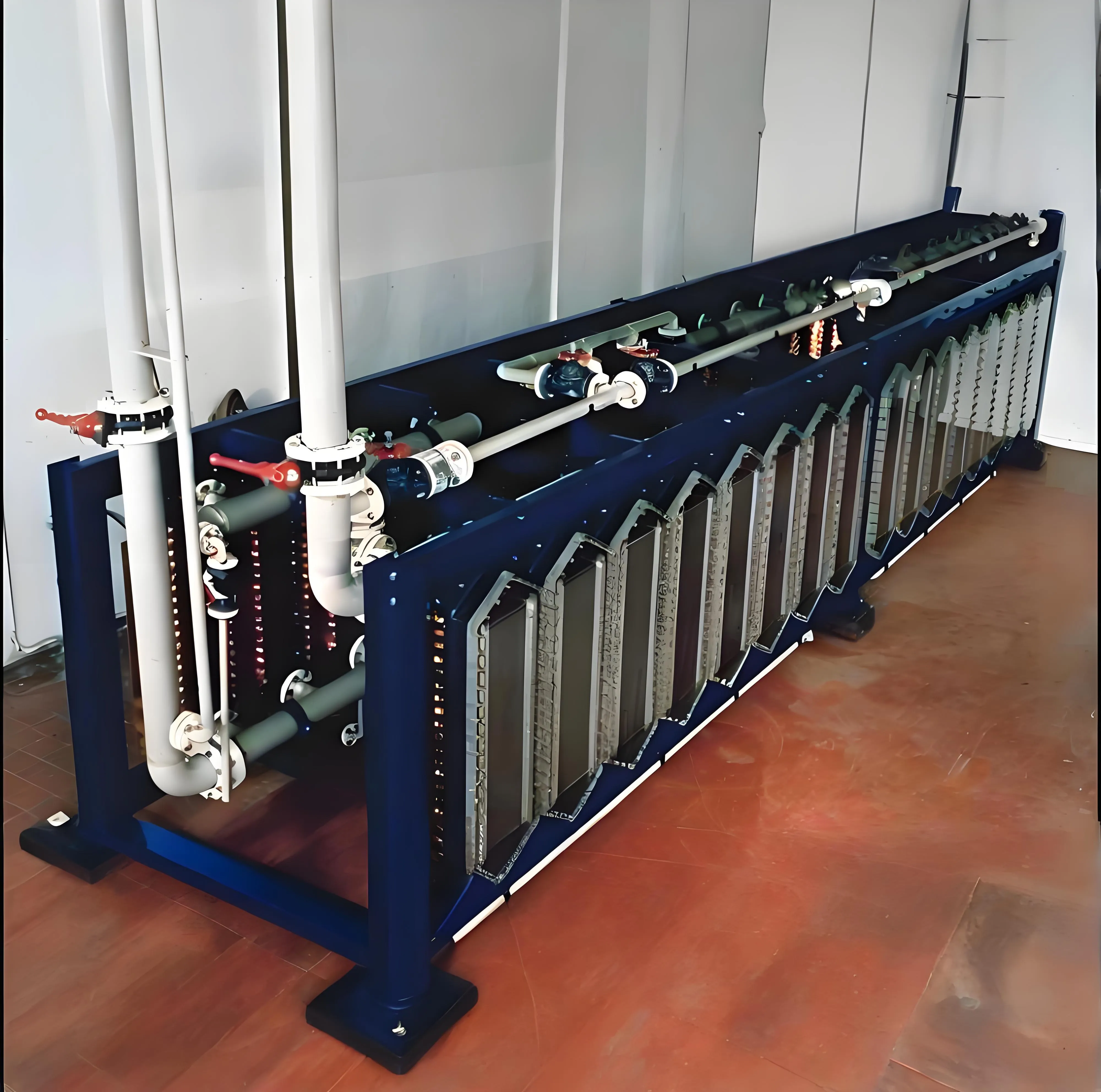
1. Core Safety Risks of Seawater Electrochlorination Operation
The biggest safety threat of seawater electrochlorination systems comes from continuous hydrogen generation during electrolysis. Hydrogen is extremely flammable, with a low explosion threshold of 1% volume concentration in confined spaces. In closed equipment rooms, tank areas and pipeline cabins, poor ventilation will cause hydrogen accumulation. Once the concentration exceeds the safety limit, static electricity, electrical sparks or high-temperature heat sources will trigger explosion accidents. In addition, seawater has complex water quality components containing various salts and impurities. Long-term high-current electrolysis may cause unstable electrolysis efficiency, local overheating of electrodes, and abnormal system pressure, further increasing operational risks. Meanwhile, mismatched operating parameters will lead to insufficient or excessive residual chlorine concentration. Low chlorine content fails to achieve antifouling effects, while excessive chlorine causes pipeline corrosion and marine environmental pollution, bringing dual risks to equipment and ecological safety.
2. Standardized Installation & Ventilation Safety Design
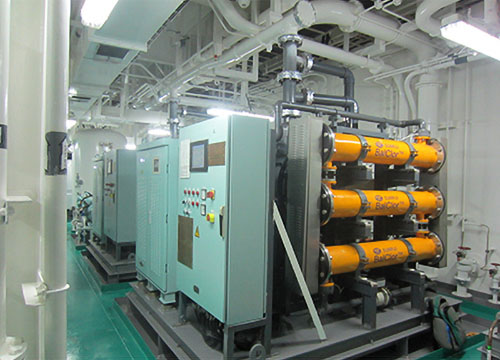
Reasonable equipment layout and ventilation design are the first line of defense for system safety. All seawater electrochlorination equipment must be installed in well-ventilated independent areas, away from open flames, high-temperature equipment, static generating devices and flammable materials. Offshore platform systems need to comply with classified area electrical safety standards, adopting explosion-proof electrical components to avoid electric spark risks. Professional forced ventilation and exhaust systems are essential for operational safety. Continuous ventilation equipment operates 24 hours during system running and maintains a 30-minute delayed exhaust after shutdown to completely discharge residual hydrogen in pipelines and tanks. Independent hydrogen exhaust pipelines are led outdoors to avoid gas backflow and secondary accumulation. Real-time hydrogen concentration detectors are installed in key areas, linked with alarm and ventilation enhancement systems to automatically trigger early warnings and forced exhaust when exceeding the threshold.
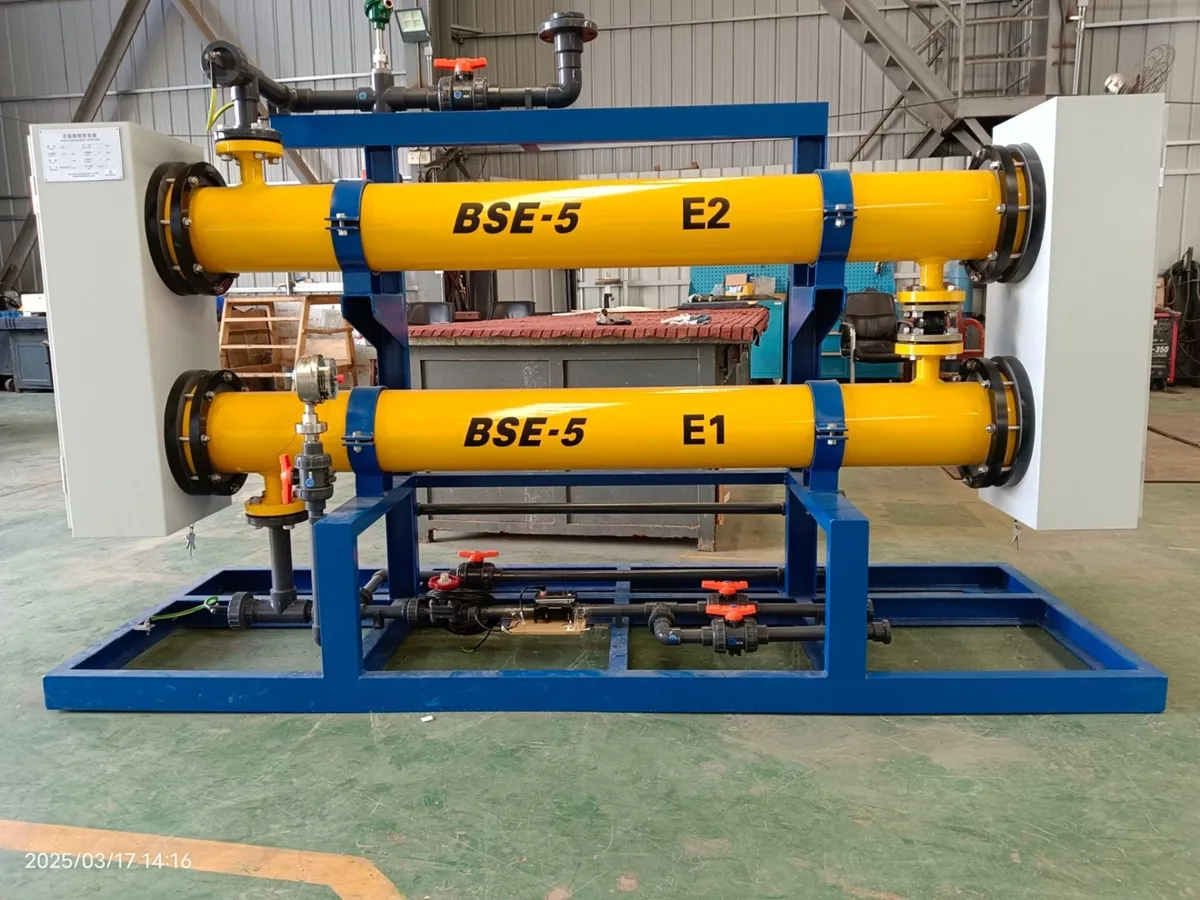
3. Real-Time Parameter Monitoring & Standard Operating Procedures
Stable parameter control is the key to avoiding abnormal electrolysis and safety failures. Operators need to monitor core indicators in real time, including seawater inlet temperature, inlet flow, electrolysis current, cell voltage, and effluent residual chlorine concentration. Seawater temperature directly affects electrolysis efficiency and safety; excessively high temperature will accelerate electrode aging and increase hydrogen precipitation rate, while ultra-low temperature will reduce chlorine production efficiency. The system must maintain constant current and constant flow operation to avoid frequent startup and shutdown, which may cause unstable reaction and pressure fluctuation.
Before startup, full pre-inspection is required to confirm unobstructed seawater pipelines, normal ventilation system operation, intact grounding devices and effective gas detection equipment. During operation, it is forbidden to adjust parameters arbitrarily or carry out hot work in the equipment area. After shutdown, follow standard procedures to cut off power, close water valves, and keep ventilation running to eliminate residual gas hazards. Reasonable residual chlorine control within the safe range ensures stable antifouling effect while avoiding equipment corrosion and environmental damage.
4. Daily Inspection & Hydrogen Prevention Management Mechanism
Regular daily inspection helps eliminate hidden dangers in advance. Daily inspection focuses on pipeline tightness, electrolytic cell operating status, ventilation equipment efficiency, and detector sensitivity. Check for seawater leakage, pipeline aging and abnormal temperature rise of electrical components every day, and record operating data to form complete operational files. For hydrogen safety management, implement strict closed-space operation regulations, prohibit smoking and open fire in the equipment area, and ensure all staff wear anti-static work clothes to prevent static sparks.
In seasonal operation adjustments, reduce operating current appropriately in high-temperature seasons to avoid accelerated hydrogen precipitation and electrode overheating. In low-temperature seasons below 9°C, biological fouling risk decreases significantly, and the system can implement low-load operation or intermittent operation according to actual working conditions to reduce energy consumption and operational risks. Regular calibration of hydrogen concentration detectors and ventilation equipment ensures the sensitivity and effectiveness of safety protection devices at all times.
5. Emergency Response for Abnormal Operation
Complete emergency disposal measures are required to deal with sudden abnormalities. Once the hydrogen concentration alarm is triggered, immediately stop system operation, start full-load forced ventilation, and cut off all potential ignition sources until the concentration returns to normal. In case of seawater leakage or pipeline pressure abnormality, shut down the equipment for inspection and maintenance to prevent seawater from contacting electrical components and causing short circuit and corrosion failure. If residual chlorine is abnormal, adjust electrolysis current timely to restore stable water quality indicators and avoid long-term substandard operation. All emergency operations need to be recorded and summarized to optimize subsequent safety management schemes.
Conclusion
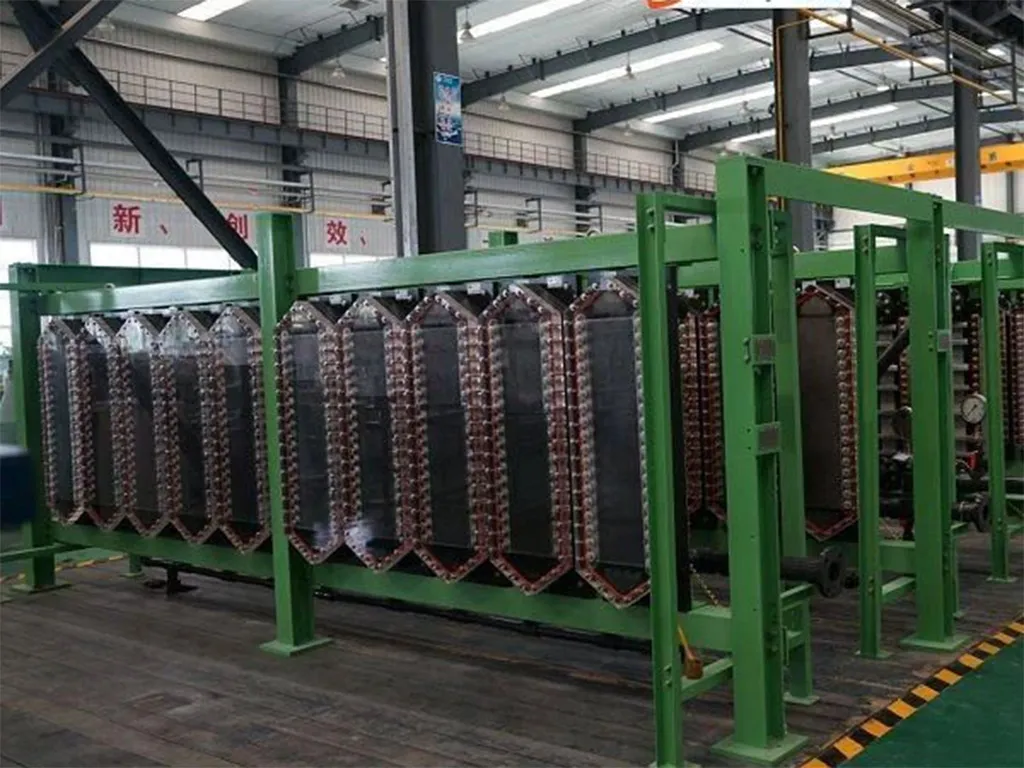
The safe operation of seawater electrochlorination systems relies on standardized installation design, stable parameter control, perfect ventilation and hydrogen prevention measures, and rigorous daily inspection management. Scientific operational specifications can effectively avoid hydrogen explosion risks, equipment overload failure and water quality abnormality, ensuring long-term stable antifouling and disinfection effects for coastal and offshore projects. Adhering to safety-oriented operation standards is the core guarantee for the sustainable service of electrochlorination equipment. Chlory focuses on the safety optimization of seawater electrolysis systems, providing users with standardized operation guidance and reliable safety protection solutions.