
Introduction
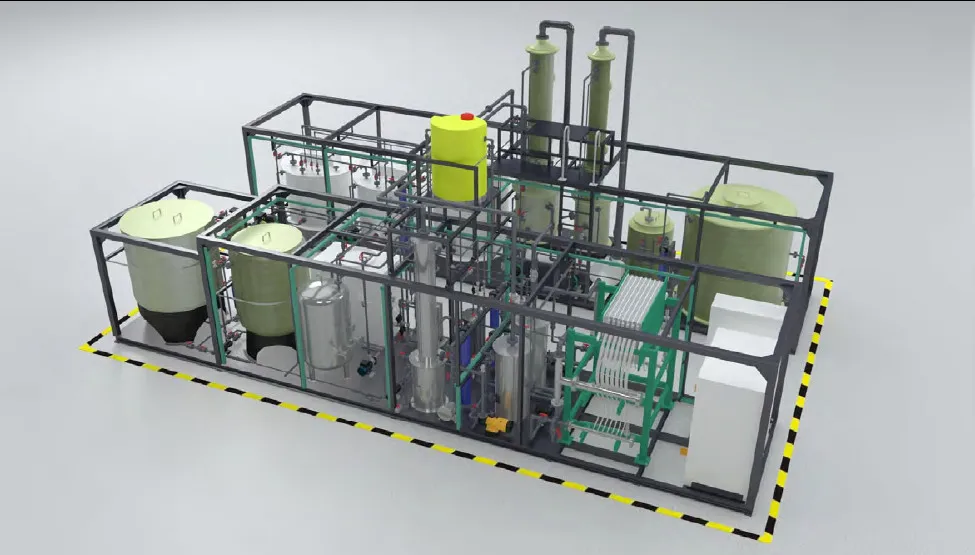
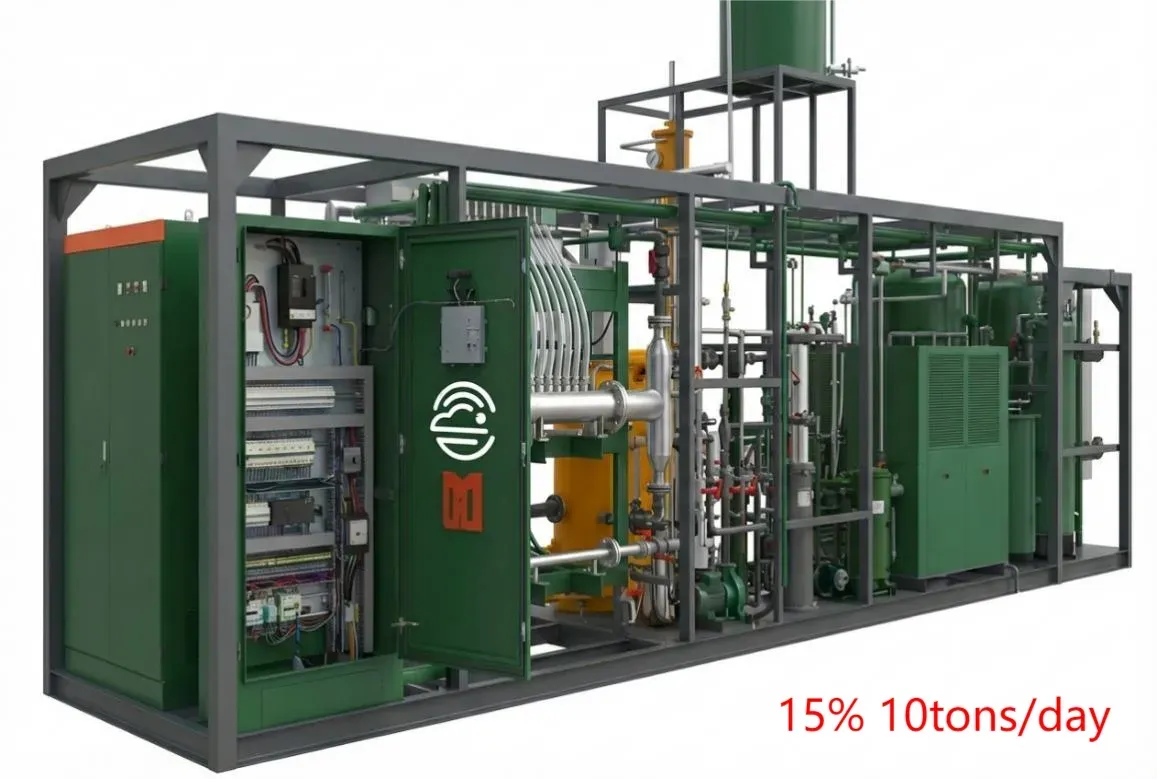
15% sodium hypochlorite generators have become mainstream disinfection equipment for industrial water treatment, chemical sterilization, municipal water supply and sewage treatment projects. Unlike conventional low concentration hypochlorite equipment, high-strength NaClO generators rely entirely on ion exchange membranes and precision electrolyzers to complete efficient brine electrolysis and stable high-concentration disinfectant production. These two core consumable components directly determine the equipment’s output concentration, operating power consumption, working stability and overall service cycle.
Most on-site equipment failures, concentration attenuation and increased operating costs are closely related to membrane aging and electrolyzer degradation. Many users lack clear judgment standards for component life, replacement cycles and daily protection methods. This article systematically explains the actual service life, key failure symptoms, major influencing factors and scientific maintenance strategies of ion membranes and electrolyzers, helping industrial users achieve stable long-term operation and reduce equipment maintenance costs. As a professional manufacturer of high concentration sodium hypochlorite generators, Chlory summarizes practical on-site experience to provide reliable technical guidelines for daily equipment operation.
1. Actual Service Life of Ion Exchange Membrane in High Concentration Sodium Hypochlorite Generators
Under standard industrial operating conditions with fully purified brine, stable current density and standardized start-stop management, the average service life of industrial-grade ion exchange membranes used in high concentration sodium hypochlorite generators ranges from 2 to 4 years. Different from ordinary civil-grade membranes, electrolytic membranes for high-strength hypochlorite production need to withstand strong oxidation environments and long-term ion penetration, so their material performance and life requirements are stricter.
In actual on-site operation, many equipment membranes fail early and cannot reach the theoretical service cycle. The core reason is harsh operating conditions and irregular daily operation. When the raw brine contains excessive calcium, magnesium and heavy metal impurities, continuous scaling will form on the membrane surface, blocking ion channels and causing local overheating. Frequent current fluctuation, long-term overloaded electrolysis and improper chemical cleaning will also accelerate membrane aging, swelling and structural damage.
Users can judge membrane aging and replacement demand through typical operating changes. If the equipment maintains the same water inflow and current parameters but the produced sodium hypochlorite concentration continues to decrease, the cell voltage rises significantly and the unit power consumption increases steadily, it indicates that the ion membrane has degraded. In severe cases, cross-ion leakage will cause unstable pH value of finished disinfectant, which means the membrane needs to be replaced in time.
2. Service Life and Aging Characteristics of High Concentration Electrolyzer
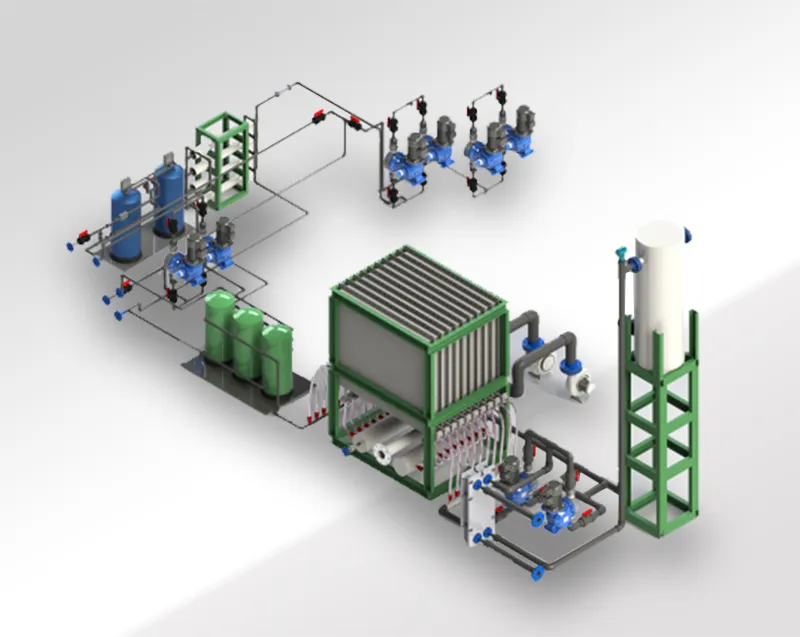
The electrolyzer is the core reaction unit of the sodium hypochlorite generator, and its internal titanium-based coated electrode determines the electrolysis efficiency and service life of the whole machine. The normal service life of a standard high concentration resistant electrolyzer is 3 to 6 years, which is longer than the service cycle of the ion exchange membrane.
Electrolyzer failure is mainly caused by the gradual consumption and peeling of the precious metal coating on the electrode surface. In the high-concentration hypochlorite electrolysis environment, the electrode is always in a strong oxidizing state. Long-term continuous operation, impact current and corrosive impurity erosion will slowly wear the coating, resulting in decreased electrolysis activity. Different from membrane failure, electrolyzer aging is a slow and cumulative process, which is easy to be ignored in daily operation.
Typical signs of electrolyzer aging include continuously rising electrolytic voltage under qualified water quality, insufficient disinfectant concentration that cannot reach the standard production value, local overheating of the electrolytic cavity and frequent over-temperature alarms. When the electrode coating peels off in large areas, the electrolyzer will completely lose electrolysis capacity and must be replaced or repaired.
3. Key Factors That Shorten Membrane and Electrolyzer Service Life
3.1 Raw Water and Brine Quality Problems
Brine quality is the primary factor affecting core component life. Unpurified raw salt water contains a large amount of hardness ions and suspended impurities. During electrolysis, these impurities form dense scale deposits on the membrane surface and electrode plates. Scales increase electrolysis resistance, cause local hot spots, burn the membrane structure, and accelerate electrode coating wear. Long-term use of unqualified brine will directly reduce the service life of membranes and electrolyzers by more than half.
3.2 Unstable Operating Parameters and Overload Operation
Many industrial users pursue high output and force the equipment to work beyond the rated current density. Over-current operation will increase the electrolysis reaction temperature, strengthen oxidation corrosion, and cause irreversible aging of the ion membrane. In addition, frequent startup and shutdown, unstable water flow and uneven internal liquid distribution will form dead zones in the electrolyzer, resulting in partial corrosion and performance attenuation.
3.3 Unscientific Chemical Cleaning and Maintenance
Regular descaling and cleaning are necessary for hypochlorite generators, but incorrect cleaning methods will cause greater damage. Excessively high acid concentration, too long soaking time and inappropriate cleaning agents will corrode the membrane material and electrode coating. Many on-site failures are not caused by normal loss, but by irregular manual cleaning, resulting in early scrapping of core components.
3.4 Long-term Shutdown and Improper Storage
When the equipment is shut down for a long time without drainage and flushing, the residual brine and hypochlorite liquid will stay in the electrolytic cavity. The residual strong oxidizing components will continue to corrode the membrane and electrodes, causing invisible damage during standby. This kind of long-term static corrosion is one of the easily overlooked causes of shortened equipment life.
4. Scientific Maintenance Methods to Extend Membrane and Electrolyzer Lifespan
The service life of high concentration sodium hypochlorite generator core components is not fixed. Standardized operation and preventive maintenance can effectively delay aging and reduce replacement frequency, greatly saving enterprise operating costs.
First, strictly control brine quality. Install complete pretreatment filtration and purification equipment to ensure that the incoming water meets electrolysis standards and avoid scaling and impurity erosion from the source. Second, keep the equipment running within the rated parameters, prohibit long-term overload operation, and reduce frequent start-stop impact. Third, establish regular parameter inspection records, track voltage, current, water flow and disinfectant concentration changes, and judge component aging trends in advance through data changes.
In terms of daily maintenance, thoroughly flush and drain the electrolyzer after each long shutdown to avoid residual corrosive liquid. Carry out chemical cleaning strictly in accordance with the manufacturer’s standard process, control cleaning concentration and time, and avoid over-cleaning damage. Regularly check the sealing state and internal working condition of the electrolyzer to ensure uniform liquid distribution and stable electrolysis reaction.
5. Frequently Asked Questions About Component Replacement and Maintenance
Q: Can the aging ion membrane be cleaned and reused without replacement?
A: Slight membrane contamination and surface scaling can be improved through standardized cleaning. However, once the membrane appears swelling, pinholes, cracks and permanent performance decline, cleaning cannot restore its working efficiency. Continued use will cause high power consumption and unqualified disinfectant quality, so timely replacement is necessary.
Q: Is it necessary to replace the entire electrolyzer after electrode aging?
A: It depends on the damage degree. If only the surface precious metal coating is worn while the titanium substrate is intact, professional recoating repair can be carried out. If the substrate is corroded and deformed, the whole electrolyzer assembly needs to be replaced to ensure stable electrolysis safety.
Q: Will long-term production of high concentration hypochlorite accelerate component loss?
A: Yes. High concentration electrolysis forms a stronger oxidizing environment inside the cavity, which will increase the aging speed of membranes and electrodes. Users should select equipment with matching concentration specifications according to actual demand, and avoid long-term over-standard concentration production.
Q: How to distinguish whether performance degradation is caused by membrane aging or electrolyzer wear?
A: Under the condition of qualified brine and stable parameters, sudden voltage rise and concentration drop are mostly related to electrolyzer coating wear. Gradual power consumption increase and slow concentration attenuation are usually caused by ion membrane aging. Professional inspection and testing can achieve accurate judgment.
Conclusion
Ion exchange membranes and electrolyzers are the most critical wearable components of high concentration sodium hypochlorite generators, determining equipment stability, disinfection effect and long-term operating costs. Their actual service life is affected by brine quality, operating parameters, cleaning methods and daily management. Blindly pursuing long-term service without maintenance will lead to increased failure rate and unstable water treatment effect.
Through standardized water quality pretreatment, parameter control, scientific cleaning and regular inspection, users can effectively extend the service life of core components, reduce replacement frequency, and maintain efficient and stable operation of high concentration hypochlorite disinfection systems. With mature manufacturing technology and practical after-sales experience, Chlory provides users with professional equipment operation guidance, maintenance schemes and component replacement services to support long-term stable operation of industrial disinfection projects.