
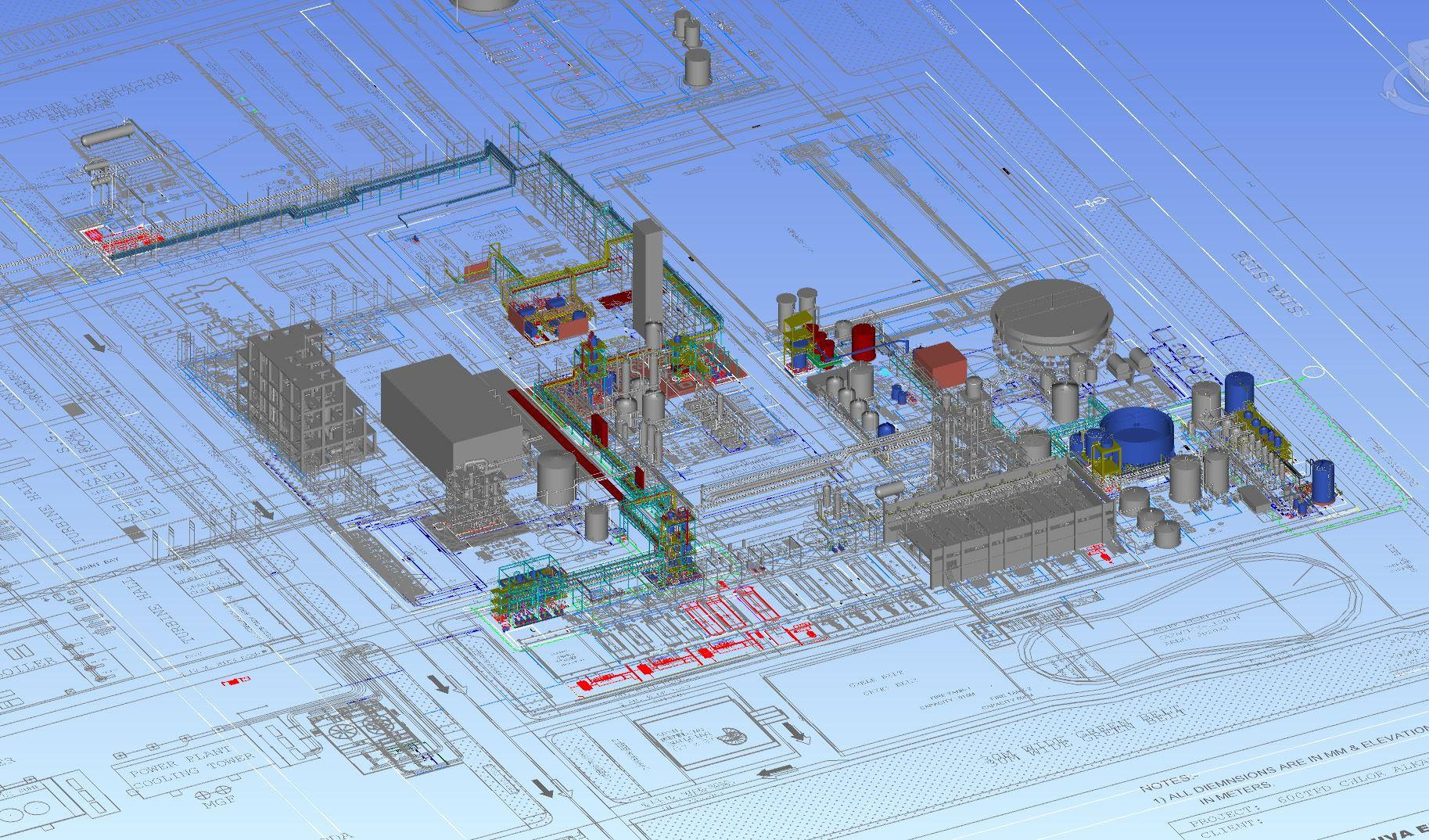
Introduction
The chlor-alkali industry is one of the most critical basic chemical sectors, focusing on the electrolysis of saturated brine to produce chlorine gas, hydrogen, and caustic soda. The entire production process involves high current electrolysis, flammable and explosive gas generation, corrosive liquid circulation, and continuous high-load industrial operation. Due to the high-risk characteristics of chlorine and hydrogen media, manual operation and traditional semi-automatic control can no longer meet modern chemical safety production standards. Unstable parameter control, delayed risk response, and human operational errors are the main causes of safety accidents in chlor-alkali factories.
Modern chlor-alkali plants rely on intelligent automation control systems and full-coverage safety monitoring platforms to realize precise production control and real-time hazard early warning. Through digital parameter adjustment, automatic interlock protection, and 24-hour uninterrupted safety monitoring, production stability is greatly improved, and potential safety hazards such as gas leakage, overpressure, overheating, and electrolysis abnormality are effectively eliminated. This article comprehensively introduces the core functions, application values, and standardized safety monitoring management rules of chlor-alkali automation control systems, providing practical guidelines for safe and intelligent operation of chlor-alkali production lines.
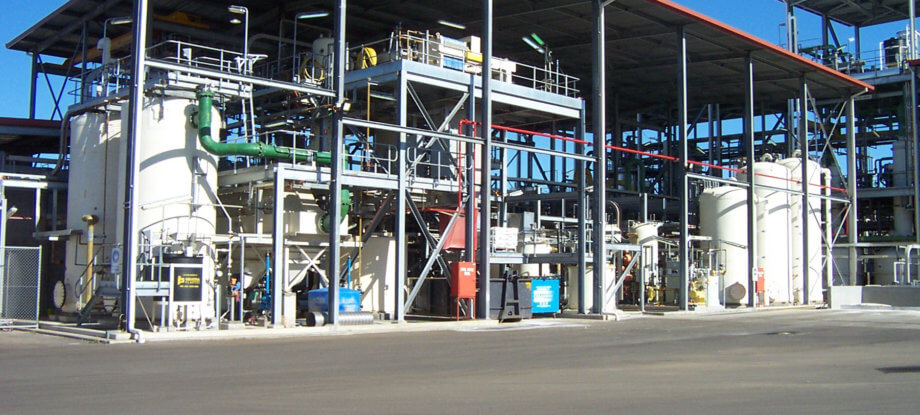
1. Core Production Risks in Traditional Chlor-Alkali Production Lines
The chlor-alkali electrolysis production process contains multiple inherent safety risks that determine the necessity of intelligent automation transformation. First, the electrolysis reaction continuously produces high-purity hydrogen and chlorine gas. Hydrogen is extremely flammable and explosive, while chlorine gas is toxic and corrosive. Once gas leakage or uneven gas separation occurs, it will easily lead to explosion, poisoning and corrosion accidents.
Second, the brine electrolysis process requires stable control of current, voltage, temperature and liquid level. Manual adjustment has low precision and poor real-time performance. Slight parameter deviation will cause electrolysis efficiency decline, unqualified product concentration, and even local overheating of the electrolytic cell, triggering equipment failure.
Third, the long-term circulation of strong alkali and saline liquid will cause pipeline corrosion, scaling and pressure fluctuation. Traditional manual inspection cannot realize full-time monitoring, and hidden leakage risks are difficult to detect in the early stage. These long-standing pain points make full-automatic control and intelligent safety monitoring the mandatory standard for modern chlor-alkali enterprises.
2. Composition and Core Functions of Chlor-Alkali Automation Control System
The modern chlor-alkali automation control system adopts a distributed intelligent control architecture, covering the whole process of brine pretreatment, electrolysis reaction, gas-liquid separation, circulating cooling, and finished product storage. It realizes automatic operation, precise parameter adjustment and data unified management for the entire production line.
In the brine pretreatment stage, the automation system automatically monitors brine concentration, hardness, impurity content and flow rate. It intelligently adjusts filtration and purification equipment operation to ensure that the incoming water quality meets electrolysis standards, avoiding electrode scaling and electrolysis instability caused by unqualified brine.
In the core electrolysis stage, the system maintains constant current and constant voltage operation in real time, dynamically adjusts operating parameters according to production load changes, and stabilizes electrolysis efficiency and product quality. It automatically records operating data such as cell voltage, current density, liquid level and reaction temperature to ensure the consistency of long-term production status.
In the post-processing and circulating stage, the system realizes automatic gas-liquid separation, automatic cooling water adjustment and automatic liquid level control of storage tanks. It replaces repetitive manual operation, reduces human error, and improves the overall operational efficiency of the production line.
3. Full-Coverage Safety Monitoring System for Chlor-Alkali Plants
Safety monitoring is the core guarantee for the stable operation of chlor-alkali production lines, focusing on gas hazard monitoring, equipment status monitoring and production parameter monitoring.
3.1 Flammable and Toxic Gas Monitoring
The system deploys high-sensitivity hydrogen and chlorine gas concentration detectors in electrolysis workshops, gas separation rooms and equipment cabin areas. It conducts 24-hour real-time concentration collection and data analysis. Once the gas concentration exceeds the safety threshold, the system will immediately trigger sound and light alarms, start forced ventilation, and automatically link with the control system to cut off potential hazard sources, effectively avoiding explosion and poisoning risks.
3.2 Equipment Operation Status Monitoring
The safety platform monitors the operating status of core equipment such as electrolytic cells, rectifiers, circulating pumps and heat exchangers in real time. It tracks key indicators including equipment temperature, operating pressure, vibration amplitude and operating current. When abnormal overheating, overpressure or current surge occurs, the system automatically executes interlock shutdown protection to prevent equipment burnout and safety accidents.
3.3 Production Parameter Safety Monitoring
Unstable electrolysis parameters are the main hidden danger of production abnormalities. The safety monitoring system realizes real-time early warning of abnormal current, voltage, brine flow and liquid level deviation. It corrects parameter drift automatically within the safe range, and locks abnormal operating behaviors to prevent illegal overload operation.
4. Automatic Safety Interlock and Risk Prevention Mechanism
The biggest advantage of the intelligent chlor-alkali control system is the perfect automatic interlock protection logic, which realizes active risk prevention rather than passive accident handling. When gas leakage, equipment over-temperature, pipeline overpressure, water shortage and power abnormality occur, the system can complete a series of safety actions in milliseconds, including automatic power-off, automatic shutdown of electrolysis, forced ventilation start-up, and pipeline pressure relief.
All interlock actions have data records and fault traceability functions, which facilitate post-event analysis, equipment maintenance and production optimization. Compared with manual emergency response, automatic interlock protection has zero delay and zero misjudgment, which greatly improves the intrinsic safety level of chlor-alkali production.
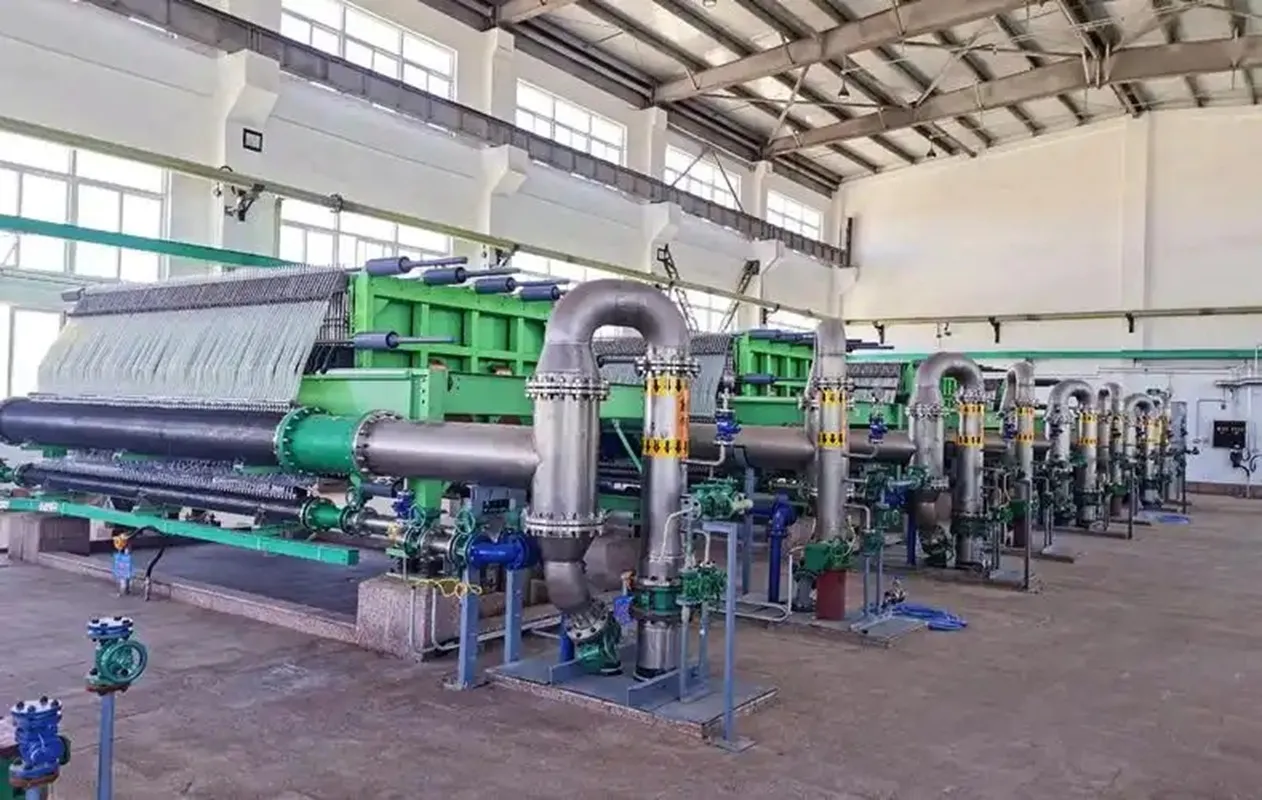
5. Advantages of Intelligent Automation in Modern Chlor-Alkali Industry
Traditional chlor-alkali production relies heavily on manual patrol and manual adjustment, which has high operational risk, low production accuracy and high labor cost. The popularization of automation and safety monitoring systems has completely upgraded the industry production mode.
First, it improves production safety. Full-time intelligent monitoring covers all risk points, eliminating safety hazards caused by human negligence and delayed inspection. Second, it stabilizes product quality. Precise automatic parameter control ensures stable electrolysis reaction and consistent finished product indicators. Third, it reduces operating costs. Automatic operation reduces manual investment, and scientific parameter control reduces energy consumption and equipment loss.
In addition, the digital data management function realizes visualized production management, helps enterprises grasp production status in real time, and provides data support for production scheduling, equipment maintenance and safety assessment.
6. Daily Operation and Maintenance Standards for Automation & Safety System
To ensure the long-term stable operation of the intelligent control and safety monitoring platform, standardized daily maintenance is essential. Regularly calibrate gas detectors, pressure sensors and temperature detection modules to ensure monitoring accuracy. Check the sensitivity of automatic interlock functions regularly to avoid protection failure caused by component aging.
Organize regular inspection of control circuits, data transmission lines and ventilation linkage equipment to ensure stable signal transmission and effective linkage response. Back up production data and fault records regularly to ensure production traceability and provide basis for equipment optimization and safety management improvement.
Conclusion
The automation control system and safety monitoring system are indispensable core facilities for modern safe production in the chlor-alkali industry. They effectively solve the safety risks, unstable production parameters and low management efficiency existing in traditional manual production modes. Through full-process intelligent control, full-coverage safety monitoring and high-sensitivity automatic interlock protection, chlor-alkali enterprises can realize safer, more stable, energy-saving and intelligent production operation.
With the continuous upgrading of chemical industry safety standards, intelligent automation and digital safety monitoring will become the mainstream development trend of the global chlor-alkali industry, helping enterprises reduce operational risks, control production costs and improve overall industrial competitiveness.