

Introduction
Offshore oil and gas platforms operate in extremely harsh marine environments, facing unique challenges including high salt spray corrosion, strong platform vibration, narrow installation space, high humidity, and hazardous explosive classified areas. Unlike coastal onshore water treatment equipment, electrochlorination systems deployed on offshore rigs are not limited to simple disinfection functions. They serve critical long-term antifouling and pipeline protection tasks for platform cooling water systems, seawater intake pipelines, and process water loops. Marine organisms such as barnacles, algae and shellfish can easily attach to pipeline inner walls, causing pipeline blockage, reduced water flow efficiency, increased energy consumption and even equipment failure.
On-site seawater electrochlorination technology has become the standard configuration for offshore platform water treatment. It generates low-concentration sodium hypochlorite through real-time seawater electrolysis, effectively inhibiting marine biological reproduction and ensuring stable operation of platform fluid systems. However, due to the particularity of offshore hazardous working conditions, conventional onshore electrolysis equipment cannot meet offshore safety and durability standards. Professional offshore electrochlorination systems must comply with strict industry specifications in terms of structural design, explosion-proof grade, corrosion resistance, hydrogen safety and unattended operation. This article systematically sorts out the core technical and safety requirements of electrochlorination equipment for offshore oil platforms, providing reliable selection and operation guidelines for offshore engineering projects.
1. Harsh Offshore Working Conditions and Special Equipment Challenges
Offshore oil platforms have completely different operating environments from land industrial sites, putting forward higher comprehensive performance requirements for electrochlorination equipment. First, the persistent marine salt spray and high humidity environment will cause strong electrochemical corrosion to metal structures and electrical components. Ordinary carbon steel and ordinary stainless steel materials will quickly rust and fail in offshore environments, leading to equipment aging and leakage.
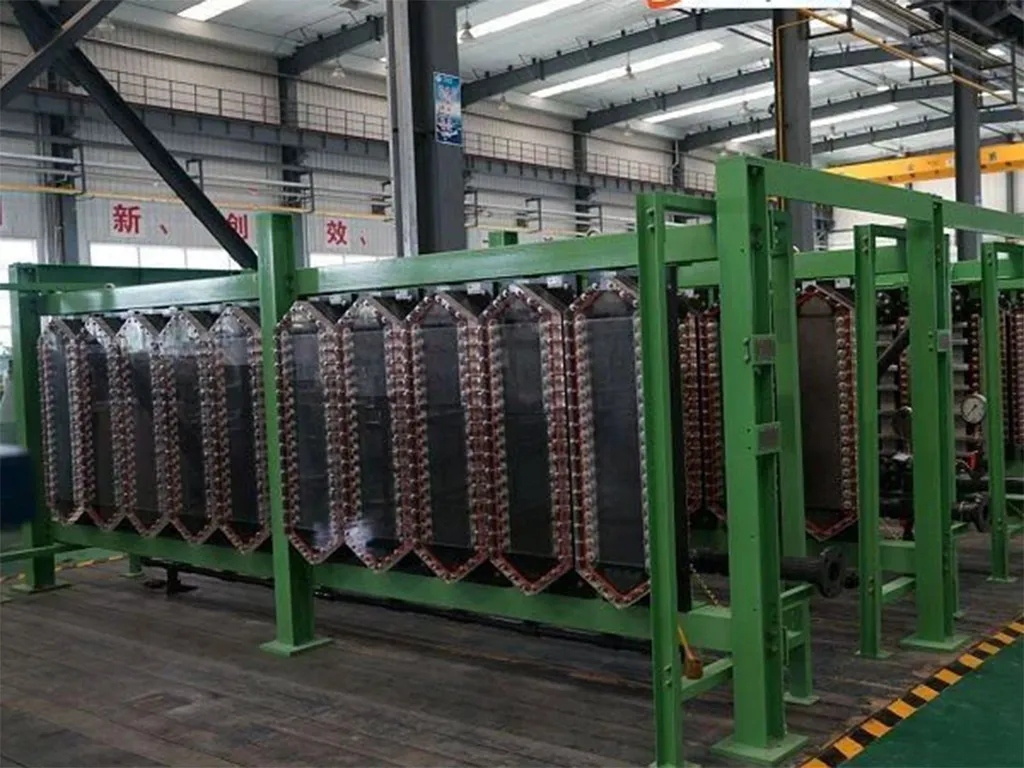
Second, the platform is a typical limited-space working area with compact equipment layout. Large-scale bulky onshore equipment cannot be installed and deployed. Offshore electrolysis systems must achieve high integration, miniaturization and skid-mounted design to save deck space and facilitate hoisting and installation.
Third, offshore platforms belong to hazardous chemical operation areas with strict flammable and explosive area classification. The hydrogen generated during seawater electrolysis belongs to flammable gas, which forms potential explosion risks in closed and semi-closed equipment cabins. In addition, long-term platform vibration and wave impact require equipment to have excellent shock resistance and structural stability to avoid loose pipelines and component failure.
2. Explosion-Proof and Electrical Safety Requirements for Offshore Deployment
Electrical safety and explosion-proof design are the primary mandatory requirements for offshore electrochlorination equipment. Offshore oil and gas platforms are classified as Zone 2 hazardous areas, where any electrical spark or static discharge may trigger safety accidents. All electrical components of the electrolysis system, including control cabinets, rectifiers, sensors and junction boxes, must comply with international explosion-proof standards such as ATEX and IECEx to adapt to offshore classified area safety specifications.
The equipment must adopt full explosion-proof and intrinsically safe design, with high IP protection grade to resist salt fog immersion and high-humidity erosion. Professional offshore systems are usually equipped with linkage safety interlock functions, including hydrogen concentration over-limit alarm, over-current protection, over-temperature shutdown and ventilation failure interlock. Once abnormal parameters occur, the system will automatically cut off the electrolysis power to eliminate hidden dangers, realizing unattended safe operation.
3. Hydrogen Exhaust and Gas Safety Management Requirements
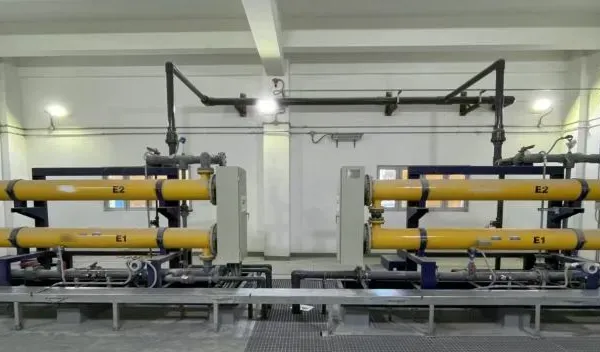
Hydrogen by-product safety is the core risk control point of offshore electrolysis equipment. The seawater electrolysis process continuously produces hydrogen gas, which is easy to accumulate in narrow platform cabins and pipeline spaces. Offshore electrochlorination systems must be equipped with independent hydrogen separation, dilution and exhaust devices to ensure that hydrogen gas is discharged outdoors in real time without residual accumulation.
The equipment cabin must be equipped with 24-hour forced ventilation system and high-sensitivity hydrogen concentration detectors. When the gas concentration approaches the safety threshold, the system automatically triggers enhanced ventilation and sound-light alarm. Different from onshore equipment, offshore hydrogen exhaust pipelines adopt anti-backflow and anti-seawater-surge design to prevent marine strong wind and wave splashing from affecting exhaust efficiency, ensuring zero hydrogen accumulation in enclosed spaces.
4. Marine Corrosion Resistance and Material Adaptability Requirements
Long-term salt spray corrosion and high-salinity seawater erosion are the main factors leading to shortened service life of offshore equipment. All wetted parts of offshore electrochlorination systems must adopt high-grade titanium alloy materials and special anti-corrosion electrode coatings to resist seawater electrochemical corrosion and scaling erosion. The skid base, pipeline supports and shell structures are treated with marine heavy-duty anti-corrosion coating to adapt to perennial offshore harsh weather.
The sealing components and valve materials are specially selected for marine working conditions to avoid aging, deformation and leakage caused by salt fog and high temperature and humidity. Professional anti-corrosion design ensures that the equipment can maintain stable performance for a long time in uninterrupted offshore operation, reducing frequent maintenance and replacement costs caused by material corrosion.
5. Compact Skid-Mounted Design and Space Adaptation Requirements
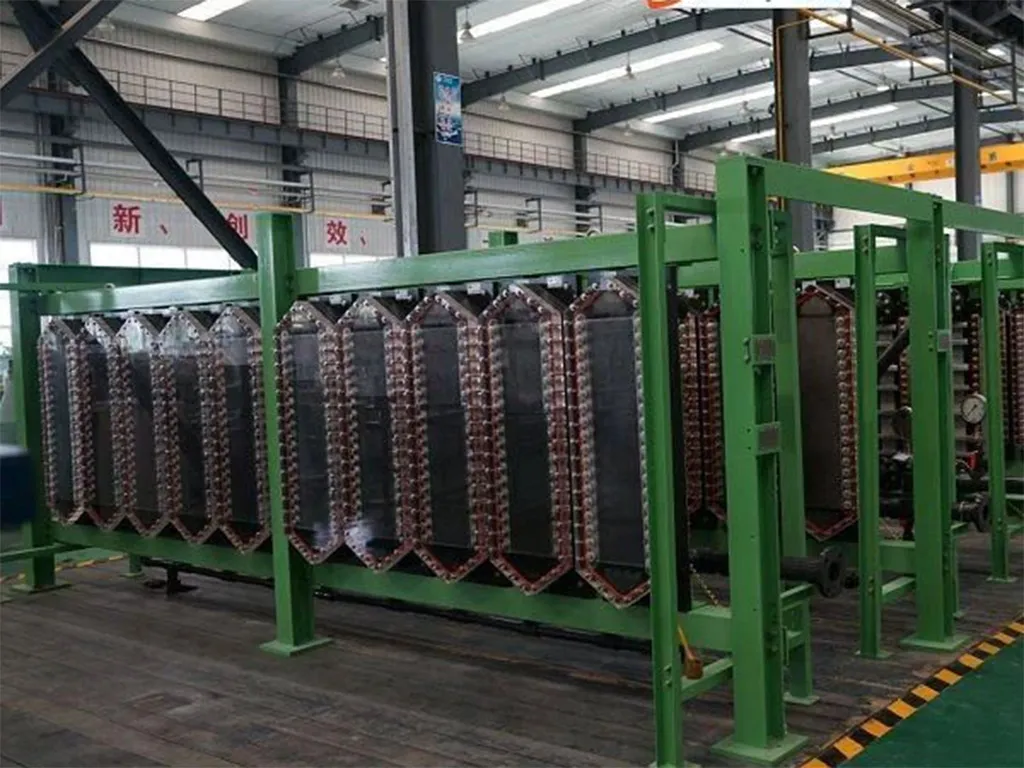
At the same time, the equipment structural design fully considers platform vibration resistance. The pipeline and equipment base are equipped with shock absorption and fixing structures to prevent pipeline cracking and loose connection caused by long-term platform shaking. The vertical modular layout optimizes the hydrogen rising and discharging path, further improving the operational stability of the electrolysis system.
6. Unattended Operation and Intelligent Control Requirements
Offshore platforms have limited personnel and high manual operation costs, so electrochlorination equipment must support long-term automatic unattended operation. The system is equipped with intelligent constant current control and automatic dosing adjustment functions, which can automatically adjust electrolysis power and residual chlorine dosage according to real-time seawater flow and water quality changes, maintaining stable antifouling effect.
The remote monitoring and data transmission function is essential for offshore equipment. Operators can view operating parameters, equipment status and fault records through the remote platform, realizing remote early warning and fault diagnosis. The complete automatic protection logic ensures that the equipment can self-protect and shut down in case of water shortage, power failure, pipeline blockage and abnormal temperature, greatly reducing manual intervention frequency and offshore operation risks.
7. Environmental Adaptability and Continuous Operation Requirements
Offshore working conditions have obvious seasonal changes, with alternating high temperature, high humidity and stormy weather. Offshore electrochlorination systems need to have wide temperature adaptability and can operate stably in the temperature range of -10℃ to 45℃. The system can adapt to complex seawater quality changes such as high turbidity, high suspended sediment and variable salinity in offshore waters, and maintain efficient electrolysis and stable chlorine production efficiency.
Different from onshore equipment that can be shut down for maintenance regularly, offshore platform antifouling systems need 24/7 continuous operation all year round. Therefore, the equipment is designed with high reliability and low failure rate, supporting long-term continuous operation and periodic online maintenance without affecting platform production operations.
Conclusion
The electrochlorination system used for offshore oil and gas platforms is a highly customized marine special water treatment equipment, which is completely different from conventional onshore electrolysis devices. Its core requirements focus on explosion-proof safety, hydrogen risk control, marine corrosion resistance, compact space adaptation, vibration resistance and unattended intelligent operation. Only equipment that meets strict offshore hazardous area standards and marine environmental design specifications can ensure long-term stable pipeline antifouling and water system protection for offshore platforms.
Compliance with professional offshore electrochlorination design and safety requirements is not only the basic guarantee of equipment operating efficiency, but also the key to avoiding offshore safety risks, reducing maintenance costs and improving the overall operational safety of oil and gas platforms.