
Sodium hypochlorite, especially industrial 15% sodium hypochlorite solution, is widely adopted in seawater electrolysis chlorination, water disinfection and pipeline anti-biofouling projects. Its biggest pain point during storage is continuous decomposition of available chlorine, which brings product concentration drop, raw material waste and unstable dosing effect. Mastering mature storage loss control technologies helps factories and end users stabilize product quality and lower operation costs.
What Causes Sodium Hypochlorite Storage Loss
The core of storage loss comes from chemical degradation of hypochlorite ions. Many external factors accelerate this reaction. High storage temperature is the primary trigger; each certain temperature rise will obviously speed up effective chlorine attenuation. Direct sunlight and ultraviolet irradiation also break hypochlorite components rapidly.
Besides, heavy metal ions such as iron, copper and nickel are strong catalysts. When these impurities enter the tank through pipelines, valves or contaminated transfer tools, the decomposition rate rises sharply. Improper tank sealing, frequent air intake and long static storage time will also aggravate loss, accompanied by oxygen and gas generation inside the container.
Core Technologies to Control Sodium Hypochlorite Storage Loss
Temperature Control Management
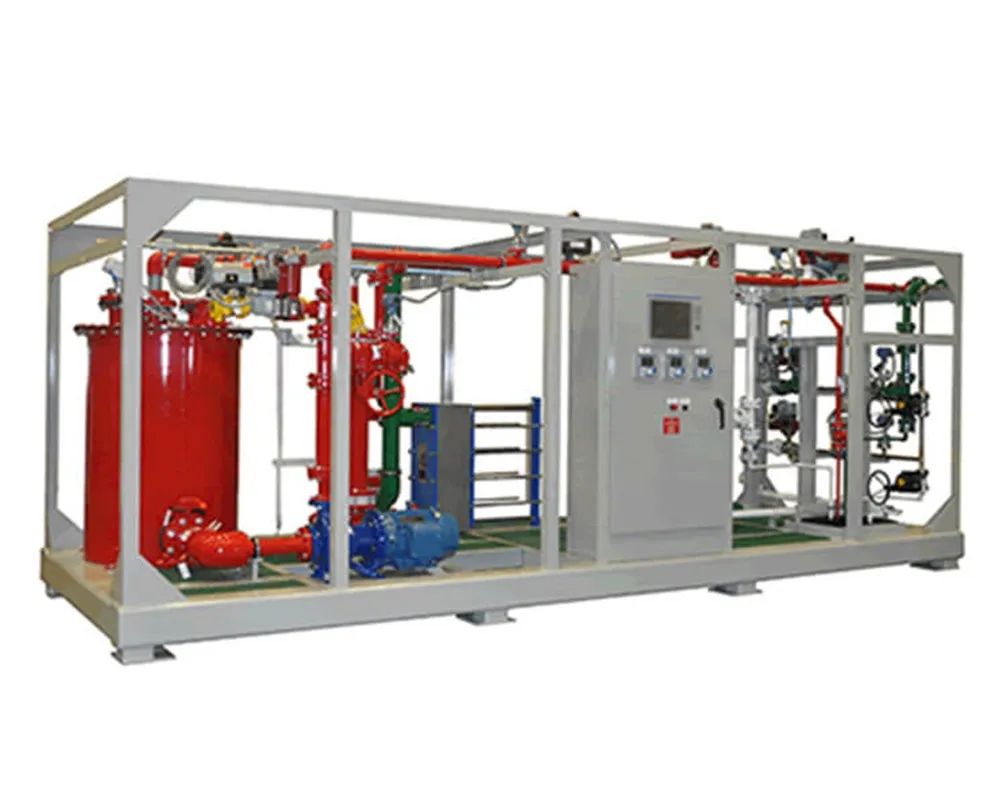
Temperature control is the most cost-effective loss reduction measure. It is recommended to arrange storage tanks in shaded, cool and well-ventilated warehouses or areas, avoiding exposure under the sun. For large-scale continuous storage systems, cooling water jackets or external heat exchangers can be equipped to keep the liquid temperature stable. It is better to maintain the storage temperature below 25℃ for 15% sodium hypochlorite products. Avoid storing hot fresh-made sodium hypochlorite directly into tanks, and implement natural cooling before feeding.
Storage Tank & Pipeline Material Selection
Material selection prevents catalytic degradation caused by metal contamination. Suitable materials include HDPE, FRP and titanium-lined tanks. Ordinary carbon steel, copper and brass fittings are forbidden in the whole storage and transfer loop. All gaskets and sealing parts should use EPDM compatible with sodium hypochlorite. Regular inspection is required to prevent rust flaking and metal ion leaching.
Sealing & Vent Optimization
Sodium hypochlorite decomposition generates gas, so the tank cannot be fully sealed and pressurized. Adopt a breather valve with hydrophobic filter design. It balances internal and external pressure while blocking dust, rainwater and ultraviolet light. Reduce frequent tank opening, sampling and emptying operations. Minimize the contact area between liquid surface and air to slow down surface degradation.
Quality Monitoring & Stock Rotation Strategy
Set fixed inspection cycles to test available chlorine concentration, pH value and heavy metal content. Apply FIFO first-in-first-out inventory rules strictly. Do not store 15% high-concentration sodium hypochlorite for an overly long period. Prepare a storage log to record feeding time, temperature and test data. Once the degradation rate exceeds the preset threshold, check for temperature anomalies or metal pollution immediately.
Daily Operation Mistakes to Avoid
Many storage losses come from irregular operation. Do not mix new sodium hypochlorite with old residual liquid in the tank blindly, as residual sediment and decomposed impurities will accelerate new batch degradation. Avoid adding acidic substances accidentally, which will not only speed up attenuation but also produce toxic chlorine gas. Do not use common metal pumps and hoses for transfer work. Clean tanks periodically according to maintenance plans and remove bottom sediments.
Conclusion
Sodium hypochlorite storage loss control is a systematic work combining temperature control, anti-catalytic material design, sealed ventilation and standardized inventory management. These technologies can effectively slow down effective chlorine degradation, guarantee stable disinfection and chlorination performance, and reduce unnecessary material loss. For electrolytic chlorination supporting projects and bulk industrial sodium hypochlorite users, standardized storage management brings stable long-term economic benefits.