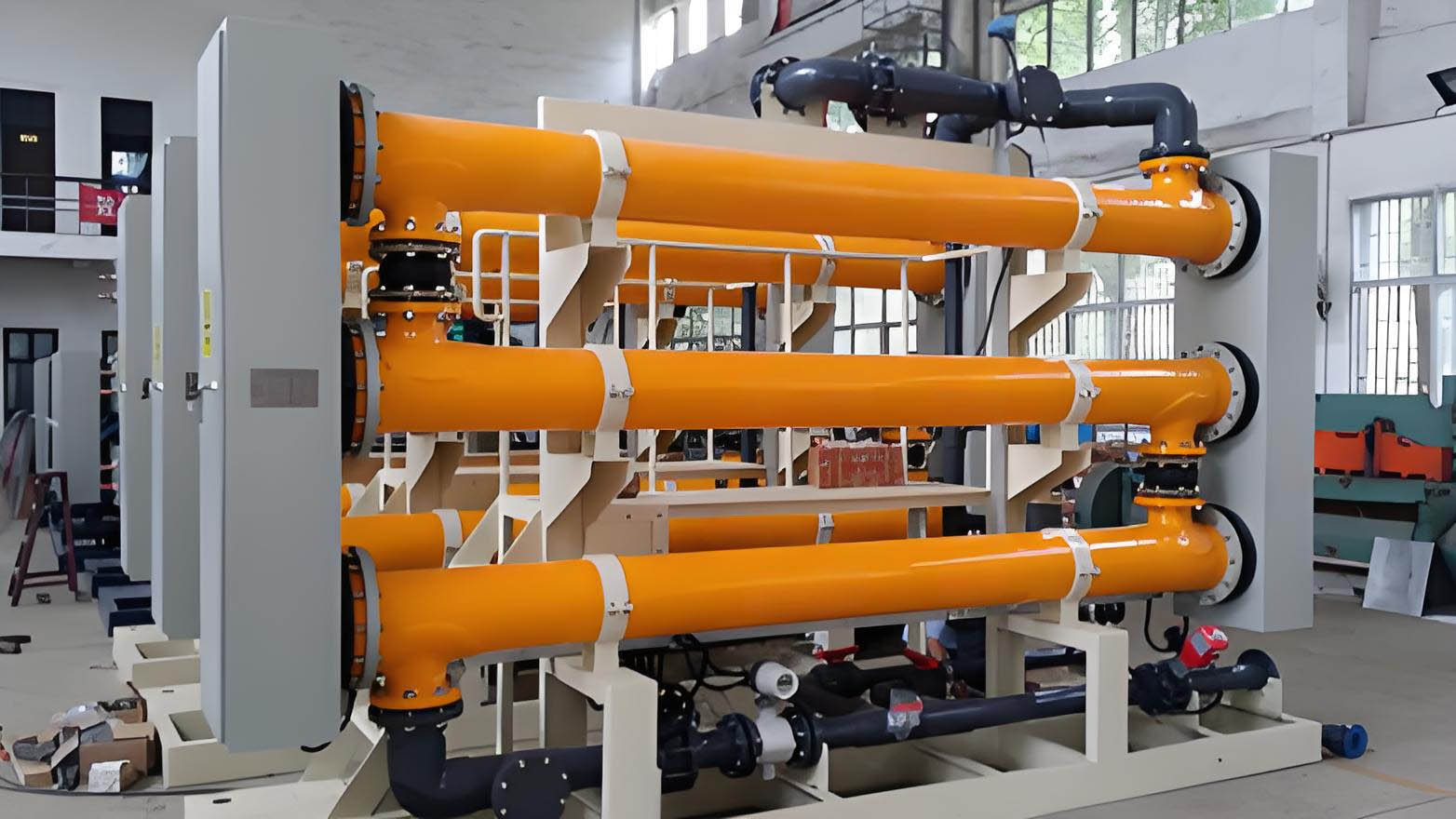
The global aquaculture industry is facing unprecedented challenges in sustainable production, including frequent aquatic diseases, deteriorating water quality, and strict environmental compliance standards. Traditional water disinfection methods relying on purchased chemical chlorine agents have long-standing drawbacks such as unstable dosing, high safety risks, and residual pollution. As a safe, efficient, and eco-friendly water treatment technology, electrolytic seawater chlorination has gradually become the preferred water purification solution for modern marine aquaculture farms. This article explores the working principle, core advantages, practical applications, and operational value of electrolytic seawater chlorination in aquaculture scenarios.
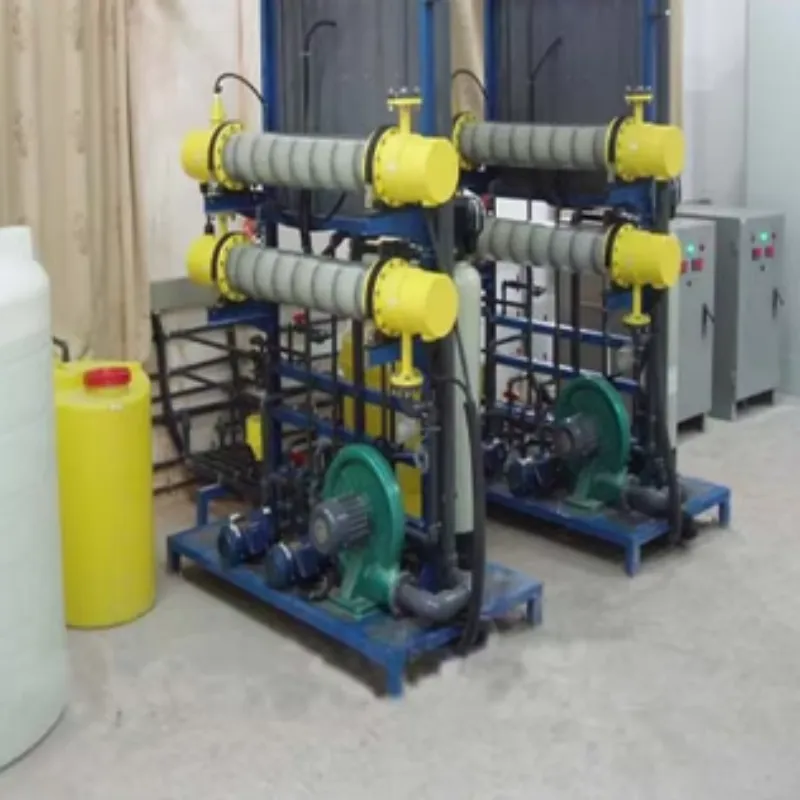
1. What Is Electrolytic Seawater Chlorination?
Electrolytic seawater chlorination is an on-site disinfection technology that uses natural seawater as the raw material without adding external chemical agents. Through the electrolytic reaction of professional electrode equipment, the sodium chloride (NaCl) contained in seawater is decomposed on-site to generate active chlorine substances, including hypochlorous acid (HClO) and hypochlorite ions (ClO⁻) — the core active ingredients for efficient water disinfection and purification.
The entire electrolysis process is automated and controllable. Different from traditional disinfection methods that require manual transportation, storage, and dosing of liquid chlorine or sodium hypochlorite, this technology realizes on-demand generation and instant use of disinfectants. The active chlorine produced by electrolysis has strong oxidizing properties, which can effectively destroy the cell structures of harmful microorganisms, achieving the effects of sterilization, algae removal, and water quality optimization.
2. Core Pain Points of Traditional Disinfection in Aquaculture
Most coastal aquaculture farms, including shrimp ponds, fish breeding cages, and shellfish cultivation areas, rely on traditional chemical disinfection methods for water treatment, which restrict the stable and high-yield development of aquaculture in many ways:
First, chemical agents have hidden safety hazards. Purchased chlorine-based disinfectants are hazardous chemicals that require professional storage and transportation. Improper operation may lead to leakage, excessive dosing, and residual chlorine exceeding the standard, causing stress damage to aquatic organisms and even large-scale mortality.
Second, the disinfection effect is unstable. Artificial dosing is affected by human factors, water temperature, and water flow, making it difficult to maintain a constant chlorine concentration in the water body. Insufficient dosage cannot effectively kill vibrio, viruses, and parasites, while excessive dosage will damage the beneficial microbial flora of the aquaculture water body.
Third, the operation cost is high. Long-term purchase of chemical agents, paired with manual dosing and residual water quality detection, increases labor and material costs. In addition, chemical residues will affect the water ecological environment, triggering potential environmental compliance risks for farms.
3.2 On-Site Generation Reduces Operational Risks and Costs
The electrolysis equipment realizes automatic on-site generation of chlorine, eliminating the links of long-distance transportation and centralized storage of hazardous chemical agents. It avoids safety accidents such as chemical leakage and explosion. Meanwhile, the fully automated operation mode reduces manual intervention, saves labor costs for farms, and the raw material relies on natural seawater, greatly cutting the long-term consumption cost of chemical disinfectants.
3.3 Stable and Efficient Water Quality Regulation
Professional electrolytic water treatment equipment can adjust the chlorine generation concentration in real time according to water flow, water temperature, and aquaculture density. It maintains a low and stable effective chlorine concentration in the aquaculture water body for a long time, continuously inhibits the reproduction of bacteria and algae, reduces the turbidity of the water body, and optimizes the dissolved oxygen environment, creating a constant and high-quality breeding water environment.
3.4 Low Maintenance and Strong Compatibility
The core components of the electrolytic system adopt high-performance MMO titanium anodes, which have strong corrosion resistance and long service life, adapting to the high-salt and high-corrosion marine aquaculture environment. The equipment is compact in structure and can be perfectly compatible with various aquaculture systems such as pond breeding, cage breeding, and recirculating aquaculture systems (RAS), with low daily maintenance workload and stable long-term operation.
4. Typical Application Scenarios in Modern Aquaculture
4.1 Shrimp and Crab Mariculture
Vibrio infection is the main cause of mass mortality in shrimp and crab breeding. Electrolytic seawater chlorination technology can continuously and efficiently kill vibrio in the water body, prevent common diseases such as white spot syndrome and hepatopancreatic necrosis, and significantly improve the breeding survival rate and product yield.
4.2 Marine Fish Cage Breeding
Offshore cage breeding is easily affected by seasonal water quality changes and external pathogen invasion. The electrolysis water treatment system can purify the incoming water in real time, remove algae and organic pollutants in the water body, reduce fish stress reactions and bacterial infectious diseases, and improve the growth rate and quality of marine fish.
4.3 Recirculating Aquaculture System (RAS)
For intensive and intelligent recirculating aquaculture systems, water circulation purification is the core link. Electrolytic seawater chlorination can realize efficient and continuous disinfection of circulating water, avoid pathogen accumulation caused by long-term water circulation, ensure the stability of the closed breeding water environment, and meet the standardized and high-density breeding needs of modern farms.
5. Future Development Value of the Technology
With the global emphasis on aquaculture ecological environmental protection and food safety, green and low-carbon water treatment technology has become the inevitable trend of the aquaculture industry upgrading. Electrolytic seawater chlorination not only solves the problems of high pollution and high risk of traditional disinfection but also realizes the integration of low cost, high efficiency, and environmental protection. It helps aquaculture farms reduce disease loss, improve economic benefits, and meet international aquatic product safety and environmental discharge standards, bringing long-term sustainable development value for the industry.
As a professional water treatment solution provider, we focus on the R&D, customization, and deployment of electrolytic seawater chlorination equipment. We provide one-stop tailor-made water purification systems for coastal aquaculture farms of different scales, helping the aquaculture industry develop in a safe, efficient, and green direction.