
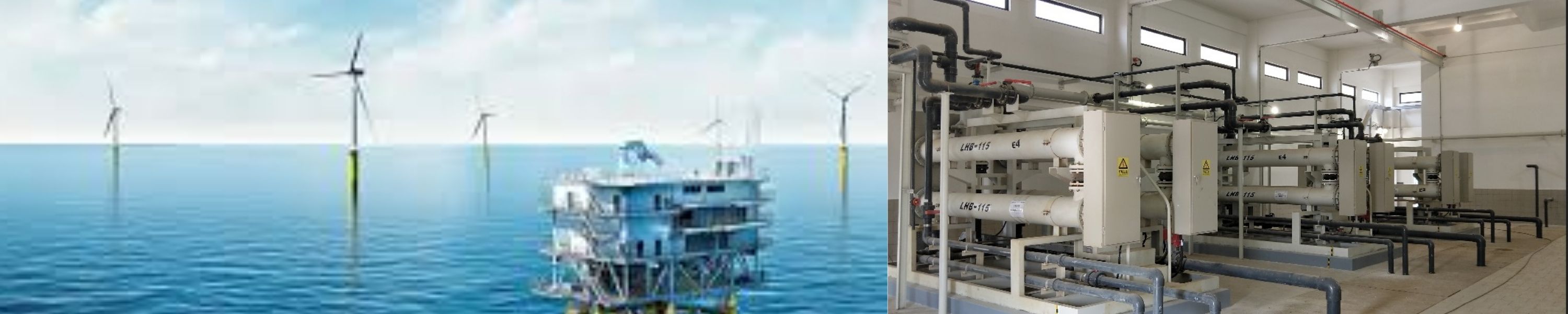
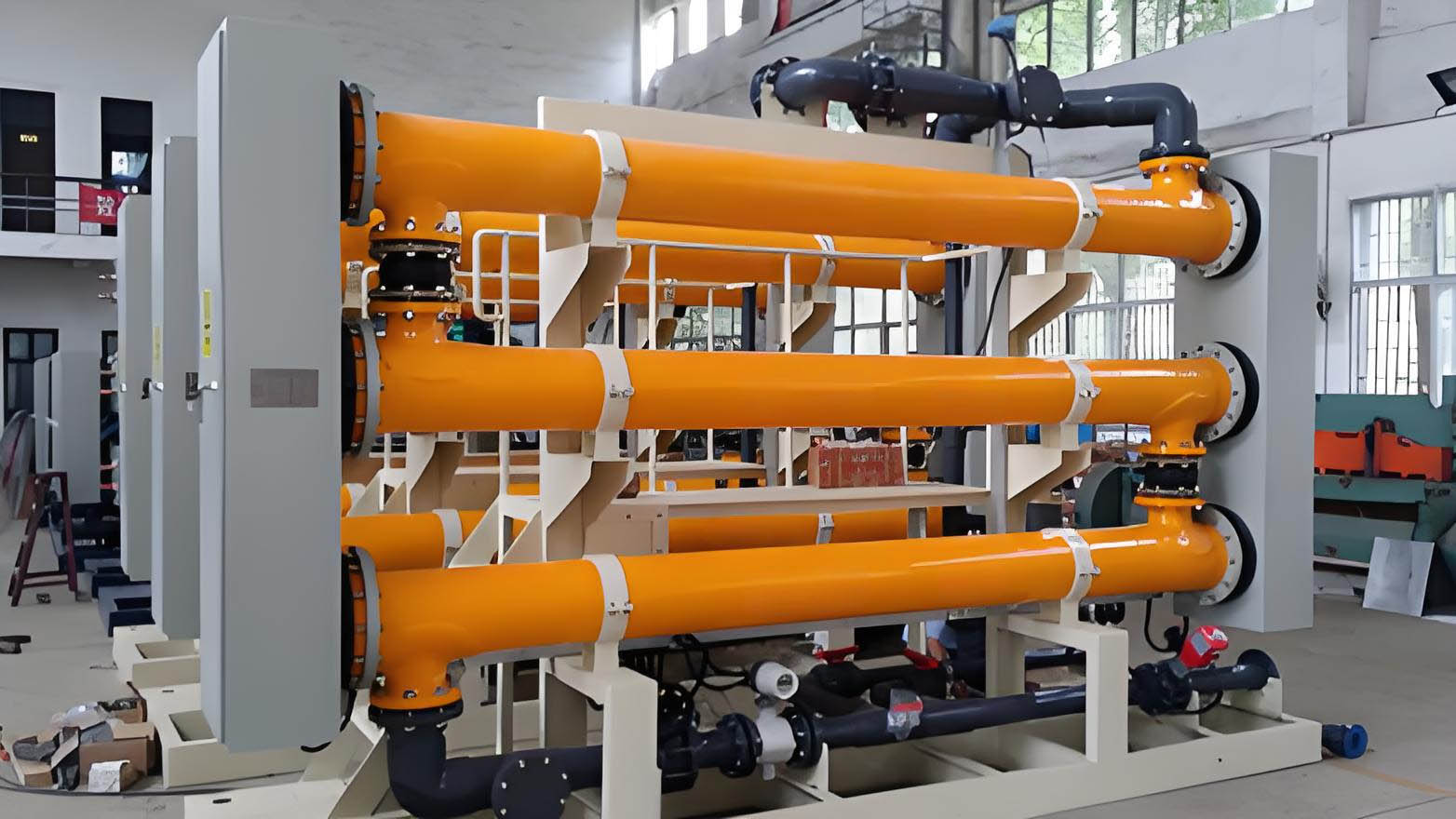
Many operators of seawater electrolytic chlorination systems overlook one critical factor: raw seawater quality directly decides electrolysis performance. Without effective pretreatment, even high-quality electrolytic chlorine generators will suffer low FAC output, frequent scaling, electrode corrosion, and rising unplanned downtime. This article explains how seawater pretreatment impacts electrolytic chlorination efficiency and shares practical pretreatment strategies for marine aquaculture, offshore platforms and ballast water treatment.
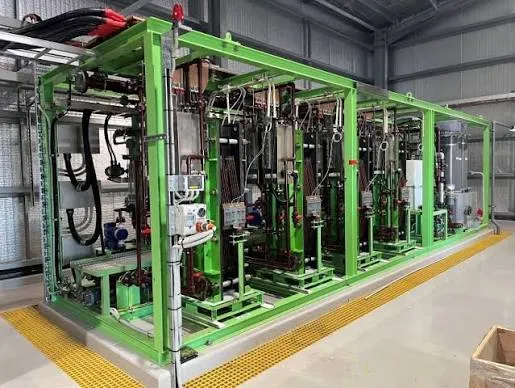
Harm of Unprocessed Raw Seawater to Electrolysis
Raw seawater contains suspended sediment, plankton, organic matter, heavy metal ions, calcium and magnesium hardness ions. If these impurities enter the electrolytic cell directly, a series of negative reactions will occur. Hardness ions easily precipitate and form scale on cathode surfaces. The scale layer blocks electron transfer, increases cell voltage, raises power consumption, and cuts effective chlorine production. Suspended solids and algae can clog pipelines, flow meters and electrolyzer gaps, causing unstable water flow and uneven electrolysis load. Organic substances also consume generated free chlorine in advance, lowering the final available chlorine concentration.
Core Pretreatment Processes to Stabilize Chlorination Efficiency
A well-designed seawater pretreatment workflow solves these problems step by step and maintains stable electrolysis efficiency. The most common core units include coarse filtration, fine filtration, sedimentation and optional softening treatment. Coarse filters remove large debris such as shells and seaweed to protect downstream pumps and precision filters. Bag filters or self-cleaning filters are widely used for fine filtration to intercept fine silt and plankton. For seawater with extremely high hardness, targeted anti-scaling dosing or ion softening can slow mineral precipitation on electrodes.
Main Benefits of Standardized Seawater Pretreatment
Stable water parameters achieved by pretreatment bring multiple benefits to electrolytic chlorination systems. First, the electrolytic cell keeps a stable working voltage, which keeps power consumption at the design level. Second, electrode scaling speed slows down significantly, extending the service life of titanium coating electrodes and reducing the frequency of chemical cleaning. Third, the free chlorine yield stays consistent, so dosing for aquaculture disinfection or ballast water sterilization remains predictable. Operators can avoid unstable disinfection results caused by fluctuating FAC output.
Matching Pretreatment Design with Actual Site Conditions
It is also important to match pretreatment schemes with actual working conditions. Open coastal seawater usually carries more sediment after heavy rain or tide changes and requires higher filtration precision. Seawater from harbour areas has higher organic pollution and may need additional oxidation pre-treatment. For small aquaculture electrolytic chlorination units, simple automatic self-cleaning filtration is often sufficient. Large-scale systems on offshore platforms usually combine multi-stage filtration and online water quality monitoring.
Common Inspection & Maintenance Tips for Pretreatment Units
Many maintenance problems of electrolytic chlorine generators are not equipment faults, but poor seawater pretreatment. Regular inspection of filter elements, pressure difference monitoring and periodic pipeline flushing should be included in routine maintenance. When operators notice rising power consumption or dropping effective chlorine output, seawater inlet quality and pretreatment status should be checked first before disassembling the electrolyzer.
Final Summary
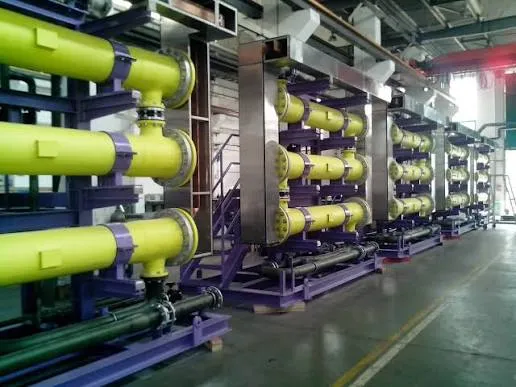
In summary, seawater pretreatment is not an auxiliary accessory but the foundation for stable and high-efficiency electrolytic chlorination. Reasonable pretreatment removes harmful impurities, controls scaling risk, protects core electrolytic components, and helps electrolytic chlorine systems run continuously with lower operation and maintenance costs.