
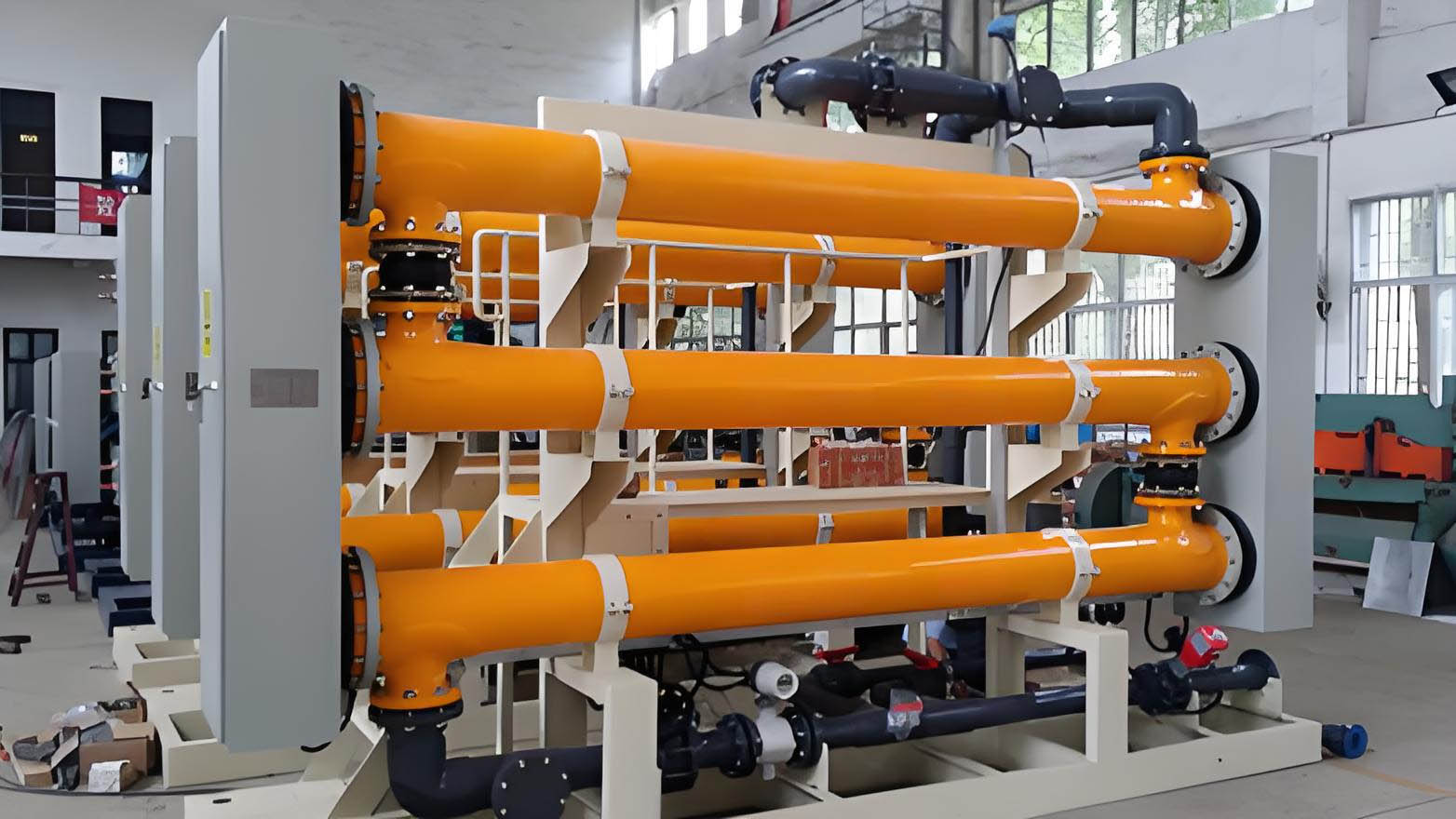
Coastal power stations rely on massive seawater cooling circuits to maintain condenser performance and stable power output. Biofouling from shellfish, algae and marine microbes is a persistent threat, traditionally controlled by bulk sodium hypochlorite or chlorine gas deliveries. While these chemicals work for disinfection, they carry heavy operational, compliance and safety burdens that keep OPEX high year after year. On-site seawater electrolysis delivers a proven alternative: generate dilute sodium hypochlorite directly from intake seawater and electricity, remove hazardous chemical stockpiles, and drive down long-term operational costs for coastal thermal power assets.
Hidden Cost Drivers of Traditional Bulk Chlorine Management
Many plant operators underestimate the full OPEX stack linked to purchased biocide chemicals. Beyond the invoice price of bleach or chlorine cylinders, facilities pay for regulated transport, bunded storage tanks, leak detection systems, regular chemical inventory audits, PPE, specialised training and emergency response preparedness. Bulk hypochlorite also naturally degrades during storage, losing available chlorine strength and creating unwanted chlorate by-products, which forces over-dosing and raises compliance risks for effluent discharge. Supply chain volatility adds another layer of risk: delayed deliveries can leave cooling systems unprotected, triggering biofouling, reduced heat transfer efficiency and unplanned derates.
Safety compliance further amplifies overhead. Local environmental, process safety and hazardous goods regulations demand regular inspections, containment upgrades and reporting for stored chlorine chemicals. For international EPC and power operators, these requirements vary across regions, making standardised site management more complex. Every tank farm, transfer pump and chemical unloading point represents a potential leak exposure point and ongoing maintenance liability.
How On‑Site Seawater Electrolysis Removes Chemical Storage Risk
Seawater electrochlorination systems use filtered raw seawater as the feedstock. As seawater flows through coated electrolytic cells, electric current converts dissolved chloride ions into low-concentration sodium hypochlorite solution, which is dosed immediately into the cooling water intake for continuous biofouling control. No bulk chlorine gas, no concentrated bleach IBCs, and no permanent hazardous chemical storage area on site.
The generated hypochlorite is dilute and consumed right after production, eliminating degradation losses. The only byproduct is hydrogen, which is safely diluted and vented following standard design protocols, with built-in interlocks and gas monitoring to maintain safe operating limits. Systems are fully automated, tied to residual chlorine sensors, and adjust output according to seawater temperature, tidal cycles and biological loading, supporting stable, precise dosing without manual chemical handling.
Tangible OPEX Savings for Coastal Power Operations
The cost advantages fall into four clear categories:
- Eliminate chemical procurement and logistics spend: No recurring orders, transport fees or third-party chemical contracts. Seawater is free, and the main operating input is site power.
- Cut safety and compliance overhead: Remove inspection, containment and emergency planning costs associated with hazardous chemical inventories, while simplifying permitting for expansion or asset handover.
- Reduce unplanned downtime: Steady, on-demand biocide control prevents shellfish settlement and biofilm build-up, preserving condenser heat-transfer efficiency and avoiding output losses.
- Lower maintenance burden: Modern electrochlorination units feature self-cleaning electrode designs and corrosion-resistant materials suited for continuous seawater service, extending service intervals.
These savings compound over multi-decade plant lifespans, making seawater electrolysis a strong value proposition for new builds as well as retrofits of existing coastal coal, gas and CHP facilities.
Practical Considerations for Smooth Retrofit and New Project Deployment
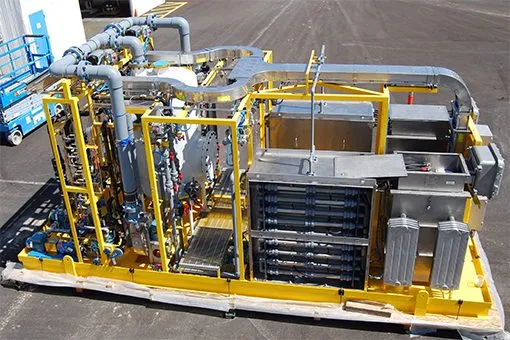
To maximise return, system design must match site-specific seawater quality, intake flow rate, biofouling pressure and local discharge limits. Pre-filtration is critical to protect electrolytic cells from suspended sediment and marine debris. Remote monitoring and data logging support performance tracking for EPC owners, asset managers and environmental auditors. Our team customises skid-mounted electrochlorination packages, integrates them with existing DCS platforms, and provides commissioning, operator training and long-term service support for global power projects.
For coastal power stations balancing profitability, safety and environmental obligations, shifting from stored hazardous biocides to on-site seawater electrolysis is more than a water treatment upgrade. It is a direct strategy to stabilise OPEX, reduce safety exposure and protect core cooling infrastructure for decades.

