
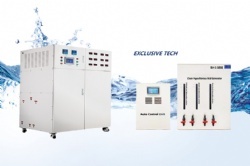
Slaughter and meat processing facilities face persistent sanitation challenges: high organic loads from blood, fat and tissue residues, frequent cross-contamination risks on cutting tools, work surfaces, floors and drainage zones, and strict food safety compliance requirements. Traditional disinfectants such as sodium hypochlorite often create irritating fumes, harmful by-products and chemical residues that complicate HACCP management. As a professional water treatment solution provider, we deliver on-site hypochlorous acid (HOCl) generation systems tailored for slaughterhouses, supporting continuous, safe sanitation for both production environments and meat-contact tools.
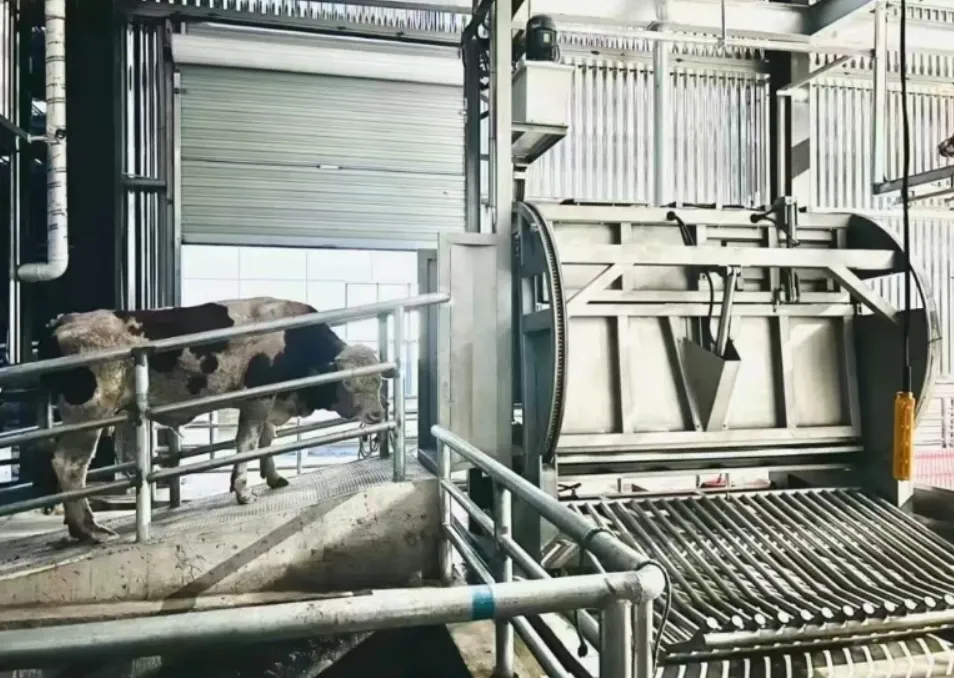

Core Sanitation Scenarios in Slaughter Plants
HOCl generated on-site from salt, water and electricity works across multiple critical zones in slaughter operations. For handheld tools including knives, hooks, scissors and trays, soak or spray sanitation removes biofilm without corroding metal surfaces when applied at proper concentrations. For fixed assets such as cutting tables, conveyor frames, splitting saws and evisceration equipment, automated spray and foam applications fit into CIP and end-of-shift cleaning routines. For facility environments, fogging and surface rinsing cover floors, walls, drains, holding pens and waste collection areas to suppress airborne and residual pathogens like Salmonella, E. coli and Listeria. It can also be integrated into boot dips and hand sanitizing stations to strengthen personnel biosecurity.
Critical Usage Points for HOCl Disinfection in Slaughterhouses
Concentration control is the first priority. For food-contact tools and direct surface contact, maintain 50–100 ppm HOCl after pre-cleaning. For heavy-soiled environmental zones with high organic matter, adjust to 100–200 ppm and extend contact time. Always complete pre-rinsing to remove blood and grease before disinfection, because organic contaminants quickly consume active HOCl and reduce sterilization efficiency.
Fresh generation matters greatly. HOCl solution degrades gradually under light and heat, so generate and deploy the solution on demand instead of long-term storage. Install the generator close to usage points to minimize pipeline transport time. Conduct regular testing of free chlorine and pH values every shift to keep the solution stable within the effective range.
Separate sanitation workflows to avoid cross-contamination. Assign dedicated spray circuits for clean tool zones and waste area disinfection. Avoid mixing HOCl with alkaline detergents or other chemical sanitizers, which may produce unwanted irritant by-products. After the required contact time, rinse food-contact surfaces with clean water as specified by local food safety regulations.
Why On-Site HOCl Generation Fits Slaughterhouse Operations
Compared with purchasing packaged disinfectants, the on-site generator cuts logistics, storage and chemical inventory costs. HOCl delivers strong bactericidal performance with low irritation to on-site workers and leaves no persistent chemical residues on meat-contact surfaces. The system supports flexible output to match peak and off-peak slaughter schedules, and it can connect to manual spray guns, fixed fogging systems and circulation sanitizing loops. It helps facilities simplify sanitation SOPs and meet audit standards for meat processing safety.
Implementation & Maintenance Recommendations
Design the water supply with pre-filtration to protect the electrolytic cell from scaling. Schedule routine cell inspection and descaling according to local water hardness. Train sanitation staff on concentration testing, correct spraying methods and emergency protocols. Build a record log for HOCl concentration, usage time and sanitation zones for traceability during official inspections. Pair HOCl sanitation with regular ATP swab testing and microbial sampling to verify real disinfection results continuously.
For slaughterhouses seeking a stable, compliant and low-risk sanitation upgrade, hypochlorous acid generators offer a practical, scalable solution for daily environmental and tool disinfection.

