
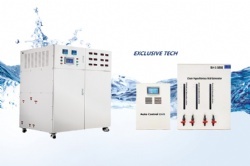
Food safety is the top priority for fruit and vegetable processing factories. Raw fruits and vegetables often carry foodborne pathogens including Salmonella, E. coli, Listeria and mold spores. Traditional sanitizers such as sodium hypochlorite and quaternary ammonium compounds have obvious drawbacks: strong odor, chemical residues, easy discoloration of leafy greens, and high operational costs for chemical procurement, storage and waste disposal. Many processors are now turning to on-site hypochlorous acid (HOCl) generators to upgrade their washing and disinfection workflows.
How Hypochlorous Acid Generators Work for Produce Sanitation
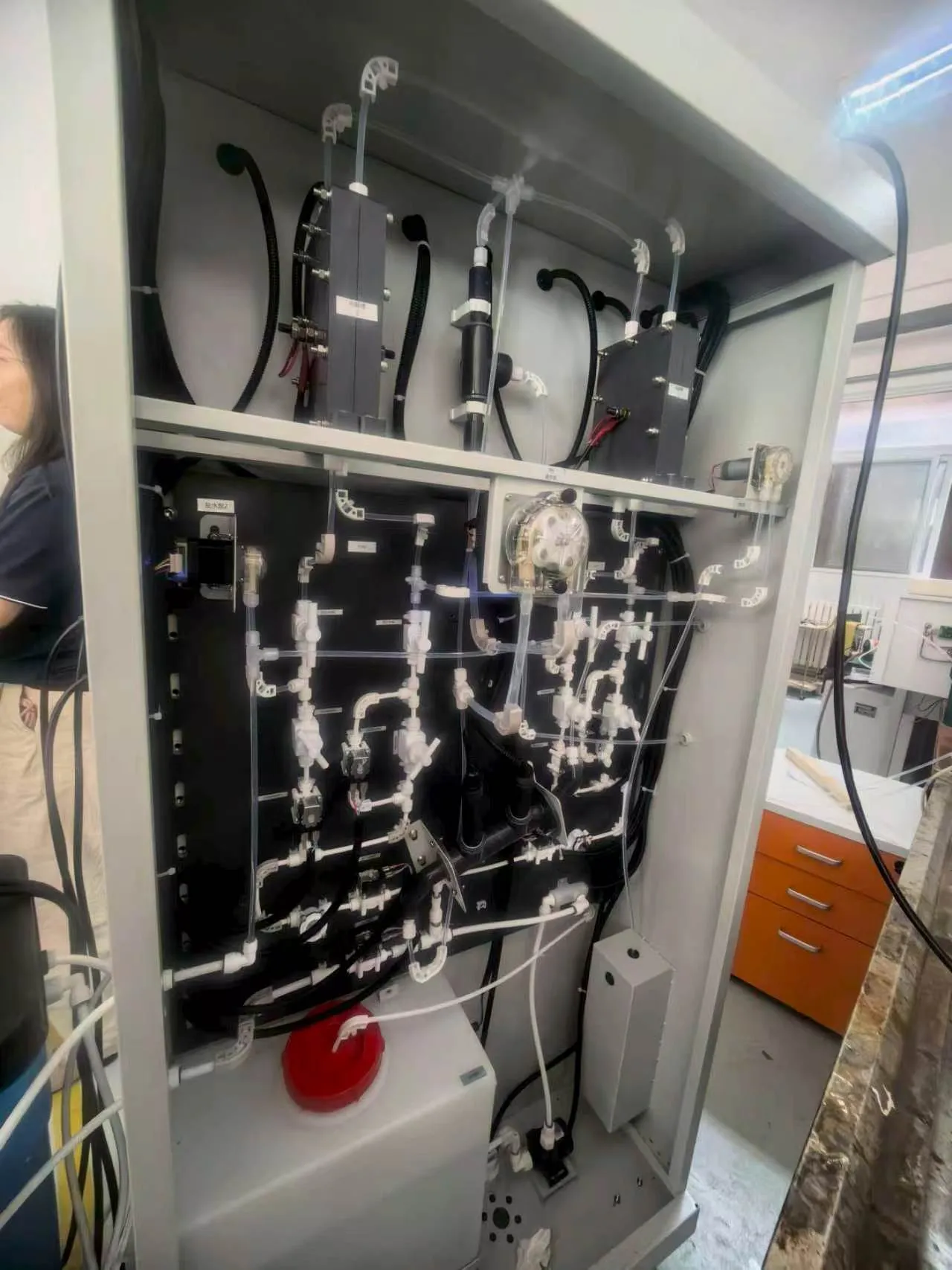
The hypochlorous acid generator produces food-grade HOCl solution on demand through electrolysis of water and diluted salt, without transporting and storing bulk hazardous chemicals. The generated slightly acidic HOCl solution features small molecular weight and strong permeability. It can penetrate tiny crevices on fruit and vegetable skins, quickly inactivate surface microorganisms and partially decompose pesticide residues. After disinfection, HOCl breaks down into water and trace salt, leaving no harmful residues on produce. The solution is food-contact safe and meets international food sanitation standards, and in most scenarios, no secondary rinsing is required, which greatly saves clean water consumption.
Core Application Practices in Fruit & Vegetable Processing Lines
HOCl solution can be integrated into multiple stages of the produce processing workflow.
- Raw material soaking and spray washing: Install HOCl dosing units in bubble washing tanks and spray tunnels. With a controlled concentration of 30–80 ppm, fruits and vegetables receive continuous sanitization during washing, reducing total microbial counts efficiently. This method suits leafy greens, berries, root vegetables and cut fresh produce.
- Equipment and conveyor sanitation: Use HOCl for spraying or fogging on conveyor belts, slicing machines, sorting tables and internal walls of processing rooms to remove biofilm and prevent cross-contamination between batches.
- Cold storage and packaging area disinfection: Regular fogging treatment suppresses mold growth in packaging zones and cold rooms, helping extend the shelf life of finished products.
Key Benefits of HOCl Generators Compared with Traditional Sanitization
First, it improves product quality. Unlike bleach, properly dosed HOCl will not cause browning, odor or texture damage to sensitive fruits and vegetables, preserving the original color, taste and appearance. Second, it cuts operational costs. Factories generate sanitizing liquid on-site with only water and salt as raw materials, eliminating repeated chemical ordering and special storage requirements. Third, it simplifies compliance. The residue-free characteristic reduces food safety risks in third-party testing and export inspections. Fourth, it improves workplace safety. HOCl is non-irritating at working concentrations, lowering chemical burn risks for frontline workers and reducing requirements for heavy protective gear.
Practical Implementation Notes for Processing Plants
Successful deployment relies on stable concentration monitoring and system integration. We recommend installing online pH and residual chlorine sensors to maintain HOCl parameters continuously. Operators should conduct regular microbial sampling tests to verify disinfection performance. Different types of fruits and vegetables need tailored concentration and contact time settings: delicate berries require lower concentration and shorter contact time, while root vegetables can adopt longer soaking cycles. Our engineering team can customize generator capacity and automatic dosing systems according to your production output and workshop layout.
Conclusion
For fruit and vegetable processors aiming to balance food safety, product quality and sustainable production, hypochlorous acid generators provide a reliable, low-carbon disinfection solution. By replacing conventional sanitizers with on-site HOCl production, plants can reduce microbial risks, minimize waste, protect produce quality and meet stricter global food safety requirements.