
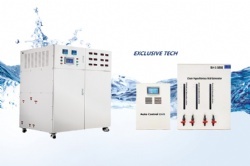
Electrolytic Potassium Chloride Hypochlorite Generator: A Sanitation Game-Changer for Commercial Mushroom Cultivation
Mushroom farming is a high-precision agricultural sector that demands strict hygiene control. Mushroom mycelium is extremely sensitive to harmful bacteria, green mold, fusarium and airborne pathogens. Even minor microbial contamination can lead to spawn deterioration, deformed fruiting bodies, and massive yield losses, cutting farm profits by 30% to 60% in severe cases. For decades, mushroom growers relied on synthetic fungicides, sodium hypochlorite disinfectants and ultraviolet sterilization, yet these solutions have obvious drawbacks: chemical residue, mycelium damage, unstable disinfection effect and high operational costs.
As a professional water treatment solution provider, we launch customized electrolytic potassium chloride (KCl) hypochlorite generator tailored for edible fungi cultivation. This eco-friendly on-site disinfection device solves core sanitation pain points of mushroom farms, balancing efficient sterilization, crop safety and low carbon production. This blog elaborates on its working principle, cultivation application, core advantages and practical operation guidance for mushroom growers.
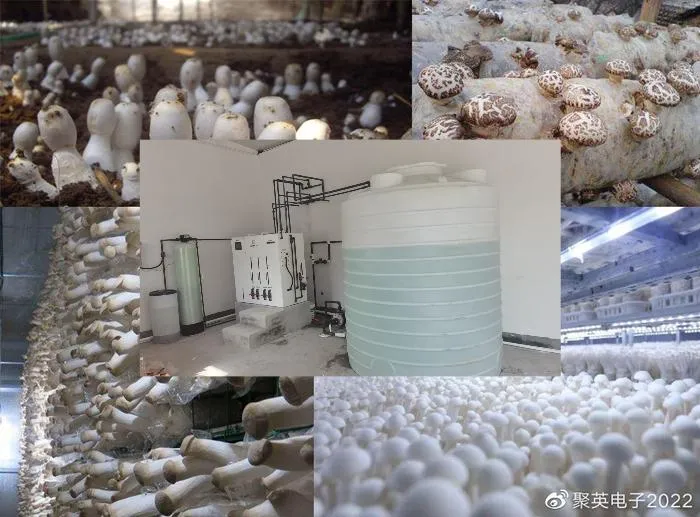
1. Why Traditional Disinfection Fails Modern Mushroom Cultivation
Commercial mushroom cultivation covers whole-process sanitation links including substrate sterilization, growing room disinfection, irrigation water purification, picking equipment cleaning and waste water treatment. Traditional disinfection methods cannot fit the fragile growth characteristics of mushrooms, bringing three major hidden dangers:
- Toxic residue hinders mycelium growth: Commerical chemical fungicides contain heavy metal and irritative components. Long-term usage inhibits mycelium germination, distorts mushroom shapes, and causes excessive pesticide residue, failing organic mushroom export standards.
- Ordinary sodium hypochlorite irritates fungal tissues: Most disinfection equipment adopts sodium chloride electrolysis, producing strong alkaline disinfectant. It burns tender mycelium, damages cultivation substrate activity, and reduces mushroom budding rate.
- High cost and poor sustainability: Purchasing bottled disinfectants requires repeated transportation and storage, with extra labor and material costs. Meanwhile, leftover chemical waste triggers sewage discharge risks, increasing environmental compliance pressure for farms.
Different from common disinfection equipment, our potassium chloride electrolysis technology generates neutral hypochlorous acid water, which matches the weakly acidic growth environment of mushrooms perfectly, filling the technical gap of agricultural fungi dedicated sterilization equipment.
2. Working Principle of KCl Electrolytic Hypochlorite Generator
The core technology relies on low-voltage bipolar electrolysis, adopting food-grade potassium chloride as the only raw material, mixed with purified water for on-site electrolysis. Without adding any chemical additives, the device generates stable hypochlorous acid (HOCl) disinfectant in real time.
During electrolysis, potassium ions stabilize the pH value of electrolyzed water between 5.5 and 6.5, forming a weakly acidic disinfection solution consistent with mushroom cultivation conditions. This special molecular structure achieves dual effects: 99.99% elimination of mold, bacteria and viruses, and supplementary potassium elements for mushroom substrate. Compared with sodium chloride electrolysis, KCl electrolysis avoids sodium ion accumulation in cultivation soil, preventing substrate salinization and hardening.
3. Full-scenario Applications in Mushroom Planting
Our hypochlorite generator supports adjustable disinfectant concentration, adapting to all growth cycles of shiitake, oyster mushroom, enoki mushroom and ganoderma. It covers four core cultivation scenarios:
3.1 Irrigation Water Purification
Unqualified irrigation water carries green mold spores and bacillus, which is the primary cause of spawn contamination. The generator treats circulating irrigation water on-site, removing waterborne pathogens without changing water pH. On-site test data shows that continuous water disinfection reduces mushroom root rot rate by 78%, and improves water utilization efficiency by 25%.
3.2 Cultivation Workshop Air & Surface Sanitization
Mushroom growing rooms require daily air disinfection to cut cross-contamination risks. The generated hypochlorous acid water can be atomized for space spraying, or used to clean cultivation racks, trays and ventilation pipelines. It kills trichoderma and penicillium within 3 minutes, with no pungent odor and no harm to staff respiratory tracts.
3.3 Substrate and Spawn Disinfection
Before bagging cultivation substrates and inoculating mushroom spawn, dilute electrolyzed KCl disinfectant can replace high-temperature steam sterilization. It shortens substrate pretreatment time, retains organic nutrients in straw and sawdust substrates, and increases mycelium colonization speed by 18%.
3.4 Post-harvest Equipment & Sewage Treatment
After picking, disinfect picking tools and packaging lines to avoid cross-bacterial pollution of finished mushrooms. Meanwhile, treat cultivation wastewater to degrade residual fungi spores, reaching agricultural discharge standards, realizing circular planting management.
4. Core Advantages for Mushroom Growers
- Crop-safe & Residue-free: Food-grade KCl raw materials, no harmful chemical additives. Disinfectant decomposes into water and potassium ions naturally after use, zero pesticide residue, fully compliant with EU organic agriculture and food export regulations.
- Cost-saving Operation: On-site real-time generation eliminates bottled disinfectant procurement costs. The raw material cost is only 1/6 of traditional fungicides. The equipment supports 24-hour automatic operation, cutting manual sanitation labor costs.
- Substrate-friendly Nutrition Supplement: Released potassium ions optimize substrate fertility, promote mushroom fruiting, improve mushroom plumpness and taste, and raise commercial product yield.
- Low Maintenance & Long Lifespan: Corrosion-resistant electrode design adapted to humid mushroom workshop environment. Intelligent monitoring system realizes automatic alarm and water flow adjustment, reducing after-sales maintenance frequency.
5. Real Case: Yield Improvement of Domestic Edible Fungi Base
We cooperated with a 20,000-square-meter commercial mushroom base in Shandong in 2025. The farm suffered recurring green mold pollution, with annual yield loss up to 42%. After deploying our electrolytic potassium chloride hypochlorite generator for full-link sanitation renovation:
- Mold contamination rate dropped from 41% to 3.2%;
- Total mushroom yield increased by 29%;
- Monthly disinfection comprehensive cost reduced by 54%;
- All finished mushroom products passed organic food detection.
The base manager commented that this water treatment equipment solves the long-standing sanitation bottleneck of mushroom cultivation, realizing stable output and premium product pricing.
6. Conclusion
Sanitation is the bottom line of profitable mushroom cultivation. Against the background of stricter global agricultural environmental protection and food safety policies, chemical-dependent disinfection is no longer sustainable. The electrolytic potassium chloride hypochlorite generator integrates water purification, sterilization and soil nutrition optimization, providing a safe, low-cost and green sanitation solution for mushroom farms.
As a professional water treatment manufacturer, we provide customized equipment selection, pipeline docking, on-site commissioning and after-sales global technical support for agricultural clients. If you encounter contamination risks, high disinfection costs or residue troubles in mushroom planting, feel free to contact our team for tailored water treatment solutions.