
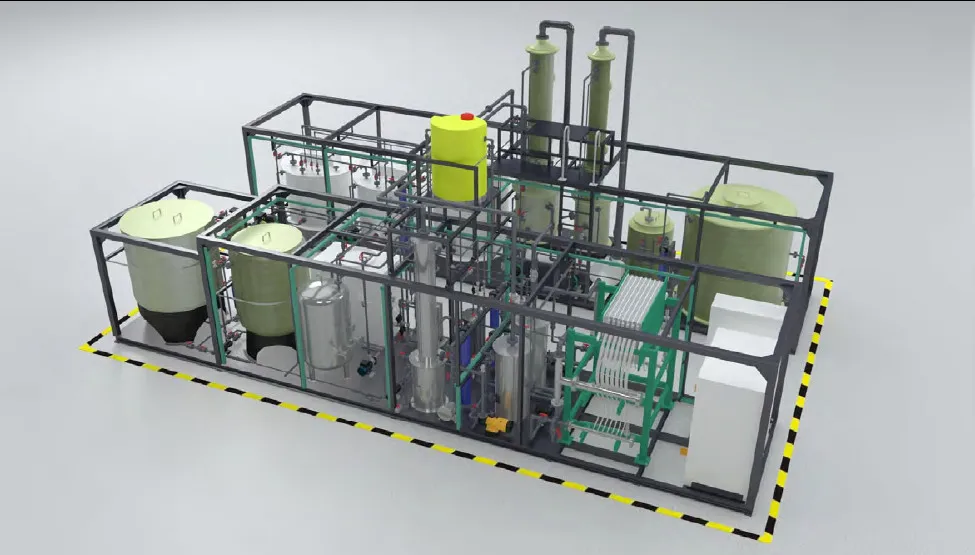
Chemical manufacturing wastewater presents unique and demanding water treatment challenges. Unlike conventional municipal wastewater, chemical effluent often carries fluctuating organic loads, ammonia compounds, heavy metal traces, and resistant microbial populations. Meeting strict discharge standards while controlling operational risks and costs has become a top priority for chemical plant operators. Traditional disinfection methods, including bulk-delivered sodium hypochlorite and chlorine gas, come with well-known drawbacks: chemical degradation during storage, hazardous transportation, large footprint requirements, and supply chain instability. On-site high-strength bleach (high-concentration sodium hypochlorite) generation delivers a robust alternative tailored for chemical wastewater disinfection.
Key Challenges in Chemical Wastewater Disinfection
Chemical wastewater varies dramatically in water quality day to day. High organic content creates heavy chlorine demand, consuming disinfectant before it can inactivate pathogens. Bulk commercial bleach loses active chlorine over storage time, leading to inconsistent dosing results and unpredictable effluent quality. Transporting and storing concentrated hypochlorite or chlorine gas introduces serious safety hazards, including spills, corrosive leaks, and toxic fume release. Many chemical sites also face tightening environmental regulations, requiring stable microbial reduction and controlled disinfection byproduct monitoring before effluent discharge or water reuse.
These pain points make one-size-fits-all disinfection solutions unreliable. Facilities need a system that generates fresh, high-potency disinfectant on demand and adapts to variable wastewater conditions automatically.
How On‑Site High‑Strength Bleach Systems Work
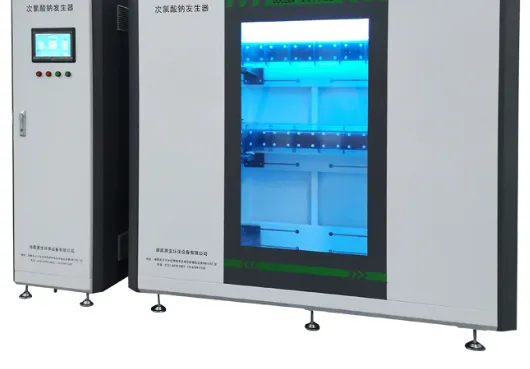
On-site high-strength bleach generators use electrochlorination technology to produce concentrated sodium hypochlorite locally from simple feedstocks: salt, water, and electricity. Instead of receiving bulk chemical deliveries, the system makes high-strength NaOCl as required for wastewater treatment. The generated hypochlorite releases hypochlorous acid (HOCl), the powerful oxidizing agent that destroys bacteria, viruses, and breaks down some organic contaminants in chemical wastewater.
Integrated online monitoring and automatic dosing modules track water flow, residual chlorine, and pH in real time. The system adjusts bleach injection dynamically to match shifting wastewater quality, avoiding under-disinfection or excessive chlorine dosage. This closed-loop control stabilizes treatment performance even when the chemical plant’s effluent load fluctuates.
Core Benefits for Chemical Wastewater Treatment
Consistent Disinfection Performance
On-site generation produces fresh high-strength bleach continuously. There is no storage-related decay of active chlorine, so disinfection strength remains predictable. The high oxidizing power handles the heavy chlorine demand typical of chemical wastewater and reliably reduces pathogen levels to satisfy discharge permits.
Improved Site Safety
The biggest safety advantage is eliminating regular bulk transportation and long-term storage of hazardous concentrated bleach or chlorine gas. Plant staff only handle salt as the raw input, significantly lowering risks of corrosive spills, chemical exposure, and emergency incidents. This also simplifies hazardous chemical permitting and on-site safety management.
Lower Total Operating Costs
While the system requires upfront capital investment, it cuts long-term expenses. Facilities save on chemical freight, storage tank maintenance, waste handling, and losses from degraded stored bleach. The compact footprint of high-strength generation equipment also saves valuable plant space compared to large bulk chemical storage areas.
Supply Chain Independence
Chemical manufacturing sites often face delays or price volatility for purchased disinfectants. On-site high-strength bleach production removes reliance on third-party chemical suppliers. As long as salt, water and power are available, the plant maintains uninterrupted wastewater disinfection operations.
Practical Implementation Considerations
Successful deployment requires pre-assessment of wastewater characteristics, including organic loading, ammonia concentration, pH range, and target disinfection limits. Proper mixing design and sufficient contact time are essential to maximize pathogen inactivation. Operators should install continuous residual chlorine sensors and implement quenching modules if needed to control disinfection byproducts before final discharge.
Our engineering team customizes on-site high-strength bleach systems for chemical plants of different capacities, with full automation, remote monitoring, and operator training support.
Conclusion
For chemical facilities managing complex wastewater streams, on-site high-strength bleach represents a reliable, safe, and cost-effective disinfection solution. It solves the instability and safety issues of purchased bulk chlorine products, adapts to variable chemical effluent, and supports compliance with strict environmental discharge rules. When paired with automated monitoring, this electrochlorination technology delivers stable wastewater disinfection while reducing operational risks for chemical manufacturers.