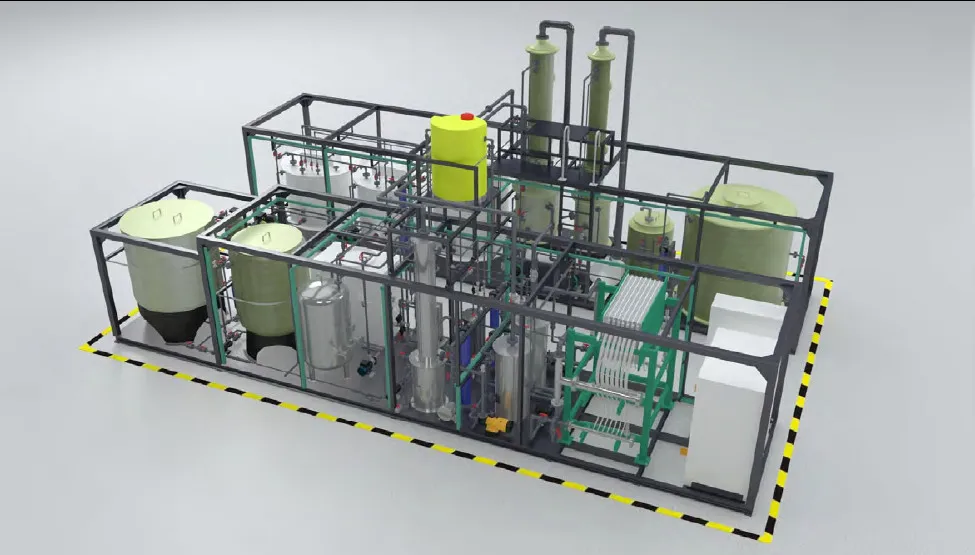
Cooling towers are the backbone of industrial heat rejection systems, widely deployed in manufacturing plants, power stations, commercial buildings, and data centers. These open circulating water systems expose water to continuous air contact, creating ideal conditions for microbial proliferation, algae blooming, and biofilm accumulation. Collectively known as biofouling, these biological contaminants severely undermine cooling efficiency, trigger equipment corrosion, and induce operational safety hazards. For industrial water treatment professionals, high-strength sodium hypochlorite has emerged as a cost-effective, high-efficiency, and reliable biocide solution to eliminate biofouling and stabilize cooling tower water quality.
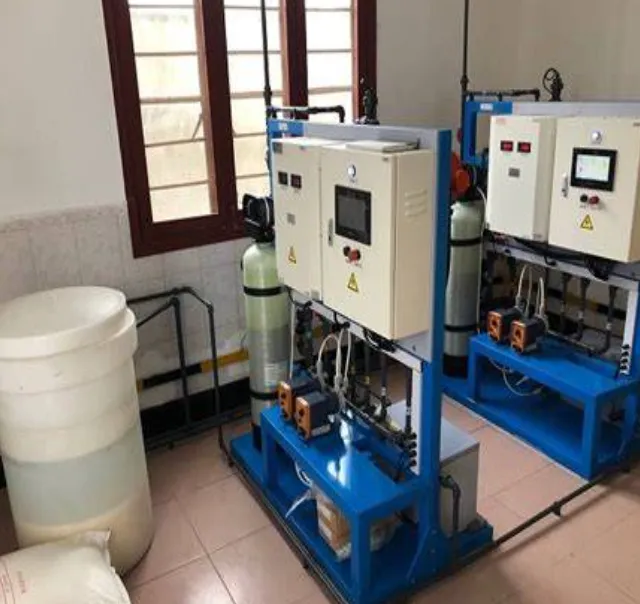
What Causes Biofouling in Cooling Tower Systems
Biofouling is a progressive biological contamination process unique to open cooling water loops. Warm water temperatures, abundant oxygen, suspended nutrients from airborne dust and atmospheric pollutants, and stagnant flow areas together foster the rapid growth of microorganisms, including bacteria, algae, fungi, and protozoa.
The most problematic component of biofouling is biofilm. Microorganisms attach to pipe walls, heat exchange surfaces, and tower fills, then secrete extracellular polymeric substances (EPS) to form a sticky, protective gelatinous layer. This layer shields embedded microbes from conventional low-level disinfection, allowing microbial colonies to multiply exponentially. Over time, thick biofilms mix with sediment and scale to form fouling deposits that block water flow, reduce heat transfer efficiency, and increase system energy consumption.
Worse still, unmanaged biofouling harbors pathogenic bacteria such as Legionella pneumophila, posing severe public health risks to on-site staff and surrounding environments. It also accelerates localized pitting corrosion and microbial-induced corrosion (MIC), shortening the service life of heat exchangers, pipelines, and cooling tower structural components.
Why High-Strength Hypochlorite Outperforms Regular Biocides
Traditional low-concentration bleach and generic biocides often struggle with incomplete biofouling control. They only kill free-floating planktonic microbes but fail to penetrate and degrade mature biofilm EPS structures, leaving residual microbial colonies to regrow rapidly. In addition, frequent low-dose dosing leads to microbial drug resistance, further weakening long-term treatment effects.
High-strength sodium hypochlorite breaks through these limitations with superior oxidation and disinfection performance. As a powerful broad-spectrum oxidizing biocide, it hydrolyzes in cooling water to generate hypochlorous acid (HOCl), the core active ingredient for microbial inactivation. HOCl penetrates microbial cell walls, destroys intracellular enzymes and genetic materials, and completely inactivates bacteria, algae, and viruses at the source .
Compared with standard-grade hypochlorite solutions, high-strength formulations deliver three core advantages for cooling tower treatment. First,stronger biofilm breakdown capability: it efficiently oxidizes and dissolves EPS layers, stripping attached biofilms from equipment surfaces instead of only killing suspended microbes . Second, higher concentration stability: refined high-strength hypochlorite features low impurity content, minimal alkali residue, and no secondary scaling or sedimentation risks, ensuring pure and effective water treatment. Third,lower overall dosing frequency: its high available chlorine content provides long-lasting residual disinfection, reducing dosing cycles and chemical consumption while cutting operational costs.
In the protection and inhibition stage, reasonable residual free chlorine suppresses the adhesion and reproduction of new microorganisms. By maintaining a stable low-level free chlorine residual in circulating water (0.2–1.0 mg/L under conventional operating conditions), it prevents secondary biofilm formation and algae overgrowth, keeping cooling tower water systems in a long-term clean and efficient state .
Notably, high-strength hypochlorite maintains optimal disinfection activity within the typical pH range of industrial cooling water (6.5–7.5). In this environment, hypochlorous acid dominates the hydrolysis product, maximizing bactericidal and anti-fouling efficiency without causing equipment corrosion or water quality deterioration .
Best Practices for Cooling Tower High-Strength Hypochlorite Dosing
To maximize biofouling control effects while ensuring system operational safety, industrial sites should adopt a combined continuous dosing and periodic shock treatment strategy.
For daily routine maintenance, operators implement continuous low-dose feeding to sustain stable free chlorine residuals, inhibiting regular microbial growth and preventing biofilm accumulation. For mature biofouling or high-temperature, high-humidity seasons with rampant microbial reproduction, regular shock dosing is recommended to quickly break down thick biofilms and eliminate stubborn microbial colonies .
Professional water treatment monitoring is essential throughout the process. Real-time tracking of ORP values, free chlorine residuals, water pH, and turbidity allows precise dosage adjustment, avoiding insufficient disinfection or excessive chlorine residue. This standardized dosing mode balances efficient biofouling control, equipment safety, and environmental compliance.
Key Benefits for Industrial Cooling Tower Operation
Adopting high-strength hypochlorite as a dedicated cooling tower biocide brings tangible operational and economic benefits for industrial enterprises.
First, stabilized cooling efficiency. Effective biofouling removal restores the heat transfer performance of fills and heat exchangers, reducing equipment heat load and lowering overall system energy consumption.
Second, extended equipment service life. Eliminating biofilm-induced corrosion and scaling reduces equipment maintenance frequency and replacement costs, minimizing unplanned system downtime.
Third, compliant and safe operation. Efficient inhibition of Legionella and harmful microorganisms meets industrial water treatment safety standards and environmental regulations, eliminating public health and environmental compliance risks .
Fourth, optimized operational costs. The high-efficiency formula reduces chemical usage and labor costs for frequent dosing and manual cleaning, achieving long-term cost reduction and efficiency improvement for cooling water systems.
Final Thoughts
Biofouling is an invisible killer of cooling tower system efficiency and safety. Traditional biocide solutions can no longer meet the high-standard operation requirements of modern industrial circulating water systems. As a professional, efficient, and stable water treatment biocide, high-strength hypochlorite thoroughly solves biofilm, algae, and bacterial contamination problems through powerful oxidation and sustained disinfection capabilities. It helps enterprises achieve intelligent, standardized, and low-cost cooling tower water management, ensuring long-term stable and efficient operation of industrial cooling systems.