
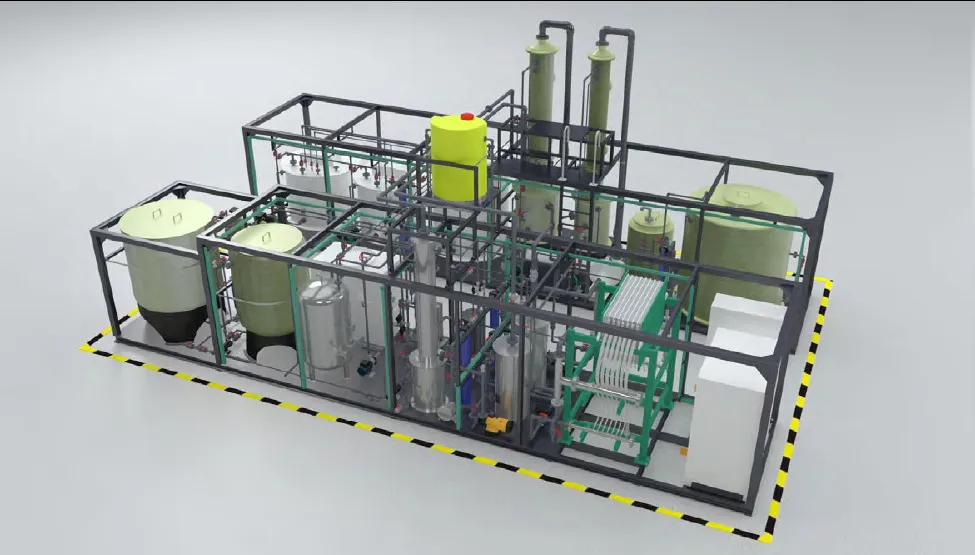
Remote mining operations face unique water treatment challenges. Whether for mine process water, pit dewatering, site potable water, or final discharge compliance, consistent disinfection is mandatory. Most mines have historically relied on bulk-delivered commercial sodium hypochlorite, which brings heavy logistics burdens: long-distance tanker transport, scheduled deliveries, chemical degradation during transit and storage, and strict hazardous material handling rules.
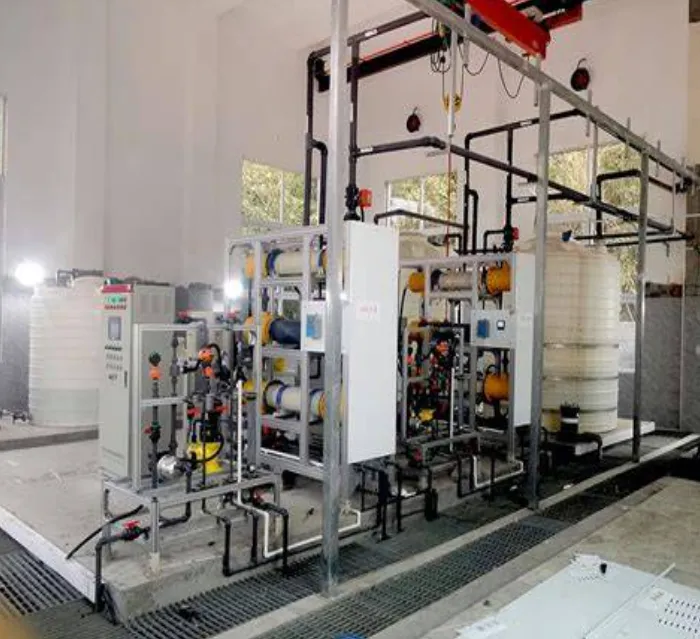
On-site high-concentration hypochlorite generation changes this model. Powered by salt, water and electricity, the system produces fresh NaOCl directly at the point of use, cutting the largest logistics expense line for remote mine sites while maintaining stable disinfection performance for mining water streams.
Logistics Headaches of Bulk Bleach for Remote Mines
Mining projects are often located far from chemical suppliers and paved transport routes. Bulk hypochlorite solutions are mostly water by weight, so hauling thousands of litres of bleach means paying to transport large volumes of inert water instead of only active chlorine.
Delivery delays are another common risk. Road closures, bad weather, limited truck access and supplier lead times can interrupt disinfection dosing. When stored, high-strength bleach naturally decomposes over time, losing available chlorine potency before it is even pumped into the treatment process. Operators must over-order and over-dose to compensate for strength loss, which pushes chemical and waste disposal costs higher.
Additionally, bulk bleach requires dedicated hazardous storage bunds, regular tank inspections, spill response protocols and compliance audits. Every delivery adds documentation, safety training and site management workload for mine EHS teams.
How On‑Site Hypochlorite Cuts Logistics Workload
On-site electrochlorination systems eliminate regular bulk chemical shipments entirely. The only raw feedstock is industrial salt, which is far more stable, compact and cheaper to store and ship than liquid bleach. Salt has an extremely long shelf life, does not degrade, and carries fewer hazardous transport restrictions.
The system generates high-concentration hypochlorite on demand. Operators produce exactly the required volume of disinfectant to match real-time mine water flow and chlorine demand. No large bleach tanker schedules, no waiting for emergency deliveries, no wasted expired chemical stock.
Skid-mounted units fit compactly into mine water treatment buildings. With PLC automatic control and residual chlorine monitoring, the system runs continuously with minimal manual attendance. This fits the lean staffing model common at remote mine camps.
Beyond Freight Savings: Safety and Compliance Benefits for Mines
Logistics cost reduction is the primary advantage, but mining sites also gain meaningful safety and regulatory benefits. Less bulk hazardous chemical transport reduces road accident and spill risks along access routes. On-site generation holds only a small working volume of freshly produced hypochlorite on site, removing the risk of large tank leaks that could contaminate surrounding soil and receiving water bodies.
For mines that must meet strict discharge permits for bacteria and oxidant residuals, fresh hypochlorite delivers predictable disinfection efficiency. Unlike aged bulk bleach, freshly generated NaOCl maintains consistent free chlorine to control pathogens and support oxidation tasks such as ammonia removal or cyanide destruction for precious metal mining wastewater.
Practical Considerations Before Deployment
While the business case is strong, mine operators should evaluate a few site-specific factors. Water quality, total dissolved solids, pH variation and organic loading will affect chlorine demand and system sizing. Power availability is critical; many remote mines can pair the generator with stable grid or off-grid power setups.
Our engineering team customises high-concentration hypochlorite systems according to mine water flow rate, disinfection target, local regulation and site layout. We include automatic dosing, residual feedback control and remote monitoring to support unmanned operation and simplify reporting.
Conclusion
For remote mining sites, water disinfection costs are not only about chemical price per tonne — logistics, transport risk, chemical decay and downtime carry huge hidden costs. On-site high-concentration hypochlorite generation removes the dependency on repeated bulk bleach deliveries, shrinks the logistics footprint, improves operational safety and supports reliable, compliant mine water treatment year-round.
If your mining operation struggles with unstable bleach supply and rising freight charges, our on-site hypochlorite solutions deliver a proven alternative for long-term water disinfection.