
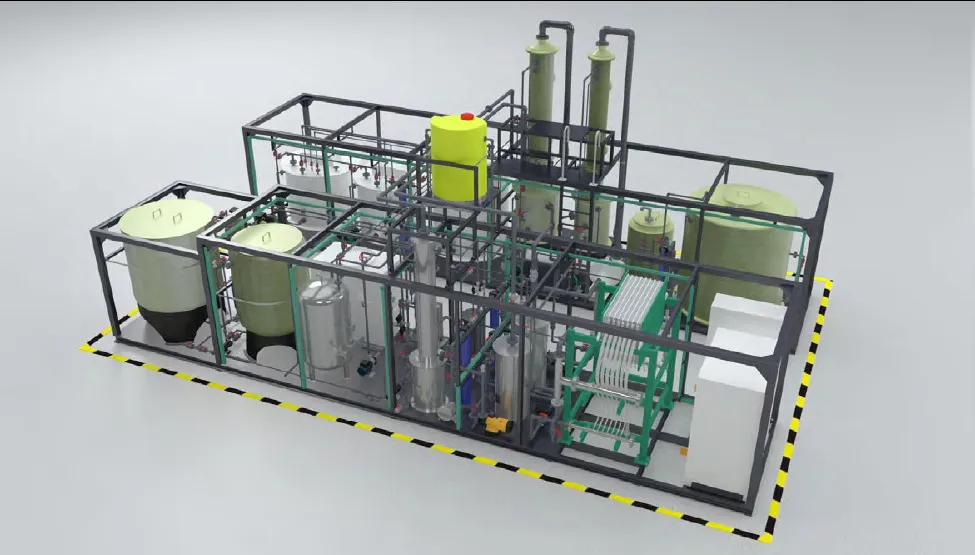
Remote water projects — remote mining camps, rural drinking water schemes, off-grid construction sites, and isolated community supplies — share one major pain point: unreliable disinfection chemical supply. Long transport routes, bad road access, hazardous cargo rules, bleach degradation during transit, and expensive emergency deliveries often disrupt consistent chlorination. A container-mounted high-concentration hypochlorite generator solves these gaps by packing a complete electrochlorination system inside a standard ISO container, ready for rapid deployment.
What Is a Container‑Mounted Hypochlorite Unit?
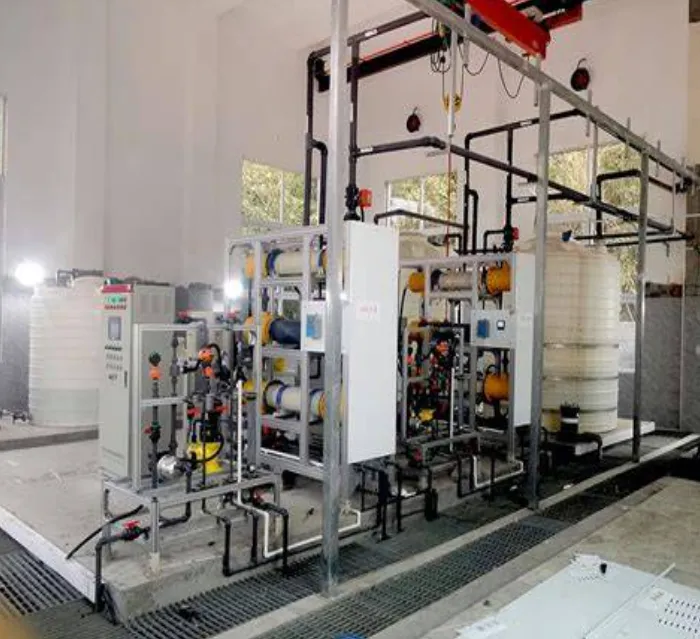
A container-mounted hypochlorite unit is a fully integrated, factory-tested disinfection system housed inside a shipping container. Inside the insulated enclosure, you will find the electrolyser stack, brine mixing system, rectifier, dosing skid, PLC control panel, hydrogen ventilation, residual chlorine sensors, and storage tanks for freshly generated high-strength sodium hypochlorite.
Unlike separate skids that require extensive civil construction and on-site assembly, this plug-and-play package only needs three basic inputs: raw water, salt, and power. Many versions can also run on solar or hybrid power for locations without stable grid electricity. Once delivered to site by truck or barge, commissioning can be finished in days instead of weeks.
Key Challenges of Disinfection in Remote Locations
Traditional disinfection methods struggle far from logistics hubs. Bulk sodium hypochlorite weakens over time during long shipments, so operators pay to transport inactive chlorine. Chlorine gas cylinders carry strict hazmat transport restrictions and raise major safety risks for isolated teams. Road closures, seasonal weather, and limited delivery schedules can create stock-outs that stop water disinfection entirely.
Civil works are another bottleneck. Building a dedicated treatment building in remote terrain adds engineering cost, timeline delays, and site disturbance. For temporary projects such as exploration camps or disaster relief water supplies, permanent structures are impractical.
Core Benefits of Containerised On‑Site High‑Concentration NaOCl
Fast, Low-Civil Deployment
The container forms its own weatherproof equipment room. No permanent building is required. EPC teams can relocate the whole unit later when the project moves or finishes, maximising asset reuse.
Cut Logistics and Hazmat Risk
Instead of scheduling repeated shipments of bulk bleach, sites receive palletised salt. One salt delivery replaces multiple bleach loads, slashing transport frequency, fuel cost, and carbon footprint. Because high-concentration hypochlorite is generated on demand, operators avoid storing large volumes of unstable chlorine chemicals.
Stable Disinfectant Quality On Demand
Freshly generated hypochlorite delivers predictable chlorine residual, avoiding performance drift caused by bleach ageing. Automated flow-paced dosing and real-time residual monitoring maintain consistent disinfection for drinking water, process water, or wastewater discharge.
Remote Monitoring and Low Attendance
Most container systems include cellular IoT and cloud-based SCADA. Engineers can view chlorine readings, alarm logs, production output, and system health from head office. Alerts trigger for low salt, high temperature, or dosing faults, supporting minimally attended operation in locations with limited on-site technical staff.
Typical Remote Project Applications
These modular units fit a wide range of decentralised water treatment requirements:
- Mine camp potable water and process wastewater disinfection
- Off-grid construction and oilfield temporary water systems
- Rural town and village drinking water chlorination
- Emergency water response and disaster recovery sites
- Remote aquaculture and irrigation water sanitisation
Practical Considerations Before Deployment
While container hypochlorite systems simplify remote water treatment, proper planning remains critical. Site teams must assess power availability, whether grid, diesel generator or solar hybrid. Ventilation and hydrogen safety interlocks must be inspected regularly. Water pre-treatment such as softening reduces scaling on electrolyser plates and extends electrode service life. Operators should also plan scheduled salt storage space and routine maintenance access for the container.
Final Thoughts
For remote water projects, disinfection reliability should not depend on unpredictable supply chains. Container-mounted hypochlorite generators bring high-concentration sodium hypochlorite production to the point of use, balancing safety, mobility, and operational economy. They remove the biggest headaches of remote chlorination: chemical transport risk, bleach degradation, and costly fixed infrastructure. For water contractors and asset owners working in hard-to-reach regions, this modular solution is a resilient, scalable path to compliant water disinfection.

