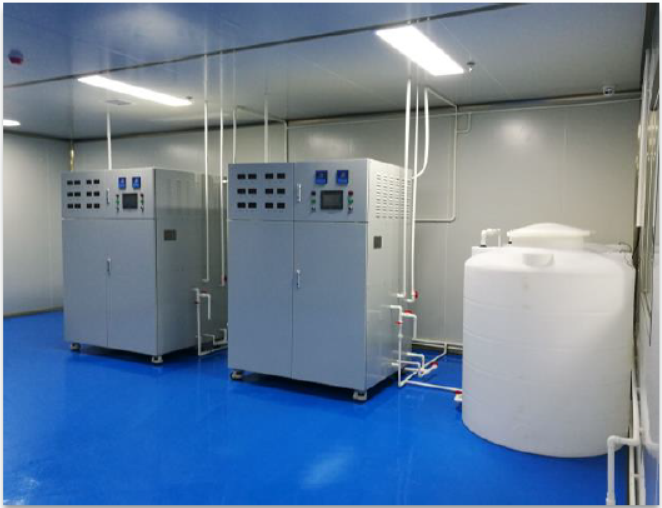
Pure water production relies heavily on reverse osmosis (RO) technology to remove suspended solids, heavy metals, bacteria, and organic contaminants from raw water. While RO membranes deliver exceptional filtration performance, they cannot completely eliminate all residual microorganisms or prevent secondary bacterial growth in post-RO pipelines, tanks, and terminal production lines. Effective post-disinfection treatment is therefore an indispensable final step to guarantee stable, high-purity water quality for industrial, pharmaceutical, food and beverage, and commercial water systems. In modern pure water production, traditional disinfection methods are gradually being replaced by HOCl hypochlorous acid generators for their safety, efficiency, and environmental friendliness. This article explores why HOCl generation technology has become the optimal solution for RO post-disinfection in pure water production lines.
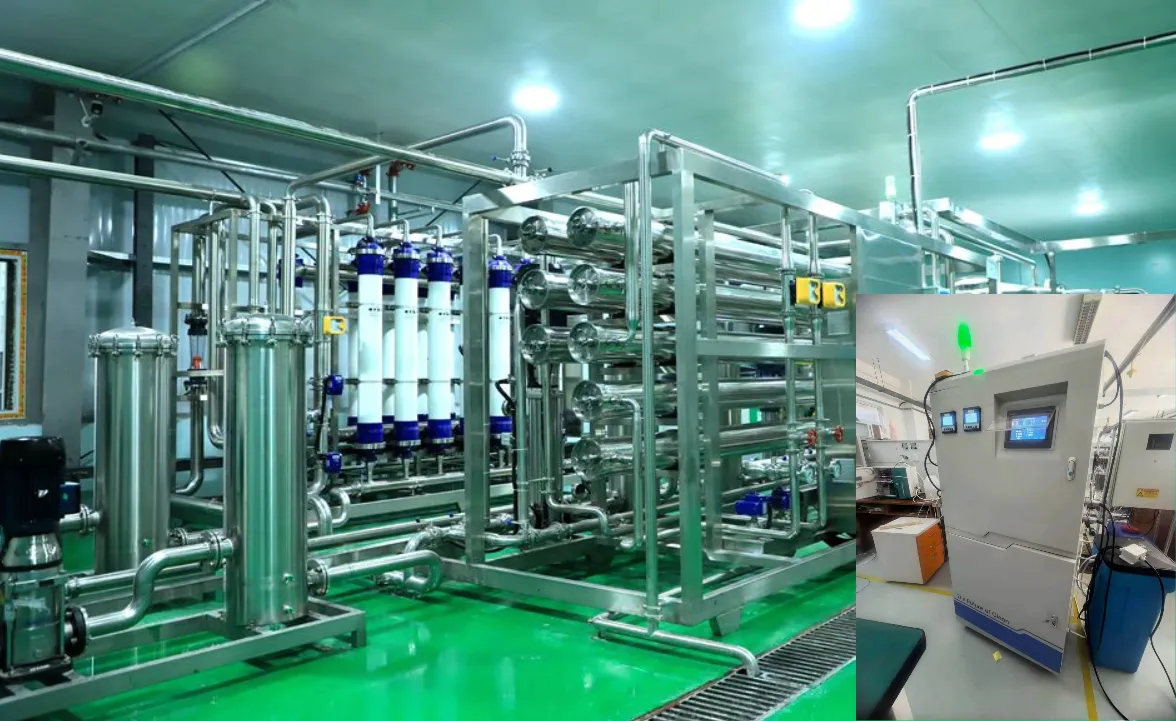
1. The Hidden Risks of Traditional RO Post-Disinfection Methods
Conventional post-disinfection approaches for RO pure water systems include liquid chlorine dosing, sodium hypochlorite addition, and ultraviolet (UV) sterilization. Although these methods can achieve basic disinfection effects, they have obvious limitations that compromise long-term water quality stability and operational safety.
Manual chemical dosing of liquid chlorine and sodium hypochlorite faces critical drawbacks including inaccurate concentration control, residual chlorine excess, and harmful by-product formation. Excessive chlorine residuals can corrode RO post-processing pipelines and affect the taste and safety of finished pure water, while insufficient dosing fails to inhibit bacterial reproduction effectively. Additionally, purchased chemical disinfectants require strict storage and transportation management, increasing operational costs and safety risks for water treatment plants.
UV sterilization, another common method, only provides instantaneous disinfection without persistent bactericidal effects. It cannot suppress secondary bacterial growth in water storage tanks and circulating pipelines after treatment, making pure water vulnerable to microbial contamination during storage and transportation. Moreover, UV equipment requires regular lamp replacement and professional maintenance, leading to high long-term operating costs.
2. Working Principle of HOCl Generator for RO Post-Disinfection
The HOCl hypochlorous acid generator adopts advanced electrochemical electrolysis technology, which produces high-purity hypochlorous acid disinfectant on-site through the electrolysis of dilute sodium chloride solution, without the need for chemical procurement and storage. The core electrolysis reaction is simple, efficient, and stable, following the formula: NaCl + H₂O → HOCl + NaOH.
Equipped with a professional ion membrane electrolytic module, the generator realizes directional ion permeation and precise electrolysis reaction control. It effectively suppresses side reactions and avoids the generation of harmful by-products such as high-valent chlorine compounds and ozone. The equipment automatically adjusts electrolysis current, flow rate, and HOCl concentration according to real-time water flow and water quality parameters of the RO pure water line, outputting slightly acidic hypochlorous acid solution with stable concentration and strong bactericidal activity.
Different from traditional disinfectants, the generated HOCl solution features a pH value close to neutral, mild properties, and no strong irritation. It can quickly penetrate bacterial cell walls, destroy microbial protein and nucleic acid structures, and achieve efficient sterilization. More importantly, microorganisms will not develop drug resistance to HOCl, ensuring long-term stable disinfection effects for pure water production lines.
3. Core Advantages of HOCl Generator in Pure Water Production Lines
3.1 Efficient and Persistent Disinfection Effect
HOCl has stronger oxidation and bactericidal capacity than traditional sodium hypochlorite. It can efficiently kill Escherichia coli, staphylococcus, legionella, algae, and other common microorganisms in pure water systems. Unlike UV instantaneous sterilization, HOCl retains a trace of effective chlorine in the water, forming a continuous protective disinfection layer to effectively prevent secondary bacterial pollution in pipelines and water tanks, ensuring full-cycle water quality safety from RO filtration to terminal water use.
3.2 Safe, Green and No Harmful Residues
The HOCl generator only uses edible salt and tap water as raw materials, with no addition of chemical agents in the whole process. The electrolytically generated hypochlorous acid is a natural bactericidal substance existing in the human immune system, which is safe and non-toxic for pure water treatment. After disinfection, HOCl is naturally decomposed into water and trace chloride ions without producing trihalomethanes and other carcinogenic disinfection by-products, fully meeting the high water quality standards of pharmaceutical pure water, drinking pure water, and food processing water.
3.3 Low Operation Cost and Intelligent Operation
On-site electrolysis and on-demand production eliminate the cost of disinfectant procurement, transportation, and storage, greatly reducing the daily operating cost of pure water production lines. The equipment is equipped with an intelligent automatic control system, supporting unattended operation, real-time water quality monitoring, and automatic parameter adjustment. It features a compact structure, small floor space, and convenient installation, which is compatible with all types of RO pure water production line processes and will not cause pipeline corrosion or equipment damage.
4. Typical Application Scenarios in Pure Water Production
HOCl post-disinfection generators are widely applicable to all scenarios requiring high-standard pure water treatment. In industrial production, they are used for post-disinfection of RO pure water lines in electronics, electroplating, and new energy industries to ensure process water cleanliness and stability. In the pharmaceutical and biotech industries, the equipment meets the strict disinfection requirements of purified water for pharmaceutical production, complying with GMP production standards.
In the civil and commercial field, the generator is suitable for bottled pure water, direct drinking water projects, and community pure water stations, effectively solving the problem of secondary pollution of pure water during storage and pipeline transportation. It also performs excellently in food and beverage processing water treatment, providing safe and stable water quality support for production and processing.
5. Conclusion
Post-disinfection is the key link to ensure the final water quality of RO pure water production lines, and the upgrade of disinfection technology determines the safety, stability, and economy of the entire water treatment system. Compared with traditional disinfection methods, the HOCl hypochlorous acid generator stands out with its green safety, efficient sterilization, intelligent operation, and low cost, perfectly solving the pain points of residual pollution and secondary bacterial growth in RO post-treatment links.
As the pure water industry continues to upgrade water quality standards, HOCl on-site electrolysis disinfection technology has become an inevitable trend in the optimization of pure water production line processes. It provides a reliable, efficient, and environmentally friendly post-disinfection solution for modern pure water production systems, helping water treatment enterprises achieve standardized, intelligent, and green production operations.