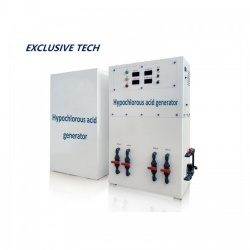
Hospitals are at the forefront of saving lives, but their daily operations generate a significant volume of medical wastewater— a complex mixture containing pathogens, bacteria, viruses, organic matter, and trace pharmaceuticals. Improper disinfection of this wastewater poses a severe threat to public health and the environment, making compliance with strict international medical standards non-negotiable. In recent years, hypochlorous acid (HOCl) generation equipment has emerged as a game-changer, offering a safe, efficient, and fully compliant solution for hospital medical wastewater disinfection. This article explores how HOCl equipment aligns with global medical standards and why it has become the preferred choice for healthcare facilities worldwide.
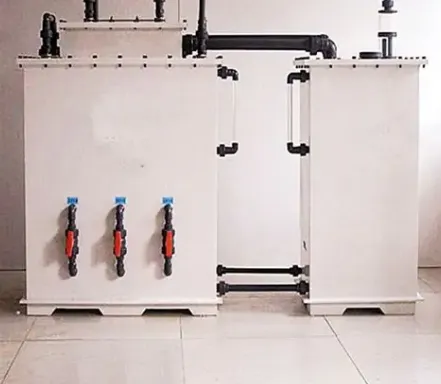
Understanding the Criticality of Hospital Medical Wastewater Disinfection
Medical wastewater differs drastically from domestic sewage, as it is contaminated with a wide range of harmful microorganisms, including COVID-19, MRSA, norovirus, E. coli, and other pathogens that can cause serious infectious diseases. Additionally, it may contain chemical residues from diagnostic tests, medications, and medical procedures. If released into water bodies without proper treatment, this wastewater can contaminate drinking water sources, spread infections, and disrupt aquatic ecosystems.
International regulatory bodies, including the World Health Organization (WHO), the U.S. Centers for Disease Control and Prevention (CDC), the European Union’s Biocidal Products Regulation (BPR), and the U.S. Environmental Protection Agency (EPA), have established stringent guidelines for medical wastewater disinfection. These standards mandate that healthcare facilities must achieve a pathogen reduction rate of at least 99.99% to ensure the safety of discharged water, while also requiring disinfection methods to be environmentally friendly, non-toxic, and compatible with healthcare infrastructure.
HOCl: A Natural, Effective Disinfectant for Medical Wastewater
Hypochlorous acid (HOCl) is a mild acid produced naturally by the human immune system to fight off infections, making it inherently safe for humans and the environment. Unlike traditional disinfectants such as chlorine gas, sodium hypochlorite, or ozone, HOCl is non-corrosive, non-toxic, and does not produce harmful byproducts like trihalomethanes (THMs)—a group of carcinogenic compounds often formed when chlorine reacts with organic matter in water.
HOCl works by destroying the cell walls of pathogens and denaturing their proteins, effectively inactivating bacteria, viruses, fungi, and even biofilms that are common in hospital wastewater systems. It is effective at low concentrations (typically 50-200 ppm) and requires minimal contact time, making it highly efficient for the high-volume wastewater output of hospitals. Moreover, HOCl is biodegradable and breaks down into water and salt, leaving no residual chemicals in the treated water— a key requirement for compliance with international environmental standards.
How HOCl Equipment Aligns with International Medical Standards
Modern HOCl generation equipment is engineered to meet and exceed the strictest international medical and environmental standards, making it a reliable choice for healthcare facilities. Here’s how these systems ensure compliance:
Compliance with Global Regulatory Guidelines
Top-tier HOCl equipment is approved by leading regulatory bodies worldwide. For example, it meets the requirements of the U.S. FDA (Food and Drug Administration) for use in healthcare settings, the EPA’s regulations under the Federal Insecticide, Fungicide, and Rodenticide Act (FIFRA) for antimicrobial products, and the EU BPR for biocidal products. The WHO also recognizes HOCl as a safe and effective disinfectant for healthcare-associated infection control, further validating its use in medical wastewater treatment.
Precise Control of Disinfectant Concentration
International standards require that disinfectant concentrations are accurately controlled to ensure efficacy without causing harm to the environment or human health. Advanced HOCl generators feature smart control systems that allow healthcare facilities to adjust the concentration of HOCl based on the specific composition of their wastewater—whether it’s from operating rooms, laboratories, or general wards. These systems maintain consistent concentrations within the range recommended by global guidelines, ensuring optimal disinfection performance every time.
Safety and Environmental Sustainability
International medical standards place a strong emphasis on the safety of disinfection methods for healthcare workers and the environment. HOCl equipment eliminates the risks associated with traditional disinfectants: unlike chlorine gas, which is highly toxic and requires specialized storage and handling, HOCl is generated on-site using only salt, water, and electricity—no hazardous chemicals are stored or transported. This not only reduces the risk of accidents but also lowers the carbon footprint of healthcare facilities, aligning with global sustainability goals.
Consistent Performance and Reliability
Hospitals require disinfection systems that can operate continuously to handle their round-the-clock wastewater output. High-quality HOCl generators are built with durable components and feature automated monitoring and maintenance systems to ensure uninterrupted performance. They are tested to meet the ISO (International Organization for Standardization) standards for water treatment equipment, guaranteeing reliability and long-term durability in demanding healthcare environments.
Real-World Applications: HOCl Equipment in Global Healthcare Facilities
Across the globe, hospitals and medical centers are switching to HOCl equipment for their wastewater disinfection needs, citing compliance, efficiency, and safety as key reasons. For example, a large tertiary hospital in Europe replaced its outdated chlorine disinfection system with an on-site HOCl generator, achieving a 99.999% pathogen reduction rate while eliminating the production of harmful THMs. The system also reduced operational costs by 30% compared to traditional methods, as it requires less energy and no ongoing purchase of chemical disinfectants.
In Asia, a network of community hospitals adopted HOCl equipment to meet the WHO’s medical wastewater discharge standards. The on-site generation capability allowed the hospitals to adapt to varying wastewater volumes and compositions, ensuring consistent compliance even during peak demand. Healthcare workers also reported a safer working environment, with no exposure to toxic chemicals or corrosive substances.
Why Choose Our HOCl Equipment for Your Hospital?
At [Your Water Treatment Company Name], we specialize in designing and manufacturing HOCl generation systems tailored to the unique needs of healthcare facilities. Our equipment is engineered to meet the most rigorous international medical standards, including WHO, FDA, EPA, and EU BPR requirements. Key features of our systems include:
-
On-site, on-demand HOCl generation using only salt, water, and electricity
-
Smart control panels for precise concentration adjustment and real-time monitoring
-
Non-corrosive, durable construction suitable for continuous use in hospital settings
-
Compliance with global environmental and medical standards, with full certification documentation
-
Comprehensive after-sales support, including installation, training, and maintenance services
Our team of water treatment experts works closely with healthcare facilities to assess their wastewater treatment needs and design customized solutions that ensure full compliance, optimal performance, and cost efficiency. We are committed to helping hospitals protect public health and the environment while meeting their regulatory obligations.
Conclusion
Hospital medical wastewater disinfection is a critical component of healthcare operations, and compliance with international medical standards is essential to protect public health and the environment. HOCl equipment has emerged as the gold standard for this application, offering a safe, effective, and environmentally friendly alternative to traditional disinfectants. With its ability to meet global regulatory guidelines, provide precise disinfection control, and ensure long-term reliability, HOCl equipment is the ideal choice for healthcare facilities looking to upgrade their wastewater treatment systems.
If you’re ready to enhance your hospital’s wastewater disinfection process and ensure compliance with international standards, contact us today. Our team will help you find the perfect HOCl solution to meet your facility’s unique needs.