
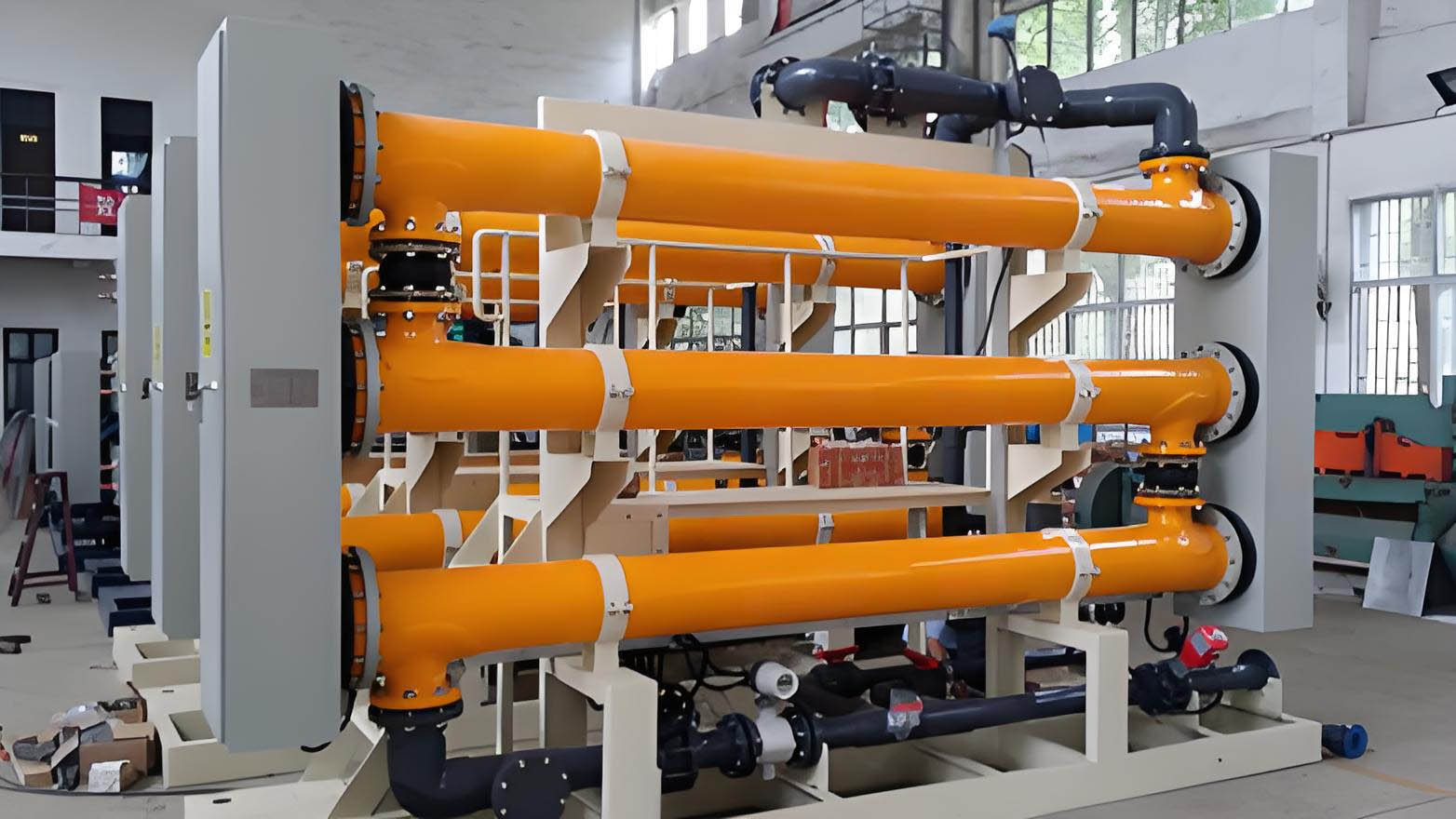
In recent years, offshore aquaculture has become a pillar industry for food security and economic development in South America and Southeast Asia. With the continuous expansion of aquaculture scale, the problem of water quality deterioration in aquaculture ponds has become increasingly prominent, and the excessive use of chemical disinfectants has brought hidden dangers to aquatic product safety and marine ecological environment. To address these pain points, our water treatment company has launched a targeted electrolytic seawater sterilization equipment, creating a green, efficient and chemical-free aquaculture solution for offshore aquaculture in these two regions.
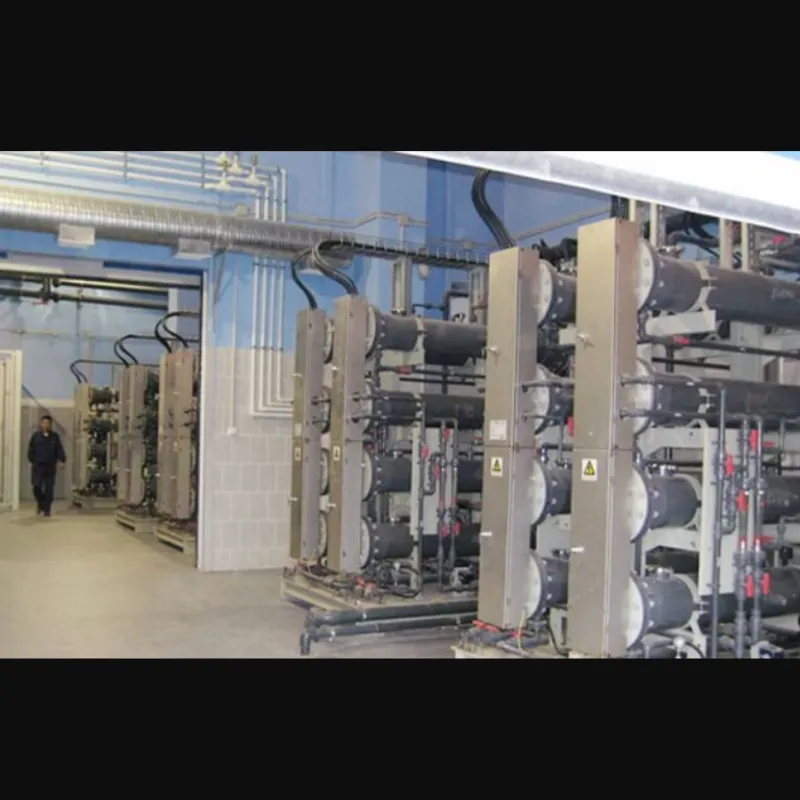
The Core Advantages of Electrolytic Seawater Sterilization Technology
Our electrolytic seawater sterilization equipment adopts advanced electrochemical technology, which takes natural seawater as raw material and does not need to add any chemical agents in the whole process. Through the electrolysis reaction of seawater, it generates a variety of strong oxidizing active substances such as hypochlorous acid (HClO), ozone (O₃) and hydroxyl radicals (·OH), which can quickly and effectively kill harmful pathogens such as vibrio, bacteria, viruses and parasites in the aquaculture water.
Compared with traditional chemical disinfection methods, this technology has obvious advantages. Firstly, it completely eliminates the risks of chemical agent storage, transportation and use, avoiding the residue of chemical substances in aquatic products and the pollution to the surrounding marine environment. Secondly, the active substances generated by electrolysis are highly targeted, which can kill harmful microorganisms without damaging the beneficial algae and plankton in the water, maintaining the ecological balance of the aquaculture pond. In addition, the equipment can realize on-demand production of disinfectants, ensuring the stability of water quality and reducing the waste of resources.
Tailored Solutions for South American and Southeast Asian Offshore Aquaculture
South America and Southeast Asia have unique marine environments and aquaculture characteristics, and our equipment has been optimized and adjusted for these regional characteristics to meet the actual needs of local farmers.
In Southeast Asia, shrimp, tilapia and other aquatic products are the main aquaculture varieties, and the high temperature and high humidity climate makes the propagation of pathogens in aquaculture ponds faster. Our electrolytic seawater sterilization equipment is equipped with an intelligent control system, which can automatically adjust the electrolysis intensity according to the water temperature, pH value and pathogen content in the water, ensuring efficient sterilization effect in high temperature environments. At the same time, the equipment has strong corrosion resistance, which can adapt to the high salinity seawater in Southeast Asian waters and extend the service life.
In South America, large-scale offshore fish farming is more common, and the demand for water treatment capacity is higher. We have designed a modular electrolytic seawater sterilization system, which can be flexibly combined according to the size of the aquaculture pond and the water circulation volume, realizing large-scale and continuous water treatment. The system can also effectively decompose harmful substances such as ammonia nitrogen (NH₃) and hydrogen sulfide (H₂S) in the water, improve the dissolved oxygen content of the water, and create a better growth environment for aquatic products, thus improving the survival rate and growth rate of farmed fish.
Practical Application Effects and Market Feedback
Since the launch of the electrolytic seawater sterilization equipment, it has been widely applied in offshore aquaculture ponds in South America and Southeast Asia, and has received high recognition from local farmers. In a shrimp farm in Indonesia, after using our equipment, the vibrio content in the aquaculture water decreased by more than 99%, the incidence of shrimp diseases was reduced by 75%, and the survival rate of shrimp increased from 60% to 85%. At the same time, the use of chemical disinfectants was completely stopped, reducing the aquaculture cost by about 30%.
In a large-scale offshore fish farm in Chile, our modular electrolytic seawater sterilization system has been running stably for more than a year. The water quality of the aquaculture pond has been significantly improved, the ammonia nitrogen and hydrogen sulfide content have been reduced to the standard range, and the growth rate of farmed salmon has increased by 15%. The farm operator said that the equipment not only solved the problem of water quality deterioration, but also improved the quality of aquatic products, making their products more competitive in the international market.
Committed to Sustainable Development of Offshore Aquaculture
As a professional water treatment company, we have always adhered to the concept of green environmental protection and sustainable development. The electrolytic seawater sterilization equipment is our important practice in promoting the green transformation of offshore aquaculture. We will continue to carry out technological research and development, optimize the performance of the equipment, and provide more efficient, energy-saving and environmentally friendly water treatment solutions for offshore aquaculture in South America, Southeast Asia and even the whole world.
We believe that with the promotion and application of this chemical-free aquaculture solution, the offshore aquaculture industry in South America and Southeast Asia will move towards a more sustainable and healthy development path, while providing safer and more high-quality aquatic products for global consumers.