
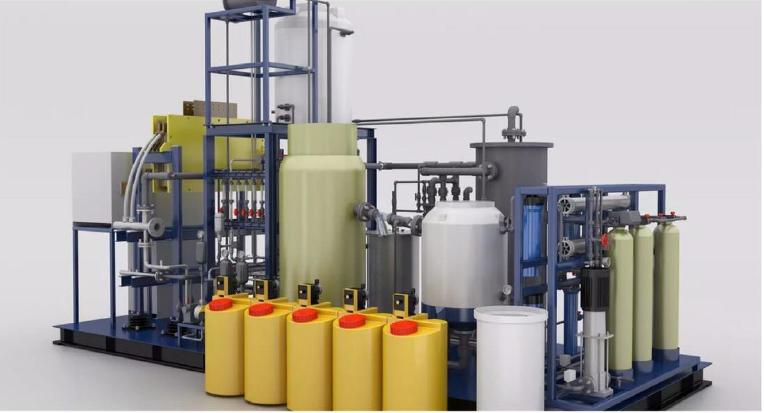
Livestock slaughterhouse wastewater is one of the most challenging industrial effluents to treat, characterized by high concentrations of organic matter, suspended solids, and pathogenic microorganisms such as E. coli, Salmonella, and Campylobacter. If discharged without proper sterilization, it poses severe risks to aquatic ecosystems, public health, and local water resources. In this case study, we share how our water treatment team delivered a customized sterilization solution for a large-scale beef slaughterhouse, addressing its unique wastewater challenges and ensuring compliance with strict environmental regulations.
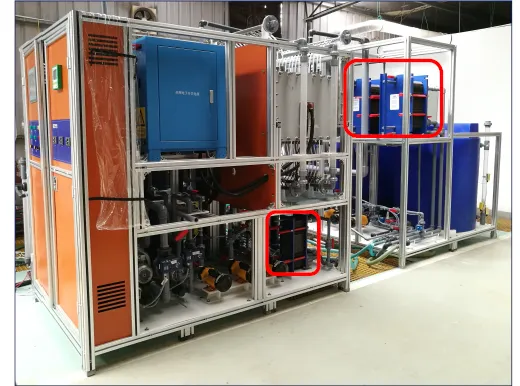
Project Overview: The Client’s Wastewater Challenges
Our client is a medium-sized beef slaughterhouse located in a rural area, processing approximately 500 head of cattle daily. Prior to partnering with us, the facility faced critical issues with its wastewater treatment system, particularly in the sterilization stage:
- High Pathogen Load: Routine testing revealed that the effluent contained over 10,000 colony-forming units (CFU) of E. coli per 100ml, far exceeding the local regulatory limit of 100 CFU/100ml for discharge into nearby waterways.
- Ineffective Sterilization Method: The slaughterhouse had been using sodium hypochlorite (bleach) for disinfection, but this method failed to achieve consistent results. Additionally, it generated harmful disinfection by-products (DBPs) such as trihalomethanes, which are linked to long-term environmental and health risks.
- Operational Inefficiencies: Manual dosing of sodium hypochlorite led to inconsistent chemical usage, either wasting chemicals or under-dosing, resulting in unstable treatment performance and frequent compliance violations.
- Odor and Secondary Pollution: The untreated wastewater emitted strong foul odors, disturbing nearby residents, and the excess sludge from the treatment process contained residual pathogens, posing a risk of secondary pollution during disposal.
Facing potential fines and reputational damage, the client reached out to our team for a sustainable, efficient, and compliant wastewater sterilization solution.
Customized Sterilization Solution: Chlorine Dioxide + UV Hybrid System
After conducting a comprehensive on-site assessment of the slaughterhouse’s wastewater composition, flow rate (average 680m³/day, peak 850m³/day), and existing treatment infrastructure, our engineers designed a hybrid sterilization system combining chlorine dioxide (ClO₂) and ultraviolet (UV) disinfection. This dual approach leverages the strengths of both technologies to eliminate pathogens effectively while minimizing environmental impact.
1. Chlorine Dioxide Pre-Treatment
We installed an automated chlorine dioxide generator that produces ClO₂ on-site, eliminating the need for storing and handling hazardous chemical stock. Chlorine dioxide is a powerful oxidant that effectively kills a broad spectrum of pathogens, including bacteria, viruses, and protozoa, without forming harmful DBPs like those produced by sodium hypochlorite. The generator is integrated with a PLC control system that automatically adjusts the dosage based on real-time wastewater flow rate and turbidity, ensuring optimal disinfection efficiency and reducing chemical waste. The recommended dosage for this project was 0.8-1.2 mg/L, with a contact time of 20 minutes to break down organic contaminants and inactivate the majority of pathogens.
2. UV Disinfection as a Final Barrier
Following chlorine dioxide pre-treatment, the wastewater flows into a UV disinfection unit, which serves as a final sterilization barrier. The UV system uses high-intensity UV-C lamps (254nm wavelength) to damage the DNA and RNA of remaining pathogens, preventing them from reproducing and rendering them harmless. This physical disinfection method requires no chemicals, produces no by-products, and operates efficiently even at low temperatures. We selected a UV system with automatic cleaning brushes to remove any fouling from the lamp sleeves, ensuring consistent performance and reducing maintenance costs. The system is sized to handle peak flow rates and provides a 5-6 log reduction in pathogen levels, meeting the strictest regulatory standards.
3. Sludge Sterilization and Resource Utilization
To address the secondary pollution risk from excess sludge, we added a sludge sterilization module to the system. The sludge, which contains residual pathogens and organic matter, is thickened and then treated with a low-dose chlorine dioxide solution before being dewatered to a moisture content of ≤60%. The sterilized sludge is then safely used as organic fertilizer for local agricultural fields, turning a waste product into a valuable resource and aligning with the client’s sustainability goals.
Project Results: Compliance, Efficiency, and Sustainability
Three months after the installation of the hybrid sterilization system, we conducted comprehensive testing to evaluate its performance, and the results exceeded the client’s expectations:
- Pathogen Removal: E. coli levels were reduced to less than 50 CFU/100ml, and Salmonella and Campylobacter were completely eliminated, fully complying with local environmental discharge regulations. The overall pathogen removal efficiency reached 99.9%.
- Operational Efficiency: The automated control system reduced chemical usage by 30% compared to the previous sodium hypochlorite method, lowering operational costs by approximately 25% per month. The UV system’s low energy consumption and minimal maintenance further contributed to cost savings.
- Environmental Benefits: No harmful DBPs were detected in the treated effluent, and the sterilized sludge was safely recycled, eliminating the risk of secondary pollution. The foul odors from the wastewater treatment area were also significantly reduced, improving relations with nearby residents.
- Long-Term Reliability: The system has operated continuously for over 12 months with no major breakdowns, and the PLC control system allows for remote monitoring and troubleshooting, reducing downtime and maintenance efforts.
The client expressed great satisfaction with the solution, noting that it not only resolved their compliance issues but also improved the overall efficiency and sustainability of their operations. The hybrid sterilization system has become a model for other livestock slaughterhouses in the region looking to upgrade their wastewater treatment processes.
Key Takeaways for Slaughterhouse Wastewater Sterilization
This case study highlights several critical factors for successful livestock slaughterhouse wastewater sterilization:
First, a one-size-fits-all approach is ineffective—sterilization solutions must be customized based on the specific characteristics of the wastewater, including flow rate, pathogen load, and organic content. Second, combining chemical and physical disinfection technologies can enhance efficiency while minimizing environmental risks, addressing the limitations of single-method systems. Third, automation and real-time monitoring are essential for consistent performance, cost reduction, and ease of operation. Finally, integrating sludge sterilization and resource utilization into the overall treatment process aligns with modern sustainability goals and reduces the environmental footprint of slaughterhouse operations.
At our water treatment company, we specialize in developing tailored solutions for industrial wastewater challenges, including those faced by the livestock industry. Our team of experienced engineers and technicians works closely with clients to assess their needs, design customized systems, and provide ongoing support to ensure long-term performance and compliance. If your slaughterhouse or industrial facility is struggling with wastewater sterilization or treatment, contact us today to learn how we can help.