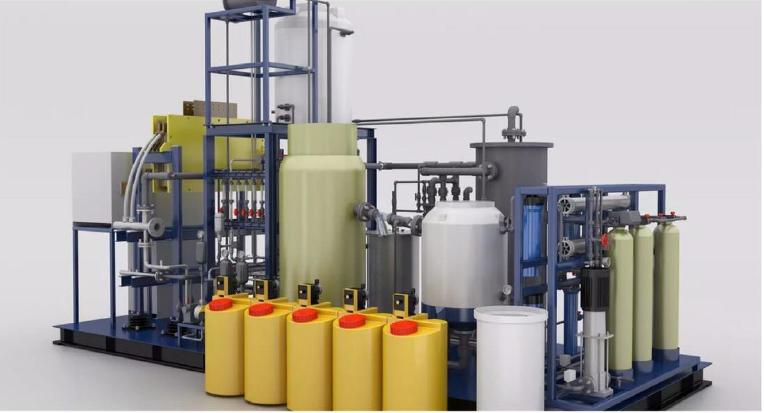
Food and beverage manufacturing facilities operate under some of the strictest hygiene and regulatory standards across all industrial sectors. Microbial contamination, biofilm buildup, and residual organic matter on production equipment and pipelines are the primary causes of product spoilage, safety violations, and costly production downtime. To maintain consistent food safety, meet global compliance requirements, and preserve product quality, modern F&B factories rely on reliable, efficient, and cost-effective sanitation solutions. On-site generated 10% sodium hypochlorite solution has emerged as a gold-standard choice for full-spectrum equipment and pipeline sanitation, delivering superior disinfection performance while simplifying on-site operational management.
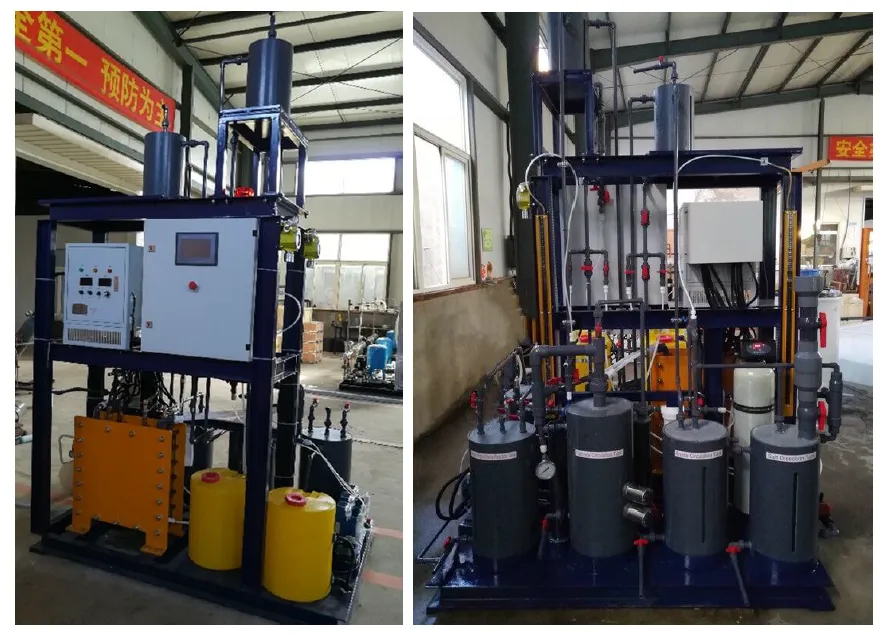
Why F&B Factories Need Specialized Equipment & Pipeline Sanitation
Unlike general industrial cleaning, food and beverage sanitation targets food-contact surfaces, closed pipeline systems, processing tanks, filling machines, and conveyor equipment that directly interact with raw materials, semi-finished products, and finished goods. These surfaces and pipelines easily accumulate sugar residues, protein deposits, grease, and moisture, creating ideal breeding grounds for bacteria, mold, yeast, and other pathogens. Traditional manual cleaning and off-the-shelf sanitizers often fail to eliminate hidden biofilms in pipeline bends, dead ends, and equipment crevices.
Unaddressed sanitation risks lead to severe consequences, including batch product contamination, shortened shelf life of beverages and processed foods, failed third-party food safety audits, and even brand reputation damage. Consistent, high-level sanitation of all production equipment and pipeline networks is therefore non-negotiable for sustainable F&B manufacturing operations.
Core Advantages of On-Site 10% Hypochlorite for F&B Sanitation
Sodium hypochlorite is a broad-spectrum, fast-acting disinfectant widely approved for food industry applications. On-site generation of 10% hypochlorite solution further optimizes its performance for factory-scale equipment and pipeline sanitation, outperforming traditional purchased diluted bleach solutions in multiple key aspects.
Stable and Reliable Disinfection Efficacy
Commercially purchased hypochlorite solutions degrade rapidly during storage and transportation, resulting in inconsistent chlorine concentrations and weakened disinfection effects. On-site 10% hypochlorite is freshly generated on demand, maintaining stable active chlorine content to ensure uniform sanitizing power across all cleaning cycles. When properly diluted to industry-standard working concentrations (50–200ppm available chlorine), it effectively eliminates E. coli, salmonella, listeria, and other common foodborne pathogens, while thoroughly breaking down stubborn biofilms on pipeline inner walls and equipment surfaces.
Cost-Effective and Low Operational Consumption
On-site hypochlorite generation eliminates the high costs of commercial sanitizer procurement, packaging, and long-distance transportation. The 10% high-concentration stock solution supports flexible dilution for diverse sanitation scenarios, including CIP (Clean-in-Place) pipeline circulation cleaning, equipment surface soaking and spraying, and workshop environmental disinfection. It significantly reduces long-term sanitation material costs for F&B factories without compromising cleaning standards.
Enhanced On-Site Safety and Compliance
Bulk storage of low-quality industrial bleach poses risks of leakage, chemical deterioration, and improper concentration control. On-site 10% hypochlorite generation systems adopt automated production and metering, avoiding excessive chemical residues and cross-contamination. The solution meets EPA and global food industry sanitation guidelines, leaving no harmful persistent residues after standard flushing, fully compliant with food contact surface safety requirements.
Practical Application Scenarios in F&B Production Lines
The on-site 10% hypochlorite sanitation solution is highly adaptable and covers the full range of core sanitation links in food and beverage factories.
Pipeline Network Recirculation Sanitation
Food and beverage production pipelines for juice, dairy, beer, and drinking water are prone to residual organic accumulation and biofilm growth. Diluted hypochlorite solution can be injected into CIP cleaning systems for closed-loop recirculation, thoroughly cleaning straight pipes, elbows, valves, and dead corners that manual cleaning cannot reach. It removes organic residues and inhibits microbial regrowth, ensuring stable pipeline water quality and preventing cross-batch contamination.
Processing Equipment Deep Sanitation
Key production equipment including mixing tanks, fermentation tanks, filling machines, homogenizers, and conveyor belts can be sanitized via spraying, wiping, or soaking with diluted hypochlorite solution. The fast bactericidal action quickly eliminates surface pathogens without corroding qualified stainless steel food-grade equipment, protecting production assets while maintaining hygienic production conditions.
Preventive Regular Sanitation
Beyond post-production cleaning, factories can deploy on-site hypochlorite for daily, weekly, and monthly preventive sanitation schedules. Regular low-concentration disinfection suppresses long-term microbial proliferation, stabilizing production hygiene levels and reducing the risk of sudden contamination incidents.
Key Operation Guidelines for Optimal Sanitation Results
To maximize the value of on-site 10% hypochlorite sanitation while ensuring operational safety, F&B factories must follow standardized usage protocols. First, strictly dilute the 10% stock solution to the applicable working concentration: 50–100ppm for routine food-contact surface cleaning, and 100–200ppm for heavy-contamination pipeline deep disinfection. Second, maintain a 1-minute minimum contact time at room temperature to ensure complete pathogen inactivation, extending the contact time for low-temperature production environments.
Third, conduct clear water flushing after disinfection to eliminate residual chlorine traces on food-contact surfaces and pipelines. Fourth, regularly test available chlorine concentration with professional test kits to avoid insufficient disinfection efficacy caused by concentration deviation. Finally, standardize equipment maintenance for the on-site hypochlorite generator to ensure continuous and stable solution output.
Conclusion
Equipment and pipeline sanitation is the cornerstone of food and beverage product safety and stable production. On-site 10% hypochlorite sanitation solutions address the pain points of unstable efficacy, high cost, and poor safety in traditional disinfection methods. With stable bactericidal performance, flexible application, low operational cost, and full regulatory compliance, it has become an indispensable hygiene guarantee for modern F&B manufacturing plants. For food and beverage enterprises pursuing standardized, intelligent, and low-cost sanitation management, on-site hypochlorite generation delivers long-term operational and quality benefits.