
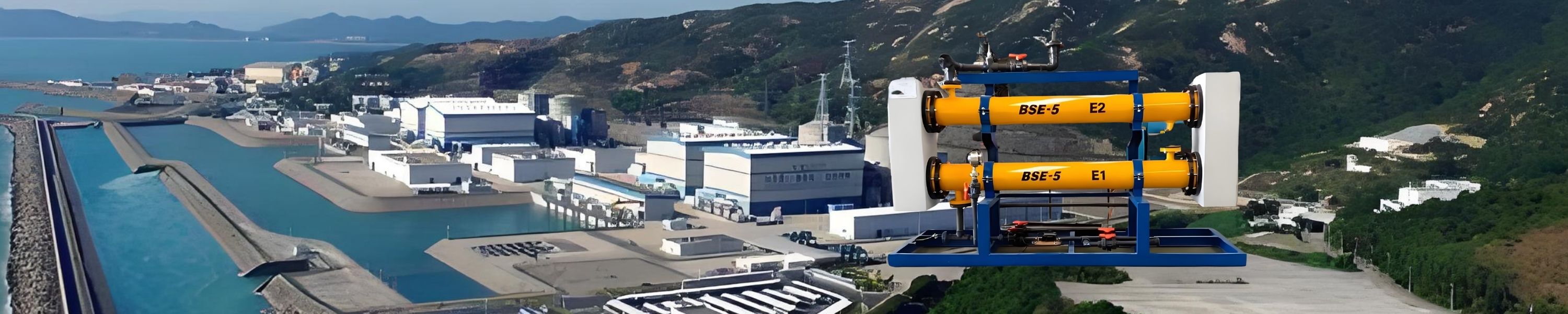
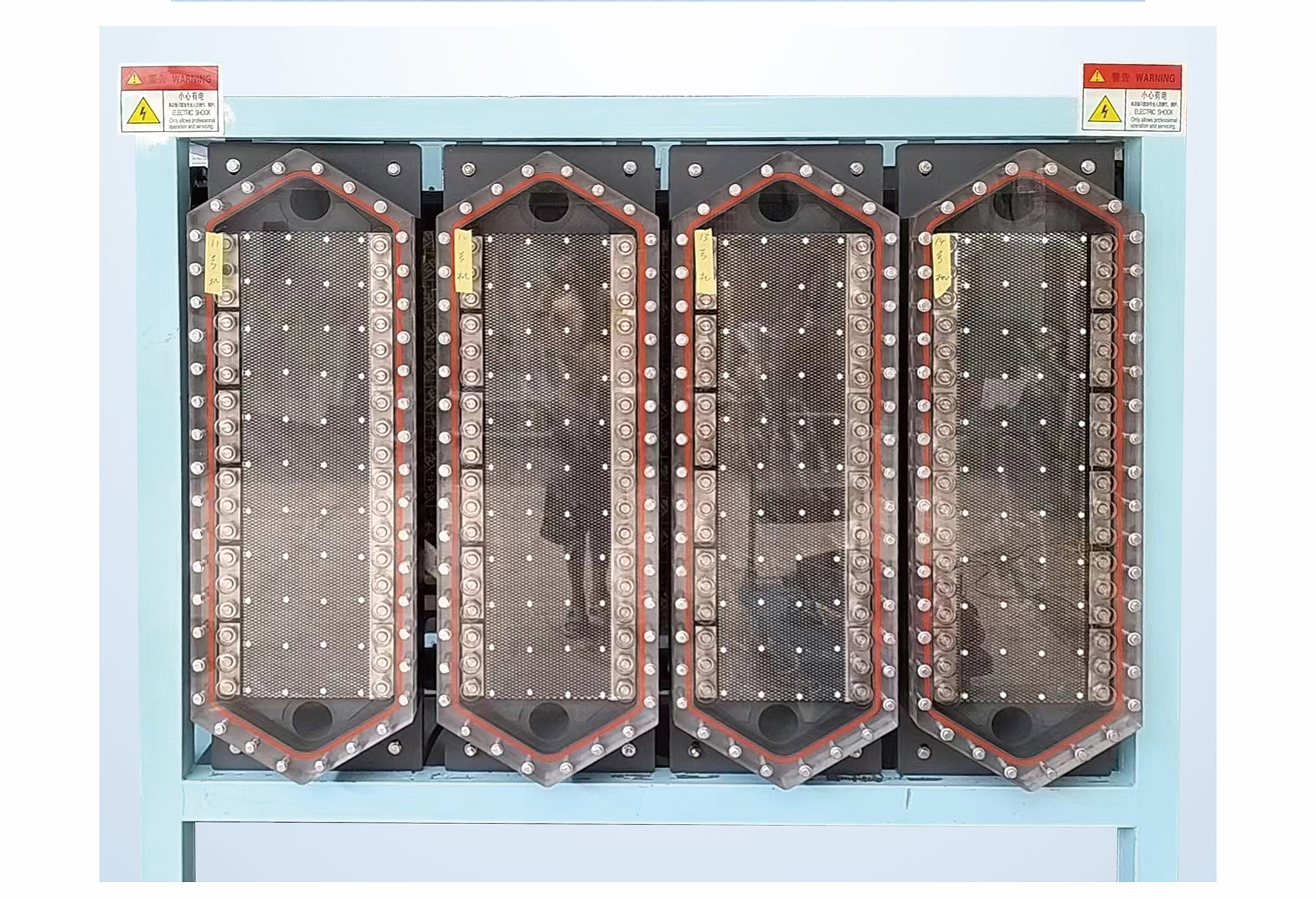
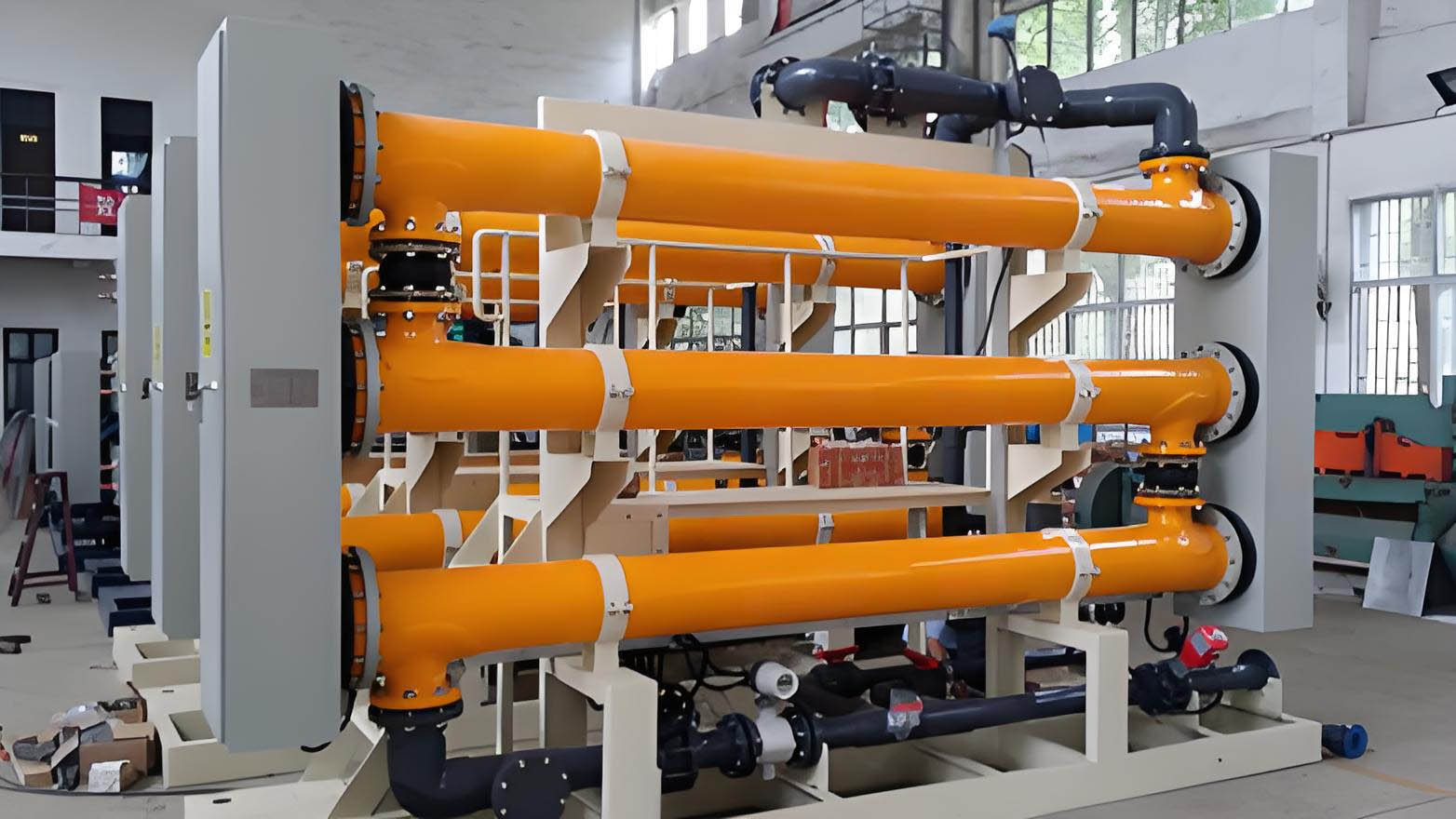
As global maritime regulations grow increasingly stringent and cross-ocean shipping activities expand rapidly, ballast water management has become an indispensable core part of vessel operation. Untreated ballast water carries massive invasive aquatic species, bacteria, plankton and marine larvae, causing irreversible damage to local marine ecosystems across ports worldwide. To help ship owners, shipyards and marine engineering enterprises fully comply with IMO Ballast Water Management Convention (BWMC) standards, our company launches a mature and compact5 kg/h electrolytic seawater systemtailored for medium and small-sized vessels, offering a chemical-free, low-energy and fully automated ballast water treatment solution.
1. Why Traditional Ballast Water Treatment Solutions Fall Short
Most conventional ballast water treatment devices face prominent drawbacks in actual marine operation, restricting their long-term application on commercial ships:
- Chemical dosing systems: Require regular purchase, transportation and storage of liquid disinfectants, bringing high operational costs and potential corrosion risks to ship pipelines and hull equipment.
- UV sterilization systems: Perform poorly in turbid seawater; suspended particles will block ultraviolet rays and reduce disinfection efficiency sharply, failing to meet discharge standards stably.
- Large-scale electrolytic equipment: Features oversized footprint, high power consumption and complicated installation, which is not suitable for cargo ships, tugboats and offshore working vessels with limited cabin space.
Against these pain points, our 5 kg/h electrolytic seawater ballast treatment system adopts on-site seawater electrolysis technology, eliminating external chemical dosing and perfectly matching the space, power and budget demands of medium and small marine vessels.
2. Working Principle of Our 5 kg/h Electrolytic Seawater System
The system applies advanced in-situ electrochlorination technology, using natural seawater as the only raw material without adding any external chemical agents. The whole treatment process includes three automatic steps, running synchronously with vessel ballasting and deballasting operations:- Precision Filtration: Raw ballast seawater first passes through a 50μm automatic backwash filter, removing large marine organisms, sediment and suspended solids to avoid blockage of subsequent electrolytic electrodes.
- On-site Electrolysis & Disinfection: A small branch of filtered seawater flows into the electrolytic cell. Under stable direct current power, seawater undergoes electrolytic reaction to generate high-efficiency sodium hypochlorite (NaOCl) disinfectant with a rated chlorine production capacity of 5 kg per hour. The disinfectant is injected back into the main ballast water pipeline to kill plankton, bacteria, fish eggs and all invasive microorganisms thoroughly.
- Residual Chlorine Neutralization: Before ballast water discharge, the system automatically detects residual chlorine concentration via high-precision sensors. Excess residual chlorine will be neutralized completely to ensure discharged water is harmless to marine environments and fully compliant with international discharge requirements.
3. Core Advantages of 5 kg/h Electrolytic Seawater Ballast Treatment System
3.1 Compact Modular Design, Space-Saving Installation
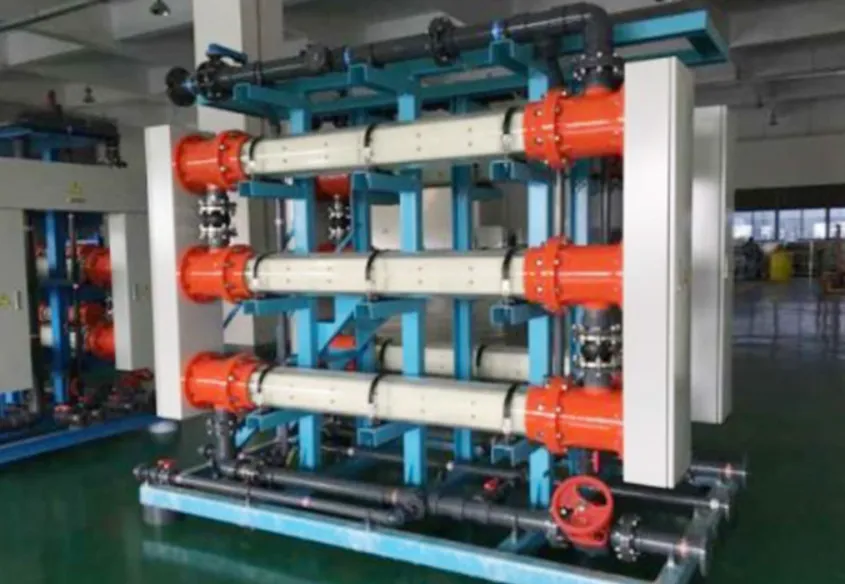
Different from bulky industrial electrolysis equipment, this 5kg/h model adopts integrated modular structure. It occupies minimal cabin space and supports flexible horizontal and vertical installation, perfectly adapting to narrow equipment cabins of bulk carriers, tugboats, fishing vessels and offshore support vessels. No complicated pipeline reconstruction is needed during ship retrofitting.3.2 Low Energy Consumption & Low Operation Cost
Optimized titanium electrode module reduces electrolysis power consumption to 3-5 kWh per kilogram of chlorine. Since the system only uses natural seawater and electricity without any chemical consumables, ship owners can cut annual operation and maintenance costs by over 40% compared with traditional chemical disinfection systems. Meanwhile, electrodes feature long service life up to 8 years, lowering long-term replacement expenses.3.3 Full Automatic Intelligent Operation
Equipped with industrial PLC intelligent control panel, the system realizes unattended automatic operation. It supports real-time monitoring of chlorine output, seawater flow, current, voltage and residual chlorine data. The system will trigger automatic alarm and self-protection under abnormal working conditions such as pipeline blockage and power fluctuation, greatly reducing manual operation errors.3.4 Excellent Anti-Corrosion Performance for Harsh Marine Environments
All key components including electrolytic cells, pipeline joints and sensors are made of titanium alloy and marine-grade stainless steel, which can resist strong corrosion of high-salinity seawater and humid salt spray marine environment. The whole machine is designed with IP54 protection grade, stable for long-term continuous offshore operation.4. Key Technical Parameters
|
Parameter Item
|
Technical Specs
|
|---|---|
|
Rated Chlorine Production Capacity
|
5 kg/h
|
|
Input Raw Water
|
Natural seawater (salinity: 28‰-35‰)
|
|
Working Voltage
|
380V/415V 3-phase AC (marine standard power)
|
|
Filtration Precision
|
50μm automatic backwash filter
|
|
Electrode Service Life
|
≥8 years
|
|
Protection Grade
|
IP54
|
|
Compliance Standard
|
IMO BWMC, D-2 discharge standard
|
5. Applicable Marine Scenarios
Our 5 kg/h electrolytic seawater ballast treatment system is customized for mid-range ballast water flow demand, widely applicable to multiple marine vessels and offshore facilities:
- Medium-sized bulk carriers, container ships and general cargo ships
- Offshore tugboats, engineering working vessels and patrol ships
- Ocean fishing vessels and refrigerated transport ships
- Offshore wind farm service vessels and platform supply vessels
6. Full Compliance with Global Maritime Regulations
All our electrolytic ballast water treatment systems pass strict performance verification and fully meet the IMO Ballast Water Management Convention D-2 discharge standard. After treatment, the concentration of viable organisms in discharged ballast water is far lower than international limit values, helping shipping enterprises avoid port detention fines and inspection risks in global ports. We also provide complete technical documents, factory test reports and after-sales certification support for vessel inspection.
Final Thoughts
With compact structure, low operating cost, stable disinfection performance and full intelligent control, our 5 kg/h electrolytic seawater system is a cost-effective and reliable ballast water treatment choice for small and medium vessels. We provide one-stop services including customized design, factory prefabrication, on-site installation, commissioning and global after-sales maintenance to meet diversified demands of ship owners and shipyards worldwide.
Contact our professional marine water treatment team today to get your tailored ballast water treatment solution and quotation!