
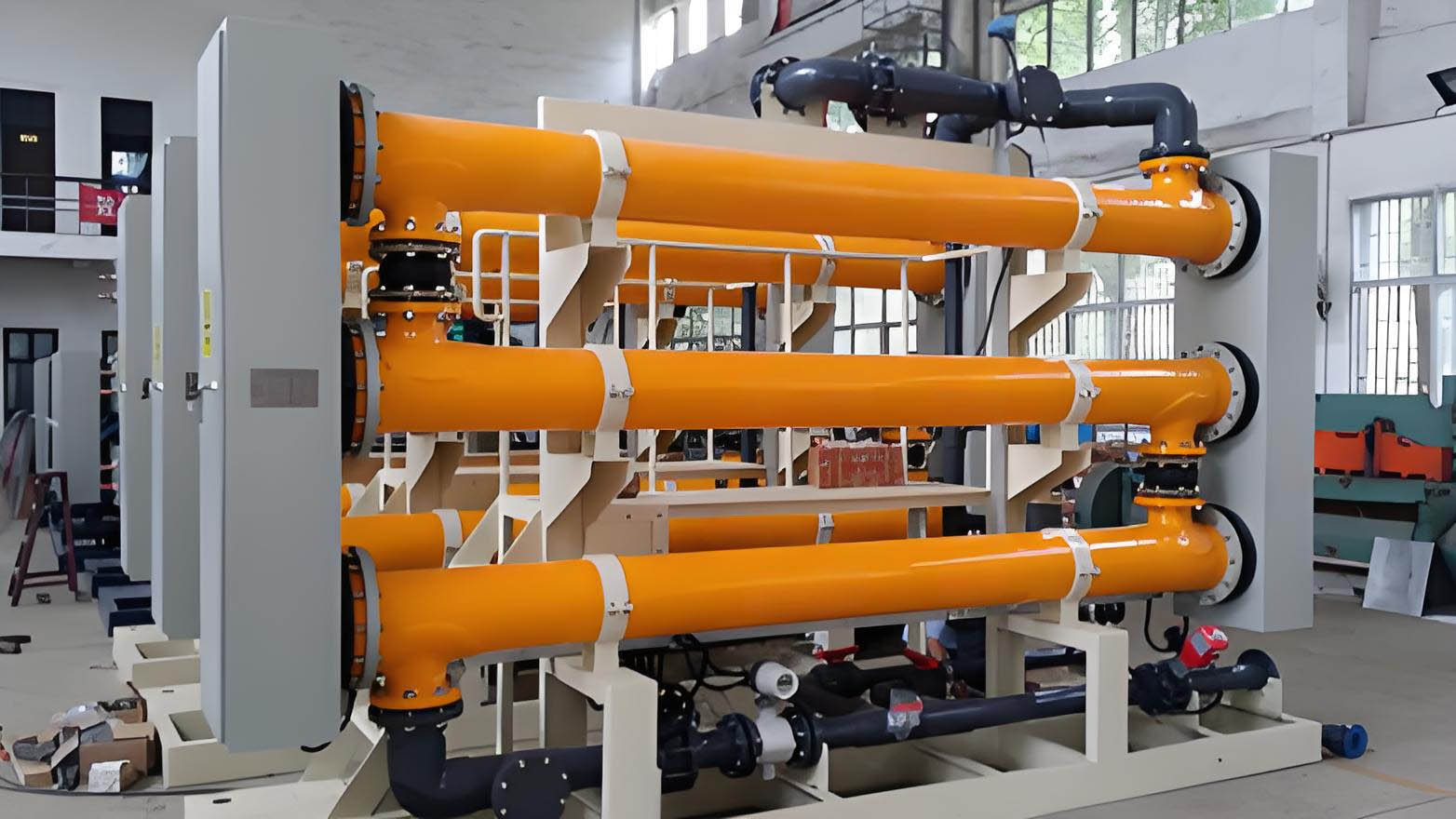
LNG terminals rely heavily on seawater cooling systems to support core gasification and heat exchange processes. As a critical circulating facility, seawater cooling pipelines are continuously exposed to complex marine environments, where algae, barnacles, shellfish, and microbial biofilms easily adhere to the inner pipe walls, forming stubborn biofouling. Long-term biofouling accumulation will reduce pipeline flow efficiency, increase heat transfer resistance, trigger pipeline corrosion, and even cause equipment shutdown failures, seriously affecting the stable and efficient operation of LNG terminal production. Electrolytic seawater anti-biofouling technology has become a mainstream and environmentally friendly solution for LNG terminal pipeline protection due to its advantages of on-site generation, zero chemical storage, and high efficiency. This blog will analyze the operational pain points of traditional electrolytic anti-biofouling systems and share targeted full-cycle operation and maintenance optimization solutions.
1. Challenges of Traditional Electrolytic Anti-Biofouling Operation in LNG Seawater Pipelines
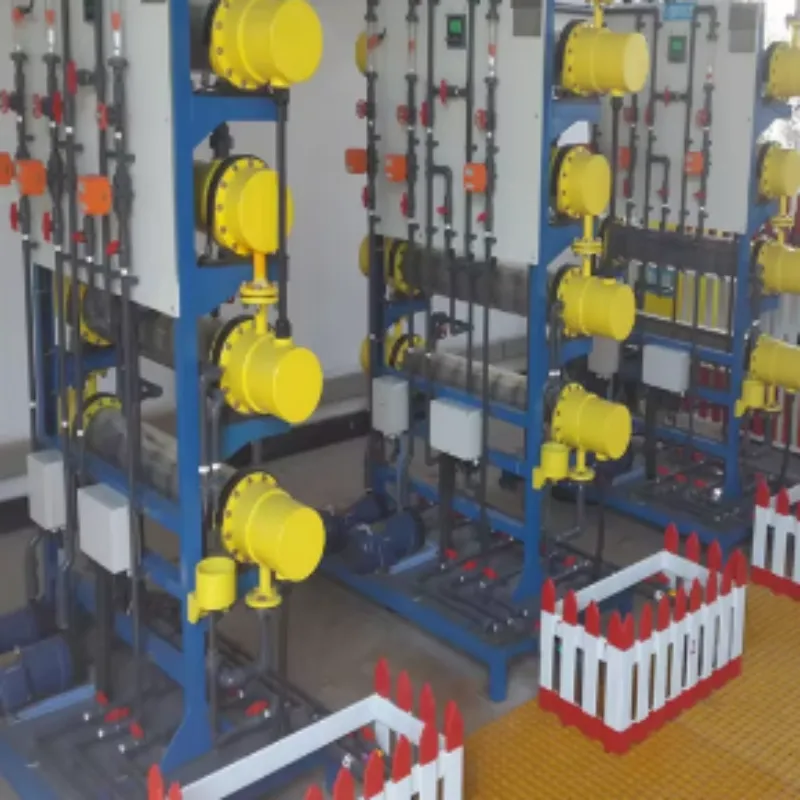
Most LNG terminals adopt electrolytic seawater chlorination systems to inhibit biofouling growth. The system generates sodium hypochlorite on-site through seawater electrolysis, which effectively kills marine microorganisms and prevents biological adhesion. However, affected by seasonal seawater temperature, salinity, microbial activity, and traditional passive maintenance modes, the system is prone to multiple operational defects in long-term application, restricting its anti-fouling effect and increasing operational costs.
First, unreasonable chlorination parameter setting leads to unstable anti-fouling effects. Most traditional systems operate with fixed continuous chlorination parameters throughout the year. In summer and autumn with vigorous marine biological reproduction, the effective chlorine concentration is insufficient to inhibit biofouling growth, resulting in pipeline wall fouling accumulation. In winter with low microbial activity, excessive chlorine output causes unnecessary energy waste and slight corrosion of pipeline auxiliary equipment.
Second, electrode aging and scaling reduce electrolysis efficiency. The electrolytic electrode is the core component of the anti-biofouling system. Long-term seawater electrolysis will cause scale deposition and electrode surface passivation, leading to decreased electrolysis reaction efficiency, reduced hypochlorite output, and increased unit power consumption. Traditional maintenance usually adopts regular unified replacement, lacking real-time monitoring of electrode operating status, resulting in either premature replacement and cost waste or delayed replacement and insufficient anti-fouling capacity.
Third, lack of refined daily operation management and environmental risk control. The traditional operation mode ignores the dynamic matching of water flow rate and chlorination dosage, and the residual chlorine in discharged seawater cannot be accurately controlled. Excessive residual chlorine discharge will violate marine environmental protection standards, while insufficient residual chlorine will fail to achieve continuous anti-fouling effects. In addition, irregular pipeline inspection and cleaning lead to hidden fouling accumulation at pipeline elbows, low-flow sections and filter positions, forming blind spots for anti-biofouling management.
2. Core Principles of Optimized Electrolytic Anti-Biofouling Operation and Maintenance
The optimized operation and maintenance solution is centered on "adaptive adjustment, refined management, low energy consumption and environmental protection", combining the operational characteristics of LNG terminal seawater cooling systems and marine biological growth rules. It breaks through the fixed-mode operation of traditional electrolytic systems, realizes dynamic linkage of system operation status, seawater quality parameters and biological activity, and achieves a balance between efficient anti-fouling, energy saving and consumption reduction, and environmental compliance.
The core working principle remains on-site seawater electrolysis: the system uses seawater as the raw material, and under the action of a titanium electrolytic electrode, chloride ions in seawater undergo electrolytic reaction to generate trace sodium hypochlorite. The hypochlorite solution is evenly mixed into the cooling pipeline seawater, which destroys the cell structure of marine microorganisms, inhibits the adhesion and reproduction of algae, shellfish and bacteria, and fundamentally prevents biofouling formation. The optimized solution further optimizes the electrolysis reaction efficiency and dosage logic on this basis, eliminating the drawbacks of traditional fixed operation.
3. Full-Cycle Operation and Maintenance Optimization Solutions for Electrolytic Anti-Biofouling Systems
3.1 Dynamic Adjustable Chlorination Strategy Based on Seasonal Water Environment
A seasonal adaptive chlorination mode is established to replace the traditional fixed-parameter operation. According to the growth cycle of marine organisms and real-time seawater monitoring data (temperature, salinity, microbial density), two operation modes of continuous low-concentration chlorination and periodic impact chlorination are matched dynamically. In the peak biological growth period (May to October), the impact chlorination process is adopted, with the effective chlorine concentration stably controlled at 5-6.5ppm, and regular high-concentration impact disinfection is carried out to eliminate attached young organisms and biofilms. In the low growth period (November to April), continuous micro-chlorination is adopted, with the concentration stably maintained at 2ppm, which meets the basic anti-fouling requirements while reducing energy consumption by 15%-20%. At the same time, the residual chlorine of discharged seawater is strictly controlled below 0.1ppm to ensure full compliance with marine environmental protection emission standards.
3.2 Intelligent Monitoring and Precision Maintenance of Electrolytic Electrodes
To solve the problems of electrode scaling, passivation and inefficient maintenance, an online monitoring system for electrode operating status is added to realize real-time collection of electrolysis current, voltage, reaction efficiency and other data. The system automatically judges the electrode scaling degree and aging state, and triggers automatic alarm when the electrolysis efficiency drops to the threshold value. For daily maintenance, a regular online descaling process is formulated without pipeline shutdown. Physical cleaning and mild chemical descaling are combined to remove surface scale and restore electrode activity. In terms of replacement management, the fixed cycle replacement is changed to condition-based maintenance, replacing aging electrodes in a targeted manner, which extends the service life of electrodes by more than 30% and reduces equipment replacement costs effectively.
3.3 Pipeline Whole-Process Anti-Fouling Management and Hidden Danger Elimination
Build a full-coverage anti-biofouling management mechanism for seawater cooling pipelines. Optimize the dosing pipeline layout to realize uniform dosing of hypochlorite solution in all pipe sections, eliminate dead zones of anti-fouling at elbows, tees and low-flow sections. Formulate a regular pipeline internal inspection and cleaning plan, cooperate with online pipeline fouling monitoring equipment, regularly detect the thickness of pipeline biofouling, and carry out targeted micro-cleaning for slight fouling accumulation to avoid large-scale fouling blockage. In addition, linkage control with the terminal seawater delivery system is realized to adjust the electrolysis dosage in real time according to the change of seawater flow rate, ensuring that the chlorine dosage matches the water volume, avoiding insufficient anti-fouling or excessive dosing waste.
3.4 Intelligent System Upgrade and Operational Standardization
Upgrade the traditional manual operation mode to an intelligent automatic control system. Realize automatic start-stop, dynamic parameter adjustment, data recording and fault self-diagnosis of the electrolytic anti-biofouling equipment. Establish a complete operation and maintenance standard system, clarify daily inspection items, weekly maintenance focus and monthly overhaul standards, standardize equipment operation procedures and fault handling processes. Through data cloud platform accumulation, form big data analysis of seasonal operation parameters of the terminal, continuously optimize operation strategies, and realize long-term stable and low-cost operation of the system.
4. Practical Benefits of the Optimized Operation and Maintenance Solution
After the application of the optimized electrolytic anti-biofouling operation and maintenance scheme in multiple LNG terminal projects, remarkable operational and economic benefits have been achieved. In terms of operational stability, the biofouling control rate of seawater cooling pipelines reaches more than 98%, the pipeline heat transfer efficiency is kept stable, and the pipeline blockage and equipment shutdown failures caused by biological fouling are completely eliminated. In terms of energy saving and consumption reduction, the overall energy consumption of the electrolytic system is reduced by 18%-25%, and the frequency of manual cleaning and equipment maintenance is reduced by more than 50%. In terms of environmental protection compliance, the residual chlorine emission of seawater is stably up to standard, with zero environmental protection violations. Meanwhile, the refined maintenance mode greatly reduces the loss of core equipment, extends the service life of the entire seawater cooling system, and creates long-term stable economic benefits for LNG terminal operation.
5. Conclusion
The seawater cooling pipeline electrolytic anti-biofouling system is an indispensable key facility for the safe and efficient operation of LNG terminals. The traditional fixed operation and passive maintenance mode can no longer meet the refined, energy-saving and environmentally friendly operation requirements of modern LNG terminals. The optimized operation and maintenance solution based on seasonal adaptive chlorination, intelligent electrode maintenance, full-process pipeline management and system intelligent upgrade effectively solves the pain points of insufficient anti-fouling effect, high energy consumption and difficult hidden danger management in traditional systems. It helps LNG terminals realize safe, stable, low-cost and green operation of seawater cooling systems, and provides reliable technical support for the long-term efficient operation of terminal production.