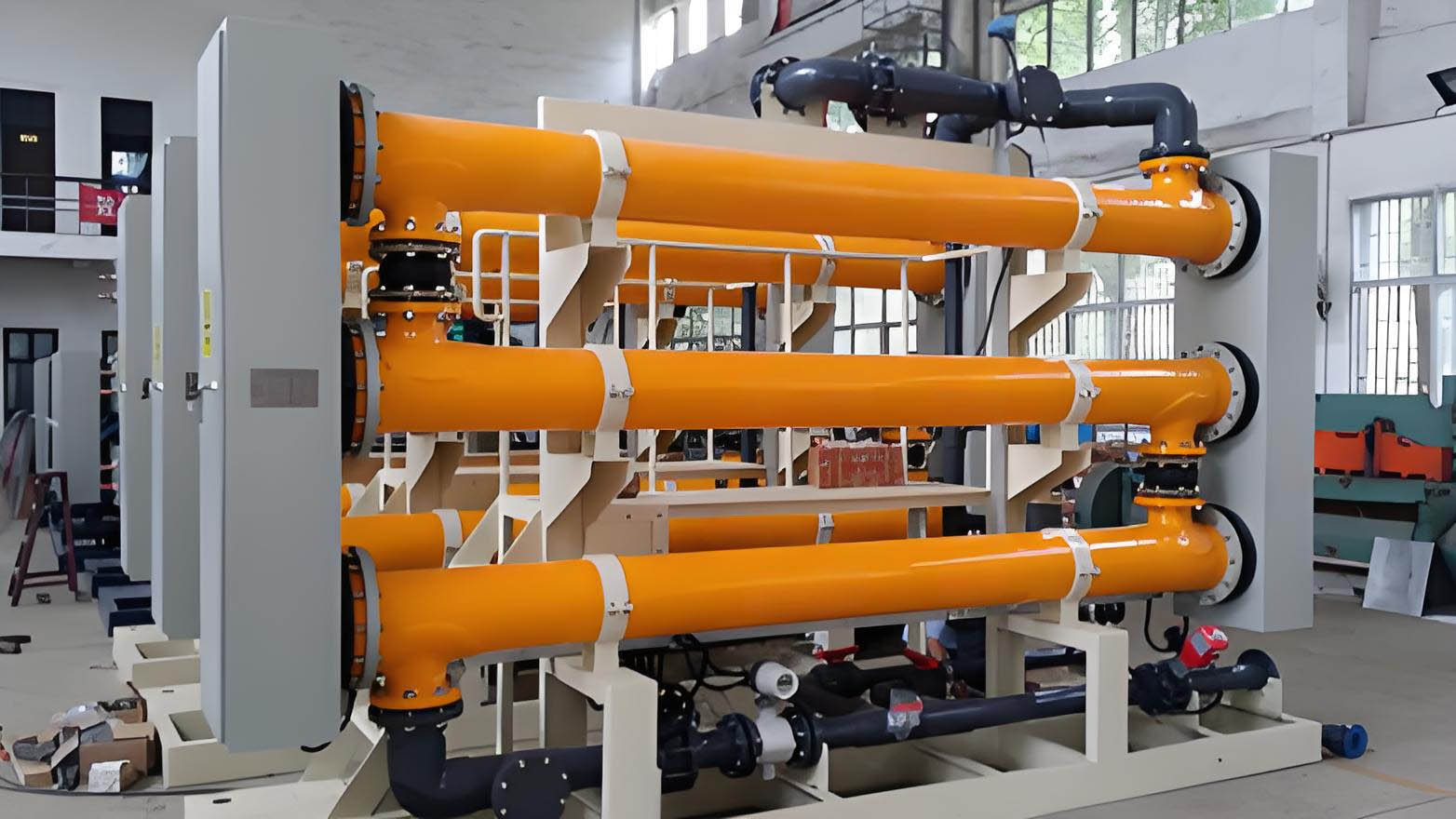
Marine ballast water plays a vital role in stabilizing ocean-going vessels during navigation, loading and unloading operations. However, the cross-regional discharge of untreated ballast water has long been a major cause of invasive aquatic species transmission, severely damaging global marine ecological balance and threatening the sustainable development of the shipping industry. To curb ecological pollution caused by unregulated ballast water discharge, the International Maritime Organization (IMO) has strictly enforced the Ballast Water Management (BWM) Convention, mandating all international vessels to adopt standardized ballast water treatment solutions. Our professional electrolysis ballast water treatment equipment provides efficient, stable and fully compliant technical support for global shipping enterprises to meet IMO regulatory requirements.
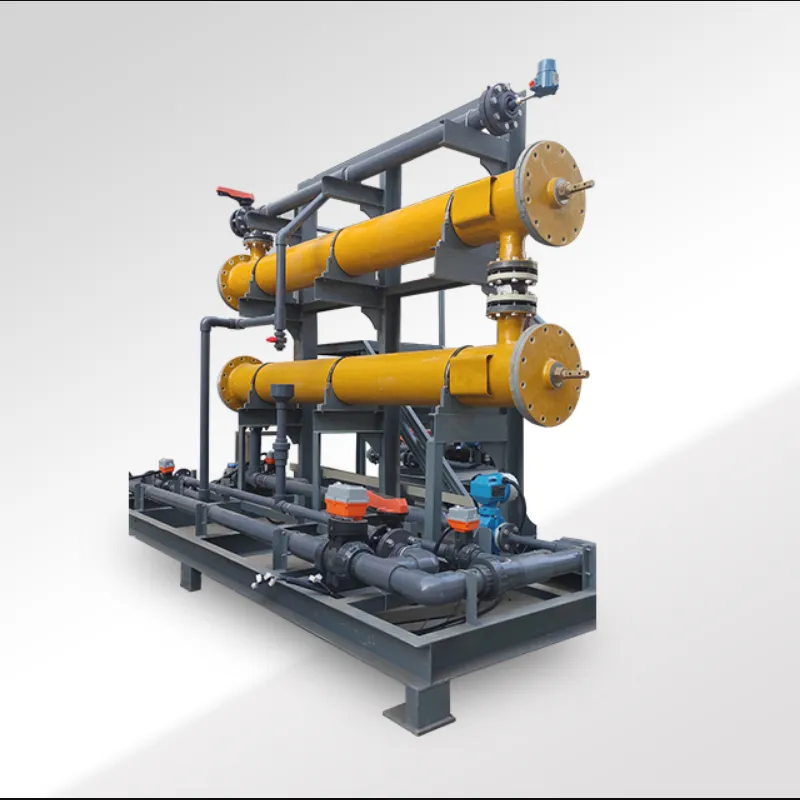
1. Overview of IMO Ballast Water Management Convention Compliance Requirements
Adopted in 2004 and officially enforced in September 2017, the IMO BWM Convention establishes unified global standards for ship ballast water treatment, management and discharge, aiming to eliminate the risk of harmful aquatic organisms and pathogen invasion via ballast water transshipment. The core compliance standard of the convention is the D-2 discharge standard, which clearly specifies the maximum allowable concentration of microorganisms and bacteria in discharged ballast water.
According to IMO official regulations, compliant ballast water discharge must meet strict biological indicators: less than 1 colony-forming unit (cfu) per 100 millilitres of toxicogenic Vibrio cholerae, less than 250 cfu per 100 millilitres of Escherichia coli, and less than 100 cfu per 100 millilitres of Intestinal Enterococci. In addition, all compliant vessels must carry a complete ballast water management plan and ballast water record book, and accept regular port state control inspections. With the continuous tightening of global maritime supervision, non-compliant vessels will face port detention, fines and navigation restriction penalties, making standardized ballast water treatment equipment a mandatory configuration for ocean-going vessels.
2. Working Principle of Ballast Water Electrolysis Treatment Technology
Electrolysis treatment is one of the most reliable and widely recognized technical solutions that fully conform to IMO G8 guidelines and ISO 23314-2:2021 international standards. Different from traditional physical filtration and single disinfection technologies, our electrolysis ballast water treatment system integrates multi-stage treatment processes to achieve thorough purification of ballast water.
The entire treatment process is fully automatic and divided into three core stages. First, the pre-filtration stage removes large suspended particles, marine plankton and aquatic debris in ballast water to avoid blocking subsequent electrolysis units and improve treatment efficiency. Second, the core electrolysis stage uses seawater’s own salinity for on-board electrolysis, generating safe and efficient sodium hypochlorite disinfectant. The disinfectant rapidly oxidizes and kills residual microorganisms, bacteria, algae and aquatic larvae in the water, completely eliminating biological invasion risks. Finally, the neutralization stage adopts a precise TRO (Total Residual Oxidant) monitoring and neutralization system to eliminate residual oxidants in the treated water, ensuring the final discharge water does not cause secondary pollution to the marine environment.
The whole process requires no additional chemical reagents, features environmental protection and high efficiency, and can adapt to variable salinity and temperature conditions of global marine waters, maintaining stable treatment effect in complex navigation environments.
3. Core Advantages of Our Electrolysis Treatment Equipment for IMO Compliance
Facing the increasingly stringent IMO ballast water supervision and global port inspection standards, our independently developed ballast water electrolysis treatment equipment is tailored for ocean-going vessels, with outstanding compliance performance and operational advantages, helping shipping companies achieve zero-risk compliance.
Full Standard Compliance: The equipment strictly complies with IMO BWM Convention D-2 discharge standards and G8 system testing guidelines, and has passed authoritative maritime certification. All treated ballast water fully meets global port discharge requirements, helping vessels smoothly pass port state control inspections worldwide and avoid compliance penalties.
Stable and Efficient Treatment Performance: Adopting high-efficiency electrolytic cell modules and intelligent sensing control systems, the equipment realizes real-time monitoring of water quality, flow rate and residual oxidant concentration. It maintains a 99.9% microbial removal rate under continuous working conditions, with stable treatment effect unaffected by ship navigation status and water environment changes.
Marine Adaptive Design: The equipment features compact structure, small footprint and vibration resistance, perfectly adapting to the limited installation space and harsh working environment of ocean-going vessels. It supports automatic switching of ballasting and de-ballasting modes, with low energy consumption and low operation noise, effectively reducing ship operating costs.
Intelligent and Low-Maintenance Operation: Equipped with an intelligent remote control and self-diagnosis system, the equipment supports automatic operation, real-time data recording and fault early warning. It meets the IMO requirement of complete ballast water treatment data archiving, facilitating subsequent supervision and inspection, while greatly reducing manual maintenance costs.
4. Application Scenarios and Industry Value
Our ballast water electrolysis treatment equipment is suitable for all types of ocean-going vessels, including container ships, bulk carriers, oil tankers, cruise ships and offshore engineering vessels. Whether for new ship supporting installation or old ship compliance renovation, the equipment can provide customized integrated solutions.
For the shipping industry, standardized electrolysis treatment equipment not only solves the pain point of IMO regulatory compliance, but also effectively protects global marine ecological diversity. While helping shipping enterprises reduce compliance risks and operational losses, it promotes the green and low-carbon upgrading of the global maritime industry, conforming to the long-term development trend of international marine environmental protection.
5. Conclusion
With the continuous deepening of global marine environmental protection supervision, IMO ballast water compliance has become an indispensable part of ocean-going vessel navigation operations. Ballast water electrolysis treatment technology, as a mature, safe and internationally certified compliant solution, has become the mainstream choice for global shipping enterprises. Our professional electrolysis ballast water treatment equipment relies on reliable technical performance, full standard compliance and efficient operational advantages to provide one-stop compliant protection for global ocean-going vessels, empowering the sustainable and green development of the maritime shipping industry.