
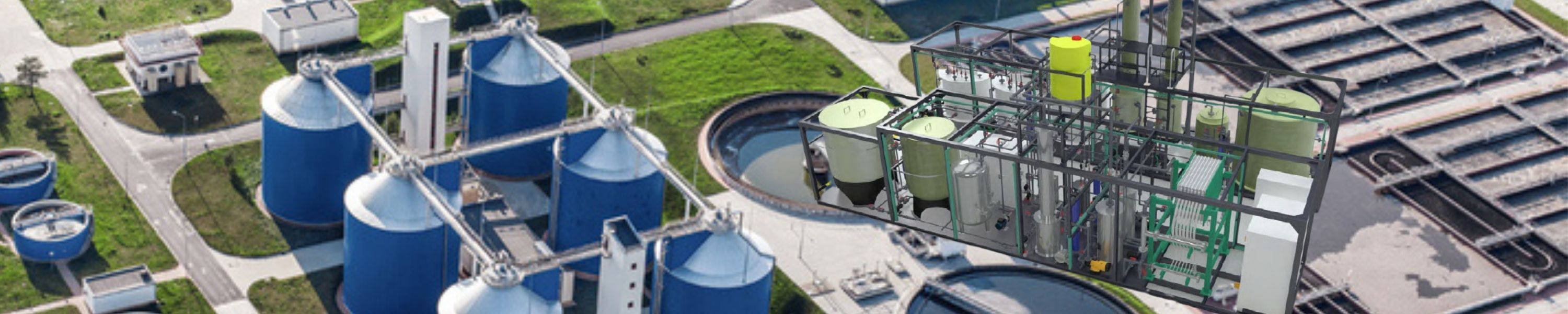
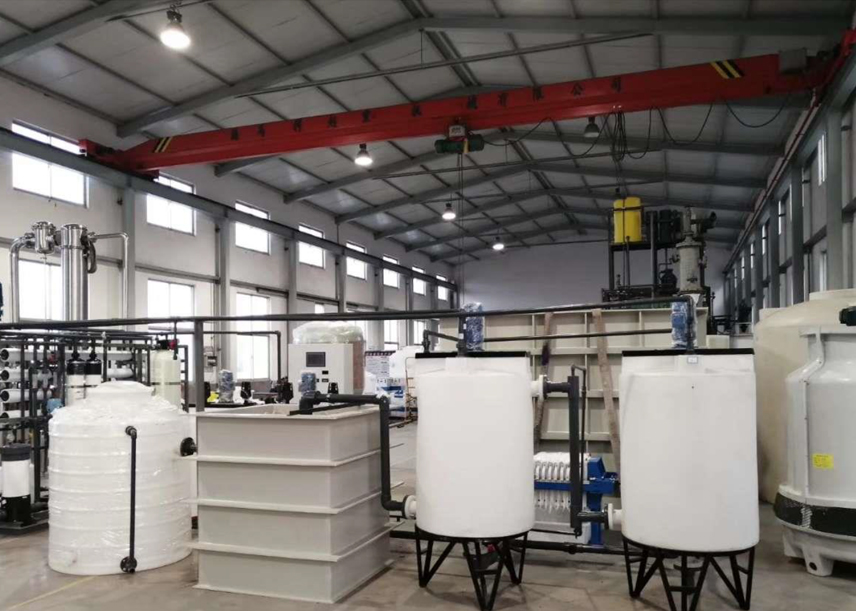
The textile industry is a global pillar industry, with production processes covering spinning, weaving, printing, dyeing, and finishing—each link has strict requirements for disinfection, bleaching, and wastewater treatment. As global environmental protection regulations become increasingly stringent (such as the EU’s REACH regulation and China’s GB 4284-2018 "Pollution Control Standard for Textile Dyeing and Finishing Industry") and consumer demand for high-quality, eco-friendly textiles grows, textile enterprises are facing unprecedented pressure to upgrade their environmental protection and production safety. The high-concentration sodium hypochlorite generator has emerged as a core supporting equipment for the textile industry, enabling on-site production of high-purity disinfectant and bleaching agent, solving the pain points of traditional chemical disinfection/bleaching (safety risks, high costs, environmental pollution), and becoming an indispensable part of modern textile production. In 2026, with Google’s search algorithm evolving toward Generative Engine Optimization (GEO), content that emphasizes authority, practicality, and industry relevance will gain greater search visibility. This article comprehensively interprets the working principle, core applications, unique advantages, and 2026 development trends of high-concentration sodium hypochlorite generators in the textile industry, integrating industry data, real cases, and compliance guidelines to fully align with Google’s latest E-E-A-T 2.0 evaluation criteria, helping textile industry practitioners, decision-makers, and procurement personnel obtain accurate, in-depth professional information.
What Is a High-Concentration Sodium Hypochlorite Generator for the Textile Industry?
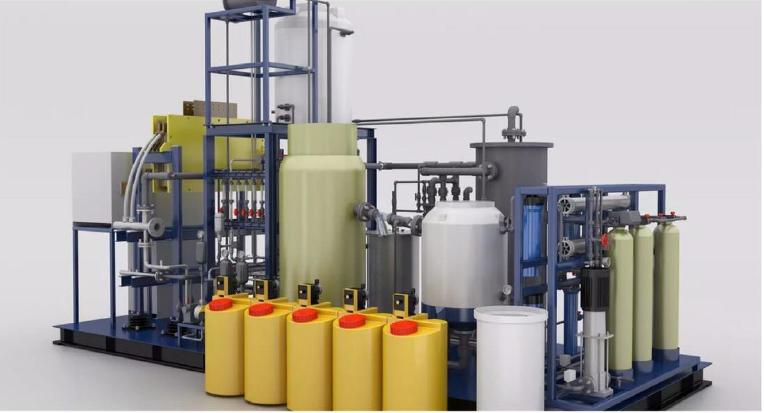
A high-concentration sodium hypochlorite generator tailored for the textile industry is an electrochemical equipment that uses industrial-grade salt (or food-grade salt for high-end textile production) and water as raw materials to produce high-purity sodium hypochlorite solution on-site through electrolysis. Unlike low-concentration generators (usually 0.5%-1% concentration), high-concentration models typically produce sodium hypochlorite with an effective chlorine concentration of 5%-15% (50,000-150,000 ppm), which can be flexibly diluted according to different textile production scenarios—from fabric bleaching and equipment disinfection to wastewater treatment. Its core value in the textile industry lies in providing a safe, efficient, and eco-friendly solution for three key links: bleaching of raw materials and semi-finished products, disinfection of production equipment and workshops, and decolorization and disinfection of printing and dyeing wastewater.
Different from traditional methods that rely on purchased liquid sodium hypochlorite, bleaching powder, or other chemical agents, high-concentration sodium hypochlorite generators realize "on-site production, immediate use" of disinfectants and bleaching agents, fundamentally avoiding the safety risks of transportation, storage, and leakage of hazardous chemicals, and solving the problem of agent degradation and concentration instability during long-term storage. According to 2026 industry data, the global market size of sodium hypochlorite generators is expected to reach USD 537.42 million, with the textile industry accounting for 22% of total applications—the highest proportion among all industries. High-concentration models are growing at a CAGR of 8.1% due to their high efficiency, cost-effectiveness, and environmental friendliness, and have become the preferred equipment for large-scale textile printing and dyeing enterprises, as well as medical textile manufacturers compliant with strict hygiene standards.
Working Principle: How It Meets the Textile Industry’s Special Needs
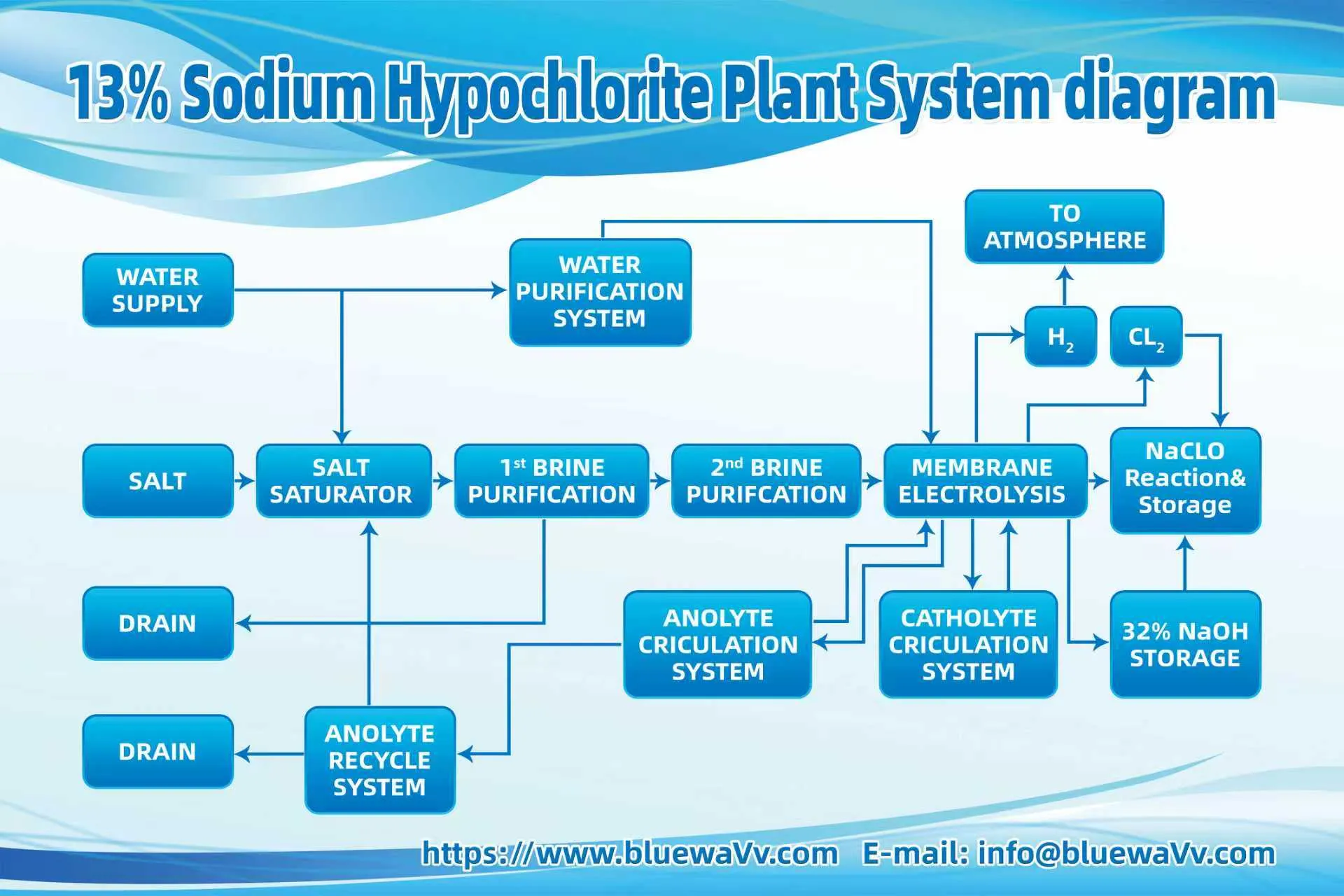
The working principle of a high-concentration sodium hypochlorite generator is based on the chlor-alkali electrolysis reaction, which is optimized for the textile industry’s demand for high-purity, stable-concentration disinfectants/bleaching agents. The entire process is clean, pollution-free, and requires only salt, water, and electricity as inputs, perfectly aligning with the textile industry’s green production goals. The core steps are as follows:
- Raw Material Preparation & Pretreatment: First, industrial-grade salt (or food-grade salt for medical textiles) is dissolved in water to form a low-concentration brine (usually 2%-5% concentration). The brine is then filtered to remove impurities (such as sediment and metal ions), avoiding electrode clogging and ensuring that the final sodium hypochlorite solution has no impurities—this is critical for textile bleaching, as impurities can cause fabric discoloration or quality defects. For medical textile production, the raw materials must meet the hygiene standards specified in WS/T 508—2025 to ensure compliance with medical fabric disinfection requirements.
- Electrolysis Reaction: The pretreated brine flows into a specialized electrolyzer, which is equipped with high-performance titanium-based electrodes (coated with rare metal oxides) to resist corrosion from high-concentration salt water and extend service life. When a low-voltage DC current is applied, an electrolysis reaction occurs: sodium chloride (NaCl) and water (H₂O) react to generate sodium hypochlorite (NaClO), hydrogen gas (H₂), and sodium hydroxide (NaOH). The high-concentration generator optimizes the electrolyzer structure to improve current efficiency, enabling the production of sodium hypochlorite with a concentration of 5%-15%, and ensuring that chlorate content is far below the national standard for textile industry use, avoiding fabric damage caused by excessive harmful by-products.
- Product Separation & Dilution: After the electrolysis reaction, the mixed solution (sodium hypochlorite + unreacted brine + hydrogen) enters a separation tank. Hydrogen gas is safely separated and discharged through a dedicated exhaust system to prevent accumulation and potential hazards. The high-concentration sodium hypochlorite solution is stored in a dedicated corrosion-resistant tank and can be diluted to the required concentration through an intelligent dosing system—for example, 500-1000 ppm for fabric bleaching, 100-200 ppm for equipment disinfection, and 1000-2000 ppm for wastewater decolorization, fully meeting the diverse needs of the textile industry.
Notably, the entire production process is fully automated, with real-time monitoring of key parameters (such as brine concentration, electrolysis current, voltage, and disinfectant concentration) to ensure consistent product quality, which is crucial for maintaining the stability of textile bleaching and disinfection effects.
Core Applications in the Textile Industry: Covering the Entire Production Chain
High-concentration sodium hypochlorite generators are widely used in various links of the textile industry, from raw material processing to finished product storage, and even wastewater treatment. Their applications are closely integrated with the production characteristics of the textile industry, solving practical pain points for enterprises. Combined with 2026 real application cases and industry practices, the specific application scenarios are as follows:
1. Fabric Bleaching: High Purity & Gentle Bleaching
Bleaching is a key link in textile production, especially for cotton, linen, and other natural fibers—requiring the removal of natural pigments and impurities to ensure the brightness and uniformity of subsequent dyeing. High-concentration sodium hypochlorite, diluted to 500-1000 ppm, is an ideal bleaching agent: it has strong oxidizing properties, can quickly remove pigments without damaging the fiber structure, and ensures uniform bleaching effect, avoiding uneven color of finished fabrics. Compared with traditional bleaching agents (such as hydrogen peroxide), it has lower costs and milder properties, reducing fiber brittleness and improving fabric quality. For example, a large-scale cotton textile factory in Jiangsu, China, replaced traditional bleaching agents with a high-concentration sodium hypochlorite generator, reducing bleaching costs by 35% and improving the qualified rate of bleached fabrics from 92% to 99.2%. For medical textiles, the bleaching process must comply with WS/T 508—2025 standards to ensure the hygiene and safety of the final product.
2. Production Equipment & Workshop Disinfection
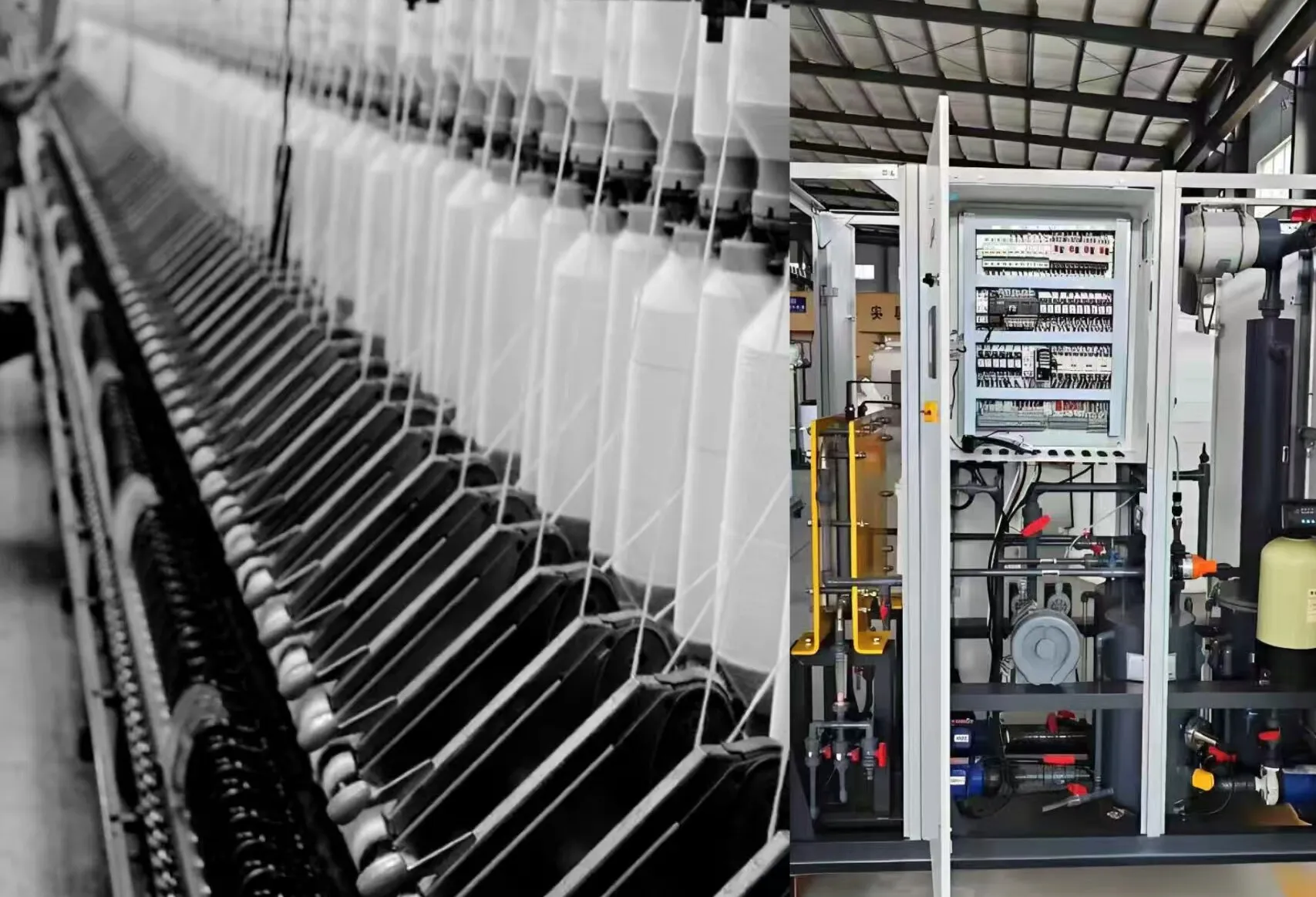
Textile production equipment (such as spinning machines, looms, printing and dyeing machines, and winding machines) and workshops are prone to microbial growth due to high humidity and high temperature, which can cause fabric contamination (such as mold spots) and affect product quality. High-concentration sodium hypochlorite, diluted to 100-200 ppm, is used for spraying or wiping disinfection of equipment surfaces and workshop floors, walls, and air, effectively killing bacteria, mold, and other microorganisms, and preventing cross-contamination. For medical textile workshops, disinfection must meet the strict requirements of WS/T 508—2025, including regular disinfection of production areas, dedicated cleaning tools, and one-time use or thorough disinfection of containers to avoid biological contamination. A textile printing and dyeing enterprise in Zhejiang reported that after using a high-concentration sodium hypochlorite generator, the microbial contamination rate of fabrics decreased by 80%, and the number of product returns due to contamination was reduced by 90%.
3. Printing and Dyeing Wastewater Treatment: Decolorization & Disinfection
Printing and dyeing wastewater is a major environmental pollution source in the textile industry, characterized by high chroma, high COD (chemical oxygen demand), and high microbial content. Direct discharge will violate environmental protection regulations (such as China’s GB 4284-2018 and the EU’s REACH regulation). High-concentration sodium hypochlorite, diluted to 1000-2000 ppm, can effectively decolorize printing and dyeing wastewater (decolorization rate up to 90% or more) and kill harmful microorganisms in the wastewater, reducing COD content and ensuring that the wastewater meets discharge standards before being discharged or recycled. High-concentration sodium hypochlorite generators are also widely used in the treatment of textile wastewater, including印染废水脱色处理 and disinfection, making them a key equipment for textile enterprises to meet environmental protection requirements. A printing and dyeing enterprise in Guangdong used a high-concentration sodium hypochlorite generator for wastewater treatment, reducing wastewater treatment costs by 40% and successfully passing the environmental protection inspection.
4. Raw Material & Finished Product Disinfection
Textile raw materials (such as cotton, linen, and chemical fibers) may carry microorganisms and impurities during transportation and storage, which can affect the quality of subsequent production. High-concentration sodium hypochlorite, diluted to 300-500 ppm, is used to soak and disinfect raw materials, removing surface microorganisms and impurities, and laying a foundation for stable production. For finished textiles (such as clothing, bed sheets, and medical fabrics), terminal disinfection is required before leaving the factory—high-concentration sodium hypochlorite can be used for spray disinfection, ensuring that the finished products meet hygiene standards. For medical textiles, finished product disinfection must comply with WS/T 508—2025, including one-time use and disinfection of medical fabrics, and traceable disinfection records to ensure product safety.
Core Advantages: Why It’s a Game-Changer for the Textile Industry
Compared with traditional chemical disinfection/bleaching methods (purchased liquid sodium hypochlorite, bleaching powder, hydrogen peroxide), high-concentration sodium hypochlorite generators have obvious comprehensive advantages in safety, economy, environmental protection, and adaptability, which are highly consistent with the development needs of the modern textile industry. Combined with 2026 industry data and practical application cases, their core advantages are as follows:
1. Safety First: Eliminating Hazards of Hazardous Chemicals
Traditional textile production relies on a large number of hazardous chemicals (such as liquid sodium hypochlorite, bleaching powder, and hydrogen peroxide), which are corrosive, flammable, and explosive. During transportation and storage, there are significant risks of leakage, corrosion, and explosion, threatening the safety of operators and the production environment. High-concentration sodium hypochlorite generators produce disinfectants/bleaching agents on-site, eliminating the need for transportation and storage of hazardous chemicals, and fundamentally eliminating potential safety hazards. Additionally, the system is equipped with a complete safety monitoring and alarm mechanism—including overcurrent, overvoltage, and hydrogen accumulation alarms—to automatically adjust parameters or shut down in emergencies, ensuring safe and stable operation even in high-humidity textile workshops. This is particularly important for medical textile enterprises, which have strict safety requirements for production links as specified in WS/T 508—2025.
2. Cost-Effective: Reducing Long-Term Operation Costs
The textile industry has large demand for disinfectants and bleaching agents, and the cost of purchased chemical agents is a major burden for enterprises. High-concentration sodium hypochlorite generators have significant economic advantages: on the one hand, the raw materials (industrial-grade salt and water) are widely available and low-cost—producing 1 kg of effective chlorine requires only 3.2 kg of salt and 4 kWh of electricity, which is far cheaper than purchasing finished liquid sodium hypochlorite or hydrogen peroxide. On the other hand, the system has a high degree of automation, enabling unattended operation, reducing labor input, and its maintenance is simple (mainly electrode inspection and cleaning), with a service life of 8-10 years for electrolysis cells and 5 years for power modules. According to industry data, the long-term operation cost of high-concentration generators is 30%-50% lower than that of traditional chemical methods, and they can reduce the need for drummed hypochlorite transportation by 85%, further reducing logistics and insurance costs. This is especially beneficial for large-scale textile enterprises with high disinfection and bleaching demand, as well as small and medium-sized enterprises seeking cost optimization.
3. Eco-Friendly & Compliant: Meeting Strict Environmental Protection Standards
With the global emphasis on environmental protection, textile enterprises are facing increasingly strict environmental protection inspections. High-concentration sodium hypochlorite generators do not produce sludge or harmful by-products during operation—the only by-product, hydrogen gas, can be safely discharged or recycled as clean energy, realizing resource utilization. Unlike traditional bleaching agents (such as hydrogen peroxide), which produce harmful by-products (such as wastewater with high COD), sodium hypochlorite disinfection/bleaching is environmentally friendly and does not cause secondary pollution. The wastewater treated by high-concentration sodium hypochlorite can meet the discharge standards of various countries, helping textile enterprises comply with environmental protection regulations (such as China’s GB 4284-2018 and the EU’s REACH regulation) and avoid fines. For enterprises engaged in export-oriented textile production, this is a key guarantee for entering the international market. Additionally, the on-site production model reduces packaging waste from purchased chemical agents, aligning with the textile industry’s green development goals.
4. High Adaptability: Suitable for Diverse Textile Scenarios
The textile industry has diverse production needs—different fabrics (cotton, linen, chemical fibers, medical textiles) and different production links (bleaching, disinfection, wastewater treatment) require different concentrations of disinfectants/bleaching agents. High-concentration sodium hypochlorite generators can be flexibly adjusted to produce solutions with a concentration of 5%-15%, which can be diluted to the required concentration for different scenarios, meeting the diverse needs of the textile industry. The generator’s modular design allows for flexible configuration according to production scale—with a production capacity ranging from 50g/h to 50kg/h (and beyond), suitable for both small and medium-sized textile factories and large-scale printing and dyeing bases. It also adapts to the high-humidity, high-corrosion environment of textile workshops through corrosion-resistant materials and advanced sealing technology. For medical textile production, the generator can be customized to meet the strict hygiene standards of WS/T 508—2025, ensuring the safety and compliance of medical fabrics.
5. Stable Quality: Ensuring Consistent Textile Production
The quality of disinfectants and bleaching agents directly affects the quality of textiles. Purchased liquid sodium hypochlorite is prone to degradation during transportation and storage, leading to unstable concentration and uneven bleaching/disinfection effects, which can cause fabric quality defects (such as uneven color, yellowing, and fiber damage). High-concentration sodium hypochlorite generators produce disinfectants/bleaching agents on-site, ensuring fresh and stable concentration, and the automated control system can real-time monitor and adjust parameters, ensuring consistent product quality. This helps textile enterprises improve the qualified rate of finished products and reduce product returns, enhancing market competitiveness. For high-end textile and medical textile production, stable quality is particularly critical to meet consumer and regulatory requirements.
2026 Development Trends of High-Concentration Sodium Hypochlorite Generators in the Textile Industry
With the continuous upgrading of global environmental protection regulations, the rapid development of intelligent textile production, and the increasing demand for high-quality, eco-friendly textiles, high-concentration sodium hypochlorite generators are developing in the direction of intelligence, energy saving, and customization. Combined with the latest industry research reports and technological breakthroughs in 2026, the main development trends are as follows:
1. Intelligent Upgrade: Full-Process Digital Monitoring & Remote Control
In 2026, more than 52% of new high-concentration sodium hypochlorite generators for the textile industry are equipped with intelligent control systems and online monitoring equipment, including color touch screens, real-time data recording, and remote maintenance modules. These systems can monitor key parameters (such as brine concentration, electrolysis current, voltage, and disinfectant concentration) in real time, automatically adjust operation parameters according to changes in production needs (such as fabric type and bleaching requirements), and realize unattended operation and remote maintenance. For example, through a remote dashboard, managers can check the system’s operation status and historical data at any time, reducing manual sampling by 75% and non-compliance events by 38%. Integration with the textile factory’s central control system also enables coordinated operation with other production links (such as printing and dyeing machines), improving overall production efficiency. For medical textile enterprises, the intelligent system can record disinfection parameters to meet the traceability requirements of WS/T 508—2025.
2. Energy Saving & Efficiency Improvement: Technological Innovation in Electrodes and Electrolyzers
Electrode materials and electrolyzer design are the core of improving the energy efficiency of high-concentration generators. In 2026, new titanium-based ruthenium-iridium coating electrodes have become mainstream—they have higher catalytic activity and corrosion resistance, improving electrolysis efficiency by 18%-25% and reducing energy consumption to 3.0 kWh per kg of effective chlorine. The optimization of electrolyzer structure (such as open-cell design and fluid flux optimization) further improves current efficiency and reduces energy waste. Pulse-electrolytic technology is also being widely adopted, which lowers power consumption while extending electrode service life to more than 8 years. This is particularly important for textile enterprises with large energy consumption, helping them reduce energy costs and achieve green production.
3. Customized Design: Adapting to Diverse Textile Production Needs
The textile industry has diverse production scenarios—from cotton spinning and printing and dyeing to medical textiles and high-end clothing. In 2026, high-concentration sodium hypochlorite generators adopt modular design, allowing enterprises to flexibly configure the number of modules according to their production scale, realizing capacity expansion without major equipment replacement. Manufacturers also provide customized solutions according to the specific needs of different textile fields—for example, designing special dosing systems for high-end textile bleaching to avoid fabric damage, developing compact models for small-scale textile factories with limited space, and customizing hygiene-compliant systems for medical textile enterprises to meet WS/T 508—2025 standards. Additionally, generators suitable for wastewater treatment are optimized to improve decolorization efficiency and reduce COD, meeting the increasingly strict environmental protection requirements of the textile industry.
4. Market Expansion: Growing Demand in Emerging Regions
With the acceleration of textile industrialization in emerging regions (such as Southeast Asia, Africa, and South America) and the increasing emphasis on environmental protection and production safety, the demand for high-concentration sodium hypochlorite generators is growing rapidly. According to industry forecasts, the global market size of high-strength sodium hypochlorite generators will reach USD 0.95 billion by 2033, with a CAGR of 7.5% from 2026 to 2033, and the textile industry will remain the largest application field. North America and Europe currently lead the market due to stringent environmental protection and safety regulations, while the Asia-Pacific region is expected to become the fastest-growing market, driven by increasing investments in textile environmental protection infrastructure. For textile enterprises in emerging regions, high-concentration sodium hypochlorite generators are an important tool to upgrade production technology and meet international market access standards.
FAQ: Common Questions About High-Concentration Sodium Hypochlorite Generators in the Textile Industry
To better meet user search needs and improve the comprehensiveness and authority of the article (adapting to Google’s AI Overview feature), we have sorted out the most common questions about high-concentration sodium hypochlorite generators in the textile industry and provided professional answers based on industry standards and practical experience.
Q1: Can high-concentration sodium hypochlorite generators be used for all types of textile bleaching?
A1: Yes, they are suitable for bleaching most textile materials, including cotton, linen, chemical fibers, and blended fabrics. The generator can flexibly adjust the concentration of sodium hypochlorite—for example, 500-800 ppm for cotton/linen bleaching (mild and non-damaging to fibers) and 800-1000 ppm for chemical fiber bleaching (stronger oxidizing properties to remove stubborn pigments). However, for sensitive fabrics (such as silk and wool), it is not recommended to use sodium hypochlorite bleaching; instead, specialized bleaching agents should be used. For medical textiles, the bleaching concentration and process must comply with WS/T 508—2025 standards to ensure fabric safety and hygiene.
Q2: Will the sodium hypochlorite produced by the generator damage textile fibers?
A2: No, as long as the concentration is properly controlled and the operation is standardized. High-concentration sodium hypochlorite is diluted to the appropriate concentration (500-1000 ppm) for bleaching, which only removes natural pigments and impurities without damaging the fiber structure. Compared with traditional bleaching agents (such as hydrogen peroxide), it is milder and less likely to cause fiber brittleness. It is important to control the bleaching time and temperature (usually 25-35℃) to avoid fiber damage. For high-end textiles, it is recommended to conduct a small-scale test before large-scale use.
Q3: What factors affect the operation efficiency of high-concentration sodium hypochlorite generators in textile workshops?
A3: The main influencing factors include: 1) Raw material quality (purity of industrial-grade salt and water, impurity content—impurities can clog electrodes and affect efficiency); 2) Electrolysis parameters (current, voltage, and brine concentration—optimized parameters can improve electrolysis efficiency); 3) Environmental factors (high humidity in textile workshops may affect the service life of electrical components, so it is necessary to choose corrosion-resistant equipment); 4) System maintenance (regular cleaning of electrolyzers and replacement of electrodes can ensure stable operation efficiency). For medical textile workshops, maintaining a clean and dry environment is also important to meet hygiene standards.
Q4: What is the maintenance cycle of high-concentration sodium hypochlorite generators for the textile industry?
A4: The maintenance cycle depends on the operation environment and usage intensity: 1) Daily inspection: Check operation parameters and safety status once a day, especially the tightness of the dosing system (to avoid leakage); 2) Routine maintenance: Clean the electrolyzer and filter every 1-3 months (to remove impurities and scale); 3) Electrode maintenance: Inspect and clean electrodes every 6-12 months, and replace them every 5-8 years (depending on electrode material and operation conditions); 4) Annual maintenance: Conduct a comprehensive inspection of the power supply system, dosing system, and safety monitoring system to ensure compliance with environmental protection and production safety standards. For medical textile enterprises, maintenance records should be kept to meet traceability requirements.
Q5: Can high-concentration sodium hypochlorite generators replace traditional bleaching agents (such as hydrogen peroxide) in the textile industry?
A5: It can replace them in most scenarios. Compared with hydrogen peroxide, high-concentration sodium hypochlorite generators have lower operation costs, no harmful by-products, and more stable bleaching effects, which are suitable for large-scale textile production. However, in some high-end textile production (such as high-grade cotton fabrics requiring extremely high whiteness), hydrogen peroxide can be used in combination with sodium hypochlorite to achieve better bleaching results. For medical textiles, sodium hypochlorite is preferred for disinfection due to its high efficiency and compliance with WS/T 508—2025 standards.
Conclusion
As a core environmental protection and production safety equipment in the textile industry, high-concentration sodium hypochlorite generators have become an indispensable part of modern textile production with their advantages of safety, economy, environmental protection, efficiency, and strong adaptability. They not only solve the pain points of traditional chemical disinfection/bleaching (safety risks, high costs, environmental pollution) but also help textile enterprises comply with strict environmental protection and safety regulations, improve product quality, and enhance market competitiveness. In 2026, with the continuous advancement of GEO optimization and the upgrading of textile industry technology, the intelligent, energy-saving, and customized development of high-concentration generators will further meet the diverse needs of the textile industry—from large-scale printing and dyeing to small-scale textile production, from ordinary textiles to medical textiles, providing strong support for the green and high-quality development of the textile industry.
For textile enterprises, choosing a suitable high-concentration sodium hypochlorite generator is not only a key measure to comply with environmental protection and safety regulations and avoid risks but also an effective way to reduce long-term operation costs and achieve sustainable development. With the continuous expansion of the global textile market and the increasing emphasis on environmental protection and product quality, high-concentration sodium hypochlorite generators will play a more important role in promoting the transformation and upgrading of the textile industry and building a green textile ecosystem.