


In the food industry, especially for cooked food production and distribution, food safety is the cornerstone of building customer trust and meeting regulatory compliance. Pathogens such as Listeria monocytogenes, E. coli, and Salmonella can easily linger on cooked food surfaces, processing equipment, and production environments—posing serious threats to consumer health and damaging brand reputation. As a professional water treatment company, Chlory understands the urgent need for a disinfection solution that is powerful, food-safe, and fully compliant. Hypochlorous acid (HOCl) has emerged as the optimal choice for cooked food disinfection.
Why HOCl is the Ideal Choice for Cooked Food Disinfection
HOCl’s Natural Safety for Food Contact
Hypochlorous acid is a naturally occurring molecule produced by the human immune system to fight pathogens, making it inherently safe for direct contact with food products. Unlike harsh chemical disinfectants such as sodium hypochlorite (bleach), HOCl is non-toxic, non-corrosive, and leaves no harmful residues—effectively solving the biggest pain points of traditional disinfection methods in the cooked food industry.
Key Benefits of HOCl for Cooked Food Disinfection (Efficacy, Safety, Compliance, Cost)
Exceptional Antimicrobial Efficacy
With a neutral electrical charge and low molecular weight, HOCl can easily penetrate the cell walls of bacteria, viruses, and fungi, oxidizing their cellular structures and rendering them inactive in seconds. It is proven to be 80-100 times more effective than bleach at killing pathogens, achieving a 99.999% reduction in microbial counts—all while being gentle on food surfaces and preserving the original taste, texture, and quality of cooked products. This is particularly critical for ready-to-eat (RTE) cooked foods, where maintaining product integrity while ensuring safety is non-negotiable.
Inherently Safe & Residue-Free
HOCl is non-toxic and non-corrosive, making it safe for direct contact with cooked foods. Unlike traditional disinfectants, it degrades into simple saline (salt water) after disinfection—eliminating the need for time-consuming and water-wasting rinse steps, which significantly boosts efficiency for food processing facilities.
Global Food Safety Compliance
HOCl is approved by the U.S. FDA for use in food processing (up to 60 ppm for direct food contact) and certified by the EPA for food-contact surface sanitation (up to 200 ppm), meeting the strictest regulatory requirements for cooked food production. It also complies with international standards, including China’s GB 2760-2014 and GB 28232-2020, making it a globally trusted solution for food safety compliance.
Our HOCl disinfection solutions meet the strictest international food safety standards, ensuring your production fully complies with regulatory requirements, including:
- U.S. FDA Approved (up to 60 ppm for direct food contact)
- U.S. EPA Certified (up to 200 ppm for food-contact surface sanitation)
- China GB 2760-2014 Standard Compliance
- China GB 28232-2020 Standard Compliance
Cost & Efficiency Advantages
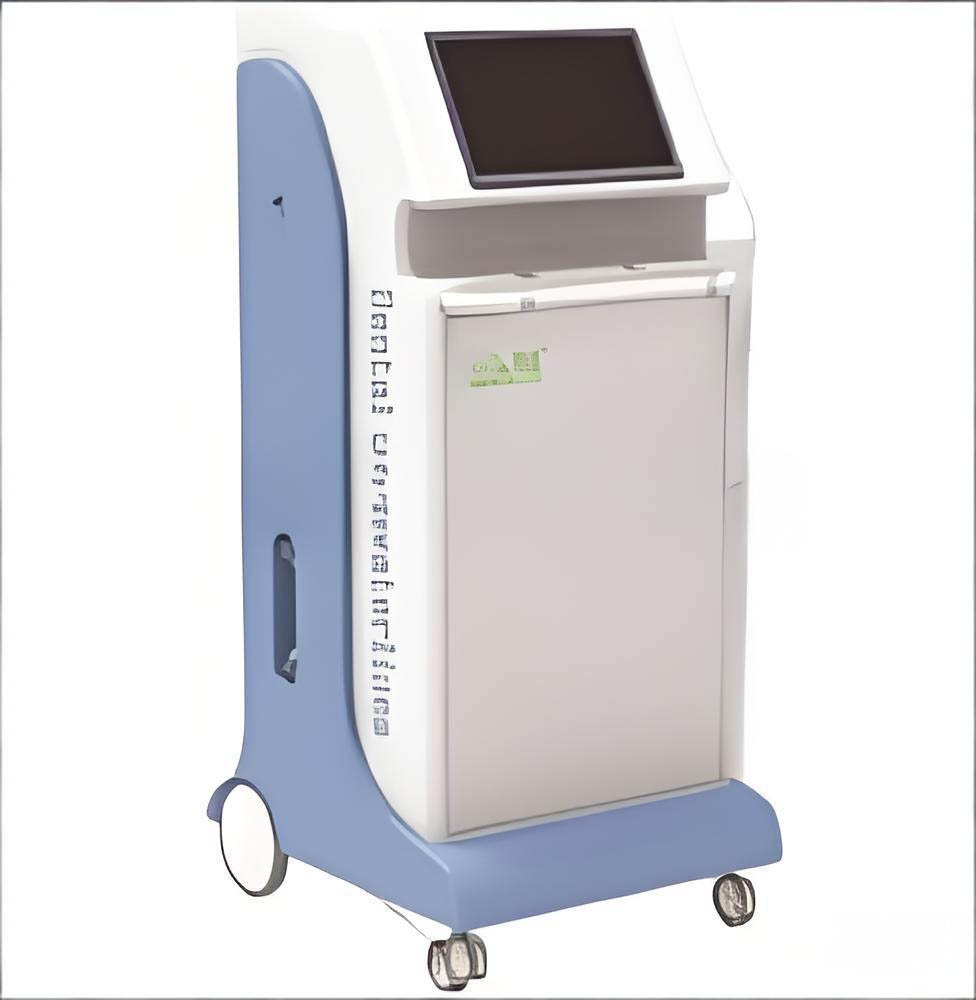
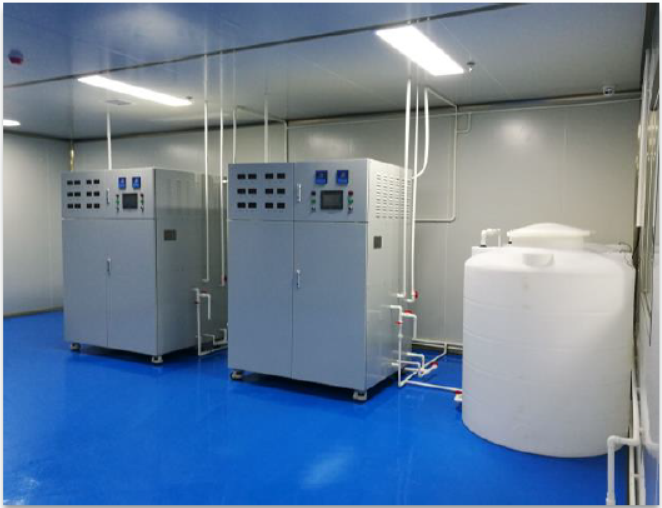
Chlory’s industrial-grade HOCl generators produce fresh, stable HOCl on-site using only salt, water, and electricity. This eliminates the need for storing and transporting hazardous chemicals, reduces operational costs, and ensures a consistent supply of high-quality disinfectant for your production needs.
HOCl Applications & Recommended Concentrations for Cooked Food Production
HOCl offers versatile applications covering the entire cooked food production process, with recommended concentrations tailored to different scenarios for optimal results:
Surface Disinfection (Equipment, Conveyor Belts, Workstations)
Use HOCl at 100-200 ppm to disinfect processing equipment, conveyor belts, and workstations. It effectively eliminates pathogens without damaging equipment or leaving any residues.
Direct Food Contact Sanitization (Cooked Meats, Ready Meals)
Use HOCl at 50-100 ppm via spraying or dipping for cooked meats, ready meals, and prepared foods. It is safe for direct food contact, preserving food quality while ensuring thorough disinfection.
Staff Hand Hygiene
Use HOCl at 30 ppm for hand hygiene of production staff. Its pH is close to that of human skin, avoiding irritation while ensuring staff safety and preventing cross-contamination in the production environment.
| Application Scenario | Recommended Concentration (ppm) | Usage Method | Compliance Standard |
| Surface Disinfection (Equipment, Conveyor Belts) | 100-200 | Spraying, Wiping | EPA (200 ppm max) |
| Direct Food Contact (Cooked Meats, Ready Meals) | 50-100 | Spraying, Dipping | FDA (60 ppm max for direct contact) |
| Staff Hand Hygiene | 30 | Hand Washing, Spraying | Skin-Friendly, Non-Irritating |
HOCl vs Traditional Disinfectants (Bleach, Quats, Ozone)
Compared to traditional disinfectants, HOCl effectively solves the common challenges faced by cooked food producers, with clear advantages in safety, efficacy, and operational convenience:
HOCl vs Bleach (Sodium Hypochlorite)
Unlike bleach, HOCl does not corrode stainless steel equipment or cause off-flavors in cooked foods, and it leaves no harmful residues that require rinsing.
HOCl vs Quaternary Ammonium Compounds (Quats)
Unlike quats, HOCl does not leave sticky residues and does not lose efficacy in the presence of organic matter, ensuring consistent disinfection performance in real production environments.
HOCl vs Ozone
Unlike ozone, HOCl is easy to produce on-demand and does not require complex handling procedures, reducing operational complexity and lowering overall costs for your facility.
| Disinfectant Type | Efficacy | Food Safety | Equipment Impact | Residue | Operational Complexity |
| Hypochlorous Acid (HOCl) | 99.999% pathogen reduction; 80-100x more effective than bleach | Non-toxic, safe for direct food contact; degrades to salt water | Non-corrosive; safe for stainless steel equipment | No harmful residues; no rinsing required | Low (on-site generation, easy to operate) |
| Bleach (Sodium Hypochlorite) | Effective but slower than HOCl | Toxic; not safe for direct food contact | Corrosive to equipment and surfaces | Harmful residues; requires thorough rinsing | Medium (requires hazardous storage and transport) |
| Quaternary Ammonium Compounds (Quats) | Effective but efficacy drops in organic matter | Safe but not ideal for direct food contact | No corrosion to equipment | Leaves sticky residues on surfaces | Medium (standard operation requirements) |
| Ozone | High efficacy in pathogen elimination | Safe but chemically unstable | No corrosion to equipment | No residues left after disinfection | High (complex handling and on-site generation requirements) |
Chlory’s HOCl Disinfection Solutions for Food Producers
At Chlory, we are committed to providing tailored HOCl disinfection solutions for the food industry—helping cooked food manufacturers achieve optimal food safety while minimizing environmental impact.
Industrial-Grade HOCl Generators
Our generators produce fresh, stable HOCl on-site using only salt, water, and electricity, eliminating the risks associated with storing and transporting hazardous chemicals.
Smart Control & HACCP Compliance
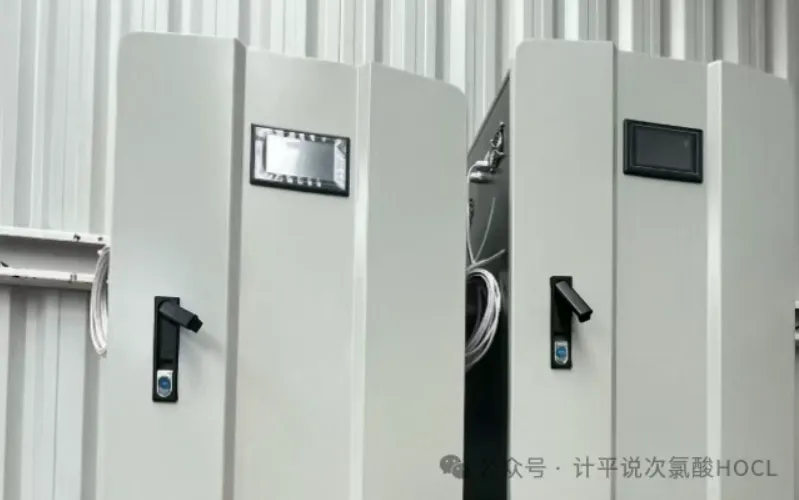
Our HOCl generators are equipped with smart control systems that monitor chlorine concentration in real-time, ensuring precise dosing and full compliance with HACCP management standards.
Tailored Protocols for All Scale Operations
We work closely with cooked food manufacturers to design customized disinfection protocols that fit their specific needs—from small-scale catering operations to large-scale industrial production facilities.
Get Your Customized HOCl Disinfection Solution
In an industry where food safety is non-negotiable, hypochlorous acid stands out as a safe, efficient, and fully compliant disinfection solution for cooked foods. It bridges the gap between powerful pathogen control and food quality preservation, empowering food manufacturers to deliver safe, high-quality products to consumers. Get a customized HOCl disinfection solution today, and let Chlory be your trusted water treatment partner to ensure peace of mind and long-term operational success.