
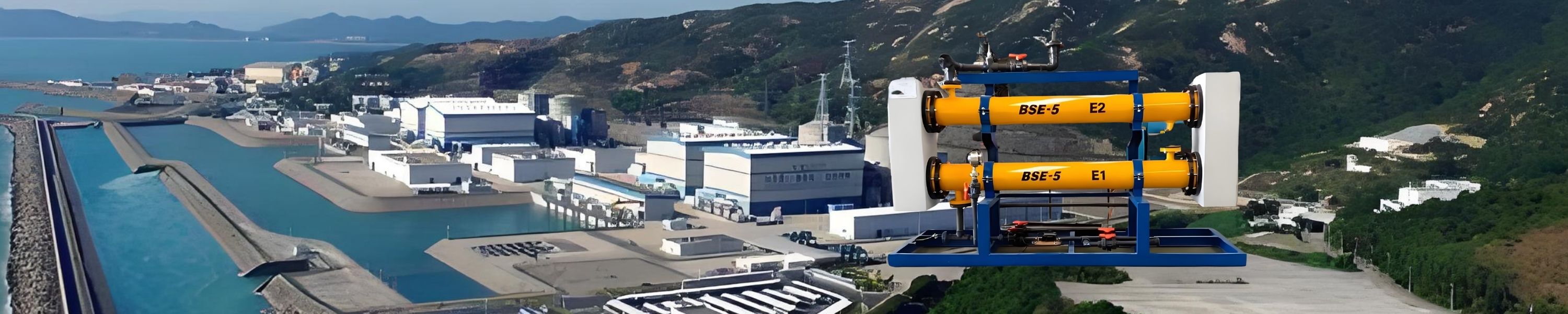
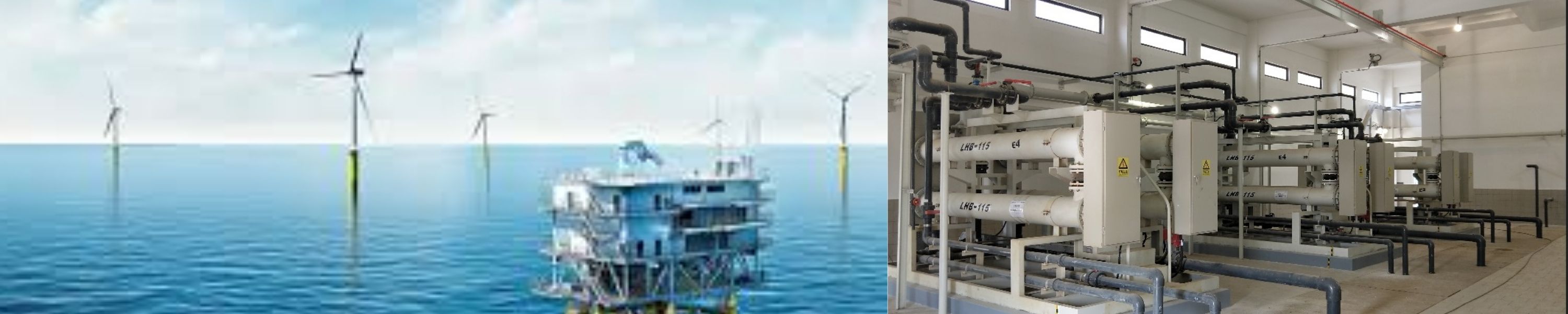
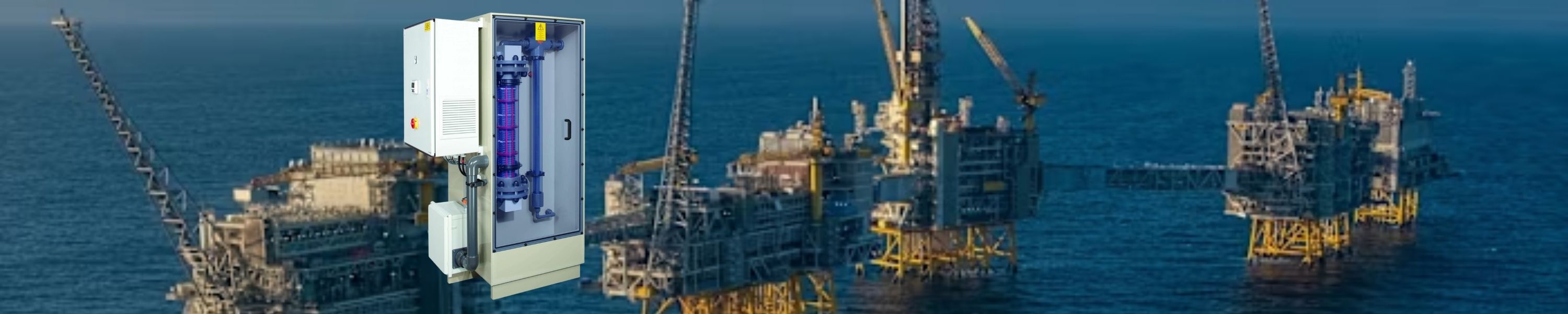
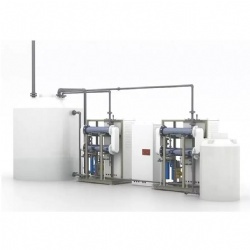
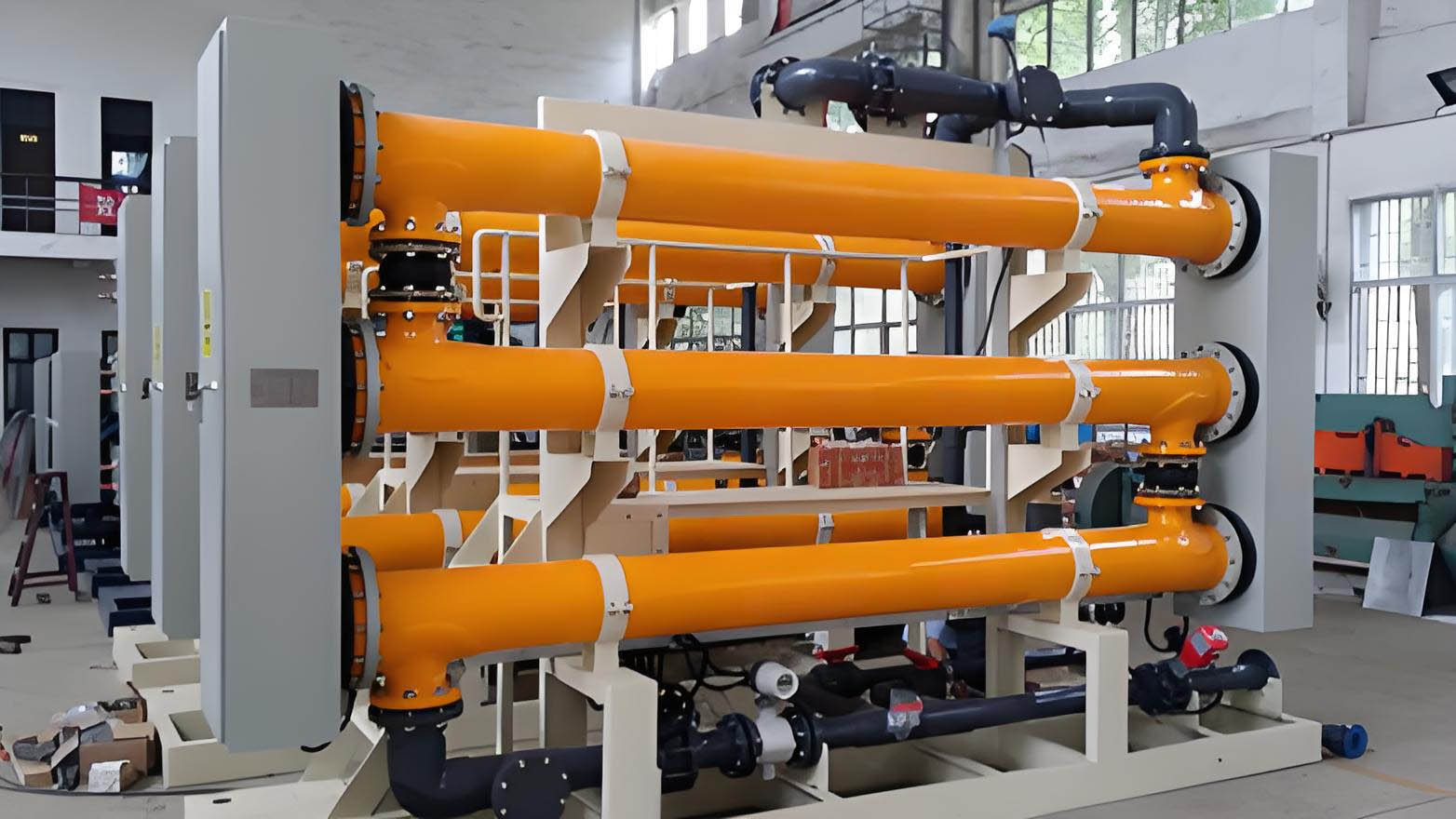
Offshore operations—from oil and gas platforms to wind farms, desalination plants, and marine vessels—rely on effective disinfection to protect equipment, ensure crew safety, and comply with strict environmental regulations. Traditional disinfection methods, such as bulk chemical dosing or chlorine gas, often fall short in the harsh, remote offshore environment, where safety, reliability, and sustainability are non-negotiable. Electrochlorination has emerged as a game-changing solution, offering a suite of benefits tailored to the unique challenges of offshore disinfection. In this guide, we’ll break down the key advantages of electrochlorination for offshore applications, backed by industry expertise and compliance standards to deliver value for both operators and search engines.
1. Enhanced Safety: Eliminating Hazardous Chemical Risks
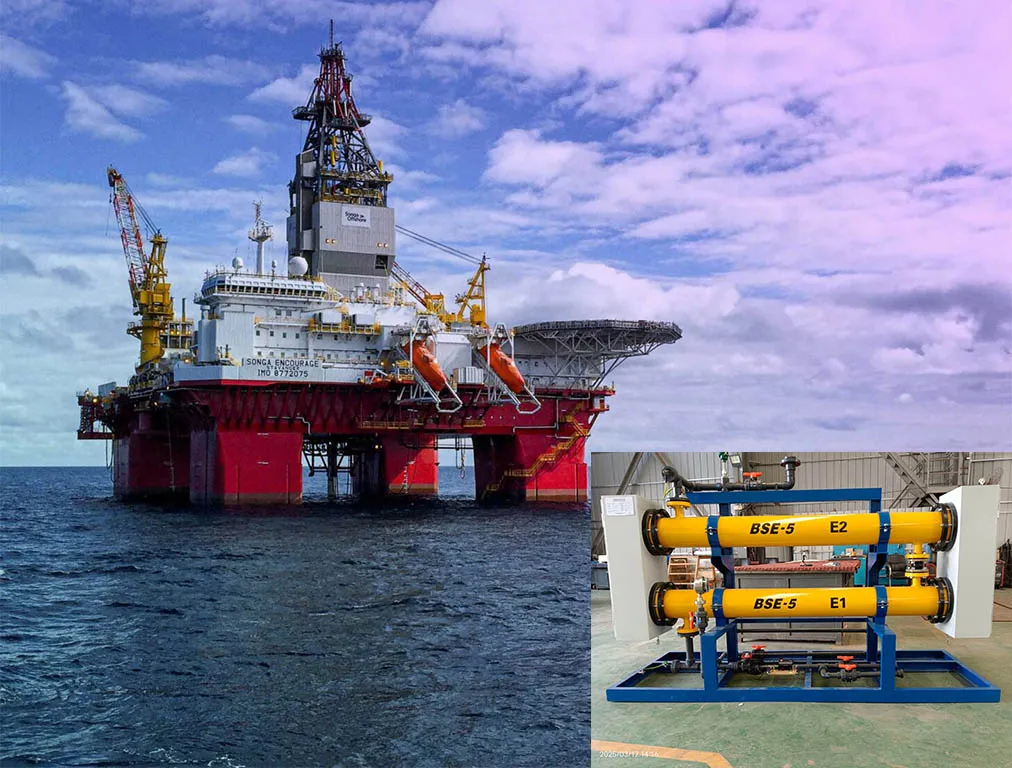
Safety is the top priority in offshore operations, where limited space, harsh weather, and remote locations amplify the risks of accidents. Traditional disinfection methods require storing and transporting hazardous chemicals—such as liquid chlorine or bulk sodium hypochlorite—which pose significant threats to crew safety and the environment. Electrochlorination eliminates these risks by generating disinfectanton-site and on-demandusing only seawater and electricity, two resources already abundant in offshore settings.
Unlike chlorine gas, which is highly toxic and prone to leaks, or bulk hypochlorite, which requires large storage tanks and frequent resupply via service vessels, electrochlorination systems produce a dilute, safe sodium hypochlorite solution (0.1% to 0.2% concentration) that is used immediately after generation. This eliminates the need for hazardous chemical storage, handling, and transportation, reducing the risk of spills, leaks, and crew exposure. For offshore platforms—where space is at a premium and emergency response is challenging—this safety benefit is invaluable, aligning with industry best practices and OSHA guidelines for hazardous material management.
2. Cost Efficiency: Reducing Operational and Maintenance Expenses
Offshore operations face tight budget constraints, and disinfection costs can quickly escalate with traditional methods. Electrochlorination delivers long-term cost savings by minimizing reliance on external chemical suppliers and reducing maintenance requirements. The only consumables needed are seawater (free and readily available) and electricity—eliminating the recurring costs of purchasing, transporting, and storing bulk chemicals.
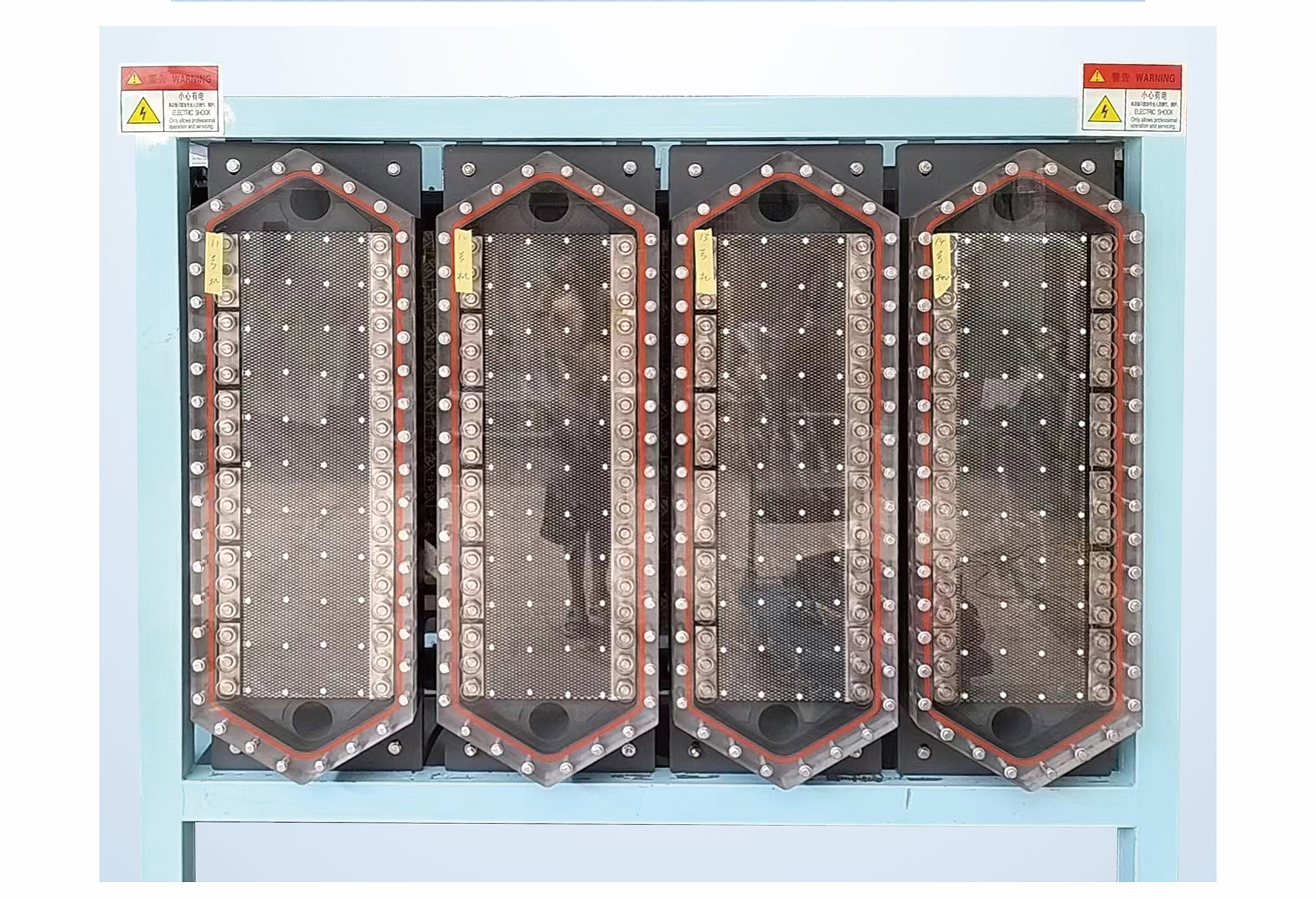
Additionally, modern electrochlorination systems—such as De Nora’s SANILEC® TRP—feature self-cleaning cell technology that eliminates the need for chemical cleaning (e.g., acid washing) and reduces maintenance hours. Unlike conventional electrolyzers that require replacement every 5 years, advanced systems with all-titanium housings can last up to 10 years, further lowering capital expenditure and downtime. Offshore operators also save on labor costs, as electrochlorination systems are fully automated, requiring minimal manual oversight compared to manual chemical dosing.
3. Superior Disinfection Efficacy: Combating Biofouling and Microbial Growth
Biofouling—the accumulation of marine organisms (mussels, barnacles, algae) on equipment surfaces—and microbial growth (e.g., sulfate-reducing bacteria, SRB) are major threats to offshore operations. These issues cause pipe corrosion, reduced flow rates, decreased heat transfer efficiency, and even equipment failure, leading to costly downtime and repairs. Electrochlorination provides consistent, targeted disinfection that effectively prevents biofouling and neutralizes harmful microorganisms.
By generating a steady dose of sodium hypochlorite, electrochlorination systems inject disinfectant directly into critical areas—such as cooling water circuits, ballast water, and intake pipes—stopping biofouling before it starts. The process also targets SRB, which convert sulfate to hydrogen sulfide and cause severe pipe corrosion, a major maintenance issue for offshore platforms. Unlike biological treatment systems, electrochlorination does not require filters, growth media, or bioactive sludge cleaning, ensuring reliable disinfection even in the harshest offshore conditions.
4. Environmental Compliance: Meeting Global Regulations
Offshore operations are subject to strict environmental regulations, including the International Maritime Organization (IMO) Ballast Water Management Convention (BWMC) and regional standards for wastewater discharge. Electrochlorination is fully compliant with these regulations, making it a sustainable choice for offshore disinfection.
The disinfectant generated by electrochlorination (sodium hypochlorite) breaks down into harmless chloride ions and water after use, leaving no harmful residues or byproducts that could harm marine life. This is in stark contrast to traditional chemical disinfection, which can produce toxic byproducts or leave chemical residues that violate environmental standards. Additionally, electrochlorination systems are designed to meet IMO MEPC.227(64) standards for marine wastewater treatment, ensuring compliance for offshore platforms and vessels operating in global waters.
5. Reliability and Durability: Built for Offshore Conditions
Offshore environments are characterized by extreme temperatures, high humidity, saltwater exposure, and limited access to maintenance resources. Electrochlorination systems are engineered to withstand these harsh conditions, with rugged designs that prioritize durability and minimal downtime.
Advanced systems feature corrosion-resistant materials (e.g., titanium electrolyzers) that resist saltwater damage and extend service life. They also operate at low voltage and current density, minimizing calcium deposition and reducing maintenance needs. Unlike traditional disinfection systems, which may fail in extreme weather or require frequent repairs, electrochlorination systems offer consistent performance with minimal downtime—critical for offshore operations where even a small disruption can lead to significant financial losses.
6. Compact and Space-Saving Design: Ideal for Offshore Platforms
Offshore platforms and vessels have limited space, making compact equipment a necessity. Electrochlorination systems are designed with a small footprint and lightweight construction, making them easy to install in tight spaces without compromising performance. Unlike bulk chemical storage tanks, which take up valuable deck space, electrochlorination systems require minimal installation area and can be integrated seamlessly into existing offshore infrastructure.
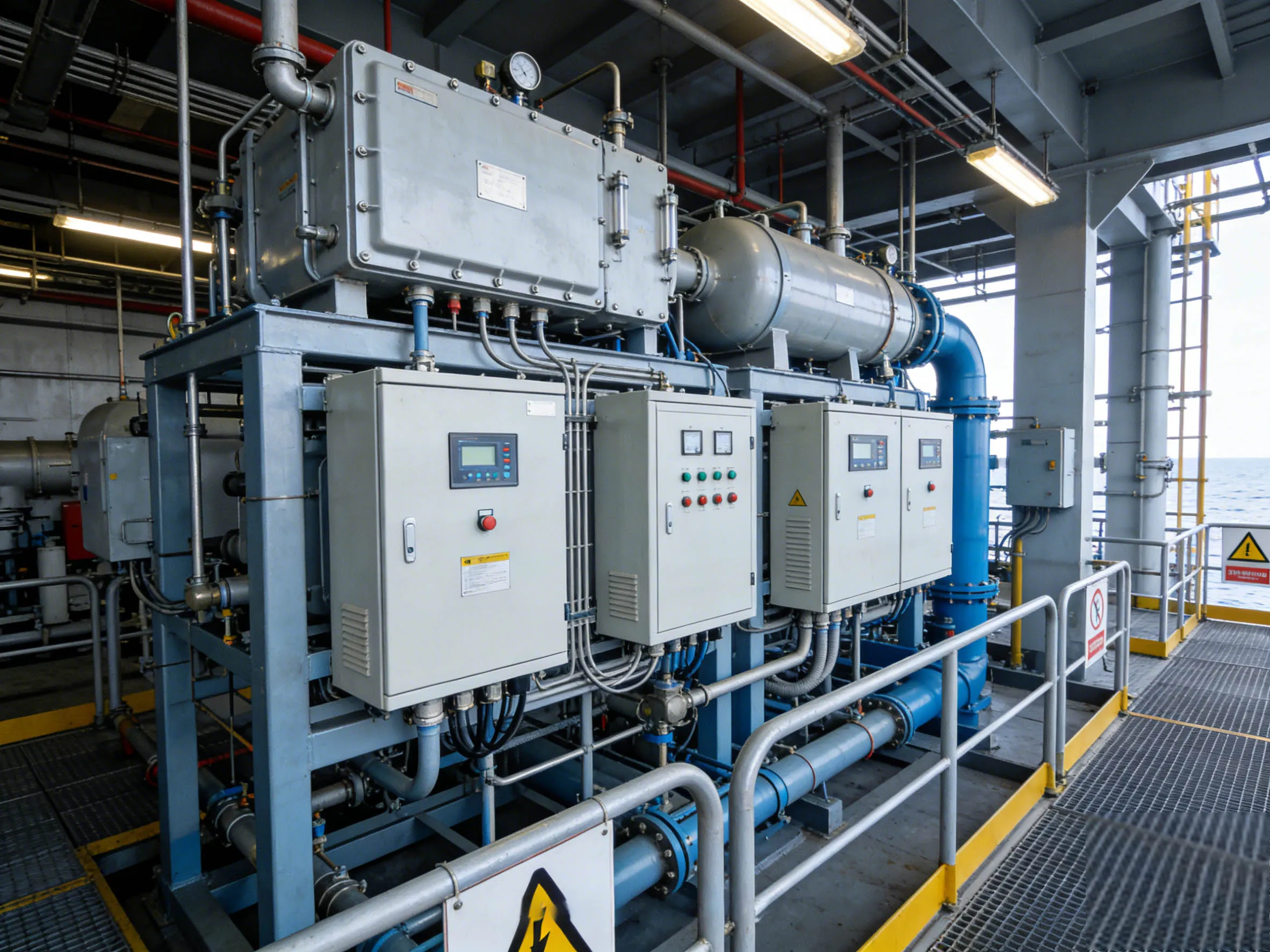
This compact design also reduces installation time and costs, as systems can be prefabricated and installed quickly—critical for offshore projects where time is of the essence. For floating offshore platforms or mobile marine vessels, the lightweight nature of electrochlorination systems further reduces load requirements, enhancing operational efficiency.
Why Electrochlorination Is the Future of Offshore Disinfection
Offshore disinfection demands a solution that is safe, cost-effective, effective, and compliant—and electrochlorination delivers on all fronts. By eliminating hazardous chemical risks, reducing operational costs, combating biofouling, meeting environmental regulations, and withstanding harsh offshore conditions, electrochlorination has become the preferred choice for offshore operators worldwide.
As the offshore industry continues to evolve—with a growing focus on sustainability and safety—electrochlorination will play an increasingly critical role in ensuring reliable, compliant disinfection. Whether for oil and gas platforms, wind farms, desalination plants, or marine vessels, electrochlorination offers a sustainable, long-term solution that aligns with both operational needs and global environmental goals.
FAQs About Electrochlorination for Offshore Disinfection
Is electrochlorination compliant with IMO standards?
Yes, properly designed and certified electrochlorination systems meet the IMO Ballast Water Management Convention (BWMC) D-2 standards and IMO MEPC.227(64) standards for marine wastewater treatment, ensuring compliance for global offshore operations.
How often do electrochlorination systems require maintenance?
Advanced electrochlorination systems with self-cleaning technology require minimal maintenance—typically only routine inspections and electrode checks. Systems with titanium electrolyzers can last up to 10 years, significantly reducing maintenance frequency and costs compared to traditional disinfection methods.
Can electrochlorination be used for both ballast water and cooling water disinfection?
Yes, electrochlorination is versatile and effective for disinfecting ballast water, cooling water circuits, intake pipes, and wastewater on offshore platforms and vessels. Its ability to generate disinfectant on-demand makes it suitable for multiple offshore disinfection applications.