


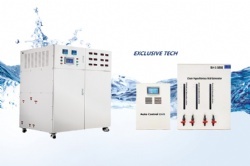
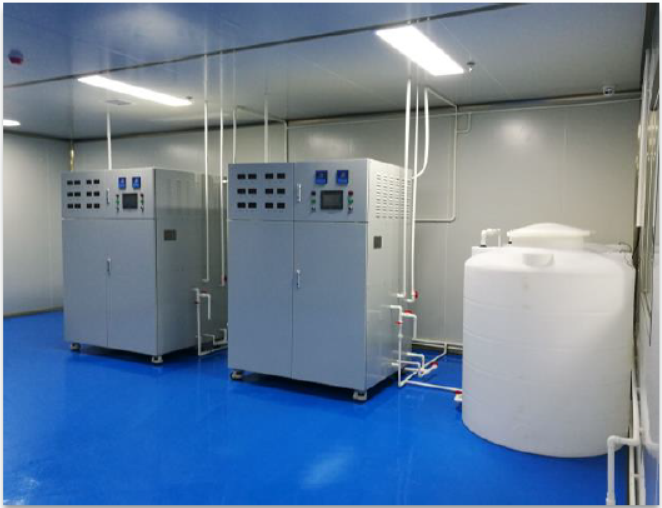
Meat processing is a water-intensive industry that faces unique challenges in maintaining food safety, operational efficiency, and environmental compliance. From slaughtering and cutting to packaging, every stage involves exposure to water, organic matter, and potential pathogens—making effective disinfection non-negotiable. Among all disinfection solutions, hypochlorous acid (HOCl) generators have emerged as the gold standard for modern meat processing facilities. But why are they indispensable? Let’s break down the critical reasons that make hypochlorous acid generators a must-have for meat processors worldwide.
1. Unmatched Sanitization to Safeguard Food Safety
Food safety is the cornerstone of the meat processing industry. Pathogens such as Salmonella, E. coli O157:H7, and Listeria monocytogenes are prevalent in raw meat, and even minor lapses in disinfection can lead to foodborne illnesses, product recalls, and irreversible damage to brand reputation. Hypochlorous acid, the active ingredient produced by these generators, is a naturally occurring molecule that mimics the human immune system’s ability to kill harmful bacteria—making it highly effective yet gentle.
Unlike traditional disinfectants like sodium hypochlorite (bleach) or ozone, hypochlorous acid has a neutral charge, allowing it to easily penetrate bacterial cell walls and destroy pathogens in seconds. At concentrations between 20–60 ppm (parts per million), it achieves a 6-log reduction in harmful bacteria within minutes, far exceeding the sanitization requirements of meat processing standards. Importantly, it leaves no harmful residues—after reacting with organic matter, it breaks down into water and salt, ensuring no chemical taint on meat products or equipment.
2. Compliance with Global Food Safety Standards
Meat processors operate under strict regulatory scrutiny, with mandatory standards from organizations like the U.S. FDA, USDA FSIS, EU Food Hygiene Regulations (852/2004), and China’s GB 19303-2023 and GB 28234-2020. Hypochlorous acid generators are fully compliant with these standards, as HOCl is approved as a “no-rinse” disinfectant for direct contact with meat, poultry, and seafood by the U.S. FDA (FCN 1811) and recognized as a food additive-grade bactericide by Japan’s Ministry of Health, Labour and Welfare.
For meat processors exporting products globally, using hypochlorous acid generators ensures compliance with international hygiene requirements, eliminating barriers to market access. It also simplifies record-keeping and audits, as the on-site generation of HOCl allows for precise control of concentration, ensuring consistent adherence to safety standards.
3. Cost-Efficiency and Operational Convenience
Traditional disinfection methods—such as purchasing and storing concentrated sodium hypochlorite or ozone systems—come with hidden costs and logistical headaches. Concentrated chemicals are classified as hazardous materials, requiring special storage, transportation, and handling procedures to avoid spills, injuries, or environmental harm. Ozone systems, meanwhile, are unstable (with a half-life of just 20–30 minutes) and require complex maintenance to ensure consistent performance.
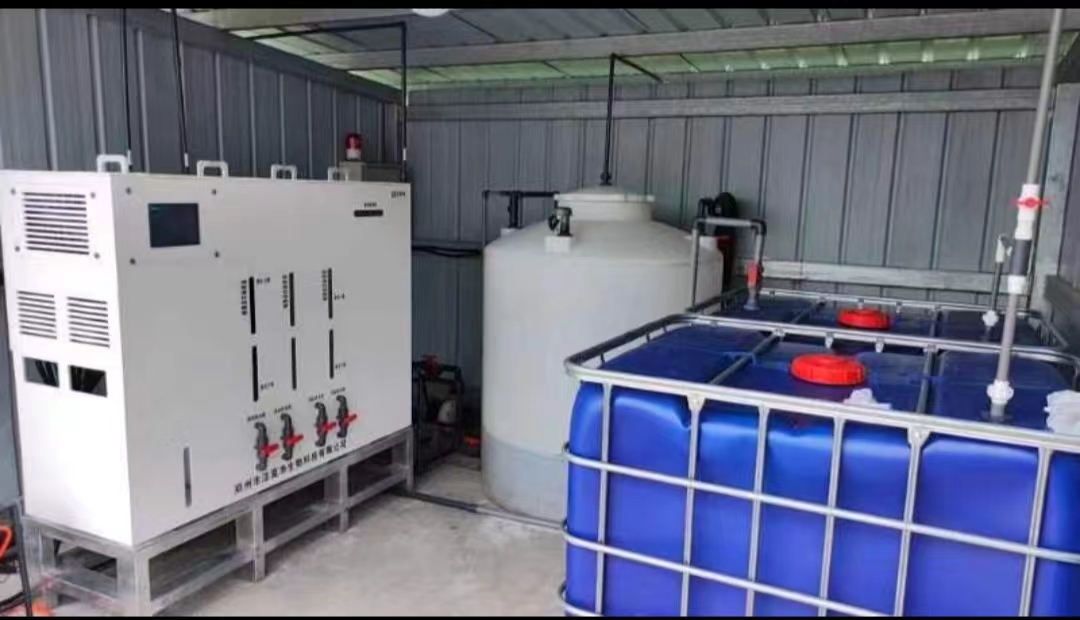
Hypochlorous acid generators eliminate these issues by producing HOCl on-site using only three basic ingredients: water, food-grade salt, and electricity. There’s no need to store or transport hazardous chemicals, reducing logistics costs and safety risks. Additionally, the generators are low-maintenance, with intelligent concentration monitoring systems that ensure stable output—saving time and labor for plant operators. Over time, this translates to significant cost savings, especially when compared to the expenses associated with chemical purchases, waste disposal, and accident prevention.
4. Gentle on Equipment, Environment, and Employees
Meat processing facilities rely on expensive stainless steel equipment, conveyor belts, and cutting tools—all of which can be corroded by harsh disinfectants like sodium hypochlorite (a strong base) or ozone (a powerful oxidizer). Hypochlorous acid, by contrast, has a near-neutral pH (5.0–6.5), making it non-corrosive to stainless steel and other common processing materials. This extends the lifespan of equipment, reducing replacement and maintenance costs over time.
From an environmental perspective, hypochlorous acid is eco-friendly. It does not produce harmful byproducts like trihalomethanes (THMs)—a carcinogen associated with traditional chlorine-based disinfectants—or leave toxic residues in wastewater. This aligns with the global trend toward green manufacturing and helps meat processors reduce their environmental footprint, while also simplifying wastewater treatment by avoiding chemical contamination.
For employees, HOCl is a game-changer. Unlike ozone or concentrated chlorine, it has a faint odor and no irritating effects on the skin, eyes, or respiratory system—creating a safer, more comfortable working environment. This reduces the risk of workplace injuries and improves employee satisfaction, a critical factor in the labor-intensive meat processing industry.
5. Versatile Applications Across the Entire Processing Line
Hypochlorous acid generators are not one-trick ponies—they can be used throughout the entire meat processing workflow, making them a versatile solution for every hygiene need:
- Carcass Cleaning: Spraying or soaking animal carcasses with 20–50 ppm HOCl to kill surface pathogens without altering meat color or flavor.
- Equipment Sanitization: Cleaning cutting tables, knives, hooks, and conveyor belts with 50–200 ppm HOCl to remove biofilms and prevent cross-contamination.
- Processing Water and Ice: Adding 5–10 ppm HOCl to pre-cooling tanks or ice to inhibit bacterial growth during cold storage and transportation.
- Employee Hygiene: Using 10–30 ppm HOCl for hand and boot disinfection, a gentler alternative to alcohol or high-concentration chlorine solutions.
- Space Disinfection: Fogging 50–100 ppm HOCl in processing areas during non-operating hours to eliminate airborne pathogens and sanitize hard-to-reach corners.
The Bottom Line: A Necessity, Not an Option
For meat processing plants, hypochlorous acid generators are more than just a disinfection tool—they are a strategic investment in food safety, regulatory compliance, operational efficiency, and sustainability. By replacing traditional, high-risk disinfectants with on-site HOCl generation, processors can protect their brand, reduce costs, and create a safer environment for employees and consumers alike.
We specialize in designing and supplying high-performance hypochlorous acid generators tailored to the unique needs of meat processing facilities. Our solutions are engineered to deliver consistent, food-grade sanitization while minimizing environmental impact and operational costs. Contact us today to learn how our hypochlorous acid generators can elevate your meat processing hygiene standards.