
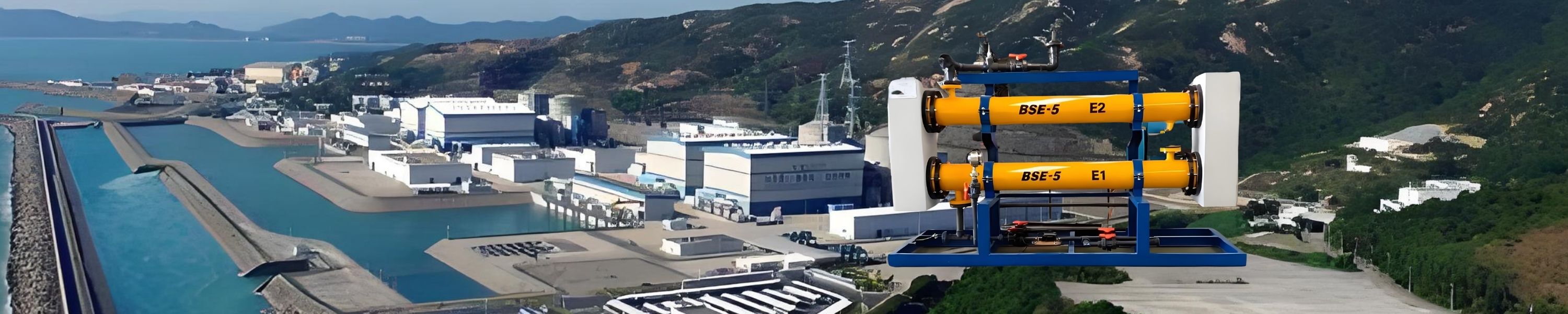
Coastal aquaculture is a vital pillar of global food security, supporting communities, economies, and sustainable seafood production worldwide. Yet, one of the most persistent challenges facing aquaculture operators is maintaining optimal water quality—specifically, eliminating harmful pathogens, controlling inorganic nitrogen levels, and ensuring a safe environment for fish, shrimp, and other marine species to thrive. Traditional water sterilization methods, such as chemical disinfectants or UV treatment, often come with tradeoffs: chemical residues can harm aquatic life and compromise seafood safety, while UV systems require high energy input and frequent maintenance. Enter seawater electrolysis: a game-changing, eco-friendly solution that delivers safe, efficient, and cost-effective water sterilization tailored to the unique needs of coastal aquaculture.
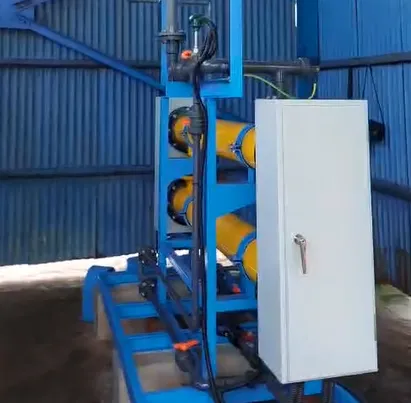
At its core
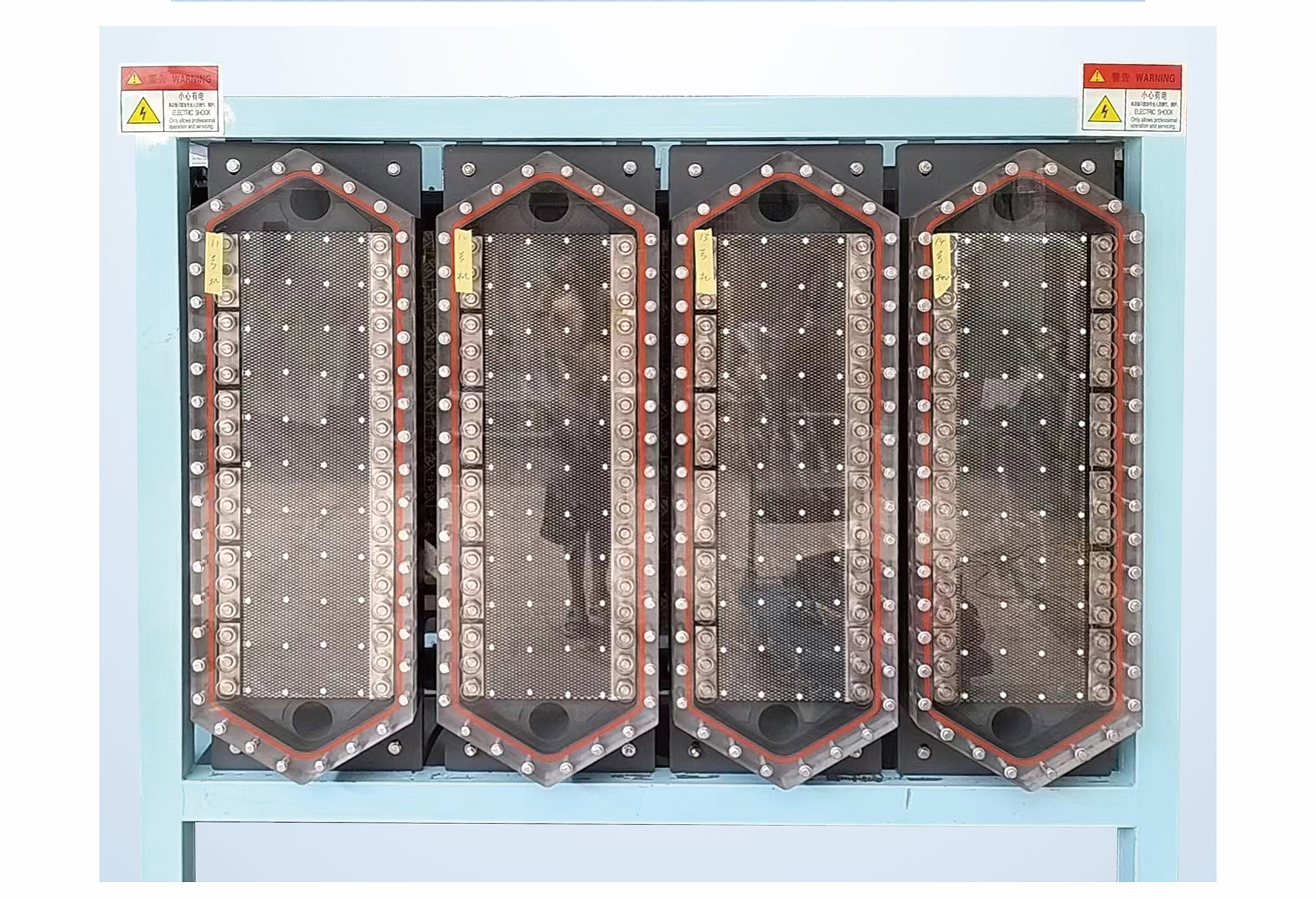
Seawater electrolysis leverages the natural composition of seawater—rich in chloride ions—to generate powerful, non-toxic disinfectants on-site. The process is straightforward yet highly effective: an electric current is passed through seawater in an electrolyzer, triggering a series of electrochemical reactions that oxidize chloride ions (Cl⁻) at the anode to form chlorine gas (Cl₂). This chlorine then dissolves in water to produce hypochlorous acid (HClO) and hypochlorite ions (ClO⁻)—the active disinfecting agents that effectively inactivate bacteria, viruses, and parasites, including Vibrio species that pose significant risks to shrimp and fish populations. Unlike traditional chemical treatments that require transporting and storing hazardous substances, seawater electrolysis generates disinfectants on demand, eliminating the risk of spills, over-dosing, and chemical waste.
Safety is paramount in aquaculture, and seawater electrolysis excels in this critical area. Research has shown that when operated within normal parameters, electrolyzed seawater produces minimal byproducts—such as bromoform—and these byproducts are present at levels far below international drinking water standards, posing no mutagenic risks or harm to aquatic organisms. The disinfectants generated are short-lived, breaking down naturally in the water without leaving harmful residues that could accumulate in fish or shrimp tissues. This not only protects the health of the cultivated species but also ensures that the final seafood product is safe for human consumption, aligning with global consumer demands for chemical-free, sustainable food sources.
Efficiency is another key advantage of seawater electrolysis, making it a practical choice for both small-scale operations and large, intensive aquaculture facilities. Unlike UV systems that require clear water to be effective or chemical treatments that demand precise dosing and monitoring, seawater electrolysis operates efficiently even in turbid or high-salinity water—conditions common in coastal aquaculture settings. Recent pilot studies have demonstrated its remarkable performance: a 50-liter electrochemical batch reactor eliminated inorganic nitrogen and Vibrio in shrimp farm seawater (with initial ammonia concentrations of 1.2–4.0 mg/L) in just 5 minutes, while maintaining water quality suitable for continuous cultivation. Additionally, advances in system design—such as intermittent electrolysis and air stripping—have addressed the once-limiting factors of energy cost and residual chlorine, optimizing the process to balance disinfection, nitrogen removal, and energy efficiency.
Beyond safety and efficiency, seawater electrolysis offers significant environmental and economic benefits for coastal aquaculture. By utilizing seawater—a readily available, low-cost resource—operators eliminate the need to purchase, transport, and store chemical disinfectants, reducing both operational costs and carbon footprints. The process also supports circular aquaculture practices: excess electrolysis byproducts can be repurposed to promote the growth of beneficial microalgae, which in turn feed shellfish and fish, creating a more sustainable, closed-loop system. For offshore and recirculating aquaculture systems, seawater electrolysis proves particularly valuable: it enables efficient water recirculation, reducing the need for fresh seawater intake and minimizing the discharge of untreated wastewater—aligning with increasingly strict environmental regulations for coastal operations.
As the aquaculture industry continues to grow and evolve, the demand for sustainable, safe, and efficient water treatment solutions will only increase. Seawater electrolysis stands out as a versatile technology that addresses the unique challenges of coastal aquaculture, from pathogen control to nitrogen management, while supporting environmental stewardship and economic viability. Whether used in shrimp farms, fish hatcheries, or seahorse cultivation—where water quality requirements are particularly stringent—this technology delivers consistent, reliable results that protect aquatic life, ensure seafood safety, and drive long-term profitability.
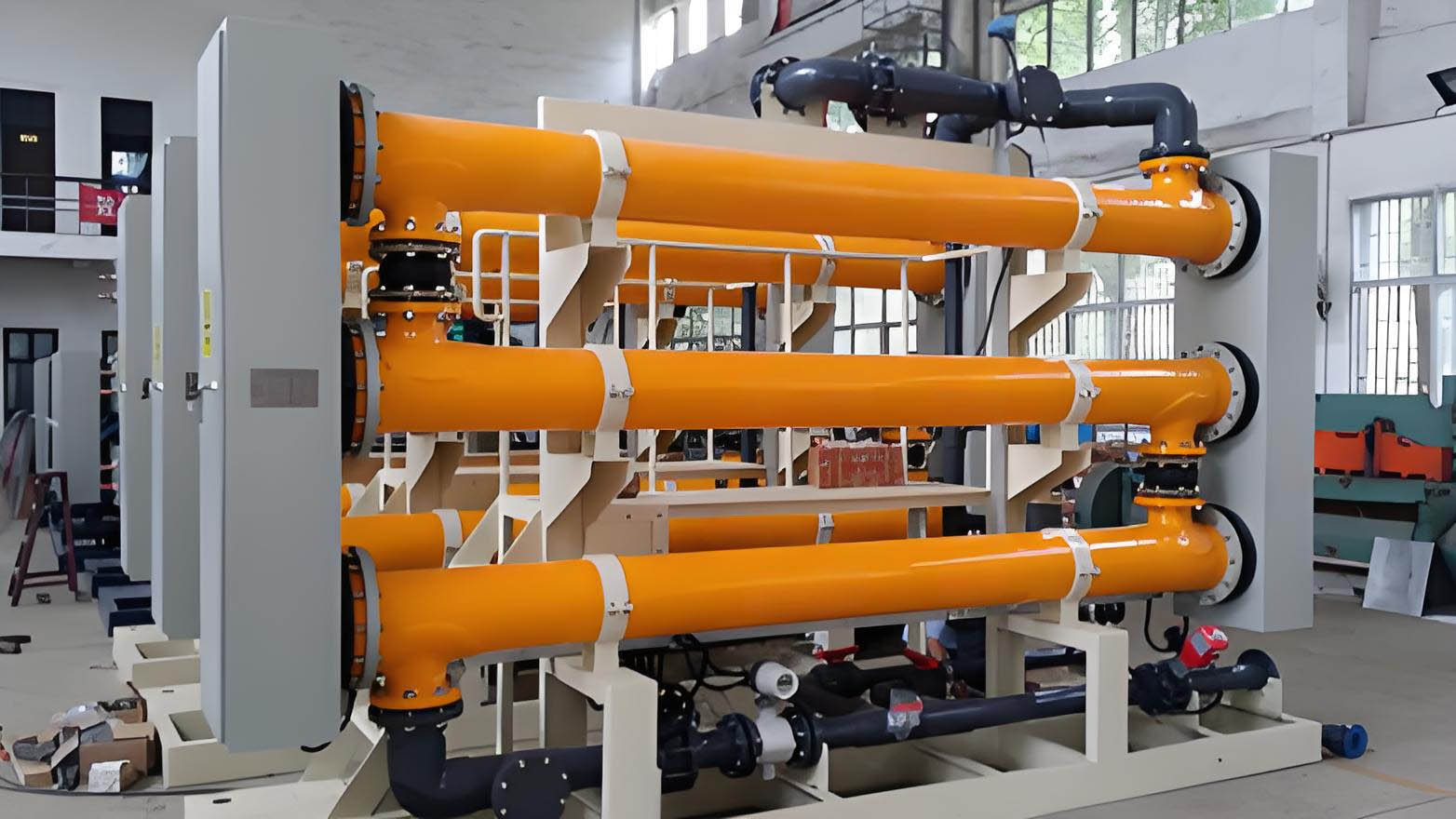
We specialize in designing and implementing customized seawater electrolysis systems for coastal aquaculture operators. Our solutions are engineered to meet the specific needs of your operation, leveraging cutting-edge technology to deliver safe, efficient, and eco-friendly water sterilization. By partnering with us, you can enhance the health of your aquatic stock, reduce operational costs, and demonstrate your commitment to sustainable aquaculture practices.