


In food manufacturing, where a single microbial breach can trigger product recalls, production halts, and reputational damage, choosing the right sanitizer is non-negotiable. Two oxidizing agents dominate the conversation: chlorine dioxide (ClO₂) and hypochlorous acid (HOCl). Both are FDA-listed and WHO-endorsed for food safety, but their real-world performance, safety profiles, and operational fit differ drastically.
This article cuts through the marketing noise to compare ClO₂ and HOCl across six critical dimensions—helping you select the “ultimate” solution for your food plant’s unique workflow, regulatory demands, and hygiene goals.
Core Sanitization Mechanisms: Oxidation vs. Intracellular Destruction
The battle begins at the molecular level, where their modes of action set the stage for efficacy and safety.
Chlorine Dioxide (ClO₂)
A selective oxidizer with a +4 oxidation state, ClO₂ disrupts microbial cells by targeting sulfur-containing amino acids and inhibiting protein synthesis. It excels at penetrating biofilms and killing spores, fungi, and viruses—even in cold storage (4°C) environments. However, it is pH-sensitive and requires precise dosing to avoid byproduct formation.
Hypochlorous Acid (HOCl)
A microbicidal molecule mimicking human white blood cell defense, HOCl is electrically neutral and ultra-small, allowing it to diffuse directly through microbial cell membranes. It rapidly denatures intracellular enzymes and DNA, achieving 99.999% kill rates in seconds—faster than ClO₂ at equivalent free chlorine concentrations. At a mild pH of 5.0–6.5, it remains stable in cold conditions and leaves no toxic residues, breaking down into water and chloride ions.
| Sanitizer | Mechanism | Kill Speed | Biofilm Penetration | Sporicidal Efficacy |
|---|---|---|---|---|
| ClO₂ | Oxidation of cell proteins | Moderate (minutes) | Excellent | High |
| HOCl | Intracellular disruption | Instant (seconds) | Very Good | Good (dose-dependent) |
Efficacy in Real-World Food Plant Scenarios
Food plants demand sanitizers that perform consistently across raw material washing, equipment CIP, environmental fogging, and worker hygiene. Here’s how ClO₂ and HOCl stack up:
1. Raw Produce & Meat Washing
- ClO₂: Ideal for high-contamination loads (e.g., leafy greens, seafood). It reduces pathogens like Listeria and Salmonella by 5–8 log CFU without forming trihalomethanes (THMs). However, it may leave chlorite/chlorate residues, requiring rinsing to avoid off-flavors.
- HOCl: The gold standard for “no-rinse” applications. FDA FCN 1811 approves it for direct food contact, making it perfect for fresh-cut produce, poultry, and ready-to-eat (RTE) products. It degrades pesticides and extends shelf life by 2–3 days without altering taste or texture.
2. Equipment & CIP Sanitization
- ClO₂: Effective for stainless steel pipelines and tanks but requires post-sanitization rinsing to remove residues that corrode gaskets over time.
- HOCl: Non-corrosive to stainless steel, rubber, and plastics—critical for protecting expensive processing equipment. It integrates seamlessly into CIP cycles, eliminating rinse steps and reducing water consumption by 30–50%.
3. Environmental & Occupied-Space Sanitation
- ClO₂: Gaseous ClO₂ is banned in occupied areas due to toxic fume risks; liquid applications require worker evacuation.
- HOCl: Enables “human-machine coexistence.” Diluted (20–50 ppm) HOCl can be fogged continuously while staff work, sanitizing air and surfaces without irritating skin, eyes, or lungs.
4. Worker Hygiene
- ClO₂: Too harsh for hand sanitization; requires full PPE (gloves, goggles, respirators) for handling.
- HOCl: Mild enough for food handler handwashing and glove sanitization (40–80 ppm), reducing cross-contamination without drying skin.
Safety & Regulatory Compliance: A Make-or-Break Factor
Chlorine Dioxide (ClO₂)
- Risks: High concentrations are explosive; gas leaks can cause respiratory burns. EU sets chlorate MRLs (0.01 mg/kg) for fresh produce, requiring rigorous rinsing.
- Compliance Burden: Classified as a hazardous material, requiring specialized training, PPE, and emergency response plans.
Hypochlorous Acid (HOCl)
- Risks: Virtually zero. No explosive potential; low-concentration solutions (≤200 ppm) are non-irritating and non-toxic.
- Compliance Edge: Approved as a no-rinse sanitizer in the U.S., EU, and Japan. It breaks down into water, so no residue testing is needed for food contact surfaces.
Operational Efficiency & Cost
For food plants, “ultimate” means cost-effective and easy to integrate. On-site generation (OSG) is the norm for both, but their operational demands differ:
| Factor | ClO₂ (On-Site Generation) | HOCl (On-Site Generation) |
|---|---|---|
| Feedstock | Chemical precursors (sodium chlorite, acid) | Salt + water (no harsh chemicals) |
| Maintenance | High (precise mixing, corrosion control) | Low (self-cleaning electrolytic cells) |
| Water Usage | High (post-sanitization rinsing required) | Low (no-rinse; reduces water waste) |
| Labor Costs | High (PPE, training, evacuation protocols) | Low (no PPE needed for dilute solutions) |
| Total Cost of Ownership | Moderate to high | Low (lower chemical, water, and labor costs) |
When to Choose ClO₂ Over HOCl (and Vice Versa)
There is no one-size-fits-all—but these guidelines will align your choice with your plant’s needs:
Choose Chlorine Dioxide (ClO₂) If:
- You process high-spore ingredients (e.g., dairy, canned foods) requiring sporicidal efficacy.
- You need to disinfect large water volumes (e.g., process water, wastewater) with high organic load.
- You have existing ClO₂ infrastructure and trained staff to manage hazardous materials.
Choose Hypochlorous Acid (HOCl) If:
- You produce RTE foods, fresh produce, or poultry (no-rinse requirement is critical).
- You prioritize worker safety and want to eliminate PPE and evacuation protocols.
- You aim to reduce operational costs (water, labor, chemical waste) and improve sustainability.
- You need 24/7 occupied-space sanitation (e.g., bakeries, packaging lines).
The Verdict: HOCl Is the “Ultimate” Solution for Modern Food Plants
While ClO₂ remains a valid tool for specific high-hazard scenarios, HOCl emerges as the ultimate sanitization solution for most food manufacturing facilities. Its unbeatable combination of instant efficacy, no-rinse safety, non-corrosivity, and low operational cost aligns with the demands of modern food safety—including traceability, sustainability, and worker well-being.
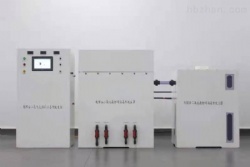
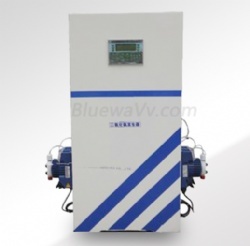
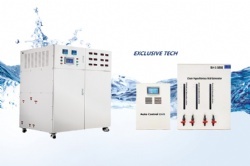
For food plants looking to future-proof their hygiene programs, HOCl on-site generators deliver consistent, regulatory-compliant sanitization across the entire production chain. And for facilities with niche sporicidal needs? A hybrid approach—using ClO₂ for CIP pre-treatment and HOCl for final surface and food contact sanitization—may be the optimal middle ground.
At Chlory, we specialize in custom HOCl and ClO₂ on-site generation systems tailored to food plant workflows. Contact our team today to audit your facility and design a sanitization solution that balances efficacy, safety, and cost.