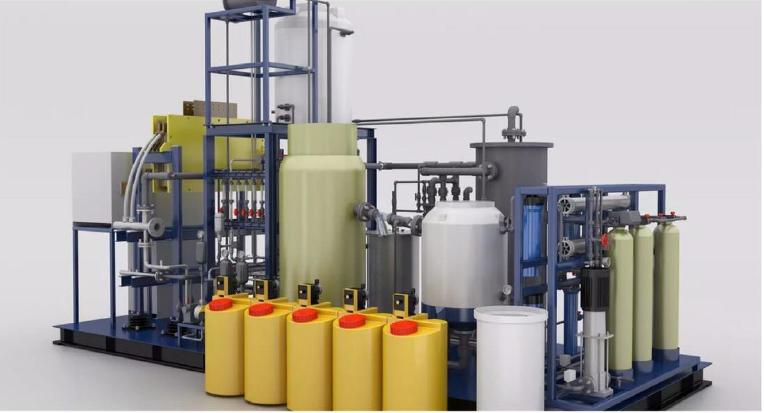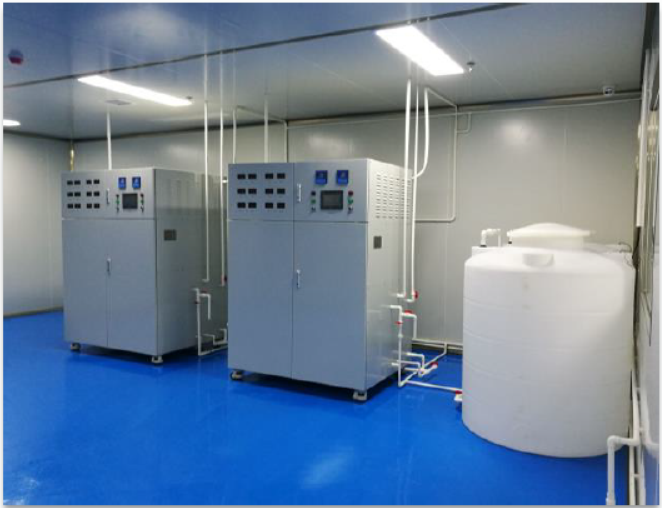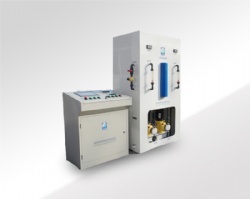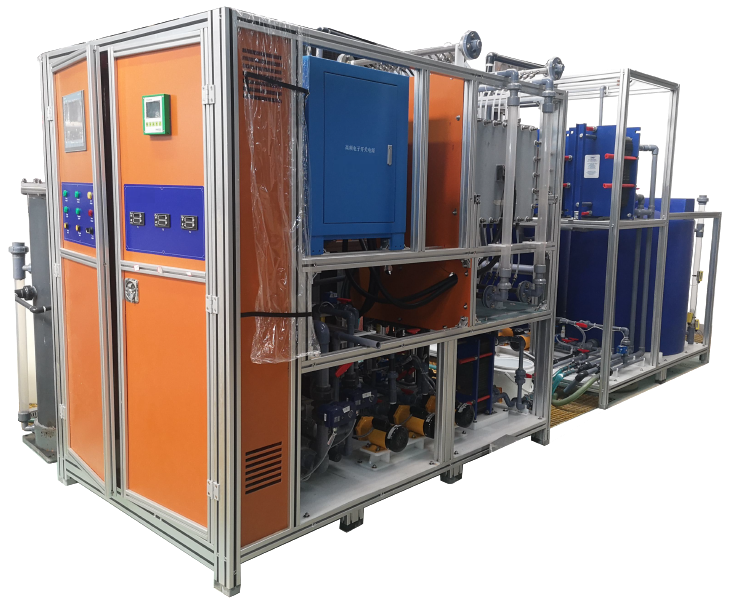
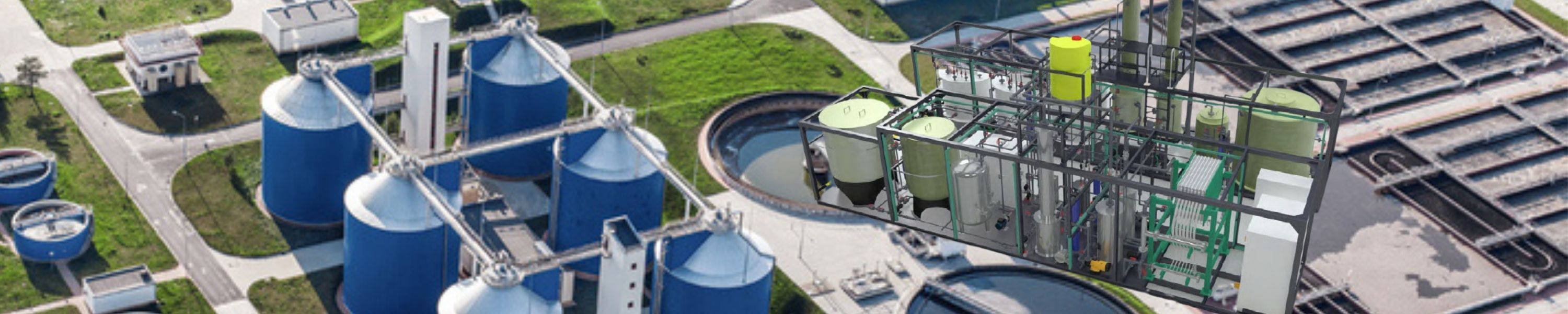
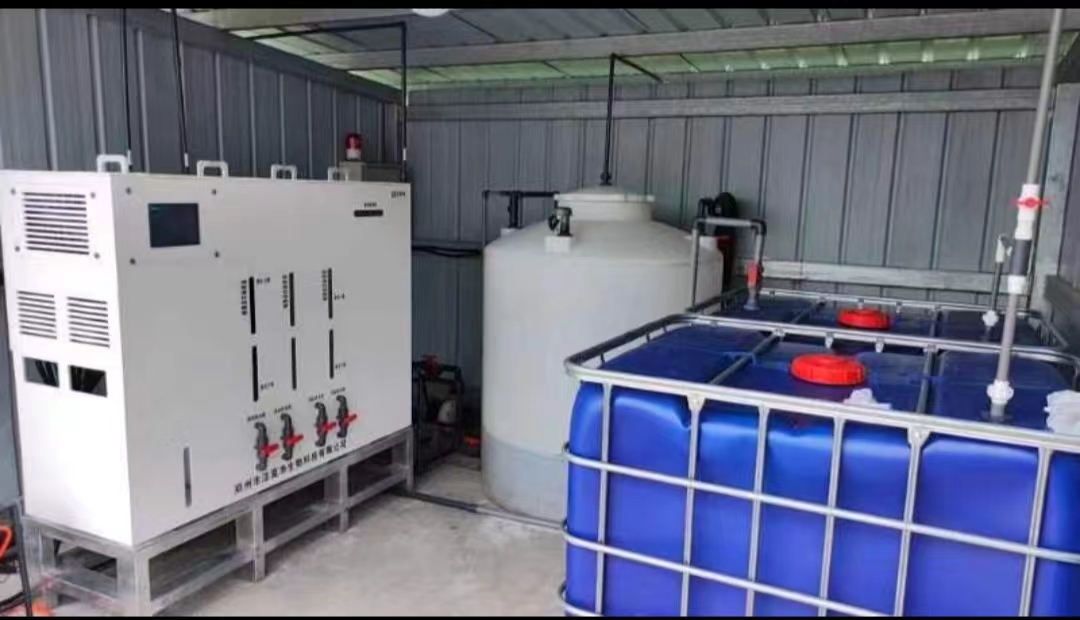
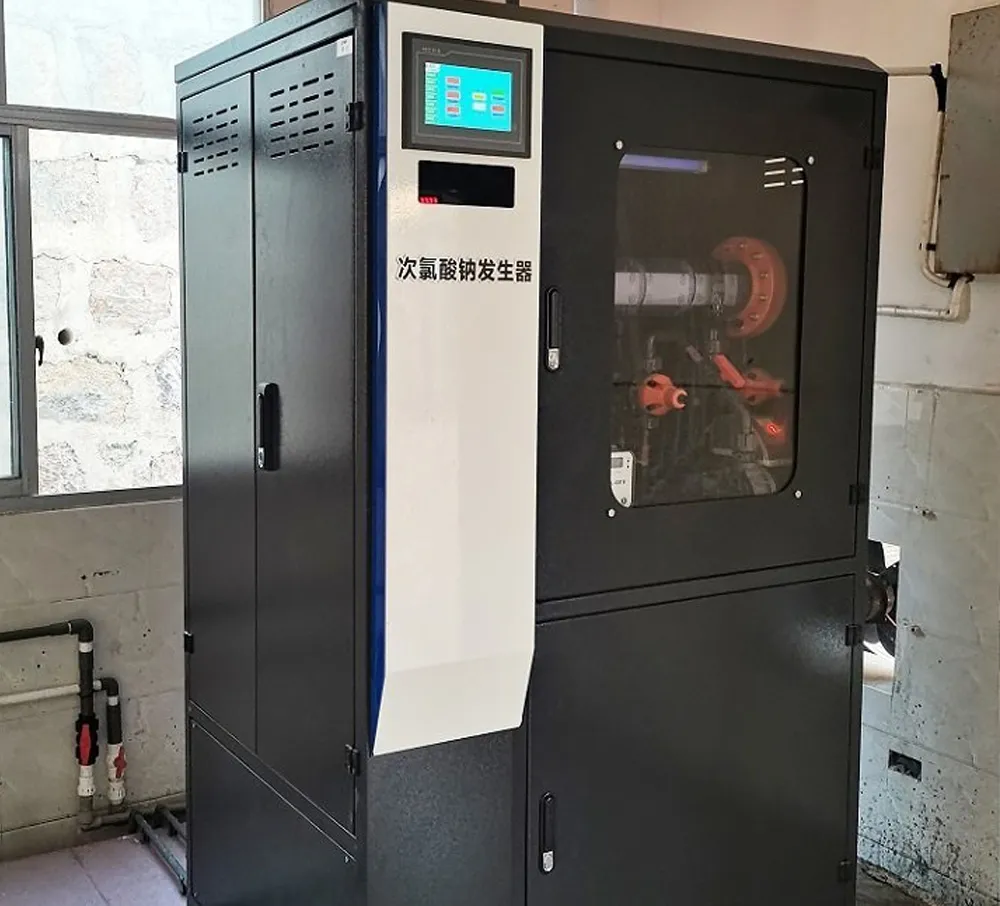
High-concentration Strong sodium hypochlorite plant system has many derivatives, the main products are chlorine and sodium hydroxide, which can be derived to produce HCl, NaOH, NaClO, NaClO2, NaClO3 and other basic chemicals and pharmaceutical intermediates.The high-concentration 5% 8% 10% 12% 13% 15% sodium hypochlorite generator Economic Indicators Salt consumption: 1.9kg/ Kg.Cl2 Electricity consumption: 2.8kw.H / Kg.Cl2 Raw material Input salt, water, electricity Output product Sodium Hypoch
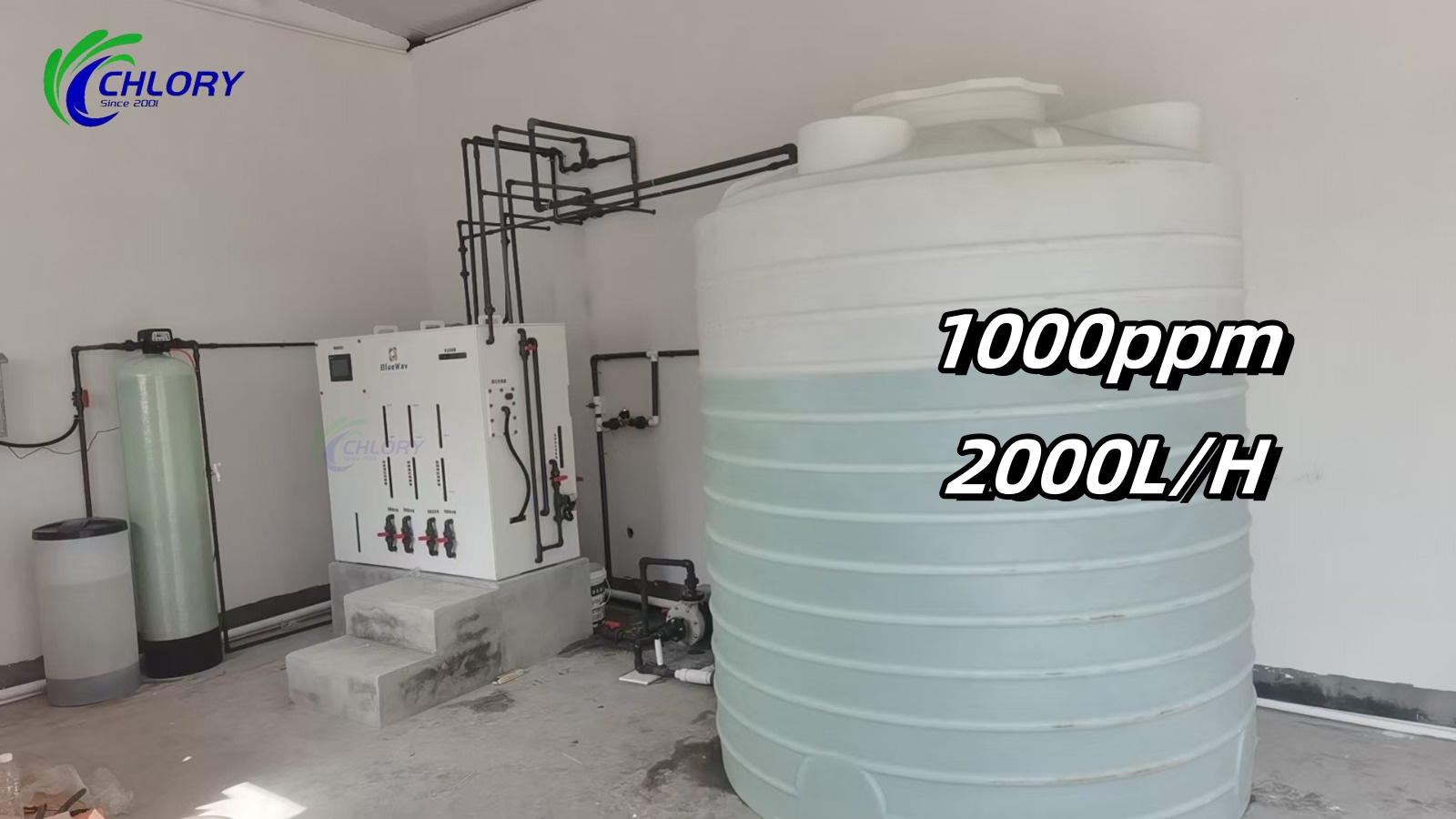
Chlory small sodium hypochlorite generator adopts electrolysis technology of 2.5%-3.0% brine to produce 0.8% NaClO disinfectant on site, which fundamentally solves the problems of high safety risk, concentration attenuation and high transportation cost of traditional finished disinfectants. The equipment is skid-mounted integrated design, with chlorine production capacity of 100-800g/H, which can realize disinfection treatment of up to 19,200t of groundwater per day. It only needs water, electr
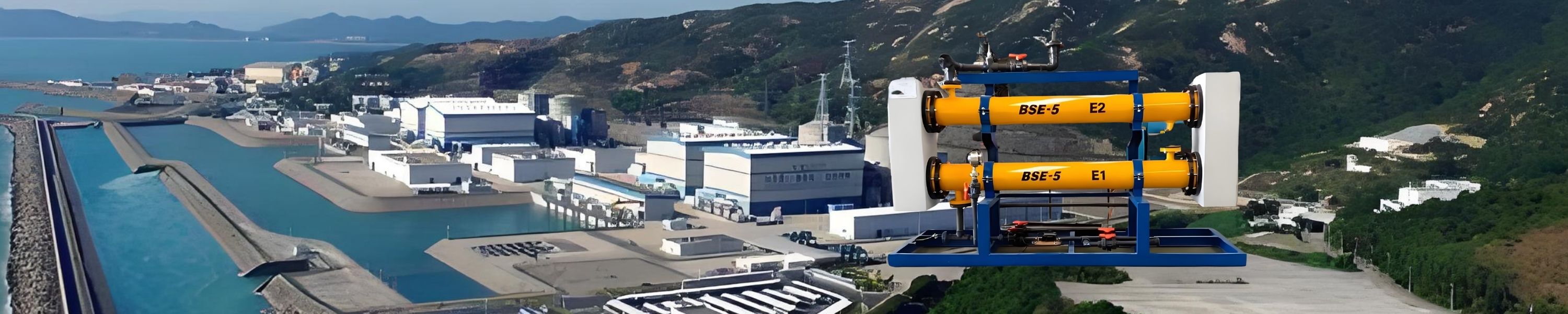
Seawater booster pump set The seawater booster pump set provides the power source for the seawater filter and the back-end process to overcome the pressure drop. Sea water filtration system Filter seawater to micron level to prevent large particles from entering the electrolytic cell group and affecting the electrolysis process. Electrolyzer group The electrolytic cell group is the core unit of the whole set of equipment. The electrolytic cell group adopts titanium-based ruthenium and iridium r
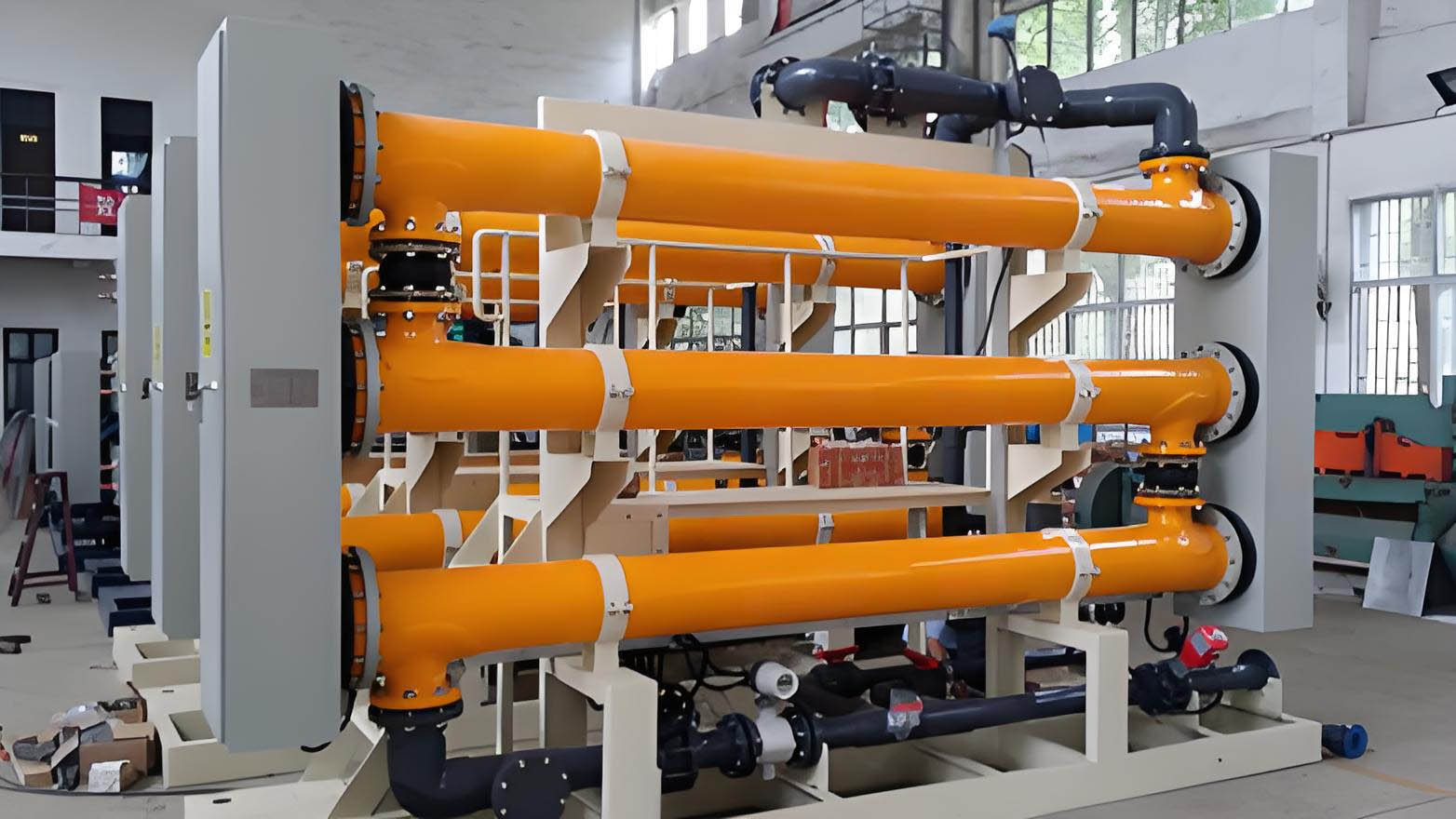
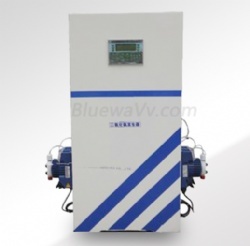
Bluewav sodium hypochlorite generator produces sodium hypochlorite disinfectant by electrolyzing brine(2.5% - 3.0%). Maximum chlorine output up to 64kg/h. System composition: 1.Soft water unit; 2. Cold and heat exchange unit; 3. Saturated brine preparation unit; 4. Dilute brine proportioning unit; 5. Electrode electrolysis assembly unit; 6. Interelectrode hydrogen separator unit; 7. Rectifier power supply unit; 8. Pickling unit; 9. Control system unit; 10. Hydrogen exhaust unit; 11. Storage uni
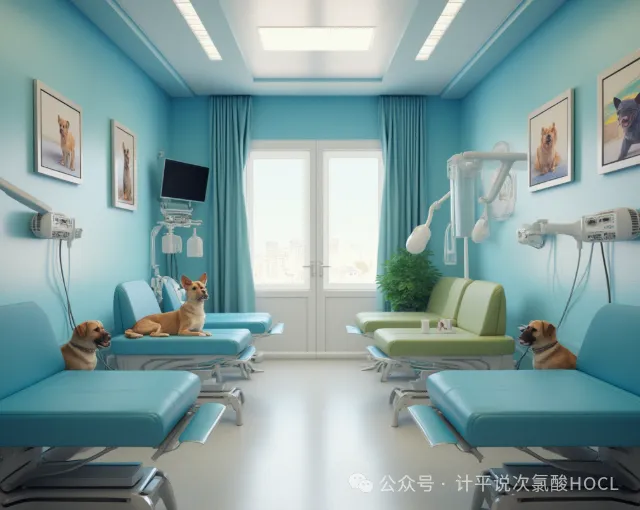
Main Features: Input: Salt, Electricity, Water Output: HOCL Anolyte: 50-100ppm,50-200ppm PH: 4.5 -6.5 ORP:1000-1200mV Clean hocl solution Certificate: ISO, CE Principle ofbrineelectrolysis Ourequipment electrolyzes a certain proportion of diluted brine (NaCl) in a special electrolytic module. In the advanced membrane, theAnode side produce outputHOCL/Anolyte/EOWElectrolyzed Oxidizing Water. Applications: Hospital Medical equipment disinfection Skin disinfection Food/Seafood disinfection Airport
Reaction principle: 5NaClO2+4HCl →4ClO2+5NaCl+2H2O Raw materials Sodium chlorite: (HG/T3250-2001 first grade industrial product, content ≥78%); Hydrochloric acid: (GB320-2006 industrial first grade product, concentration ≥31%) Composition of RC series chlorine dioxide generator Feeding system Reaction system Control system Mixed absorption system Security system Residual liquid automatic processing system Raw material consumption 2.2g of sodium chlorite, 6.75g of hydrochloric acid (to produce 1
Chemical Reaction principle: Heating NaClO3+2HCl → ClO2+1/2Cl2+H2O+NaCl Use raw materials : Sodium chlorate: (GB/T1618-2008 first grade industrial product, content ≥99%); Hydrochloric acid: (GB320-2006 industrial first grade product,concentration ≥31%) The composition of RJ series chlorine dioxide generator: 1. Feeding system 2. Reaction system 3. PLC control system 4. Vacuum absorption system 5. Security system 6. Backwash system 7. Residual liquid automatic processing system Raw material cons
Product Description Core Process Flow Process of Producing 30%-99% Caustic Soda Flakes: As the PID drawing shown, Our technology is also able to manufacture 30% -50% caustic soda liquid , as well as 99% caustic soda flake, after brine electrolysis process, we use multiple evaporation to produce caustic soda liuqid solution and caustic soda flakes. Through the multiple steps of evaporators, different concentrations of sodium hydroxide can be produced. Core Specifications The high-concentration 5
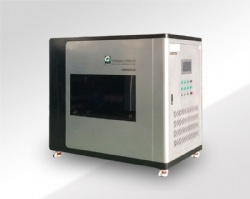
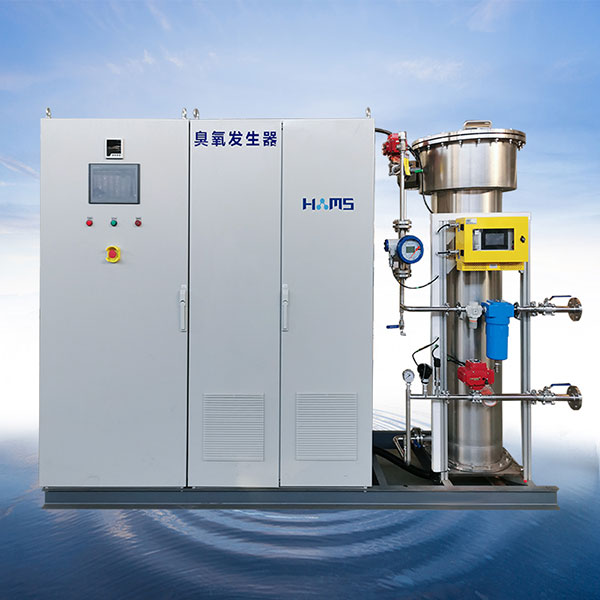
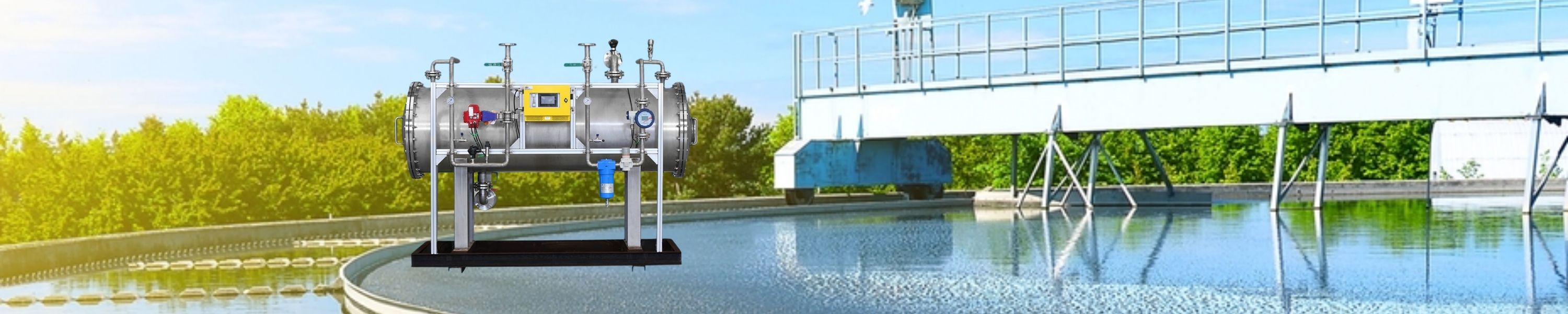
This small ozone generator adopts the mature DBD dielectric barrier discharge technology, a mainstream ozone preparation technology in the industry. It achieves efficient and stable ozone production through pure physical reaction, with a compact structure that is perfectly suitable for small-scale ozone application scenarios. It is an ideal purification and disinfection equipment for small workshops, household use, small aquaculture, office spaces and other small-area and small-flow processing
Introduction Hydrochloric acid synthesis systems are widely used in chemical, pharmaceutical, metallurgical, and electronics industries. They are primarily used to produce hydrochloric acid and other chlorine-containing chemicals, such as chlorides and polyvinyl chloride (PVC). The system can also be used for waste gas treatment and resource recovery. Chlory has 20 years of experience specializing in hydrochloric acid production lines. We use a chlor-alkali process (ion-exchange membrane electr
Liquid Chlorine – A "Golden Raw Material" in Basic Chemicals Liquid chlorine, with the chemical formula Cl2, is an important basic chemical raw material. It is produced by pressurizing or cooling chlorine gas at room temperature to obtain a yellowish-green oily liquid. Our company's liquid chlorine production utilizes advanced ion-exchange membrane chlor-alkali technology and high-pressure liquefaction technology, ensuring high product purity, low impurities, and stable properties. It is widely
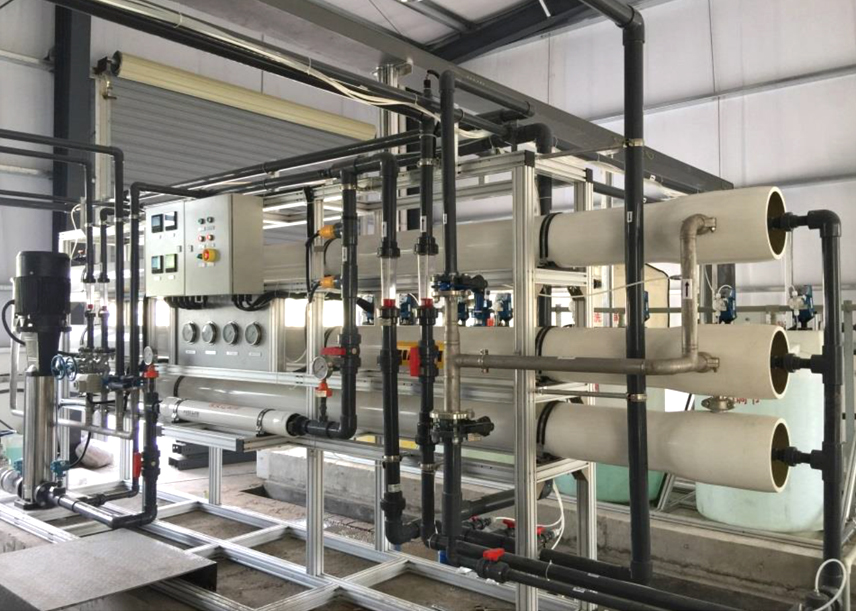
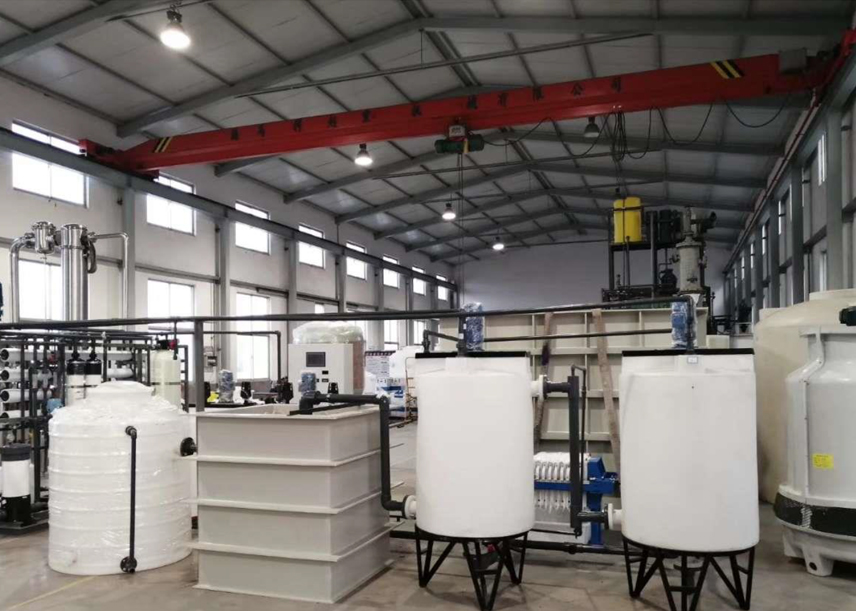
Project Date: 2017 Project Name: Catalyst 100t/d Chemical Pretreatment+Membrane Concentration Unit Project Location: Yuanda, Chongqing
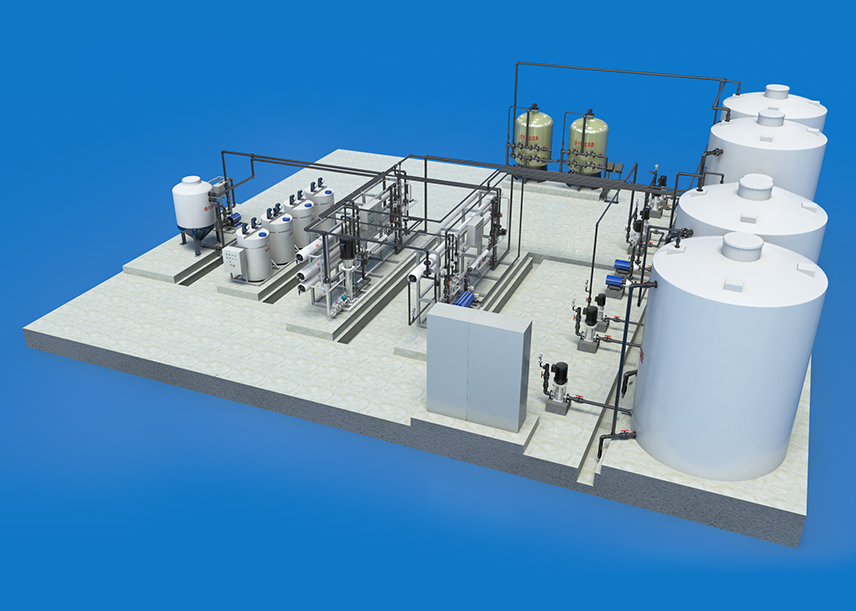
Project Date: 2019 Project Name: Zero Discharge System for Acid Wash Wastewater Project Location: Qingdao Tianheyuan
Most of the oilfields are exploring the method of recycling the sewage to use for steam injection boilers. However, the technical solution can only has 60% recovery of the waste water, the remaining 40% of the sewage is very hard to recycle with very high salt content and a very high hardness, and the treatment processing cost is very high. So these part wastewater has to be refilled back to underground, but this method is limited by some unfavorable factors, such as ground absorption capacity,
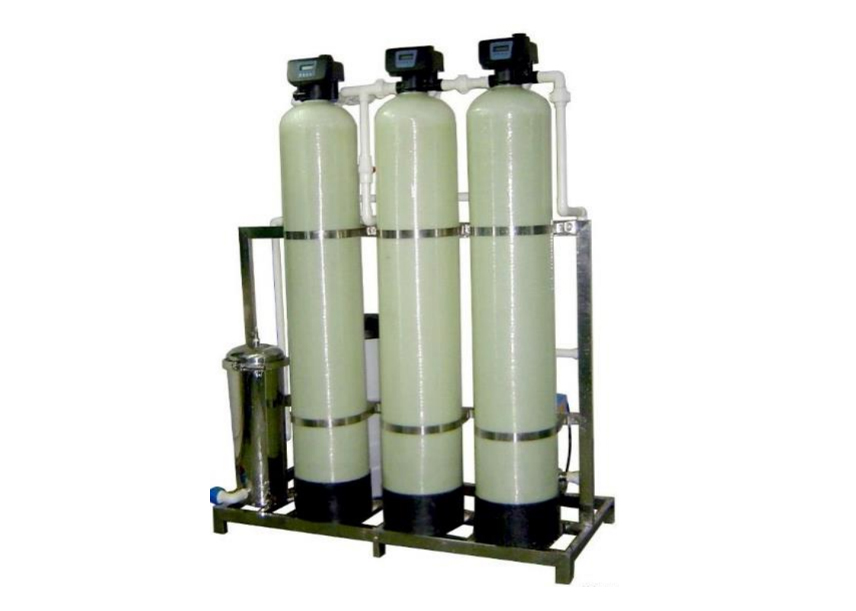
Automatic water softener can be divided into time control type and flow control type. Water softener use sodium cation exchange resin to remove calcium and magnesium ions in water, reduce the hardness of raw water to achieve the purpose of softening hard water, to avoid carbonate fouling in pipes, containers and boilers, greatly reduce the investment cost and ensure smooth production. Applicationscope: Laundry Bath Food Pharmaceutical Boiler Power plant Air conditioning Hotel living area Mine w