


In an era where food safety and environmental sustainability have become global priorities, the demand for pesticide-free agricultural products is growing exponentially. Root crops—such as ginger, carrots, potatoes, and radishes—are vital staples in diets worldwide, but their underground growth environment makes them particularly vulnerable to soil-borne pathogens, pests, and diseases. Traditional cultivation relies heavily on chemical pesticides to combat these threats, which not only leaves harmful residues on crops but also degrades soil quality, pollutes groundwater, and disrupts the ecological balance of farmland. As a professional water treatment company dedicated to sustainable solutions, we are proud to explore how hypochlorous acid (HClO) is revolutionizing root crop cultivation, enabling true "pesticide-free" production while safeguarding crop yield, quality, and the environment.
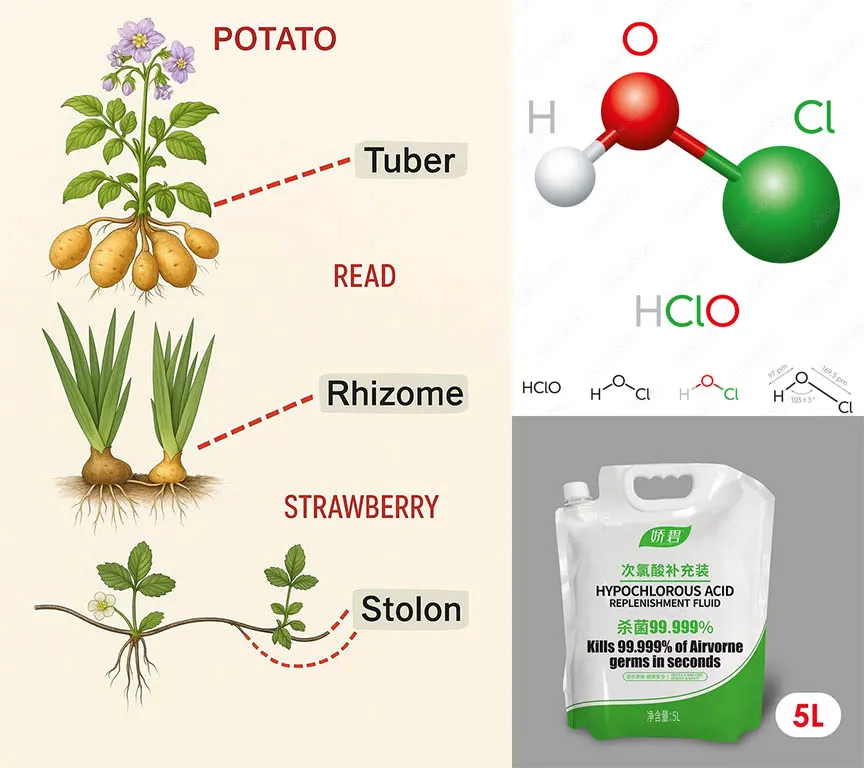
Hypochlorous acid, a naturally occurring substance in the human immune system, is gaining widespread recognition in agriculture for its powerful, safe, and eco-friendly disinfection properties. Unlike harsh chemical pesticides that leave toxic residues, hypochlorous acid is produced by electrolyzing potassium chloride and water—a process that yields a solution with strong oxidizing properties, capable of rapidly destroying the cell structures, proteins, and nucleic acids of harmful pathogens, including bacteria, fungi, and viruses that plague root crops. What sets it apart is its ability to disinfect effectively without harming crops, beneficial soil microorganisms, or the environment, making it an ideal alternative to traditional chemical pesticides for root crop cultivation.
Root crops face unique challenges in achieving pesticide-free growth due to their growth habit: their roots, tubers, or rhizomes grow underground, where they are constantly exposed to soil-borne pathogens like soft rot bacteria, fusarium wilt fungi, and nematodes. These pathogens thrive in moist soil environments, leading to diseases that reduce yield, deform crops, and even render them unmarketable. Traditional chemical pesticides often fail to penetrate the soil effectively to target these pathogens, and their overuse leads to pesticide resistance, soil acidification, and groundwater contamination. Hypochlorous acid solves these pain points through its versatile application throughout the entire root crop cultivation cycle.
The application of hypochlorous acid in root crop cultivation is comprehensive and easy to integrate into existing farming practices, starting from seed preparation to post-harvest cleaning. During the seedling stage, soaking seeds in a properly concentrated hypochlorous acid solution (200-500ppm) eliminates pathogens on the seed surface, reducing the incidence of seed-borne diseases and improving germination rates. For example, treating ginger seeds with hypochlorous acid can significantly reduce the occurrence of rhizome rot, a common disease that plagues ginger cultivation. In the seedling raising phase, disinfecting seedbeds, seedling trays, and surrounding environments with hypochlorous acid spray creates a healthy growth environment for young seedlings, preventing the spread of pathogens and improving seedling survival rates.
During the growing period, hypochlorous acid truly shines in soil disinfection and disease prevention. Unlike chemical pesticides that harm beneficial soil organisms, hypochlorous acid selectively targets harmful pathogens while preserving the soil’s microbial balance. Regular spraying of hypochlorous acid solution on the soil surface and plant foliage can inhibit the reproduction of soil-borne pathogens, prevent the spread of diseases such as potato late blight and carrot root rot, and even repel certain pests without causing any harm to the crops themselves. Notably, hypochlorous acid produced from potassium chloride also provides essential potassium nutrients to the soil—potassium plays a key role in enhancing crop stress resistance, promoting photosynthesis, and improving root development, which is particularly beneficial for root crops that rely on strong root systems for growth. This dual effect of disinfection and nutrition supply makes hypochlorous acid a more sustainable solution than traditional pesticides.
Another critical advantage of hypochlorous acid is its zero-residue characteristic. Unlike chemical pesticides that linger in soil and crops for months, hypochlorous acid decomposes quickly into water and harmless chloride ions, leaving no toxic residues on crops or in the soil. This not only ensures that root crops meet the strictest pesticide-free standards but also protects groundwater from contamination—a key concern for water treatment companies and environmental stewards. In a case study at a ginger production base in Shandong, China, the use of hypochlorous acid for soil treatment significantly reduced soil-borne diseases, improved root development, and increased both yield and quality, while eliminating pesticide residues entirely. This success story demonstrates the practical value of hypochlorous acid in realizing large-scale pesticide-free cultivation of root crops.
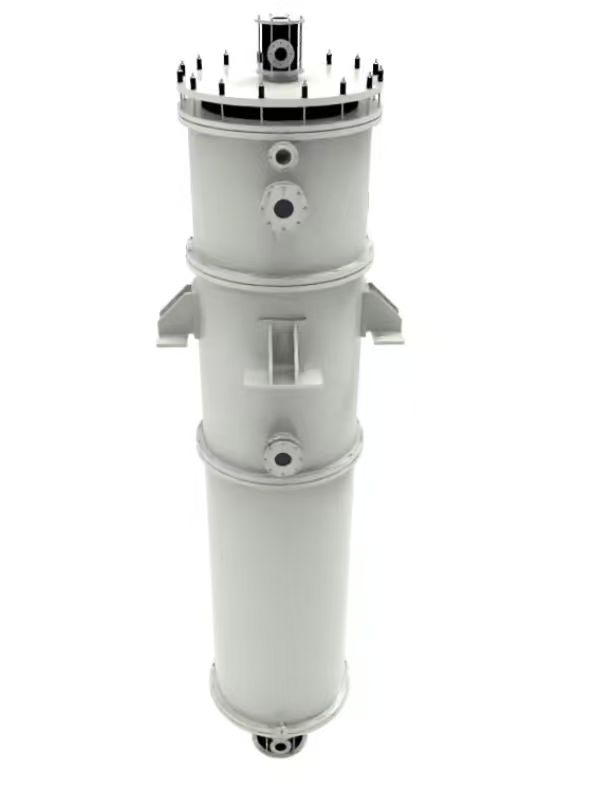
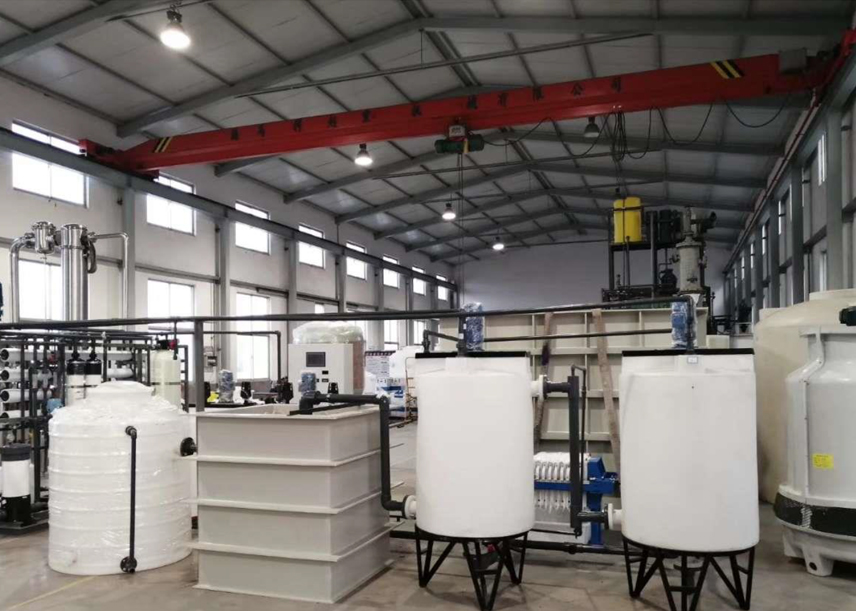
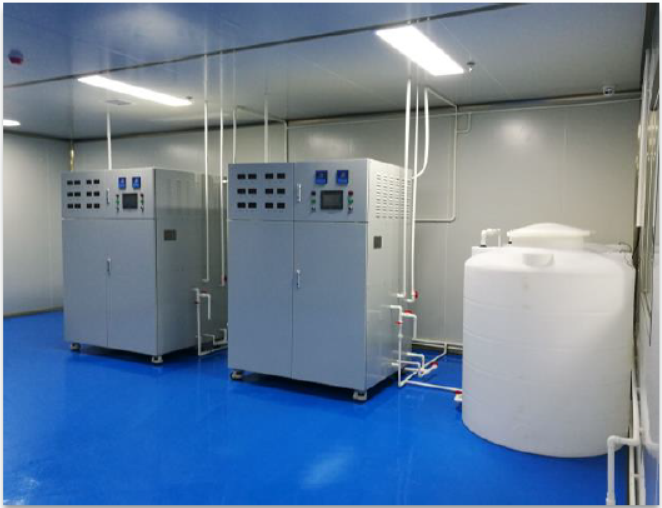
As a water treatment company, we understand the close connection between clean water, sustainable agriculture, and environmental protection. Hypochlorous acid production relies on advanced water treatment technology—our professional electrolysis equipment uses only potassium chloride and water to produce high-purity hypochlorous acid, with low chloride ion content to prevent soil salinization and ensure long-term soil health. Our solutions are designed to be cost-effective: producing one ton of hypochlorous acid requires only 100 grams of potassium chloride, which is four times more cost-efficient than other similar products, while the potassium chloride itself can be absorbed by crops as a fertilizer, achieving resource recycling.
The shift to pesticide-free cultivation of root crops is not just a trend—it is a necessary step toward ensuring food safety and protecting the environment. Hypochlorous acid, with its safe, effective, and eco-friendly properties, is paving the way for this transformation. It addresses the limitations of traditional chemical pesticides, protects soil health, preserves water quality, and delivers high-quality, pesticide-free root crops to consumers. As a leader in water treatment and sustainable agricultural solutions, we are committed to providing innovative hypochlorous acid technologies that empower farmers to adopt pesticide-free practices, promote ecological balance, and contribute to a healthier, more sustainable food system.
Join us in embracing the future of sustainable agriculture—where root crops grow healthily without pesticides, soil remains fertile, water stays clean, and food is safe for everyone.