
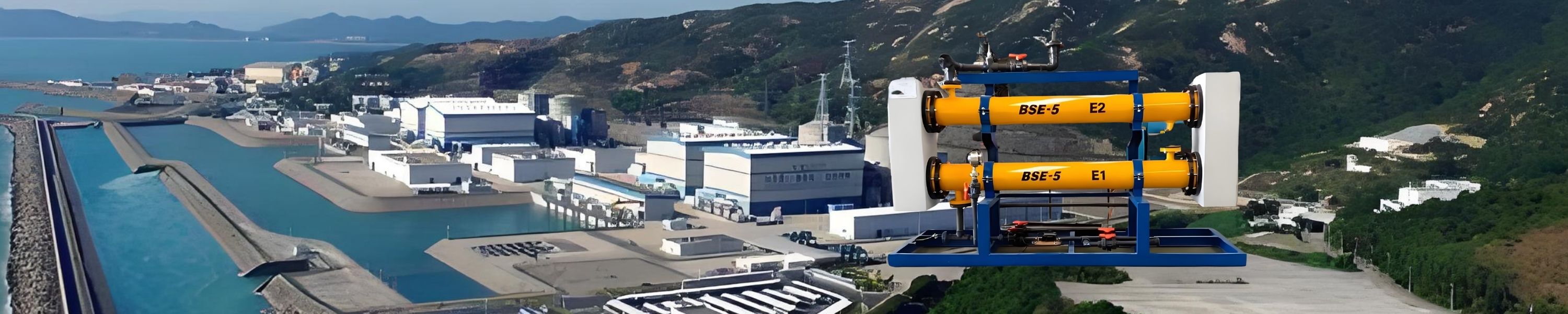
Coastal food and beverage factories face unique water treatment and disinfection challenges. Seawater electrolysis provides a safe, efficient, and cost-effective on-site solution by converting seawater into disinfectant and treated water. It meets strict food safety requirements and is widely used in seafood processing, beverage production, and food factory hygiene management. For coastal F&B facilities, access to safe, compliant water is not just an operational necessity—it is a legal obligation, a cornerstone of product quality, and a commitment to consumer trust. With freshwater scarcity becoming an increasingly pressing challenge for coastal regions, seawater electrolysis emerges as a game-changing solution, enabling factories to harness local seawater resources while ensuring full compliance with global and regional water quality regulations.
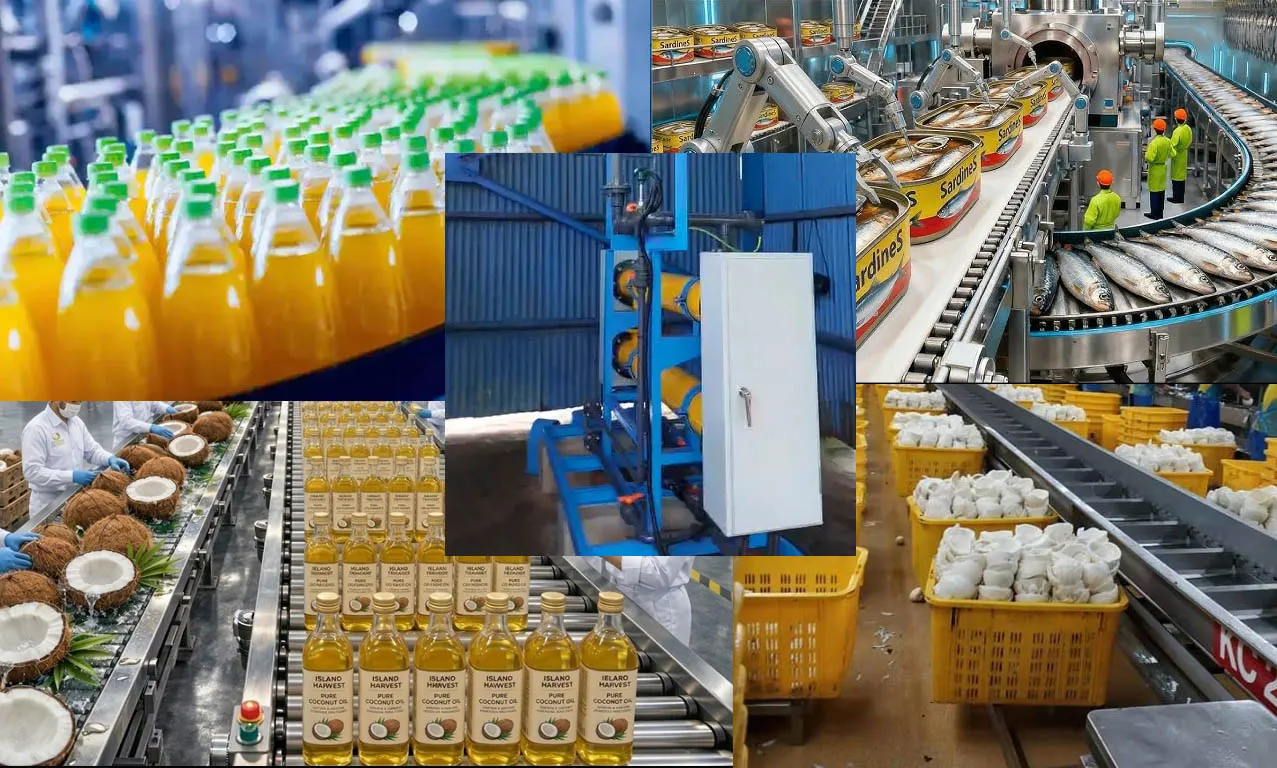
Why Seawater Electrolysis Is Ideal for Coastal Food & Beverage Plants
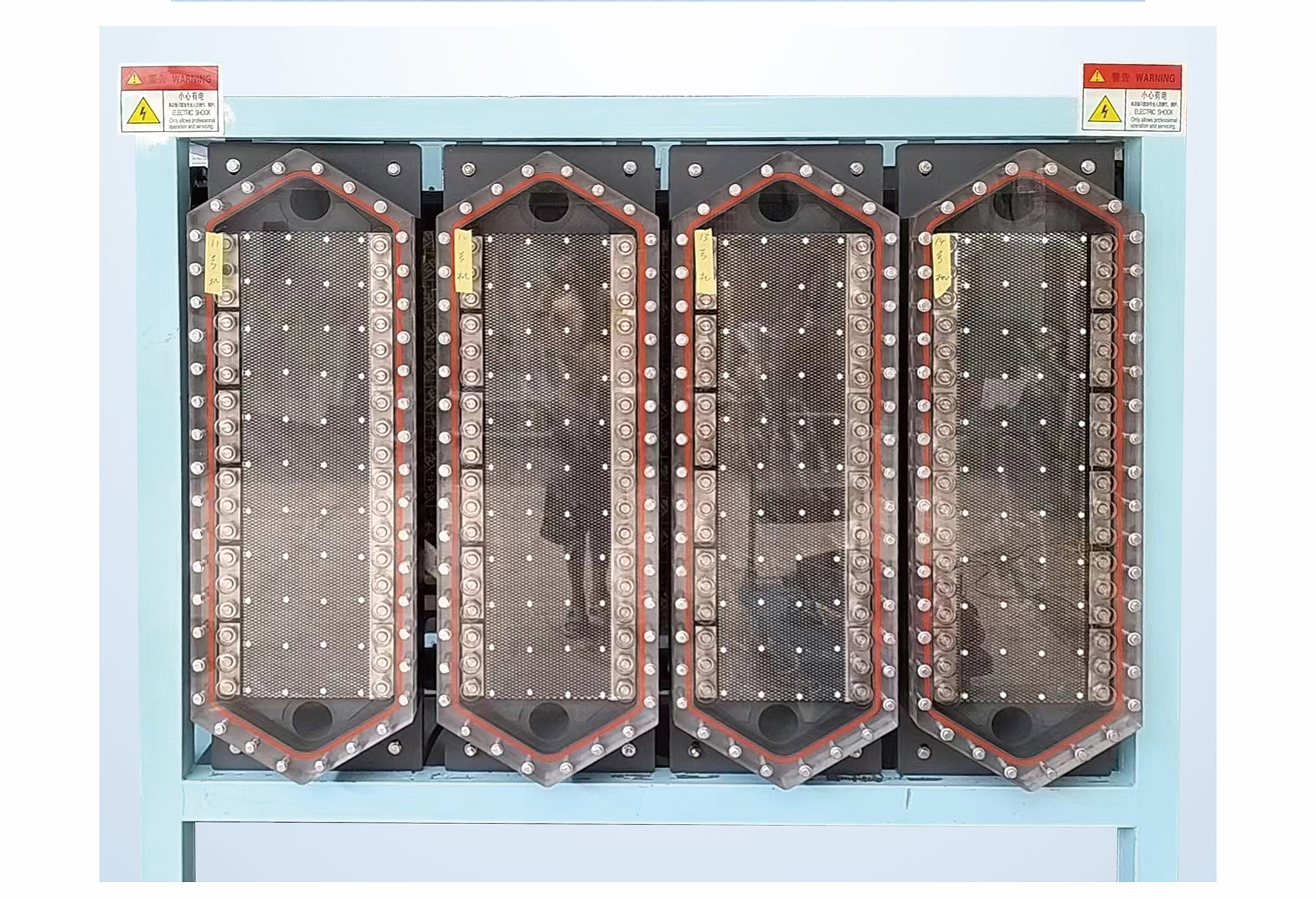
Seawater electrolysis is an advanced water treatment technology that uses electrical energy to break down seawater into purified water, along with byproducts like hydrogen and chlorine. Unlike traditional desalination methods—such as reverse osmosis (RO)—which can be energy-intensive and require extensive pre-treatment to address fouling and scaling, seawater electrolysis offers a more efficient, sustainable, and compliance-focused approach for F&B applications. Its ability to simultaneously desalinate, disinfect, and remove contaminants makes it uniquely suited to the rigorous demands of food and beverage production, where water purity directly impacts product safety and shelf life.
Coastal F&B factories often struggle with freshwater scarcity and high costs associated with municipal water supplies. Seawater electrolysis solves this problem by utilizing local seawater as a raw material, reducing dependence on external water sources and cutting operational expenses. Additionally, its robust design withstands the harsh conditions of seawater, minimizing maintenance downtime and extending equipment lifespan—critical for avoiding costly production delays and compliance violations.
Key Benefits of Seawater Electrolysis for Food Processing
Food-Grade Safe Disinfection
The electrolytic process generates hypochlorous acid (HOCl), a powerful, food-safe disinfectant that effectively eliminates 99.99% of harmful microorganisms—including E. coli and Listeria—without leaving toxic residues. Unlike chemical disinfection methods that may introduce unwanted byproducts, HOCl is non-toxic and meets the strictest food safety standards, ensuring product integrity and consumer safety.
Low Operating Cost & High Stability
Compared to RO systems, which require frequent membrane replacement and high energy inputs to handle seawater’s high salinity, seawater electrolysis systems are more cost-effective to operate and maintain. Their stable performance ensures consistent water quality, reducing the risk of production disruptions and non-compliance penalties that can cost millions per hour in certain manufacturing sectors.
On-Site Production & No Chemical Storage
Seawater electrolysis produces purified water and disinfectant on-site, eliminating the need for storing and transporting chemical disinfectants. This not only reduces safety risks but also simplifies inventory management and lowers associated costs, making it a practical solution for coastal F&B factories of all sizes.
Compliant with Food Safety Standards
Seawater electrolysis directly addresses the strict water quality standards mandated by global authorities like the U.S. Food and Drug Administration (FDA) and the European Food Safety Authority (EFSA). It effectively controls salinity levels, adjusts pH and oxidation-reduction potential (ORP) thresholds, and removes heavy metals and harmful microbes, ensuring full compliance with regional and international regulations.
Typical Applications in Seafood & Beverage Production
Equipment & Pipeline Disinfection
Electrolyzed seawater is highly effective for disinfecting food processing equipment, pipelines, and storage tanks. It removes biofilm and microbial contaminants, preventing cross-contamination and ensuring the hygiene of production facilities—critical for maintaining product quality and safety.
Product Rinsing & Cooling Water Treatment
In seafood processing, electrolyzed seawater is used for product rinsing, extending shelf life by inhibiting microbial growth while preserving the sensory properties of the seafood. For beverage production, it provides purified water that meets the strict quality requirements for bottling, ensuring consistent taste and safety.
Workshop Environment Hygiene
Seawater electrolysis systems can also be used to disinfect workshop floors, walls, and other surfaces, creating a hygienic production environment that complies with food safety regulations. This helps reduce the risk of microbial contamination and supports overall facility compliance.
Chlory Seawater Electrolysis Solutions for Food Industry
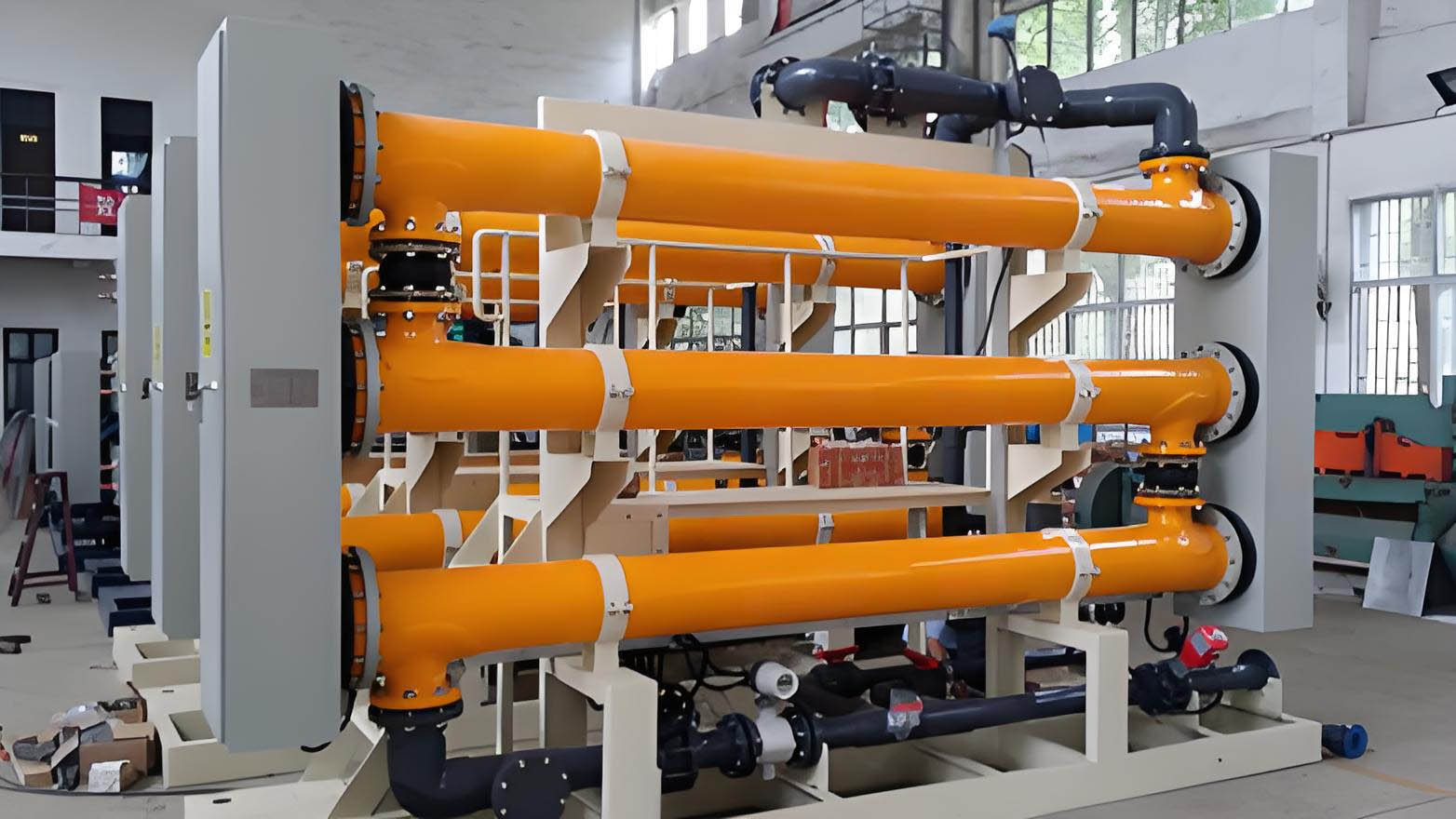
Chlory offers customizable seawater electrolysis systems tailored to the unique needs of coastal food and beverage factories. A typical setup includes pre-treatment to remove large particles and debris, electrolysis cells to purify and disinfect the water, and post-treatment to fine-tune water parameters (such as pH and mineral content) to match specific production requirements—whether for beverage bottling, seafood processing, or dairy production. Our systems are designed for easy operation, low maintenance, and long-term reliability, ensuring consistent compliance and operational efficiency.
FAQ About Seawater Electrolysis in Food Factories
Q: Is electrolyzed seawater safe for food contact?
A: Yes. Electrolyzed seawater generates hypochlorous acid (HOCl), a food-safe disinfectant that is approved by the FDA and EFSA for use in food processing. It leaves no toxic residues and does not affect the taste or quality of food products.
Q: How does seawater electrolysis compare to RO systems for F&B applications?
A: Seawater electrolysis is more energy-efficient and requires less maintenance than RO systems, which need frequent membrane replacement. It also simultaneously disinfects and desalinates water, eliminating the need for additional disinfection steps.
Q: Can seawater electrolysis systems be powered by renewable energy?
A: Yes. When powered by solar or wind energy, seawater electrolysis produces zero carbon emissions, aligning with the F&B industry’s sustainability goals and reducing environmental impact.
Q: How do I ensure my seawater electrolysis system remains compliant with changing regulations?
A: Chlory’s systems are equipped with advanced real-time monitoring tools that track key water quality parameters (salinity, pH, ORP, microbial count). We also provide ongoing support and maintenance to help factories stay updated on regulatory changes and optimize their systems for long-term compliance.
Chlory provides customized seawater electrolysis systems for coastal food and beverage factories, supporting stable, food-safe, and low-cost daily operation. Contact us for project design, technical parameters, and on-site solutions.