
In the aquaculture industry, disease prevention and water quality control are the core of ensuring stable production and reducing losses. With the continuous upgrading of breeding scale and the increasing demand for green and safe breeding, traditional disinfection methods such as manual addition of disinfectants have gradually exposed defects such as unstable disinfection effect, high operation cost and potential safety hazards. As an efficient, safe and economical on-site disinfection equipment, the low-concentration sodium hypochlorite generator has been widely used in the aquaculture industry, becoming an indispensable core equipment for modern green aquaculture. This article will deeply explore the application value, practical scenarios, advantages and optimization suggestions of low-concentration sodium hypochlorite generators in the aquaculture industry, helping breeders and industry practitioners fully understand this equipment and realize efficient and healthy breeding.
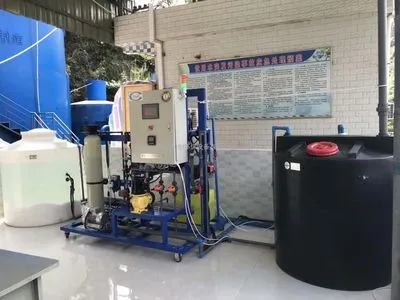
What is a Low-Concentration Sodium Hypochlorite Generator?
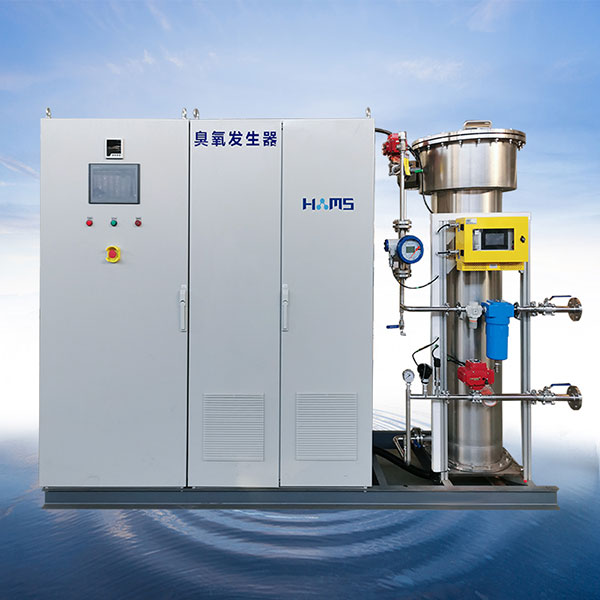
A low-concentration sodium hypochlorite generator is a device that electrolyzes ordinary industrial salt (sodium chloride) and water through an electrolytic cell to generate low-concentration sodium hypochlorite solution (usually 0.5%-1.0%, i.e., 5g/L-10g/L) on site. Its working principle is based on electrochemical reaction: under the action of electric current, sodium chloride and water react to generate sodium hypochlorite, hydrogen and other substances, and the generated low-concentration sodium hypochlorite solution can be directly used for disinfection without additional dilution, which fundamentally solves the problems of transportation, storage and secondary pollution of high-concentration sodium hypochlorite disinfectant.
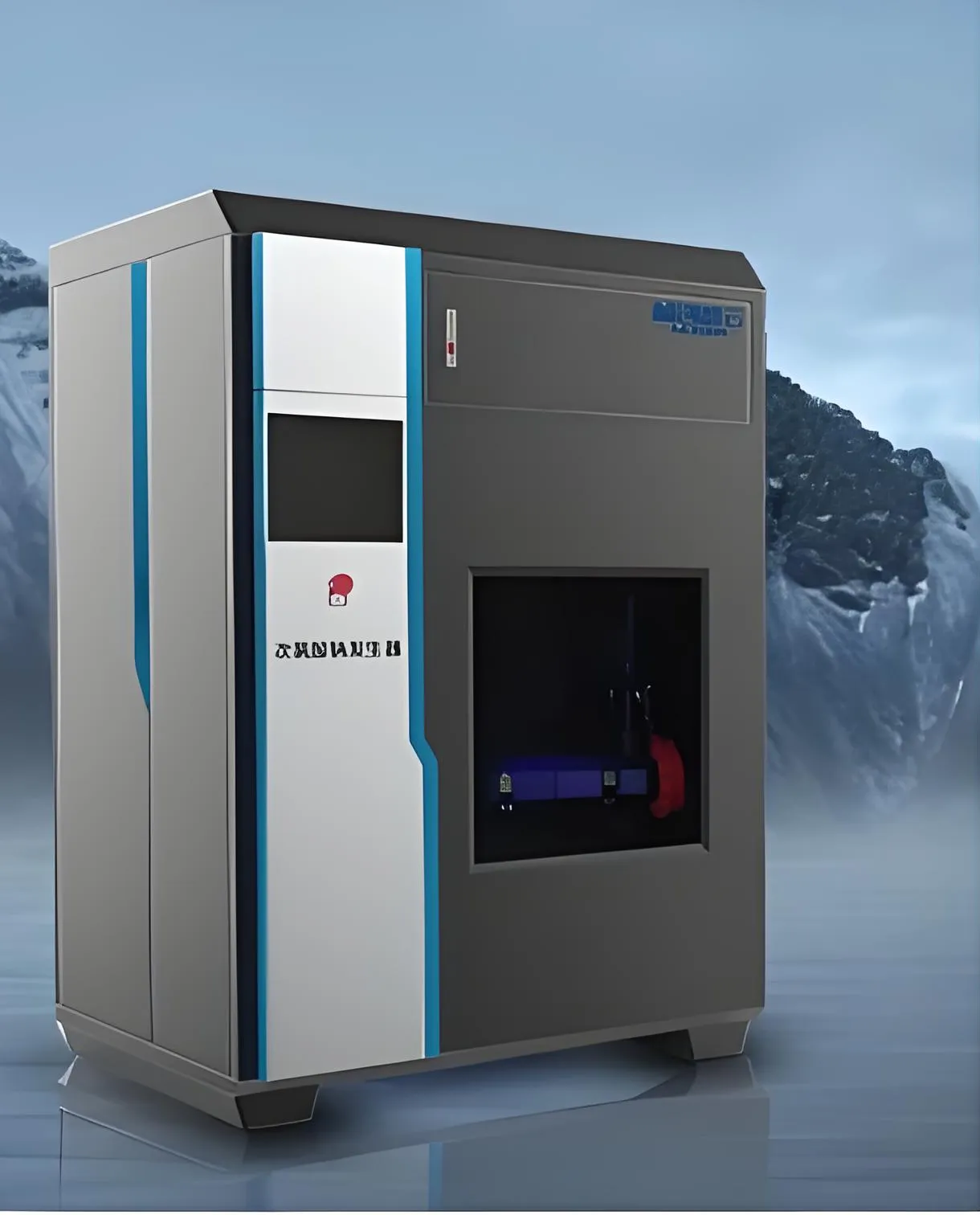
Different from high-concentration sodium hypochlorite generators, low-concentration equipment is more suitable for the aquaculture industry with its characteristics of small volume, flexible operation, low energy consumption and safe use. It can be flexibly configured according to the breeding scale (from small family farms to large-scale intensive breeding bases), and realizes automatic operation through intelligent control, which greatly reduces the labor intensity of breeders and ensures the stability and accuracy of disinfection effect.
Core Application Scenarios in Aquaculture Industry
Low-concentration sodium hypochlorite generators cover all links of the aquaculture industry, from breeding water treatment to breeding environment disinfection, and even breeding equipment disinfection, providing all-round disinfection protection for aquaculture production. The specific application scenarios are as follows: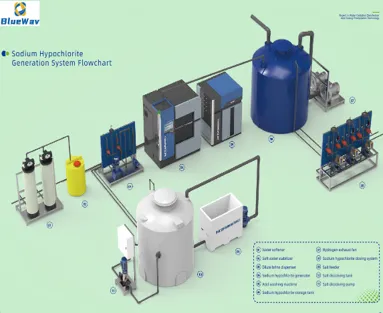
1. Aquaculture Water Disinfection (Core Application Scenario)
Water quality is the foundation of aquaculture. Whether it is freshwater breeding (fish, shrimp, crab) or marine breeding, the content of harmful microorganisms (bacteria, viruses, parasites) in water directly affects the survival rate of aquatic products. The low-concentration sodium hypochlorite solution generated by the generator can quickly kill harmful microorganisms in water, decompose organic pollutants, and effectively control the occurrence of diseases such as bacterial gill rot and viral hemorrhage.
Compared with traditional water disinfection methods (such as chlorine gas, bleaching powder), low-concentration sodium hypochlorite generators have obvious advantages: they avoid the safety hazards of chlorine gas transportation and leakage, and do not produce harmful by-products such as trihalomethane (a carcinogen) generated by chlorine gas disinfection; compared with bleaching powder, they have no precipitation, do not affect water transparency, and avoid the problem of unbalanced water quality caused by uneven manual addition. In practical application, the generator can realize continuous or intermittent disinfection according to the water quality (such as ammonia nitrogen content, turbidity, microorganism count), and the dosage can be adjusted in real time to ensure that the residual chlorine content in water meets the aquaculture standard (0.3-0.5mg/L), which is safe and non-toxic to aquatic products.
2. Disinfection of Breeding Environment
The breeding environment (such as breeding greenhouses, fish ponds, pens, and surrounding areas) is the main place for the reproduction and spread of pathogens. Regular disinfection of the environment is an important measure to prevent the occurrence of infectious diseases. The low-concentration sodium hypochlorite solution can be sprayed evenly on the ground, walls, air and other parts of the breeding site through a spray device, killing pathogens attached to the surface and in the air, and cutting off the transmission path of diseases.
For example, in poultry and livestock breeding, the generator can be used to disinfect the pen after the flocks and herds are transferred out, effectively killing avian influenza, foot-and-mouth disease and other pathogens; in aquatic breeding greenhouses, regular spray disinfection can prevent the spread of mold and viruses, creating a clean and safe growth environment for aquatic products. The low-concentration sodium hypochlorite solution has no pungent odor, will not cause irritation to the respiratory tract of breeding animals, and will not pollute the environment after volatilization, which is in line with the requirements of green breeding.
3. Disinfection of Breeding Equipment
Breeding equipment such as feeding troughs, drinking fountains, nets, and breeding tools are easy to breed pathogens after long-term use, which may lead to cross-infection of breeding animals. The low-concentration sodium hypochlorite solution generated by the generator can be used to soak or wipe the breeding equipment, effectively killing pathogens on the surface of the equipment, ensuring the cleanliness of the equipment, and avoiding the spread of diseases through the equipment.
Compared with manual disinfection with disinfectant, the low-concentration sodium hypochlorite solution prepared on site has stable concentration, uniform disinfection effect, and does not leave chemical residues on the equipment, which can avoid the damage of residual disinfectants to breeding animals and ensure the safety of breeding products.
Advantages of Low-Concentration Sodium Hypochlorite Generator in Aquaculture Industry
Compared with traditional disinfection methods and other disinfection equipment, low-concentration sodium hypochlorite generators have obvious comprehensive advantages, which are in line with the development trend of modern aquaculture and have become the first choice for many breeders. The specific advantages are as follows:
1. High Safety and Environmental Protection
The generator adopts on-site preparation, which avoids the transportation and storage risks of high-concentration sodium hypochlorite disinfectant (easy to volatilize, corrode, and even cause fire and explosion). The generated low-concentration sodium hypochlorite solution is non-toxic and harmless, will not pollute the soil and water source, and will not produce harmful by-products during disinfection, which is in line with the national environmental protection and green breeding standards. At the same time, the equipment is equipped with a hydrogen safety separation device, which can quickly discharge the hydrogen generated during electrolysis, avoiding the accumulation of dangerous gases and ensuring the safety of on-site operation.
2. Low Operation Cost and High Cost-Effectiveness
The raw materials required for the generator are ordinary industrial salt and tap water, which are low in cost and easy to obtain (the cost of salt is about 0.35 yuan per kilogram). According to the actual measurement, to produce 1 kilogram of available chlorine, only 3.2 kilograms of salt and 4 kilowatt-hours of electricity are consumed, which is much lower than the cost of purchasing finished disinfectants in the market. In addition, the equipment has a long service life (the electrode is made of pure titanium with rare metal oxide coating, which is corrosion-resistant), low maintenance cost, and can save a lot of operation costs for breeders in the long run.
3. Stable Disinfection Effect and Easy Control
The generator adopts intelligent control system, which can accurately control the concentration of sodium hypochlorite solution and the dosage of disinfection according to the breeding needs, ensuring that the disinfection effect is stable and up to standard. The equipment is equipped with a color touch screen, which can realize one-key start and stop, real-time display of data, and query of historical records and alarm information. It can also be equipped with a remote maintenance module to facilitate off-site monitoring and maintenance, which greatly reduces the labor intensity of breeders. Compared with manual disinfection, it avoids the problems of uneven disinfection and unstable effect caused by human factors.
4. Strong Adaptability and Wide Application Range
The low-concentration sodium hypochlorite generator has a modular design, which can be flexibly configured according to the breeding scale and site conditions. Its preparation capacity ranges from 50g/h to 50kg/h, and specifications beyond this range can also be customized, which is suitable for both small family farms and large-scale intensive breeding bases. At the same time, it can be applied to various breeding types, including freshwater breeding, marine breeding, poultry breeding, livestock breeding, etc., and can meet the disinfection needs of different links, with strong versatility.
Practical Application Notes and Optimization Suggestions
To give full play to the role of low-concentration sodium hypochlorite generators and ensure the safety and effectiveness of disinfection, breeders need to pay attention to the following points in practical application:
1. Strictly Control the Concentration and Dosage
The low-concentration sodium hypochlorite solution is suitable for aquaculture disinfection, but excessive concentration will cause irritation or even poisoning to breeding animals; too low concentration will not achieve the disinfection effect. It is recommended to adjust the concentration and dosage according to the breeding type and disinfection scenario: for aquaculture water disinfection, the concentration of available chlorine is controlled at 0.3-0.5mg/L; for environment and equipment disinfection, the concentration is controlled at 50-100mg/L. At the same time, the residual chlorine content in water should be detected regularly to ensure that it meets the breeding standards.
2. Pay Attention to the Influence of Water Quality on Disinfection Effect
The disinfection effect of sodium hypochlorite is affected by water quality factors such as pH value, turbidity and organic matter content. In weakly acidic to neutral water (pH 5-7), the disinfection effect is the best; if the water turbidity is too high, the organic matter content is high, it will consume sodium hypochlorite, reducing the disinfection effect. Therefore, before disinfection, it is necessary to pretreat the water (such as sedimentation and filtration) to reduce the impact of water quality on disinfection effect.
3. Regular Maintenance of Equipment
Regular maintenance of the generator can extend its service life and ensure stable operation. It is necessary to regularly clean the electrolytic cell, remove scale (the equipment is generally equipped with an automatic pickling system), check the electrode wear, and replace the electrode in time when the wear is serious; regularly check the tightness of the pipeline to avoid leakage of sodium hypochlorite solution; clean the salt dissolving tank and liquid storage tank regularly to avoid the growth of bacteria and affect the quality of the disinfectant.
4. Choose Regular Equipment and Ensure After-Sales Service
The quality of low-concentration sodium hypochlorite generators directly affects the disinfection effect and operation safety. Breeders should choose regular manufacturers with national certification (in line with GB 12176-1990 national standard) to purchase equipment, and check the manufacturer's qualification, product test report and after-sales service guarantee. Regular manufacturers can provide professional installation, commissioning and maintenance services, and solve equipment failures in time, ensuring the smooth progress of breeding production.
Future Development Trend of Low-Concentration Sodium Hypochlorite Generators in Aquaculture Industry
With the continuous promotion of green aquaculture and the continuous advancement of intelligent breeding, low-concentration sodium hypochlorite generators will show a more intelligent, energy-saving and integrated development trend. In the future, the equipment will be further integrated with intelligent breeding systems, realizing the linkage of water quality monitoring, disinfection dosage adjustment and data analysis, and realizing automatic and precise disinfection; at the same time, the electrolytic technology will be continuously optimized, further reducing energy consumption and improving the efficiency of available chlorine production; in addition, the equipment will be more miniaturized and integrated, suitable for more breeding scenarios, providing more convenient and efficient disinfection solutions for the aquaculture industry.
FAQ (Frequently Asked Questions)
Q1: Is the low-concentration sodium hypochlorite solution generated by the generator safe for aquatic products?
A1: Yes. The low-concentration sodium hypochlorite solution (0.3-0.5mg/L available chlorine) used for aquaculture water disinfection is safe and non-toxic to aquatic products, and will not affect their growth and survival. It can be directly used without additional dilution, and the residual chlorine content meets the national aquaculture water quality standard.
Q2: What is the service life of the low-concentration sodium hypochlorite generator?
A2: The service life of the equipment is generally 5-8 years, depending on the use environment and maintenance frequency. The electrode is made of pure titanium with rare metal oxide coating, which has strong corrosion resistance and a service life of 2-3 years. Regular maintenance (such as descaling and electrode inspection) can effectively extend the service life of the equipment.
Q3: Can the low-concentration sodium hypochlorite generator be used for both aquatic breeding and poultry breeding?
A3: Yes. The equipment has strong versatility and can be used for disinfection of various breeding types, including aquatic breeding (fish, shrimp, crab), poultry breeding (chicken, duck, goose), livestock breeding (pig, cattle, sheep), etc. It can meet the disinfection needs of different links such as water, environment and equipment.
Q4: What are the differences between low-concentration and high-concentration sodium hypochlorite generators?
A4: The main difference lies in the concentration of the generated sodium hypochlorite solution: low-concentration generators generate 0.5%-1.0% solution, which can be directly used for disinfection, suitable for small and medium-sized breeding bases; high-concentration generators generate 5%-10% solution, which needs to be diluted before use, suitable for large-scale industrial disinfection. In addition, low-concentration equipment has the advantages of small volume, low energy consumption and simple operation, which is more suitable for the aquaculture industry.
In conclusion, the low-concentration sodium hypochlorite generator, with its advantages of safety, environmental protection, low cost and stable effect, has become an important support for the high-quality development of the aquaculture industry. It not only solves the pain points of traditional disinfection methods, but also provides a reliable guarantee for green, healthy and efficient breeding. For breeders, choosing a suitable low-concentration sodium hypochlorite generator and using it scientifically can effectively reduce the occurrence of diseases, improve the survival rate of breeding products, and ultimately achieve the goal of increasing production and income.