


Global freshwater shortages push more coastal regions to build seawater reverse‑osmosis (RO) desalination facilities. For RO systems, uncontrolled biological growth is one of the most frequent causes of unplanned downtime and shortened membrane life. Proper disinfection during pretreatment becomes non‑negotiable for stable plant operation.
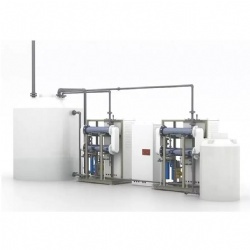
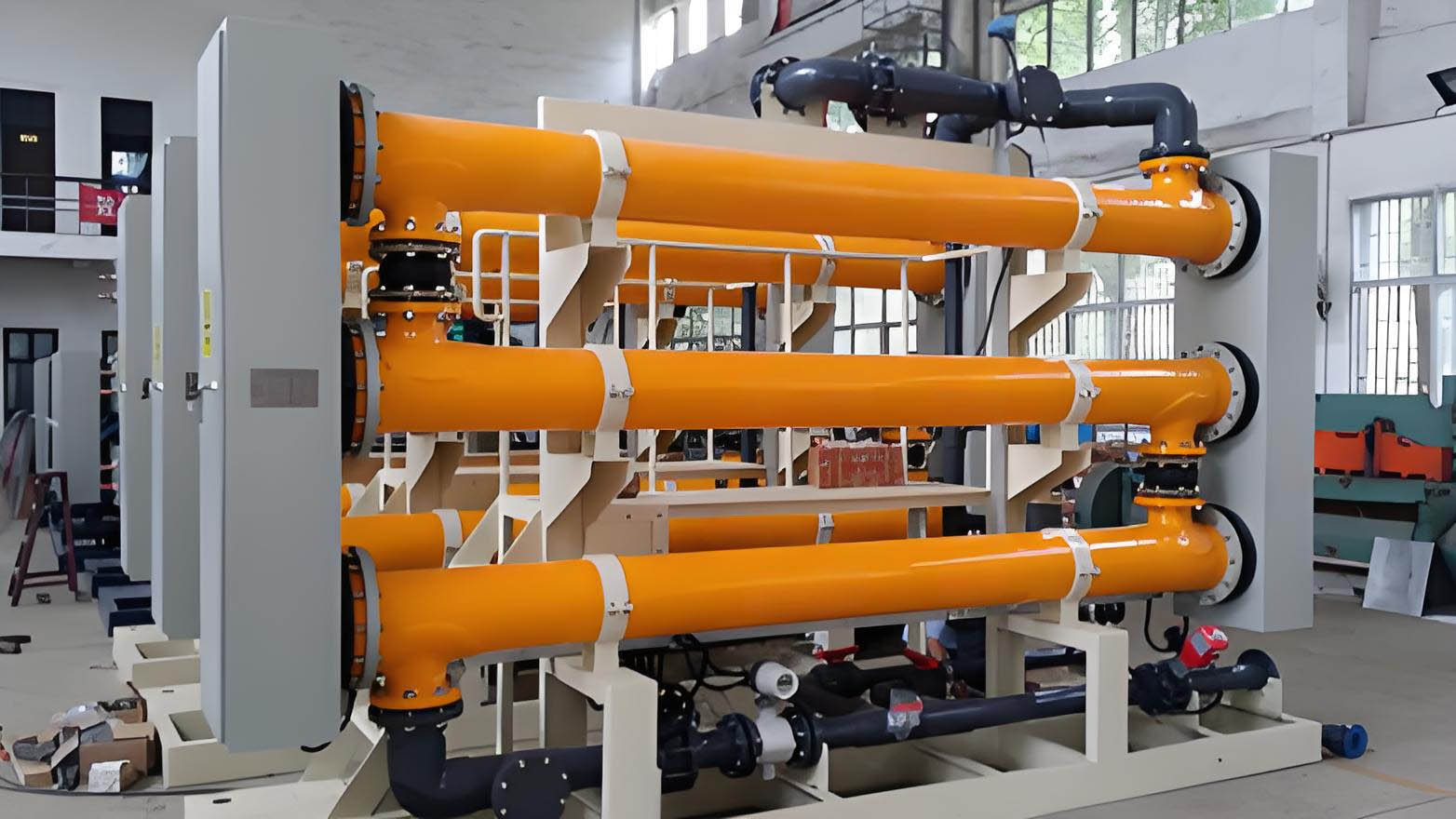
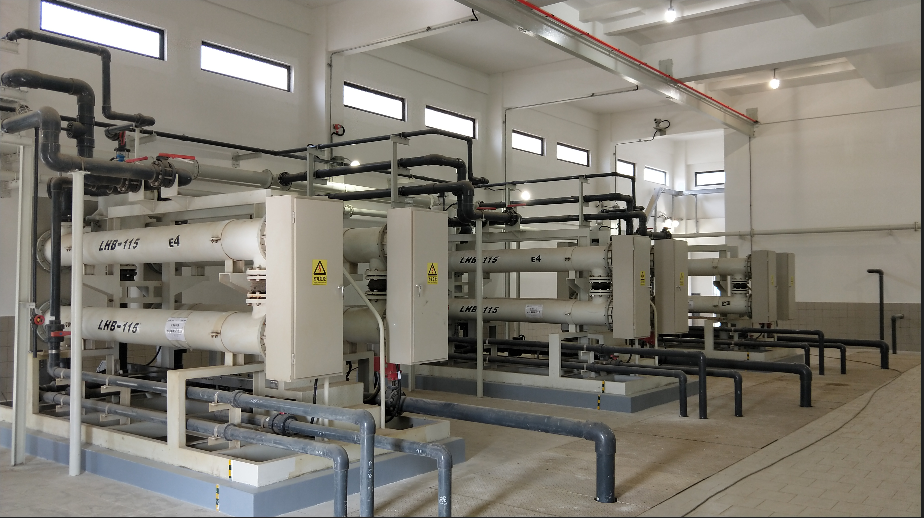
On‑site sodium hypochlorite produced by electrolysis of raw seawater offers a practical alternative to transported liquid chlorine or purchased sodium hypochlorite. Chlory series on‑site sodium hypochlorite generators make disinfectant directly from incoming seawater at the plant site. This removes chemical transportation, storage and dilution work for desalination operators.
This article covers real‑world usage of sodium hypochlorite for desalination: how RO desalination works, practical disinfection workflows, common site‑specific challenges, market outlook and hands‑on equipment maintenance guidance.
Seawater Desalination & Reverse Osmosis Pre‑Treatment Needs
Seawater desalination removes dissolved salts and minerals from seawater to produce usable fresh water. Reverse osmosis remains the dominant technical route for modern large‑ and medium‑scale desalination plants.
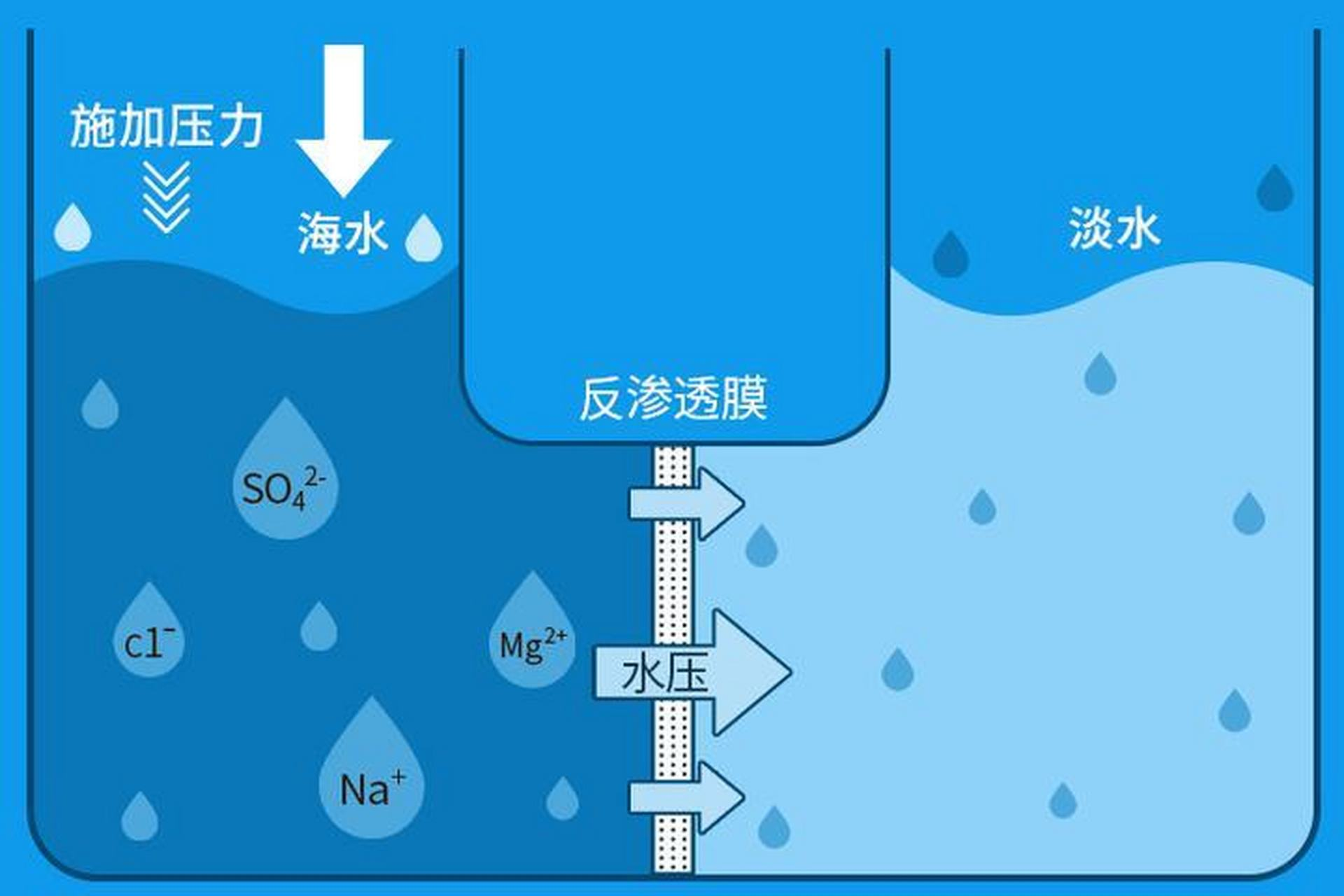
RO systems rely on semi‑permeable membranes. Under pressure, only water molecules pass through the membrane surface, while salt, particulates and most dissolved contaminants are retained on the feed‑water side.
Membrane performance heavily depends on incoming feed‑water quality. Raw seawater carries abundant algae, plankton, bacteria and dissolved organics. Without pretreatment disinfection, these organisms attach to pipeline inner walls and RO membrane surfaces, building biofilm (biofouling). Once biofouling forms, plant operators face higher feed pressure, reduced freshwater output, frequent chemical cleaning and earlier membrane replacement.
How Sodium Hypochlorite Works Inside Desalination Pretreatment
Sodium hypochlorite acts as a strong oxidant applied in the pretreatment stage, before seawater enters the RO cartridge racks.
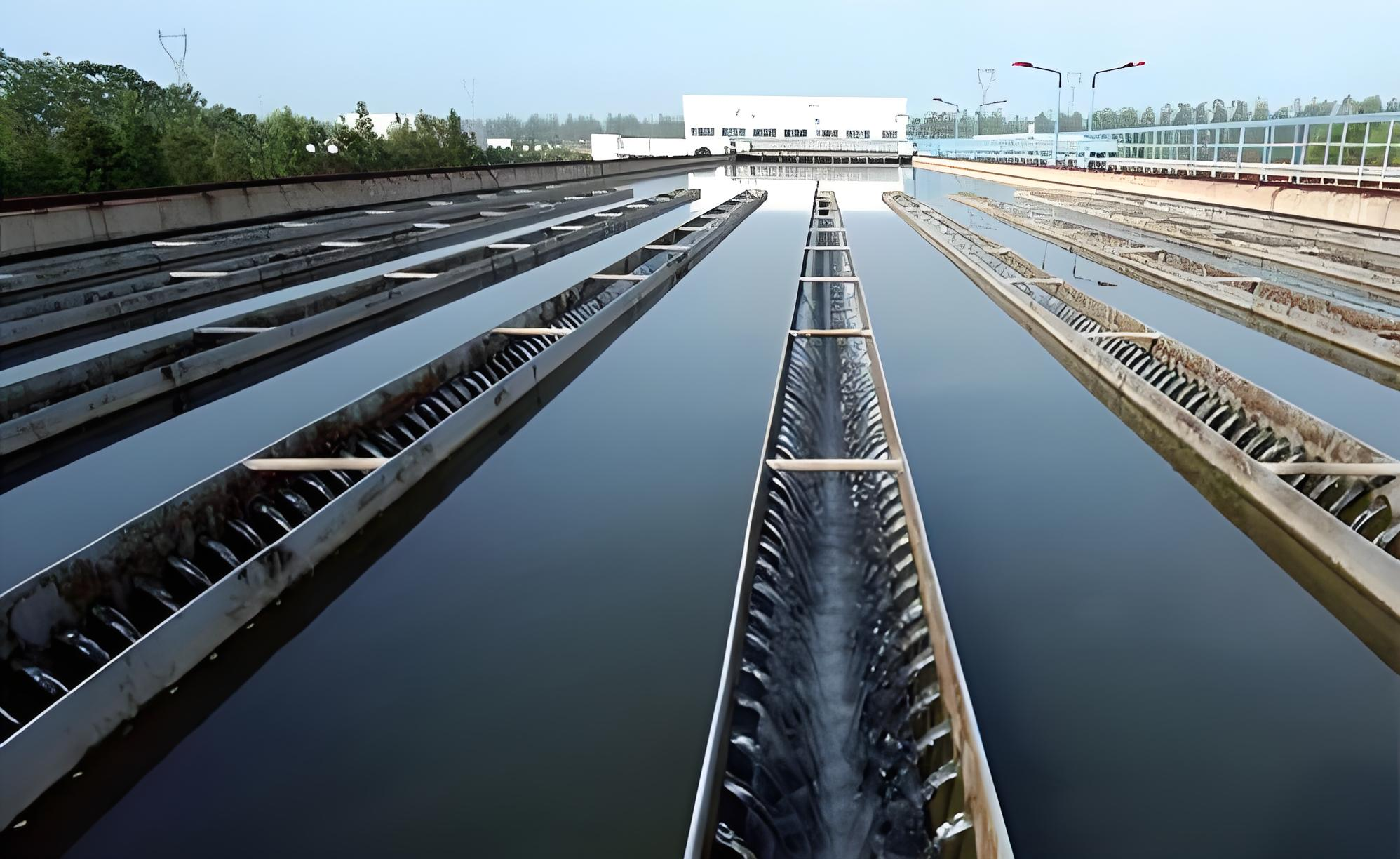
When dosed at controlled residual‑chlorine levels, hypochlorite suppresses algae reproduction and inactivate bacteria and microorganisms in intake seawater. It also partially oxidizes soluble organic substances, lowering organic loading onto downstream filtration and RO membranes.
Important on‑site note for engineers: Continuous over‑dosing of free chlorine will damage polyamide RO membranes. Desalination sites must install de‑chlorination units downstream of hypochlorite dosing, before feed‑water touches RO membranes. This critical operational detail is often overlooked in theoretical‑only documents.
Key Risks Addressed by On‑Site Sodium Hypochlorite
- Mitigate biofouling across intake pipelines, filters and pre‑treatment tanks.
- Cut algae‑related blockages of pre‑filter cartridges.
- Reduce RO membrane chemical‑cleaning frequency under stable operating conditions.
- Avoid risks from bulk liquid chlorine transportation and on‑site chemical tank storage.
Practical Limitations to Watch in Desalination Sites
No disinfection solution fits every coastal site. We list real‑world constraints gathered from our project references:
- Seawater temperature and salinity fluctuation changes electrolyzer output; generator setpoints need seasonal adjustment.
- Heavy sediment, suspended solids or large amounts of shell debris in intake seawater will shorten electrode service life; proper intake filtration is mandatory upstream of electrochlorination units.
- Hypochlorite dosing cannot fully remove existing mature biofilm; it works best for prevention, not heavy‑fouling remediation.
Market Outlook for Electro‑Generated Sodium Hypochlorite in Desalination
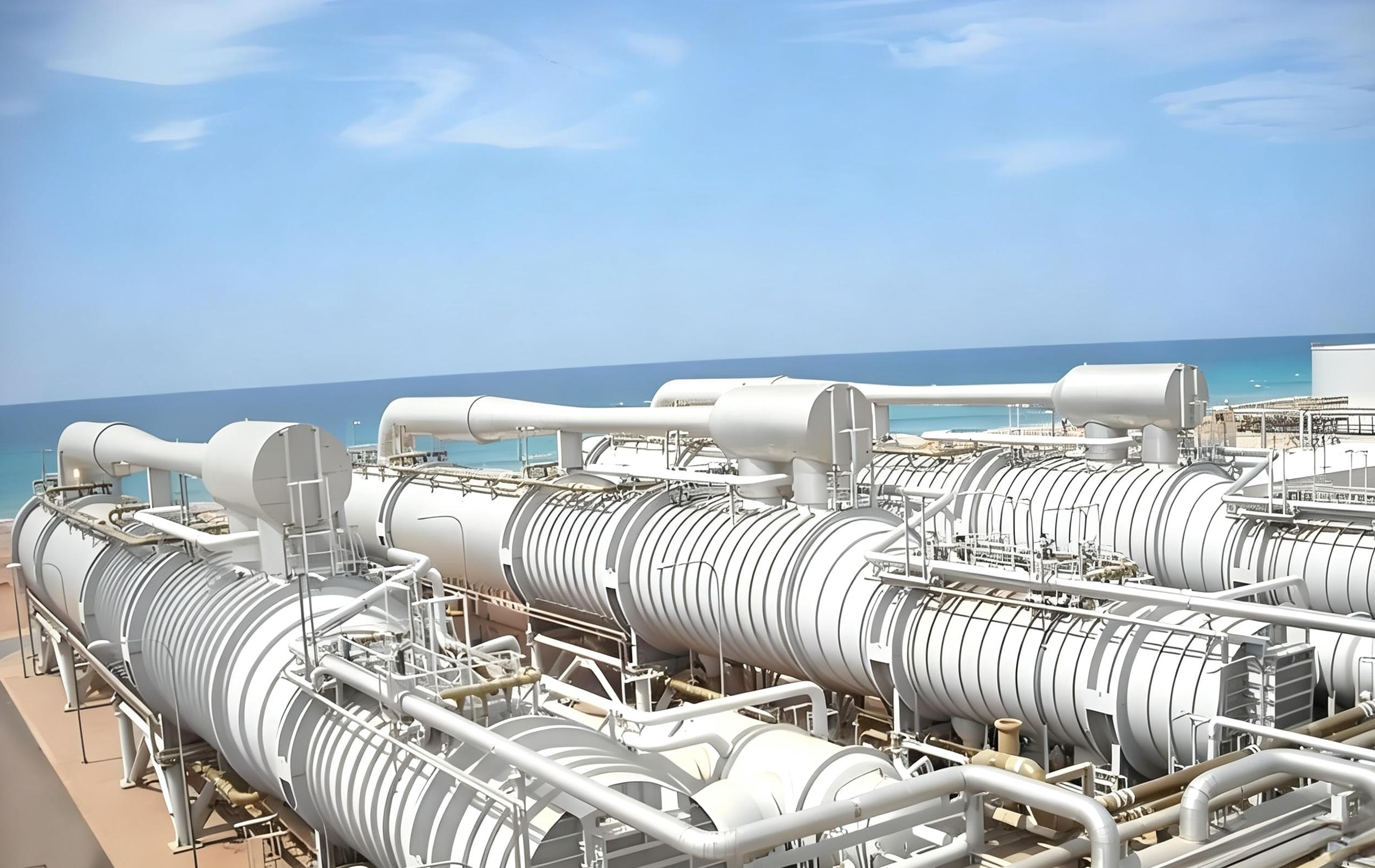
More coastal cities, industrial parks and island communities keep expanding desalination capacity. At the same time, environmental regulations for coastal discharge, chemical storage and worker safety are getting stricter worldwide.
Traditional approaches such as purchasing bulk sodium hypochlorite bring extra costs for chemical transport, tank corrosion maintenance and quality decay during storage. On‑site seawater electrolysis systems avoid those pain‑points. As electrode materials and automatic dosing control mature, capital and operating costs keep decreasing for medium‑to‑large desalination projects.
Intelligent monitoring helps plant teams maintain stable residual‑chlorine set‑points automatically. Real‑time water‑quality feedback adjusts hypochlorite output without constant manual on‑site tuning.
Field‑Proven Maintenance Checklist for Sodium Hypochlorite Generators
Regular maintenance prevents unexpected shutdowns in continuous‑run desalination plants. Below items come from our site‑service records for seawater electrochlorination equipment.

Routine Inspection Items
Disinfection unit cleaning: Remove sediment and biological residues from equipment inner surfaces on scheduled cycles. Use fresh‑water flushing or approved cleaning agents; fully rinse before restarting electrolysis modules. Cleaning frequency depends on local seawater turbidity and suspended‑solid levels.
Dosing system check: Inspect dosing pumps, valves and connecting piping. Confirm actual chemical output matches design set‑points. Under‑dosing causes bio‑fouling risk; over‑dosing threatens downstream RO membranes.
Water‑quality monitoring: Test inlet and outlet water indicators including residual chlorine, pH and turbidity. Adjust generator output and dosing rate according to measured field values, rather than relying only on fixed theoretical parameters.
Wear‑part replacement schedule reference
Seawater environments accelerate component aging. Site operators should establish their own replacement cycle based on local water quality:
Dosing pump seals, pipe joints and gaskets: periodic inspection and timely replacement to stop liquid leakage.
Electrode assemblies: service life varies with seawater quality; follow on‑site test data instead of fixed calendar cycles.
All maintenance operations should follow Chlory original equipment service manuals.
Why Choose Chlory Seawater‑Based Hypochlorite Generators
Chlory generators produce sodium hypochlorite directly from raw seawater intake, tailored for desalination pretreatment scenarios. Our engineering team supports site‑specific sizing calculation, installation guidance and after‑sales service for coastal desalination projects.
When properly operated and maintained, on‑site sodium hypochlorite disinfection supports long‑term stable running of seawater desalination systems. It helps plant owners reduce membrane replacement frequency and control overall OPEX for freshwater production.